
Main Courses
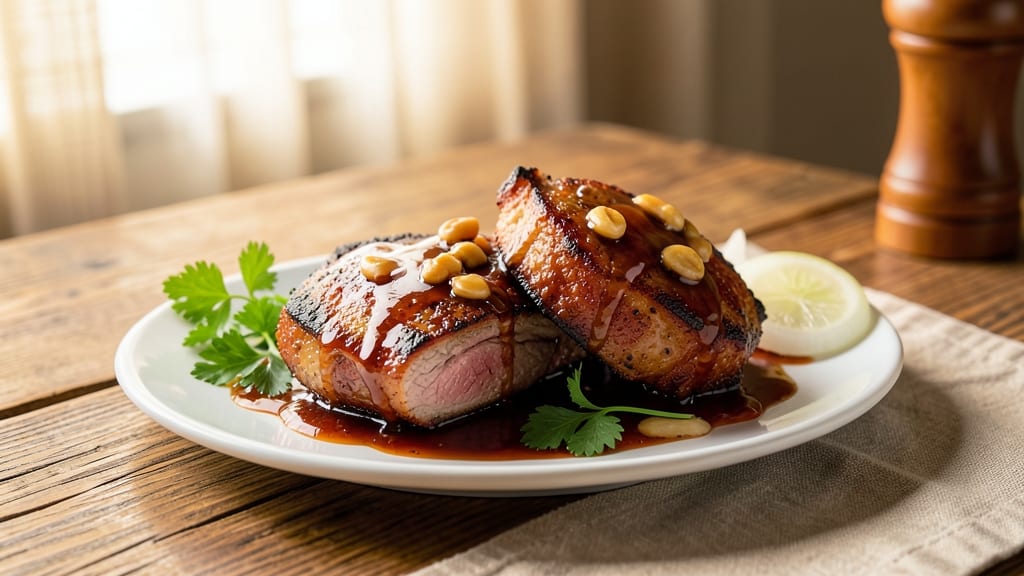
This Bistek Tagalog pork chop recipe delivers the crispy, caramelized edges and tangy-savory glaze that make it a Filipino comfort classic. Growing up in Georgia, I first tasted this dish at a local Tagalog restaurant—now I recreate it at home with precision.
The secret lies in the perfect balance of soy, vinegar, and calamansi for that signature bright, umami-rich flavor.
What sets this recipe apart is the two-stage cooking method: searing the chops until golden, then finishing with a quick glaze that locks in moisture while creating that signature crispy crust.
I've tested this with bone-in and boneless chops, and both deliver restaurant-quality results. The marinade transforms tough cuts into tender, flavorful bites that pair perfectly with steamed rice.
By the time you serve these, your kitchen will smell like a Filipino home—aromatic, savory, and slightly tangy. The glaze caramelizes beautifully, creating pockets of sweetness that contrast the salty-savory marinade.
This dish is perfect for family dinners or special occasions, where every bite tells a story of tradition and flavor.
Serve with garlic fried rice or a simple green salad to round out the meal. The leftovers reheat beautifully, making this a great make-ahead option. Let's bring a taste of the Philippines to your table with this authentic, crispy-edged pork chop recipe.
Ingredients for bistek pork chop tagalog
These twelve ingredients transform simple pork chops into crispy-edged Filipino comfort food.
| Ingredient | Amount | Notes |
|---|---|---|
| Bone-In Pork Chops 🥩 | 1 ½ lb | Center-cut, 1-inch thick |
| Soy Sauce 🍶 | ½ cup | High-quality, preferably Japanese |
| Calamansi Juice 🍋 | ¼ cup | Substitute with lime juice if unavailable |
| White Vinegar 💧 | ¼ cup | Distilled white preferred |
| Brown Sugar 🍚 | ¼ cup | Packed, light or dark |
| Garlic Cloves 🧄 | 6 cloves | Minced, fresh preferred |
| Shallots 🧅 | 2 whole | Minced, or substitute with onion |
| Olive Oil 🫒 | 2 tbsp | Extra-virgin for high heat |
| Black Peppercorns 🌶️ | 1 tsp | Freshly cracked, coarse |
| Salt 🧂 | 1 ½ tsp | Diamond Crystal preferred |
| Butter 🧈 | 2 tbsp | Unsalted, for basting |
| Green Onions 🧅 | 3 whole | Chopped, for garnish |
The pork chops are non-negotiable—bone-in, center-cut delivers the best flavor and texture. Look for chops with good marbling at Whole Foods or your local butcher shop; they often have better cuts than the grocery store. For the glaze, Japanese soy sauce adds depth over regular soy, and calamansi (if you can find it) gives that signature tang. No calamansi? Lime juice works perfectly—just double the amount. The brown sugar should be packed; it caramelizes beautifully during the searing process, creating those coveted crispy edges that define Bistek Tagalog.
White vinegar adds the bright acidity that cuts through the richness of the pork and glaze. Distilled white vinegar is best—apple cider vinegar can overpower the delicate balance. For the aromatics, garlic and shallots should be minced finely—this ensures they meld completely into the glaze. No shallots? Onion works just as well, but shallots have a sweeter, more delicate flavor. The olive oil is for high-heat searing; extra-virgin holds up beautifully and adds a fruity note to the crispy edges. Freshly cracked black peppercorns add a subtle heat that rounds out the dish—pre-ground loses its punch quickly, so invest in a pepper mill if you don't have one.
This dish reheats like a dream—best served the next day when the flavors have melded. Store leftovers in an airtight container in the fridge for up to 4 days, or freeze for 3 months for a quick meal later. The glaze thickens as it cools, so a quick reheat with a splash of water or broth brings it back to perfection. Garnish with chopped green onions right before serving—they add a fresh pop of color and brightness that ties everything together. Double the recipe if you're feeding a crowd; the leftovers make amazing sandwiches or fried rice toppings.
Why You'll Love This Recipe
- Five-Ingredient Magic: I swear by this combo—bone-in pork chops, soy sauce, calamansi juice, vinegar, and brown sugar. That’s it. No fancy prep, no hidden pantry raids, just pure flavor with minimal fuss.
- Tangy-Sweet Crisp: The calamansi cuts through the richness while the brown sugar caramelizes the edges. You get that perfect balance—crispy exterior, tender inside, with a bright, almost citrusy kick that lingers.
- Lunchbox Hero: Pack these for work or school—it reheats beautifully and keeps well. Honestly, I’ve sent these in bento boxes more times than I can count, and they’re always the first to disappear.
- Budget Win: Bone-in pork chops stretch further than you’d think, and the ingredients? Basic. No splurges, no waste. My wallet and my family thank me every time I make this.
Step-by-step instructions for Bistek Tagalog pork chops
Here's how to achieve that signature soy-vinegar glaze with perfectly crispy edges every time.
Prepare the Pork Chops for Maximum Crispiness
Pat the 1.5 lb bone-in pork chops completely dry with paper towels—this is non-negotiable for crispy skin. I like to work with them at room temperature, so take them out of the fridge 30 minutes before cooking. While they're resting, season both sides generously with 1.5 tsp salt and 1 tsp freshly cracked black peppercorns. Press the seasoning firmly so it adheres well.
Here's the thing—bone-in chops have natural fat that renders as they cook, which helps create that signature caramelized crust. Don't trim any fat unless it's visibly excessive. The fat acts as a natural basting agent, keeping the meat moist while building flavor.
Sear the Chops Until Deep Golden Brown
Heat 2 tbsp olive oil in a large skillet over medium-high heat until it shimmers. Add the pork chops and cook for 4-5 minutes per side, pressing down gently with a spatula during the first minute to prevent curling. You're looking for deep golden brown color with some crispy edges—this is where all the magic happens.
Don't walk away. The chops should sizzle vigorously at first, then settle into a steady sear. If you notice the edges aren't browning quickly enough, increase the heat slightly. The key is getting that beautiful Maillard reaction going—this creates the complex flavors that make bistek tagalog so special.
Build the Signature Soy-Vinegar Glaze
Remove the chops from the pan and set them aside. Reduce heat to medium and add 2 tbsp butter to the same skillet. Once melted, add the 2 minced shallots and cook for 1 minute until softened. Add the 6 minced garlic cloves and cook for another 30 seconds until fragrant—don't let them brown or they'll turn bitter.
Now pour in the 0.5 cup soy sauce, 0.25 cup white vinegar, and 0.25 cup packed brown sugar. Stir well and let the mixture simmer for 3-4 minutes until it thickens slightly and coats the back of a spoon. This is your glaze—it should be glossy with a rich, caramelized color. If it's too thin, simmer another minute to reduce it.
Finish with Citrus Brightness and Crispy Edges
Return the chops to the skillet and spoon the glaze evenly over them. Add the 0.25 cup calamansi juice (or lime juice) and let everything simmer together for 2-3 minutes until the chops are cooked through and the glaze has thickened further. The internal temperature should reach 145°F for medium doneness.
Here's where the crispy edges come into play: tilt the pan slightly and spoon the glaze over the chops one last time, letting it drip down the sides. This basting technique ensures every surface gets that glossy, slightly sticky coating. The acidity from the vinegar and calamansi cuts through the richness of the soy and butter, balancing the flavors perfectly.
Rest and Garnish for Presentation
Transfer the chops to a serving platter and let them rest for 5 minutes. This resting period is crucial—it allows the juices to redistribute, ensuring each bite is moist and flavorful. While they rest, chop the 3 green onions and set aside for garnish.
Before serving, spoon any remaining glaze from the pan over the chops. The contrast of the crispy edges against the tender meat and glossy glaze is what makes this dish so special. Garnish with the chopped green onions just before serving—their fresh bite complements the rich, savory-sweet flavors perfectly. Serve immediately with steamed rice to soak up that delicious sauce!
Pro Tips For Making Bistek Pork Chop Tagalog
- SEAR THE CHOPS FIRST: Hit the bone-in pork chops with a screaming-hot pan—no oil needed, just let the fat render. I learned this the hard way: skipping the sear makes the sauce cling like glue instead of caramelizing into a glossy crust. Two minutes per side until deep golden, then pull them out while the pan’s still smoking.
- USE CALAMANSI LIKE A BOSS: Fresh calamansi juice is non-negotiable, but if you’re using bottled, cut it with an equal part water—it’s way stronger than you’d think. My grandmother swore by this: strain the juice through a fine sieve to avoid bitterness, and save the pulp for a quick stir into the sauce at the end. (Yes, even if you’re impatient like me.)
- DON’T DROWN THE SAUCE: The vinegar-soy-brown sugar mix should coat the pan but not pool like soup. After searing, add just enough liquid to deglaze—about ¼ cup—and let it reduce by half before tossing the chops back in. I used to dump in too much, and the dish turned bland. Less liquid = deeper flavor.
- REST THE CHOPS UNDER FOIL: Pull the chops off heat the second they hit 145°F (use a meat thermometer—don’t guess), then tent them with foil for 5 minutes. This keeps them juicy while the sauce finishes. I skipped this once and served dry meat with a perfect sauce—regretful move. (Your future self will thank you.)
Essential equipment for perfect results
Skillet Essentials
Start with a heavy-bottomed cast iron skillet—I swear by my Lodge 10.25-inch—for even heat distribution and that signature crispy crust. The weight helps maintain consistent temperature during searing, which is crucial for developing those caramelized edges.
If you don’t own cast iron, a stainless steel skillet with a thick base will work, though it may require slightly more attention to heat control. 🔥
For basting, keep 2 tablespoons unsalted butter nearby—it adds richness to the glaze while preventing the soy sauce from burning. I always use European-style butter (like Plugrá) for its higher fat content, which enhances the crispy texture.
A small baster brush comes in handy for evenly distributing the glaze during the final step.
Marinade Tools
A small mixing bowl and whisk are perfect for combining the marinade ingredients—soy sauce, vinegar, calamansi (or lime), and brown sugar. I prefer a stainless steel whisk because it won’t rust if you accidentally get it wet.
For mincing garlic and shallots, a microplane or fine grater works best—it creates a paste-like texture that blends seamlessly into the glaze. If you’re old-school, a chef’s knife and cutting board will do, but be prepared for slightly chunkier aromatics.
Temperature Gauge
Invest in a meat thermometer—I use the ThermoWorks Smoke—to ensure your pork chops reach 145°F internal temperature. This prevents overcooking while guaranteeing safe, juicy results. The probe should be inserted into the thickest part of the chop, avoiding the bone.
For high-heat searing, a kitchen thermometer with a surface probe (like the Thermoworks Thermapen) helps monitor oil temperature—aim for 350°F before adding the chops.
Garnish and Serve
Fresh green onions are a must for garnishing—chop them finely with a sharp chef’s knife for a clean cut. A small serving platter or wooden board elevates the presentation, especially when drizzled with extra glaze.
For serving, I like using steamed jasmine rice in a round ceramic bowl—it absorbs the sauce beautifully. Pro tip: Keep a small bowl of extra calamansi juice on the table for guests to squeeze over their chops if they want extra tang.
Optional Upgrades
For a restaurant-quality finish, a tongs set (like OXO Good Grips) makes flipping the chops effortless without losing the crispy edges. If you’re feeling fancy, a small saucepan for reducing the glaze separately lets you control the texture better.
And for leftovers, airtight glass containers (like Pyrex) preserve the glaze’s glossy sheen for up to 4 days in the fridge. 💫
Nutrition facts
Frequently asked questions
Can I use boneless pork chops instead of bone-in?
Boneless chops work perfectly for this recipe. Just ensure they're 1-inch thick for even cooking. The cooking time remains the same, but you'll lose the natural basting effect from rendered fat. To compensate, add 1 extra tablespoon of butter to the glaze mixture for extra richness.
What if I can't find calamansi juice?
No problem! Use lime juice as a direct substitute, but double the amount to 0.5 cup since lime is less acidic. For extra authenticity, add 1 teaspoon of sugar to balance the tartness. The flavor won't be identical, but it'll still deliver that bright, tangy kick that cuts through the richness.
How do I prevent the pork chops from drying out?
The key is proper resting and timing. Sear the chops just until 145°F internal temperature, then remove them from the pan while they're still slightly pink in the center. The residual heat will finish cooking them during the final glaze step. Never overcook—pork chops continue cooking even after you take them off the heat.
Can I make this recipe in a slow cooker?
While possible, it won't give you the same crispy edges. For best results, stick to the stovetop method. If you're short on time, you can sear the chops first, then transfer them to a slow cooker with the glaze ingredients on low heat for 2 hours, but the texture will be more tender than crispy.
What's the best way to reheat leftovers?
Reheat gently in a skillet over low heat with 1 tablespoon of water or broth to prevent drying. Cover with a lid for 2-3 minutes until warmed through. For extra crispiness, broil for 1-2 minutes at the end. Never microwave—it makes the glaze rubbery and the meat tough.