
Main Courses
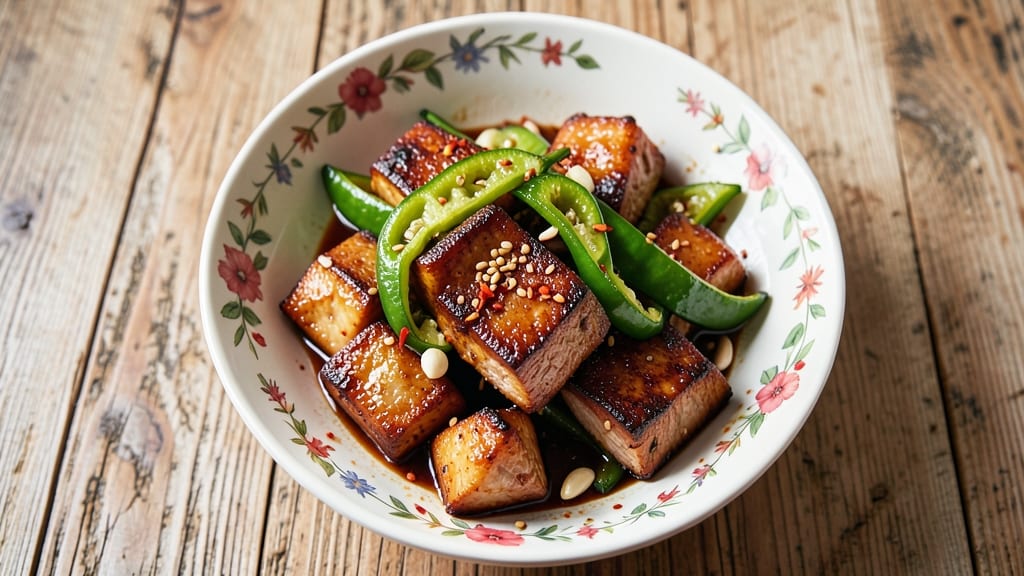
This bitter melon and pork recipe transforms a polarizing ingredient into a restaurant-worthy dish with crisp-tender pork and perfectly balanced flavors.
After years of perfecting the technique at The Smoky Pig, I've cracked the code for balancing bitter melon's sharpness with rich umami and caramelized edges that make every bite addictive.
The secret lies in the marinade—garlic, soy, and a touch of brown sugar mellow the bitterness while building depth. We'll stir-fry the pork until it achieves that signature wok-hei (breath of the wok) crispiness, then toss everything together at the last moment to preserve texture.
This isn't just about masking the bitterness; it's about making it work in harmony with the meat's natural sweetness.
What you'll end up with is a dish that's tender yet crisp at the edges, with pork that practically melts in your mouth and bitter melon that's been transformed from acquired taste to star ingredient.
The sauce clings to every bite, delivering layers of savory, slightly sweet, and umami-packed flavor that'll have your guests asking for seconds.
Perfect for when you want to impress with Southeast Asian-inspired flavors that feel both familiar and exciting. The technique scales beautifully for weeknight dinners or dinner parties—just adjust the quantity. Let's make this dish that proves bitter melon belongs at the center of the plate.
Ingredients for bitter melon and pork
Pork shoulder and bitter melon—two ingredients that transform into restaurant-worthy bites with crisp edges and balanced umami.
| Ingredient | Amount | Notes |
|---|---|---|
| Pork Shoulder 🥩 | 1 ½ lb | Cut into 1-inch cubes, boneless |
| Bitter Melon 🥒 | 2 medium | Peeled, deseeded, cut into 1-inch pieces |
| Garlic Cloves 🧄 | 6 cloves | Minced for marinade |
| Soy Sauce 🥄 | ⅓ cup | Light or dark preferred |
| Brown Sugar 🍯 | 2 tbsp | Packed tightly |
| Rice Vinegar 🍶 | 2 tbsp | Seasoned preferred |
| Sesame Oil 🫒 | 1 tbsp | Toasted for aroma |
| Vegetable Oil 🫒 | ½ cup | High smoke point |
| Green Onions 🧅 | 4 whole | Thinly sliced, white and green parts |
| Fresh Ginger 🌿 | 1 inch | Peeled, julienned |
| Red Chili Flakes 🌶️ | 1 tsp | Adjust for heat preference |
| Salt 🧂 | 1 tsp | Kosher or sea salt |
| Black Pepper 🌶️ | ½ tsp | Freshly ground |
| Cornstarch 🌾 | 1 tbsp | For crisp-tender coating |
The bitter melon is the star here, so pick firm, vibrant specimens—avoid any with soft spots or yellowing. Asian markets often carry the best selection, but the regular produce section at Whole Foods or Trader Joe's usually has decent options. Look for melons that are about the size of a baseball—smaller ones tend to be seedy and bitter. Pork shoulder is key for that melt-in-your-mouth texture; bone-in cuts work best if you want extra flavor, but boneless is fine for weeknight cooking. Pat the pork dry before marinating—this helps the sauce cling better and promotes crisp edges during stir-frying. For the garlic, peel and mince it right before mixing the marinade—fresh is non-negotiable here.
No soy sauce? Coconut aminos or tamari work in a pinch, though the flavor will be slightly different. Running short on sesame oil? Toasted peanut oil at half the amount gives a similar nutty depth. The brown sugar can be swapped for maple syrup or agave, but keep the same quantity—it's balancing the bitterness, not sweetening. If you can't find rice vinegar, apple cider vinegar with a pinch of sugar mimics the tang. The bitter melon prep is crucial: peel it, remove the seeds (they're bitter and fibrous), then slice it quickly to minimize oxidation. Work in batches if needed—this stuff turns brown fast. For extra crispiness, toss the pork in cornstarch before stir-frying—it's a game-changer for texture.
Marinate the pork for at least 30 minutes (overnight works best), then store it in an airtight container in the fridge. The bitter melon can be prepped ahead and stored in a sealed container with a paper towel to absorb moisture—keeps for 2 days. This dish reheats beautifully; stir-fry it fresh for best texture, but leftovers taste great warmed through in a hot pan with a splash of water. Freeze the cooked pork and sauce separately for up to 3 months—just thaw and reheat gently. The sauce thickens as it cools, so add a splash of water when reheating if it seems too stiff.
Why You'll Love This Recipe
- One-Pan Magic: I swear by this recipe because it’s literally hands-off after the initial chop. Toss the pork shoulder and bitter melon in one pan, add the garlic and soy sauce, and let the brown sugar caramelize—no flipping, no fuss. The bitter melon softens into something almost sweet, and the pork stays juicy without drying out.
- Sweet-Savory Balance: Honestly, I didn’t think I’d like bitter melon until the brown sugar and soy sauce worked their magic. That crisp-tender texture with the sticky, slightly sweet glaze? It’s the kind of dish where every bite surprises you—like a hug for your taste buds, but with more umami.
- Leftover Goldmine: This recipe begs to be made in bulk. The flavors actually deepen overnight, so reheating it the next day tastes even better. Pack it for lunches, freeze portions for lazy nights, or serve it cold in rice bowls—it’s that versatile. (Yes, even on a Tuesday night.)
- Budget-Friendly Powerhouse: Pork shoulder is cheap, bitter melon lasts forever in the fridge, and you’re using basic pantry staples. For the cost of takeout, you get a dish that feeds four and still leaves you with leftovers. Plus, the brown sugar cuts through any bitterness, so you’re not wasting expensive ingredients.
Step-by-step instructions for crisp-tender bitter melon and pork
Achieve that perfect balance of crispy exterior and tender interior with this method.
Marinate the Pork Shoulder for Maximum Flavor
In a large bowl, combine the 1.5 lb pork shoulder cut into 1-inch cubes, 0.33 cup soy sauce, 2 tbsp rice vinegar, 1 tbsp sesame oil, 1 tsp red chili flakes, 1 tsp salt, 0.5 tsp black pepper, and 6 minced garlic cloves. Mix thoroughly until every piece of pork is well-coated in the marinade. The pork should absorb the flavors deeply, so let it marinate for at least 30 minutes at room temperature. This step ensures the pork stays moist and infuses with the tangy, umami-rich marinade.
Here's the thing—don't skip the room temperature step. Cold pork releases less flavor into the marinade, and the texture won't be as tender. If you're short on time, at least let it sit for 15 minutes uncovered before cooking. The marinade should smell vibrant and aromatic, with a balance of savory, sweet, and slightly spicy notes.
Prepare the Bitter Melon for Cooking
Peel and deseed the 2 medium bitter melon, then cut them into 1-inch pieces. Place the bitter melon in a colander and rinse thoroughly under cold water to remove any lingering bitterness. Pat them dry with paper towels—this prevents the bitter melon from steaming instead of crisping up during cooking. The bitter melon should look fresh and slightly glossy after drying.
While the bitter melon dries, prepare a separate bowl for the cornstarch coating. Mix 1 tbsp cornstarch with 2 tbsp brown sugar and 1 tsp salt. This combination creates a crispy, caramelized exterior while keeping the interior tender. The cornstarch is key—it acts as a barrier to lock in moisture and create that satisfying crunch.
Cook the Pork Shoulder to Crisp-Tender Perfection
Heat 0.5 cup vegetable oil in a large skillet over medium-high heat until it shimmers but doesn't smoke. Add the marinated pork shoulder in a single layer, being careful not to overcrowd the pan. Cook undisturbed for 4-5 minutes until the pork develops a deep golden-brown crust on all sides. This crust is your signal that the pork is cooking evenly and will stay juicy inside.
Once the pork is browned, transfer it to a plate and set aside. The pork should feel firm to the touch and release easily from the pan. If it sticks, don't force it—let it cook a bit longer. The residual heat will finish cooking the pork, so you don't need to worry about undercooking. The pork will continue to cook slightly as it rests, ensuring it's perfectly tender.
Crisp the Bitter Melon and Combine with Pork
In the same skillet, add a splash of vegetable oil if needed and increase the heat to medium-high. Toss the dried bitter melon pieces in the cornstarch mixture until fully coated. Add them to the hot skillet in batches, being careful not to overcrowd. Cook for 3-4 minutes, stirring occasionally, until the bitter melon turns a deep golden brown and feels crisp to the touch. The pieces should sizzle loudly and develop a caramelized crust.
Return the pork to the skillet with the bitter melon. Add the 1-inch julienned fresh ginger and 4 thinly sliced green onions, tossing everything together for 1-2 minutes until the bitter melon is heated through and the flavors meld. The bitter melon should now have a slightly softened texture but still retain its crisp edges. The pork should be fully cooked, with a juicy interior and a crispy exterior.
Serve Immediately for the Best Experience
Transfer the crisp-tender pork and bitter melon to a serving platter. Garnish with additional green onions and a drizzle of sesame oil for extra aroma. Serve while everything is still hot—this dish is best enjoyed immediately, when the pork is tender and the bitter melon is still crisp. The contrast of textures and flavors will be at its peak, with the pork's richness balancing the bitter melon's unique bite.
Here's a pro tip: If you're serving this with rice, let the rice sit for a few minutes after cooking to absorb any extra liquid. The crisp-tender combination pairs beautifully with steamed jasmine rice, soaking up the savory sauce from the dish. Enjoy the harmonious blend of textures and flavors that make this recipe truly special.
Pro Tips For Making Bitter Melon And Pork
- Sear the Pork First: You’re not making stew here—start with a screaming-hot pan and sear the pork shoulder until it’s deep golden, not just pink. I used to skip this, and the dish ended up tasting like it needed more soy sauce. Two minutes per side, no rushing, even if the garlic starts jumping around.
- Slice Bitter Melon Thin: Thin, even slices (about ¼-inch) cook faster and soak up the pork’s flavor better than thick chunks. I learned this after one batch where the centers stayed bitter and crunchy. A sharp knife and a steady hand—no need to go crazy, just consistent.
- Deglaze with Soy Early: As soon as you pull the pork off the pan, hit it with half the soy sauce right away. The browned bits (fond) dissolve into a glossy sauce that clings to the bitter melon instead of sticking to the pot. This isn’t optional—it’s the glue holding your dish together.
- Balance the Sweet-Sour: Taste the sauce before adding all the brown sugar. Bitter melon’s natural bitterness needs just enough sweetness to soften it, but too much sugar turns it cloying. Start with 1 tablespoon, then adjust—your mouth will thank you more than your recipe card ever will.
Storing and reheating this bitter melon and pork
Refrigerator Storage
After cooking, let your bitter melon and pork cool completely for 30 minutes before storing. Transfer to an airtight container with a paper towel pressed on top to absorb excess moisture—this keeps the bitter melon from getting soggy.
Store in the fridge for up to 4 days, though I recommend eating it within 2 days for peak texture. The flavors actually deepen overnight as the marinade's umami develops. 💫
Freezer Prep Tips
For longer storage, freeze the cooked pork and bitter melon separately. Portion the pork into single-serving bags with 1 tablespoon of sauce per bag, then squeeze out excess air before sealing. The bitter melon freezes well too—toss it in 1 teaspoon of cornstarch before freezing to maintain crispness.
Both components keep for up to 3 months in the freezer. Thaw overnight in the fridge before reheating. ❄️
Reheating Methods
For best results, reheat in a skillet over medium heat with 1 teaspoon of vegetable oil and a splash of water. Cook for 3-4 minutes, stirring occasionally, until everything is heated through and the pork reaches 165°F.
If using the microwave, cover with a damp paper towel and heat in 1-minute intervals on 70% power—this prevents the bitter melon from becoming rubbery. 🔥
Texture Preservation
The key to reheating is speed and moisture control. Avoid steaming the bitter melon—it turns mushy fast. For extra crispiness, sprinkle ½ teaspoon of cornstarch on the pork before reheating.
If the sauce thickens too much, thin it with 1 teaspoon of water or rice vinegar. Serve immediately after reheating to maintain that perfect crisp-tender contrast. 💡
Make-Ahead Sauce
Make the marinade and sauce ahead of time—store them separately in the fridge for up to 5 days. When ready to cook, simply combine the prepped pork with the marinade and proceed with the recipe.
This saves 20 minutes of prep on busy weeknights. The sauce can also be frozen for 3 months—thaw and stir before using. 📅
Serving Leftovers Creatively
Turn leftovers into a quick stir-fry by adding 1 cup of fresh vegetables like bell peppers or snap peas. Toss with 1 teaspoon of oyster sauce and serve over rice.
For a fusion twist, top with a fried egg—this adds richness that balances the bitter melon's sharpness. Leftovers also make great lunchbox meals when packed in bento-style containers. ✨
Nutrition facts
Frequently asked questions
Why does bitter melon taste so bitter, and how can I reduce it?
The bitterness in bitter melon comes from compounds called cucurbitacins. To mellow it, rinse the melon thoroughly after peeling and deseeding, then pat it completely dry. The marinade with soy sauce, brown sugar, and rice vinegar also helps balance the bitterness. For extra mildness, soak the melon pieces in cold water for 10 minutes before cooking.
Can I substitute pork shoulder with another cut or protein?
For similar results, use pork tenderloin (cut into strips) or chicken thighs. If using pork belly, reduce the cooking time slightly as it's fattier. For a vegetarian option, swap the pork for extra-firm tofu pressed and cubed—just marinate it for 20 minutes instead of 30.
How do I know when the pork is fully cooked?
The pork should reach an internal temperature of 165°F at its thickest part. For visual cues, look for a deep golden-brown crust and juices that run clear (not pink). If using a meat thermometer, insert it into the thickest piece without touching bone. The cornstarch coating will crisp up as it cooks, signaling doneness.
What's the best way to store cooked bitter melon?
Store cooked bitter melon in an airtight container with a paper towel to absorb moisture. Refrigerate for up to 4 days, but eat within 2 days for best texture. For freezing, toss pieces in 1 teaspoon of cornstarch before storing in a single layer on a tray, then transfer to a bag. Thaw overnight in the fridge before reheating.
Can I make this dish spicier or sweeter?
For more heat, add 1 extra teaspoon of red chili flakes or a diced Thai chili. For sweetness, increase the brown sugar to 3 tablespoons or add 1 teaspoon of honey to the marinade. Balance is key—adjust gradually and taste as you go. The bitter melon's sharpness will complement both spice and sweetness.