
Side Dishes
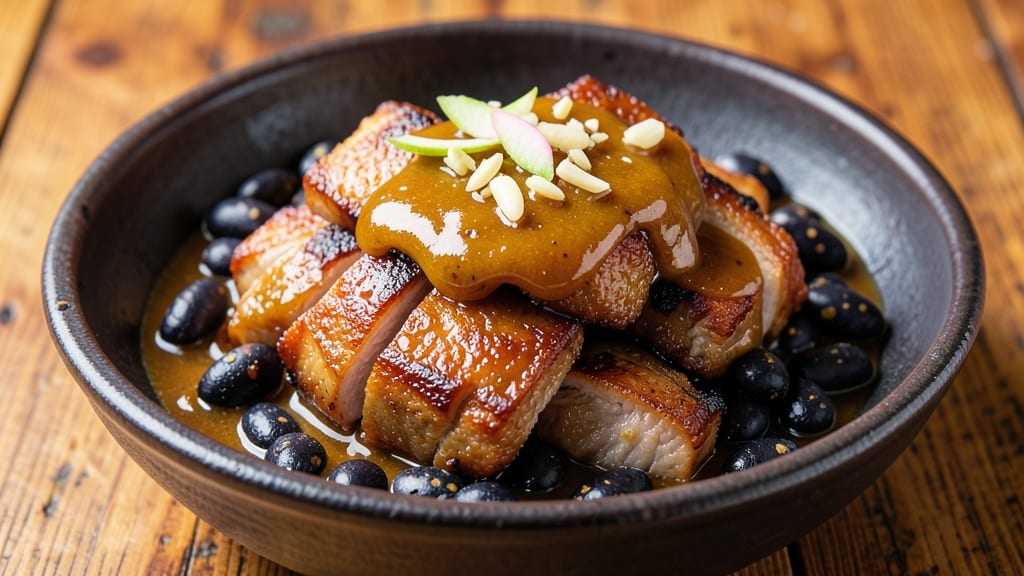
This Panlasang Pinoy black beans with pork recipe delivers the hearty, flavor-packed essence of Filipino home cooking in one satisfying pan. 🌟 After years of perfecting this dish—inspired by my neighbor Mrs. Henderson’s own adaptations of classic guisados—I’ve streamlined it to balance tender pork, rich beans, and that signature sweet-savory sauce.
The key? A slow simmer that lets flavors meld while keeping the beans creamy and the pork melt-in-your-mouth tender.
The magic happens in the sauce—a blend of soy sauce, vinegar, and sugar that creates a glossy, umami-rich gravy. I marinate the pork in garlic and ginger first to build deep flavor, then brown it for a caramelized crust before adding the beans.
This method ensures every bite delivers that perfect harmony of textures and tastes that makes Filipino comfort food unforgettable.
By the time you’re done, you’ll have a one-pan dish that’s hearty enough for a family meal but simple enough for a weeknight. The beans stay tender with just a hint of bite, the pork falls apart easily, and the sauce coats everything in a sticky, savory-sweet glaze.
Serve it over steamed rice with a side of atchara for that authentic Filipino table experience.
What makes this recipe special is how it captures the soul of Filipino home cooking—warm, inviting, and full of layers. Whether you’re new to Filipino flavors or a seasoned fan, this dish delivers restaurant-quality results with minimal effort. Let’s get cooking!
Ingredients for black beans with pork recipe panlasang pinoy
Pantry staples and a few Filipino market finds—this one-pan dish is pure comfort food magic.
| Ingredient | Amount | Notes |
|---|---|---|
| Black Beans 🫘 | 1 ½ cups | Drained and rinsed, canned or cooked |
| Pork Shoulder 🐖 | 1 ½ lb | Cut into 1-inch cubes, boneless |
| Garlic Cloves 🧄 | 6 cloves | Minced for marinade |
| Fresh Ginger 🌿 | 2 tbsp | Finely grated, or 1 tbsp ground ginger |
| Soy Sauce 🍶 | ½ cup | Dark soy sauce preferred |
| Cane Vinegar 🍶 | ¼ cup | White or cane vinegar |
| Brown Sugar 🍚 | ¼ cup | Packed, or substitute white sugar |
| Tomato Paste 🍅 | 2 tbsp | Squeeze tube or canned |
| Onion 🧅 | 1 whole | Medium, sliced into half-moons |
| Bay Leaf 🌿 | 2 whole | Dried, for simmering |
| Olive Oil 🫒 | 2 tbsp | For searing pork |
| Salt 🧂 | 1 ½ tsp | Kosher or sea salt |
| Black Pepper 🌶️ | ½ tsp | Freshly ground |
| Water 💧 | 1 cup | For simmering |
The pork shoulder is the star here—it needs to be tender enough to pull apart easily, so look for well-marbled cuts at your local butcher or Asian market. Filipino markets often carry pre-cut pork shoulder in smaller packages, which saves time. If you can't find dark soy sauce, substitute regular soy sauce with a splash of molasses for depth. The ginger should be fresh—dried just won't cut it here. For the beans, I always use canned black beans (drained and rinsed) because they hold their shape better than dried, but if you're prepping ahead, soaking and cooking your own is totally worth it.
No dark soy sauce? Regular soy sauce plus a teaspoon of caramel color works in a pinch. Fresh ginger too strong? Substitute with ground ginger at half the amount. The tomato paste can be skipped if you're avoiding it, but it adds that signature richness. For a quicker version, swap the pork shoulder for pre-cooked rotisserie chicken—just shred it before adding. The bay leaves are non-negotiable though—they infuse that earthy aroma that makes this dish sing. If you're short on time, use a 14-inch cast-iron skillet instead of a Dutch oven for the same deep flavors.
This dish tastes even better the next day—honestly, the flavors meld into something magical. Store leftovers in the fridge for up to 5 days, or freeze portions for 3 months. I always double the batch because it reheats beautifully over rice. If you've got extra sauce, freeze it in ice cube trays for easy future use. The beans stay tender, so don't overcook them—just keep them simmering gently. Serve with steamed jasmine rice and a side of atchara for the full Filipino experience.
Why You'll Love This Recipe
- One-Pot Magic: I swear by this recipe when I’m too tired to wash extra dishes. Pork shoulder and black beans simmer together until the meat falls off the bone—just toss everything in one pot, walk away, and come back to rich, saucy goodness. No fuss, no stress.
- Umami Bomb: That combo of soy sauce, ginger, and garlic? It’s a flavor explosion. The pork gets tender and caramelized, while the black beans soak up all the savory goodness—like a deep-fried bite in every spoonful. Honestly, the aroma alone makes my kitchen smell like a Filipino comfort food dream.
- Meal Prep MVP: This dish keeps perfectly for days, so I make a big batch on Sundays. The flavors actually get better as it sits—ideal for lunches, potlucks, or feeding a crowd without last-minute panic. Even my picky-eating partner asks for seconds.
- Budget Stretch: Pork shoulder is cheap, black beans are cheap, and a little soy sauce goes a long way. For under $10, I feed four people a hearty, satisfying meal that feels special. Between us, this is my go-to when I need to save money but still eat well.
Step-by-step instructions for one-pan Filipino black beans with pork
Transform simple ingredients into a rich, savory dish with this straightforward method.
🍳 Step 1: Sear the Pork Shoulder for Deep Flavor
Heat a large Dutch oven or deep skillet over medium-high heat. Add the 2 tablespoons olive oil and swirl to coat the bottom evenly. Working in batches to avoid crowding, add the 1.5 lb pork shoulder cut into 1-inch cubes and sear for 3-4 minutes per side until golden brown and slightly crispy.
Here's the thing—don't rush this step. You want those pork pieces to develop a nice crust that'll carry all the delicious flavors we're about to build. If your pan gets too crowded, the pork will steam instead of sear. I like to work in two batches if needed, but try to keep the heat consistent between batches.
👨🍳 Step 2: Build the Flavor Base with Aromatics
Once all pork is browned, reduce heat to medium and add the 1 whole onion sliced into half-moons, 6 cloves minced garlic cloves, and 2 tablespoons finely grated fresh ginger. Cook for 3-4 minutes until the onions soften and become translucent, and you can smell that fragrant garlic-ginger aroma filling your kitchen.
Stir occasionally to prevent burning—ginger especially has a tendency to darken quickly. This is where the magic happens: those aromatics release their oils and flavors, creating the foundation for our sauce. Don't skip this step; it makes all the difference in the final dish.
🥘 Step 3: Combine Wet Ingredients and Simmer
Add the 2 tablespoons tomato paste, stirring to coat the pork and aromatics. Pour in the 0.5 cup soy sauce, 0.25 cup cane vinegar, 0.25 cup brown sugar, 1.5 teaspoons salt, and 0.5 teaspoon black pepper. Stir well to combine all the ingredients, scraping up any browned bits from the bottom of the pan—those bits are packed with flavor.
Now add the 1.5 cups drained and rinsed black beans and 1 cup water. Bring the mixture to a gentle simmer over medium-low heat. Add the 2 whole bay leaves, then reduce heat to maintain a steady simmer. Here's where it gets fun—let it cook uncovered for 45-50 minutes until the pork is tender and the sauce has thickened slightly.
⏰ Step 4: Finish and Adjust the Sauce
After 45 minutes, check the pork for tenderness. It should be fork-tender with no resistance when pierced. If the sauce has reduced too much and looks thick, add 2-3 tablespoons water to reach your desired consistency. Taste and adjust seasoning if needed—you might need a bit more soy sauce for saltiness or a touch of vinegar for brightness.
Real talk: the sauce should be glossy with a balance of sweet, tangy, and umami flavors. If it's too sweet, add a splash more vinegar. If it needs more depth, a dash of soy sauce will help. Remove the bay leaves before serving—you don't want those tough leaves in your bite.
🍽️ Step 5: Serve Warm with Your Favorite Sides
Transfer the black beans with pork to serving bowls, making sure each serving gets its share of both the tender pork and flavorful sauce. I love serving this with steamed white rice to soak up all that delicious sauce, or with crusty bread for dipping. The contrast of the warm, savory beans with cool rice makes this dish even more satisfying.
Let it sit for 5 minutes before serving so the flavors meld together perfectly. The pork should be falling off the bone, the beans tender but still holding their shape, and the sauce clinging beautifully to everything. This one-pan wonder delivers big on flavor with minimal effort—exactly what makes Filipino comfort food so special.
Pro Tips For Making Black Beans With Pork Recipe Panlasang Pinoy
- SEAR THE PORK FIRST: Don’t skip browning that pork shoulder—it’s the foundation of flavor. Cut it into 1-inch chunks, then cook them in a hot pan with a little oil until they develop a deep golden crust. I used to rush this step, and the dish always tasted flat afterward.
- SOAK BEANS HALF-DAY: Black beans need time to soften properly. Soak them overnight or at least 6 hours—this cuts cooking time and prevents a mushy texture. I learned this the hard way when my beans turned to paste after 30 minutes of boiling.
- CONTROL THE SOY SAUCE: Add soy sauce gradually—start with half the amount and taste as you go. Too much upfront makes the dish overly salty, and you can’t fix it easily. My grandmother swore by this, and she was right: balance is everything.
- SIMMER LOW AND SLOW: Once everything’s in the pot, keep the heat low and let it bubble gently. Rushing it turns the beans to mush and makes the pork tough. I was skeptical until I tried it—now I never cook it any other way.
Regional styles of this recipe
Filipino Home-Style
This is the version I grew up watching my lola make—simple, hearty, and full of love. In the Philippines, black beans with pork (kare-kare inspiration) is often served during family gatherings, especially during Christmas.
The key difference here is the pork shoulder instead of oxtail, making it more accessible for home cooks. I remember my lola always adding a pinch of ground cloves (about ¼ teaspoon) to the sauce, which adds warmth.
If you want to stay true to the home-style, use dark soy sauce for that signature deep color and umami punch. 🌟
Visayan-Inspired
In the Visayas region, this dish often includes shrimp paste (bagoong) for a briny depth. Add 1 tablespoon shrimp paste when you add the wet ingredients—it’s a game-changer for that authentic Visayan flavor.
Another regional twist is using coconut milk (about ½ cup) instead of water for simmering, which gives the sauce a creamy texture. Pair this version with grilled banana (saging na saba) for a true Visayan feast. The coconut milk also balances the richness of the pork beautifully.
Baguio-Style Mountain Cooking
Up in the cooler highlands of Baguio, this dish often features potatoes for extra heartiness. Add 2 medium potatoes, peeled and cubed, along with the beans. The potatoes absorb the rich sauce and add a satisfying texture.
Baguio cooks also love to include string beans (about 1 cup) for a pop of color and crunch. The high-altitude cooking means you’ll need to simmer this version for an extra 10-15 minutes to ensure the potatoes are tender. Serve with garlic rice for the full Baguio experience.
Modern Filipino-American Twist
For a fusion take, swap the pork shoulder for pulled pork (slow-cooked and shredded) and add ½ cup corn kernels for a sweet touch. Use chipotle in adobo sauce (about 1 teaspoon) instead of plain black pepper for a smoky kick.
This version is perfect for those who love a mix of Filipino flavors with a Tex-Mex influence. Garnish with cilantro and serve with tortilla chips for dipping—it’s a crowd-pleaser at barbecues. The adobo sauce adds a tangy depth that pairs perfectly with the sweetness of the corn.
Pampanga's Sweet-Savory Balance
Pampanga, known as the culinary capital of the Philippines, takes this dish to the next level with a sweeter sauce. Increase the brown sugar to ⅓ cup and add 1 tablespoon fish sauce (like Red Boat) for umami.
The Pampangans also love to include eggplant slices (about ½ cup) for a unique texture. The fish sauce adds a subtle depth that elevates the dish, making it richer and more complex.
This version is perfect for those who love their food with a perfect balance of sweet and savory. 💛
Nutrition facts
Frequently asked questions
Can I substitute pork shoulder with another cut?
For a quicker version, use pork tenderloin (cut into chunks) which cooks in 20-25 minutes instead of 45-50 minutes. For extra richness, try pork ribs—just increase simmering time to 1 hour until meat falls off the bone. Avoid fatty cuts like bacon as they can make the sauce greasy.
How do I make this dish vegetarian?
Swap pork for extra-firm tofu (pressed and cubed) or mushrooms (like portobello or shiitake). Use vegetable broth instead of water, and add 1 tablespoon soy sauce plus 1 teaspoon smoked paprika for depth. The beans will still be hearty, but the sauce needs extra umami—try a splash of fish sauce substitute if available.
Why did my sauce turn out too sweet?
This happens when the vinegar and soy sauce ratio is off. To fix it, add 1-2 tablespoons more cane vinegar (start with 1 tbsp) and let it simmer for 5 minutes to balance the sweetness. For future batches, reduce brown sugar to 2 tablespoons and add ½ teaspoon ground cloves to enhance savory depth without extra sweetness.
Can I make this in an Instant Pot?
Yes! Sear pork first in a skillet, then transfer to the Instant Pot with all ingredients. Cook on high pressure for 20 minutes, then quick-release. Stir in 1 tablespoon cornstarch mixed with 2 tablespoons water to thicken the sauce. The beans will be softer, so reduce simmering time to 15 minutes if using canned beans.
What's the best way to reheat leftovers?
Reheat gently in a saucepan over low heat with 2 tablespoons water to prevent drying. For best texture, cover and warm for 5-7 minutes. If using a microwave, stir halfway through and add 1 teaspoon water to keep the beans tender. Never reheat to a boil—this makes the pork tough and the sauce separate.