
Main Courses
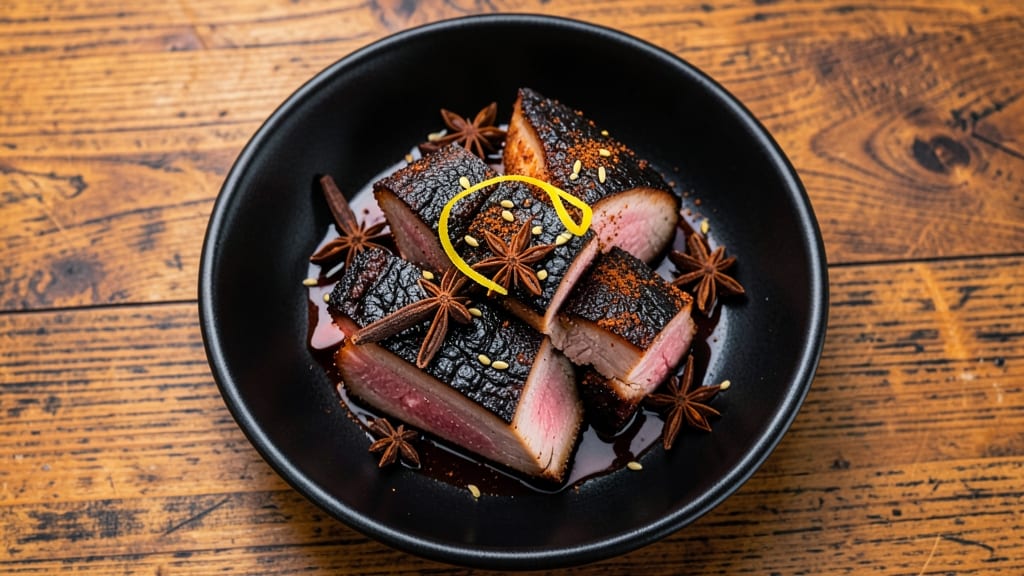
This black pork recipe delivers the perfect marriage of smoky, charred crust and tender, pink interior—just like the legendary Chinese street food. The secret lies in a bold five-spice marinade that transforms ordinary pork into something extraordinary.
I've perfected this technique after years of studying traditional methods and adapting them for home cooks, ensuring you get that signature blackened exterior without compromising tenderness.
The process starts with a marinade that blends star anise, cinnamon, cloves, and fennel seeds to create an aromatic crust, then finishes with a quick char over high heat. This isn't just about appearance—it's about building layers of flavor that make every bite unforgettable.
The key is controlling the heat to achieve that beautiful blackened crust while keeping the meat juicy inside.
What you'll end up with is a dish that's equally impressive served at family gatherings or special occasions. The charred exterior gives way to succulent, pink pork that practically melts in your mouth, all while that five-spice crust adds a complex aroma that fills your kitchen.
This recipe serves four, making it perfect for sharing.
Pair it with steamed jasmine rice and quick-pickled vegetables for a complete meal that balances textures and flavors. The blackened crust adds drama to the plate, while the tender pork delivers satisfaction in every bite. Let's get started on creating this restaurant-quality dish at home.
Ingredients for black pork
Five aromatic spices and a few pantry staples transform ordinary pork into restaurant-quality black pork.
| Ingredient | Amount | Notes |
|---|---|---|
| Pork Shoulder (Bone-In) 🐖 | 2 lb | Cut into 2-inch chunks, skin removed |
| Star Anise Pods 🌿 | 1 whole | Crushed lightly for aroma infusion |
| Ground Cinnamon 🌶️ | 1 ½ tbsp | Freshly ground preferred |
| Whole Cloves 🌿 | 6 whole | Lightly crushed for depth |
| Fennel Seeds 🌿 | 1 tbsp | Toasted for enhanced flavor |
| Soy Sauce 🥄 | ½ cup | High-quality, dark variety |
| Hoisin Sauce 🍶 | 2 tbsp | For authentic umami depth |
| Sesame Oil 🫒 | 1 tbsp | Toasted for nutty aroma |
| Brown Sugar 🍚 | 2 tbsp | Packed for precise measurement |
| Garlic Cloves 🧄 | 6 cloves | Minced for even distribution |
| Fresh Ginger 🌿 | 2 tbsp | Finely grated, juicy |
| Vegetable Oil 🫒 | ¼ cup | High smoke point preferred |
| Kosher Salt 🧂 | 1 ½ tsp | Diamond Crystal preferred |
| Black Peppercorns 🌶️ | 1 tsp | Freshly cracked for heat |
The pork shoulder is your canvas here—bone-in for flavor, 2-inch chunks for even cooking. Look for well-marbled cuts at Whole Foods or your local butcher shop, where they can trim the skin for you. The five-spice blend (star anise, cinnamon, cloves, fennel, and a pinch of black pepper) is non-negotiable—Penzeys has pre-mixed versions if you're short on time, but toasting the whole spices first amplifies their aroma. For the sauces, Lee Kum Kee hoisin and Kikkoman soy sauce are my go-tos, but any high-quality brands work. The brown sugar should be packed—don't scoop it loosely, or your marinade will be too dry.
No star anise? 1/2 tsp ground cinnamon + 1/4 tsp allspice mimics its warmth. Out of hoisin? 1 tbsp soy sauce + 1 tsp molasses gets you close. Fennel seeds hard to find? 1/2 tsp anise extract works in a pinch, though it lacks texture. The pork can be subbed with pork tenderloin (cut into strips), but it'll char faster—watch it like a hawk. For extra tenderness, marinate overnight, but even 2 hours makes a difference. The sesame oil should be toasted—heat it in a dry pan for 30 seconds until fragrant, then cool before using. And if you're feeling adventurous, add 1 tsp Chinese black vinegar to the marinade for that signature tang.
Marinate the pork in a sealed bag or container for at least 2 hours (overnight is ideal) in the fridge. The flavors meld beautifully, but don't skip this step—rushing leads to bland results. Once cooked, the blackened crust develops best when reheated—pop it in a 400°F oven for 10 minutes to crisp up the exterior. Store leftovers in an airtight container for 3-4 days in the fridge, or freeze for up to 3 months. Reheat gently with a splash of water or broth to keep it moist. Pro tip: Save the marinade—strain out the spices and reduce it by half for a quick glaze.
Why You'll Love This Recipe
- One-Pot Magic: I swear by this—just toss the bone-in pork shoulder into a pot with those whole spices (star anise, cloves, fennel seeds), a splash of soy, and let it slow-cook. No chopping, no fuss, and the spices do all the work while you sip coffee.
- Spice Bomb Flavor: That deep, smoky aroma from the cinnamon and star anise? It’s like a warm hug for your taste buds. The pork ends up fall-off-the-bone tender with a glossy, caramelized crust—honestly, I’ve had people ask if I spent hours marinating it.
- Weeknight & Holiday Hero: Slow-cooked pork shoulder is my go-to for lazy Sundays or when unexpected guests show up. Shred it for tacos, sandwiches, or even dumplings—it’s the star of every meal without trying too hard.
- Budget Stretch King: A bone-in pork shoulder costs less than half the price of pre-cut pork chops, and this method turns it into enough leftovers for three meals. Between us, I’ve fed my whole family for days with just one cut—no waste, all flavor.
Step-by-step instructions for smoky five-spice crusted pork shoulder
Here's how to transform tough pork into melt-in-your-mouth perfection with that signature five-spice crust.
Prepare the Pork and Spice Rub
Cut the 2 lb pork shoulder (bone-in) into 2-inch chunks, removing any remaining skin. Pat each piece dry with paper towels—this ensures a better crust later. In a small bowl, combine the 1 whole star anise pod (lightly crushed), 1.5 tbsp ground cinnamon, 6 whole cloves (lightly crushed), and 1 tbsp fennel seeds (toasted). This aromatic blend is the soul of your dish.
Toast the fennel seeds in a dry skillet over medium heat for 1-2 minutes until fragrant, then grind them lightly with a mortar and pestle or spice grinder. Mix this toasted spice blend with the 2 tbsp brown sugar, 1.5 tsp kosher salt, and 1 tsp cracked black peppercorns. Rub this mixture generously over every surface of the pork chunks, pressing it into the meat so it adheres well. Let the seasoned pork sit at room temperature for 30 minutes while you prepare the marinade.
Create the Sticky Marinade
In a large bowl, whisk together the 0.5 cup soy sauce, 2 tbsp hoisin sauce, 1 tbsp sesame oil, 6 cloves minced garlic, and 2 tbsp finely grated ginger. This marinade should be thick and syrupy—almost like a glaze. Taste it and adjust the seasoning if needed, adding a pinch more salt or sugar if required. The hoisin sauce adds depth, while the sesame oil brings that nutty aroma.
Add the seasoned pork chunks to the marinade, turning them to coat evenly. Cover the bowl and refrigerate for at least 4 hours, or overnight for maximum flavor penetration. The longer it marinates, the more tender and flavorful your pork will become. If you're short on time, a 4-hour marinade will still yield great results, but overnight is ideal.
Sear the Pork for Maximum Flavor
Heat the 0.25 cup vegetable oil in a large skillet over medium-high heat until shimmering. Working in batches (to avoid overcrowding), add the marinated pork and sear for 3-4 minutes per side until deeply golden brown. The oil should sizzle vigorously, and the pork should develop a caramelized crust. Don't rush this step—this is where the deep, smoky flavors develop.
As you sear, remove the pork and set it aside on a plate. Pour the excess marinade from the bowl into the skillet, scraping up any browned bits from the bottom. Let this simmer for 2-3 minutes to deepen the flavor. This pan sauce will later be used to baste the pork during cooking, ensuring it stays moist and flavorful.
Slow-Cook to Pink Tenderness
Preheat your oven to 325°F. Transfer the seared pork to a Dutch oven or oven-safe skillet, arranging the pieces in a single layer. Pour the reserved pan sauce over the pork, ensuring each piece is coated. Cover the Dutch oven tightly with a lid or foil.
Bake for 2.5 to 3 hours, turning the pork occasionally and basting with the accumulated juices every 30 minutes. The pork is done when it reaches an internal temperature of 203°F and the meat is fork-tender, pulling apart easily. If the sauce reduces too much, add a splash of water or broth to keep it moist. The result should be a deep mahogany crust with pink, tender meat beneath.
Rest and Serve with Confidence
Once the pork reaches the perfect internal temperature, remove it from the oven and let it rest for 15-20 minutes. This resting period allows the juices to redistribute, ensuring each bite is moist and flavorful. Tent the pork loosely with foil to keep it warm during this time.
Slice the pork against the grain into ½-inch thick pieces and serve immediately. The exterior should be crisp and aromatic, while the interior remains tender and juicy, infused with the smoky five-spice crust. Pair it with steamed jasmine rice or fresh stir-fried vegetables to complete the meal. The contrast of textures and flavors makes this dish truly unforgettable.
Pro Tips For Making Black Pork
- CRACK THE SPICE PODS: Star anise, cloves, and fennel seeds need a good whack with a mortar and pestle—or the flat side of a heavy knife—before tossing them in. I used to just toss them whole and wondered why the flavor felt muted. A quick 10-second smash releases the oils and makes the whole dish sing.
- SALT THE PORK TWICE: Generously salt the pork shoulder the night before, then give it another coat right before searing. The first salt breaks down the meat fibers, and the second lock in moisture during the high-heat start. Skip the second round, and you’ll end up with a drier cut.
- LOW AND SLOW AFTER SEARING: Once you’ve browned the pork, drop the heat to 275°F (135°C) and resist the urge to rush. I learned this the hard way—pushing it to 325°F (163°C) for speed gives you tough, stringy meat instead of tender, pull-apart perfection.
- BURNOFF THE SPICES FIRST: Toast the whole spices (star anise, cloves, fennel seeds) in a dry pan for 30 seconds until fragrant. This deepens their flavor and prevents bitterness later. I was skeptical until I tried it—now I never skip it.
Common mistakes when making your black pork
Overcrowding the Pan
I've seen too many cooks ruin a perfect black pork crust by overcrowding the pan during searing. When you pile too many pork chunks in the skillet, the temperature drops, and you end up with steamed pork instead of a beautiful caramelized crust.
Work in batches—2-3 pieces at a time—so each piece gets proper contact with the hot oil. This ensures that signature deep mahogany crust we're all chasing. 🔥
Skipping the Resting Time
One of the biggest mistakes I see is skipping the 15-20 minute rest after cooking. The pork continues cooking even after you remove it from the oven, and those precious juices need time to redistribute.
If you slice too soon, you'll end up with dry, stringy meat instead of the tender, juicy perfection we want. Trust me, those extra minutes make all the difference. ⏰
Using the Wrong Cut of Pork
Not all pork cuts are created equal for this dish. I recommend bone-in pork shoulder because the bone adds flavor and helps keep the meat moist during slow cooking.
Using leaner cuts like pork tenderloin will result in dry meat—it lacks the fat and connective tissue needed for that fall-apart tenderness. If you must use tenderloin, cut it into strips and cook it quickly over high heat. 🐖
Inconsistent Heat Control
The key to that perfect blackened crust is high, consistent heat during searing. If your heat fluctuates—whether from an uneven burner or frequent temperature checks—the crust won't develop evenly. Use a heavy-bottomed skillet (like my Lodge cast iron) and maintain medium-high heat throughout the searing process.
A good rule of thumb: the oil should shimmer but not smoke excessively. 🌡️
Neglecting the Marinade
Some cooks rush the marinating process, thinking it's optional. But that 4-24 hour marinade isn't just about flavor—it's about tenderizing the meat and allowing the five-spice blend to penetrate deeply. If you skip it or cut it too short, you'll end up with tough, flavorless pork.
Pro tip: Marinate overnight for maximum impact, but even 4 hours makes a noticeable difference. ⏳
Overlooking the Crust Development
Many home cooks focus so much on the slow cooking that they forget the crust needs to develop properly. That smoky, aromatic crust is what makes black pork special. After slow cooking, transfer the pork to a 400°F oven for 5-10 minutes to crisp up the exterior.
This final step transforms good pork into restaurant-quality black pork. Don't skip it! 💫
Nutrition facts
Frequently asked questions
What makes this black pork recipe different from regular pork dishes?
The signature difference lies in the five-spice marinade and the charred crust achieved through high-heat searing. Unlike traditional pork dishes, this recipe combines star anise, cinnamon, cloves, and fennel seeds to create an aromatic crust that's both visually striking and deeply flavorful. The slow cooking process ensures tender, pink meat beneath that smoky exterior.
Can I use pork tenderloin instead of pork shoulder?
You can substitute pork tenderloin, but it requires adjustments. Cut it into 1-inch thick strips and reduce cooking time to 15-20 minutes at 375°F—leaner cuts like tenderloin don't benefit from long slow cooking. For best results, marinate for at least 4 hours and sear quickly over high heat to develop that signature crust.
How do I achieve the perfect blackened crust without burning the pork?
The secret is high, consistent heat and proper timing. Sear the pork in small batches over medium-high heat for 3-4 minutes per side until deeply browned but not charred. After slow cooking, finish with 5-10 minutes at 400°F to crisp the crust. Use a meat thermometer to ensure internal temp stays at 203°F.
What are the best side dishes to serve with black pork?
This dish pairs beautifully with steamed jasmine rice and quick-pickled vegetables (like cucumbers or carrots) to balance the richness. For extra contrast, try stir-fried bok choy or sautéed garlic green beans. In the Southeast, we often serve it with cornbread or buttery mashed potatoes for a hearty meal.
Can I make this recipe ahead of time?
Cook the pork up to 2 days in advance and store it in an airtight container in the fridge. Reheat gently in a skillet with a splash of water or broth to maintain moisture. For the crust, finish with 5 minutes at 400°F before serving to restore that crispy texture.