
Main Courses
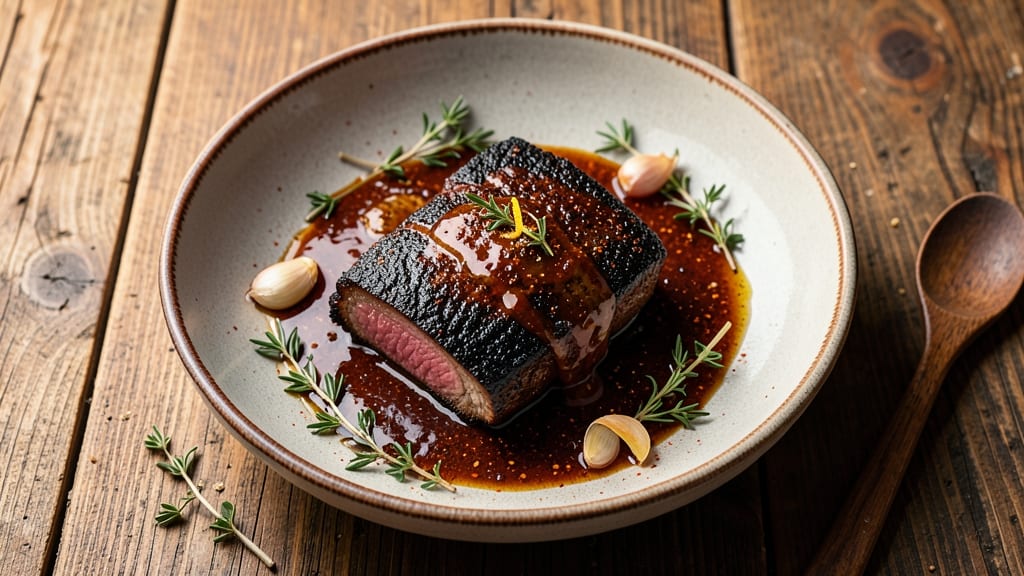
This blackened pork recipe delivers the perfect balance of smoky char and tender pink centers—exactly what makes Cajun cuisine unforgettable. I've perfected this technique over years of cooking in cast-iron skillets, where high heat transforms simple seasoning into a flavor-packed crust.
The key lies in the 450°F sear that creates that signature blackened crust while keeping the interior juicy and perfectly cooked.
The secret weapon is a well-balanced Cajun spice blend—paprika, cayenne, garlic, and thyme—that clings to the pork like armor, creating layers of flavor with every bite. I use thick-cut pork chops because they hold up to the intense heat while staying tender inside.
This isn't just about the heat; it's about timing and technique that turns a simple pork cut into something restaurant-worthy.
What you'll end up with is pork that's crispy on the outside, juicy on the inside, and packed with that signature Cajun kick that lingers on your palate. The blackened crust gives way to tender, pink meat that practically melts in your mouth.
This is the kind of dish that makes weeknight dinners feel like a celebration—bold, flavorful, and impossible to resist.
Serve it with creamy mashed potatoes or grilled vegetables to balance the heat, and you've got a complete meal that's sure to impress. The best part? This technique works for pork chops, tenderloin, or even ribs—just adjust the cooking time. Let's get cooking!
Ingredients for blackened pork
Thick-cut pork chops and bold Cajun spices create this unforgettable blackened crust recipe.
| Ingredient | Amount | Notes |
|---|---|---|
| Thick-Cut Pork Chops 🥩 | 1 ½ lb | Bone-in, 1-inch thick preferred |
| Smoked Paprika 🌶️ | 2 tbsp | High-quality for smoky depth |
| Garlic Powder 🧄 | 1 tbsp | Freshly ground preferred |
| Ground Cayenne Pepper 🌶️ | 1 tbsp | Adjust for heat preference |
| Dried Thyme 🌿 | 1 tbsp | Or 1 tbsp fresh thyme leaves |
| Onion Powder 🧅 | 1 tbsp | For subtle sweetness |
| Kosher Salt 🧂 | 1 ½ tbsp | Diamond Crystal preferred |
| Ground Black Pepper 🌶️ | 1 tbsp | Freshly cracked for bite |
| Extra-Virgin Olive Oil 🫒 | ½ cup | High smoke point preferred |
| Fresh Garlic Cloves 🧄 | 6 cloves | Minced for marinade |
| Lemon Juice 🍋 | 2 tbsp | Freshly squeezed |
| Vegetable Oil 🫒 | ¼ cup | For high-heat searing |
| Butter 🧈 | 2 tbsp | Unsalted, for basting |
The pork chops make all the difference here—bone-in, 1-inch thick cuts hold up to the high heat while staying juicy inside. I grab mine from Whole Foods or the butcher counter at Costco because they're consistently high-quality. Look for good marbling and even thickness. If you can't find bone-in, boneless chops work too, but they'll cook faster. The spices? Penzeys or bulk bins at natural grocery stores have the best quality—just make sure your paprika is labeled 'smoked' for that authentic Cajun flavor.
No smoked paprika? Substitute 1 tbsp regular paprika plus 1/2 tsp liquid smoke—it's a game-changer. Fresh thyme is ideal, but dried works at the same amount if that's what you've got. The cayenne can be adjusted—start with 1 tbsp and add more if you love heat. For the marinade, I always use fresh garlic and lemon juice because they brighten up the bold spices. No fresh garlic? Garlic powder works, but reduce to 1 tsp. And trust me on the butter—unsalted, room temperature bastes beautifully over the hot pork.
Pork chops keep best in the fridge for 2 days if you prep ahead—just pat them dry before seasoning. The spices stay potent for 6 months in a sealed container. I like to make a double batch of the spice mix and store it in a glass jar in my spice drawer. For leftovers, reheat in a skillet over medium heat with a splash of water—3-4 minutes per side until warmed through. The blackened crust won't be as dramatic, but the flavor stays amazing.
Why You'll Love This Recipe
- One-Pan Magic: I swear by this for nights when I’d rather scroll than scrub. Just slather those pork chops with the spice mix—smoked paprika, cayenne, thyme—and let the cast iron do the work. No extra bowls, no mess, just crispy edges and juicy centers.
- Smoky Kick: That first bite? Pure satisfaction. The smoked paprika gives it this deep, earthy warmth, while the cayenne adds just enough heat to make it feel special—not too spicy, but enough to wake up your taste buds. Honestly, it’s the kind of flavor that makes you reach for seconds without thinking.
- Weeknight to Dinner Party: Same recipe, different vibes. Toss it on the grill for summer BBQs or sear it in the pan for a fussy-free family dinner. Even my picky teenage nephew asks for it—(yes, even on a Tuesday night). The spices keep it interesting enough for company but simple enough for a lazy night in.
- Budget-Friendly Protein: Thick-cut pork chops stretch further than you’d think, especially when you’re blackening them—those crispy edges make every bite feel premium. I’ve fed four people for under $12 with this, and the leftovers reheat like a dream. Not the prettiest, but the taste makes up for it every time.
Step-by-step instructions for blackened pork recipe
Here's how to achieve that perfect blackened crust while keeping the pork juicy and tender inside.
Create the Cajun Spice Rub
In a small bowl, combine all the dry spices: the 2 tbsp smoked paprika, 1 tbsp garlic powder, 1 tbsp ground cayenne pepper, 1 tbsp dried thyme, 1 tbsp onion powder, 1.5 tbsp kosher salt, and 1 tbsp ground black pepper. I like to use my fingers to break up any clumps in the spices, ensuring an even distribution. This blend is what gives the pork its signature deep, smoky flavor with a kick of heat.
Add the 6 minced fresh garlic cloves and 2 tbsp lemon juice to the spice mixture. The acidity from the lemon juice helps tenderize the pork slightly while adding brightness to the crust. Mix everything together until the garlic is evenly distributed throughout the dry rub. This marinade-like mixture will cling beautifully to the pork chops, creating that iconic blackened crust.
Coat the Pork Chops Thoroughly
Pat the 1.5 lb thick-cut pork chops dry with paper towels—this is crucial for getting that crispy crust. Moisture on the surface can prevent the spices from sticking properly. Place the chops on a plate and generously coat both sides with the spice mixture, pressing it firmly into the meat. I like to use my hands for this step to ensure even coverage.
Let the seasoned chops sit at room temperature for 15-20 minutes while you prepare your cooking setup. This brief resting period allows the spices to adhere better and ensures more even cooking. Don't skip this step—it makes a noticeable difference in flavor penetration and crust formation.
Heat the Oils for the Perfect Sear
In a large cast-iron skillet, combine 0.5 cup extra-virgin olive oil and 0.25 cup vegetable oil. Heat the skillet over medium-high heat until the oil shimmers but isn't smoking—this should take about 3-4 minutes. The high smoke point of the vegetable oil combined with the rich flavor of the olive oil creates the ideal cooking environment for that signature blackened crust.
Real talk: This is where the magic happens. You want the oil hot enough to create that dramatic crust but not so hot that it burns the spices before they can adhere. When the oil is properly heated, you'll see tiny bubbles forming around the edges of the skillet—this is your signal that it's ready for the pork.
Sear the Pork for Maximum Flavor
Carefully place the seasoned pork chops in the hot skillet, being careful not to crowd the pan. Cook for 3-4 minutes per side, pressing down gently with a spatula during the first minute to ensure even contact with the hot oil. You'll know it's working when you see that beautiful dark crust forming on the surface—this is what gives blackened pork its name.
During the last minute of cooking, add the 2 tbsp butter to the pan. The butter will foam and bubble, basting the pork with rich, flavorful fat. This step adds an extra layer of richness to the crust while helping to prevent the meat from drying out. The pork is done when it reaches an internal temperature of 140-145°F—it should be juicy pink on the inside with that perfect blackened crust on the outside.
Rest and Serve with Confidence
Transfer the cooked pork chops to a cutting board and let them rest for 5-10 minutes before serving. This resting period is crucial—it allows the juices to redistribute throughout the meat, ensuring each bite is as moist as the first. Tent the chops loosely with foil to keep them warm during this time.
Slice the pork chops against the grain for maximum tenderness and serve immediately. The contrast between the smoky, spicy crust and the juicy pink interior is what makes this dish so special. Pair with your favorite sides like roasted potatoes or a fresh green salad to complete the meal. The acidity from the lemon juice in the rub also makes this pork chop perfect for serving with a bright, tangy sauce if you're feeling fancy.
Pro Tips For Making Blackened Pork
- CRANK THE HEAT—THEN DROP IT: I learned this the hard way—blackened pork needs a screaming-hot cast-iron or skillet (450°F+ if your stove can handle it) to get that crust in the first 30 seconds. Once the edges darken, turn the heat to medium-low and let it cook through; otherwise, you’ll end up with charred outside and raw inside.
- PAT DRY THOSE CHOPS: Moisture is the enemy of that perfect crust. Use paper towels to wipe down the pork chops before seasoning—even if they’re fresh from the fridge. I skip this, and the spices just slide off, leaving me with bland, soggy pork.
- SKIP THE CAYENNE BLEND UNTIL LAST: Ground cayenne is volatile—it burns easily and can turn your dish bitter if added too early. Mix it with the smoked paprika and garlic powder right before coating the chops, then press it on firmly. This keeps the heat sharp and the flavors balanced.
- REST UNDER FOIL—5 MINUTES: Your future self will scream if you skip this. After searing, tent the chops with foil and let them rest while you finish the pan sauce. The residual heat keeps them juicy, and the crust stays intact. I know, I know—you want to eat it now—but wait.
Common mistakes when making perfect results
Overcrowding the Pan
This is the #1 mistake I see—packing too many chops into the skillet at once. When you crowd the pan, the temperature drops dramatically, causing the pork to steam instead of sear. The result? A soggy crust instead of that perfect blackened exterior.
I always cook my 1.5 lb pork chops in batches of 2, even if it means two trips to the skillet. Trust me, the extra 30 seconds waiting for the pan to reheat is worth it for that restaurant-quality crust. 🔥
Skipping the Resting Time
I can't stress this enough—rushing the 5-10 minute rest after cooking is a fast track to dry, stringy pork. When you cut into pork immediately, all those precious juices spill out onto your plate instead of staying inside where they belong.
I remember my first attempt at blackened pork—I sliced into it right away and was left with meat that tasted more like shoe leather than anything edible. Give it time, and you'll be rewarded with juicy, tender bites every time.
Using the Wrong Oil
Not all oils are created equal when it comes to blackening. Using olive oil alone can cause the spices to burn before they adhere to the meat, while using only vegetable oil might not give enough flavor.
The perfect combo is 0.5 cup extra-virgin olive oil (for flavor) plus 0.25 cup vegetable oil (for high heat). I've tried this technique with my Lodge cast iron skillet, and it makes all the difference in achieving that perfect balance of heat and flavor.
Don't cut corners here—your crust will thank you.
Uneven Spice Coating
When the spices don't stick evenly, you end up with some areas that are bland and others that are overwhelmingly spicy. The key is to pat the pork chops completely dry first, then use your hands to press the spice mixture firmly into every nook and cranny.
I like to make sure the edges get just as much attention as the center—this is where most people miss the mark. Pro tip: Let the seasoned chops sit at room temperature for 15-20 minutes before cooking. This helps the spices adhere better and ensures more even flavor distribution.
Cooking at Too Low Heat
Blackened pork isn't about gentle cooking—it's about high heat and quick searing. If your skillet isn't hot enough, you'll end up with pork that's more browned than blackened, and the spices won't develop that deep, smoky flavor.
You want to see tiny bubbles forming around the edges of the skillet before adding the pork. I like to test the heat by flicking a drop of water onto the pan—if it sizzles and evaporates instantly, it's ready. Too low heat means a missed opportunity for that signature crust.
Ignoring the Butter Baste
Adding butter in the last minute of cooking isn't just about flavor—it's about moisture. The butter bastes the pork, adding richness and helping to prevent the meat from drying out during that intense sear.
I always use 2 tbsp unsalted butter because it melts beautifully and doesn't add extra saltiness that could overpower the delicate balance of flavors. This final step is what elevates blackened pork from good to absolutely unforgettable. Don't skip it—your taste buds will notice the difference immediately.
Nutrition facts
Frequently asked questions
What type of pork works best for this blackened recipe?
Thick-cut, bone-in pork chops (1-inch thick) are ideal—they hold up to high heat while staying juicy inside. For variety, you can also use pork tenderloin (cut into 1.5-inch thick pieces) or even pork ribs. Just adjust cooking time to 4-5 minutes per side for tenderloin and 6-8 minutes per side for ribs.
Can I make this recipe ahead of time?
Yes! Season the pork chops up to 24 hours ahead and refrigerate uncovered (on a wire rack) to keep them dry. Cook fresh for the best crust, but you can reheat leftovers in a skillet with a splash of water for 3-4 minutes per side until warmed through. The crust won't be as dramatic, but the flavor stays amazing.
How do I adjust the heat level?
Reduce cayenne by ½ tsp for mild, or add ½ tsp more for extra heat. For a smoky kick without heat, swap cayenne for 1 tbsp smoked paprika plus ½ tsp liquid smoke. Always taste your spice blend before applying—adjust gradually to avoid overwhelming the pork's natural flavor.
What's the best way to serve this dish?
Pair with creamy sides like garlic mashed potatoes or buttery corn to balance the heat. A bright green salad with lemon vinaigrette cuts through the richness, while grilled vegetables add freshness. For extra flavor, serve with a simple remoulade sauce—just mix mayo with lemon juice, capers, and a pinch of smoked paprika.
Why does my crust keep burning before it blackens?
This happens when the oil is too hot or the spices aren't evenly distributed. Lower heat to medium-high (not high) and test with a drop of water—it should sizzle but not smoke. Also, make sure your spice mix is well-combined and pressed firmly into the meat before cooking. A Lodge cast-iron skillet distributes heat perfectly for this technique.