
Main Courses
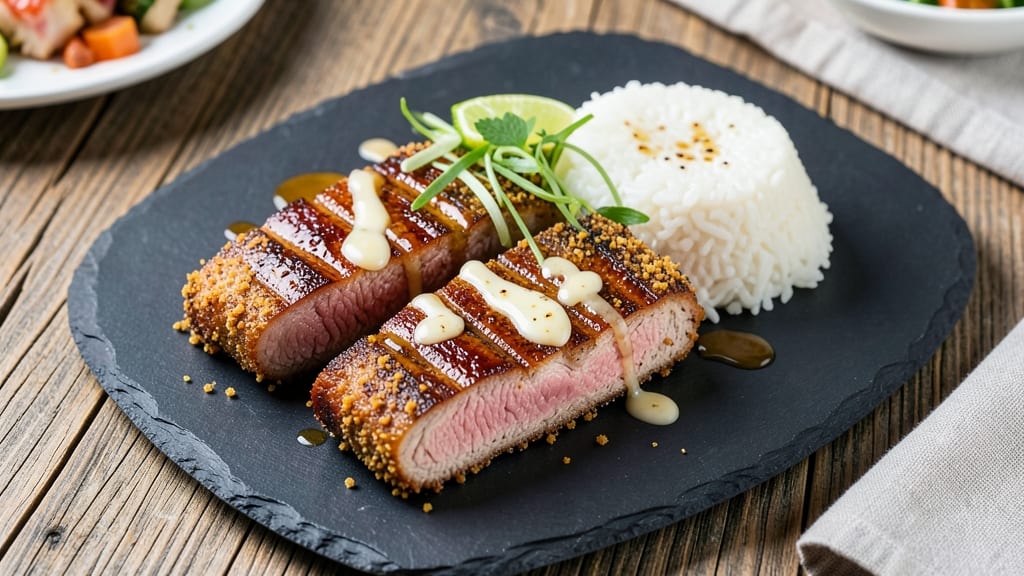
This blade pork chops recipe transforms simple cuts into a masterpiece with a fragrant five-spice crust and tamarind glaze. Growing up in Georgia, I learned pork deserves this kind of attention—where every bite delivers smoky warmth and bright acidity.
The secret lies in proper trimming and a two-step cooking process that guarantees juicy centers and caramelized edges.
What sets this recipe apart is the balance between traditional technique and modern flavor—pan-searing for crispiness, then finishing in the oven for even doneness.
We'll use bone-in blade chops for maximum flavor, seasoned with a blend of spices that creates an aromatic crust while the tamarind glaze adds that signature Southeast tang. This method ensures perfect results every time, with an internal temperature of 145°F.
The result is pork chops that look stunning on any plate—golden crust contrasting with tender meat—and a sauce that glistens with every bite. The five-spice crust adds depth while the tamarind glaze brings brightness, creating a harmony that's both comforting and sophisticated.
These chops pair beautifully with roasted potatoes or a crisp green salad, making them versatile enough for weeknight dinners or special occasions.
With just a few key ingredients and precise technique, you'll achieve restaurant-quality blade pork chops at home. The process is straightforward but yields impressive results that will impress even the most discerning guests. Let's get started on creating this showstopping dish that celebrates pork in its finest form.
Ingredients for blade pork chops
Four bone-in blade chops and a handful of aromatic ingredients elevate simple pork to restaurant-worthy perfection.
| Ingredient | Amount | Notes |
|---|---|---|
| Bone-In Blade Pork Chops 🥩 | 4 whole | 1-inch thick, trimmed of excess fat |
| All-Purpose Flour 🌾 | ½ cup | For dredging, fine texture preferred |
| Five-Spice Powder 🌶️ | 2 tsp | Homemade blend or store-bought |
| Kosher Salt 🧂 | 1 ½ tsp | Diamond Crystal preferred for precision |
| Ground Black Pepper 🌶️ | ½ tsp | Freshly cracked for maximum flavor |
| Unsalted Butter 🧈 | 4 tbsp | Cold, cut into small cubes |
| Tamarind Paste 🍯 | ¼ cup | High-quality, unsweetened preferred |
| Honey 🍯 | 1 tbsp | Wildflower for depth of flavor |
| Low-Sodium Soy Sauce 🥢 | 2 tbsp | For umami balance |
| Garlic Cloves 🧄 | 4 cloves | Minced, for glaze base |
| Fresh Ginger 🌿 | 1 tbsp | Grated, for aromatic depth |
| Vegetable Oil 🫒 | 2 tbsp | High smoke point for searing |
| Shallots 🧅 | 2 whole | Thinly sliced, for glaze |
| Fresh Thyme Leaves 🌿 | ¼ cup | For finishing, stems removed |
The pork chops are the star, so source them carefully. Local butchers often carry blade cuts with the perfect marbling—look for pieces with a good balance of fat and lean. If buying from a grocery store, Kroger's or Whole Foods typically carry well-trimmed blade chops, but always check for even thickness. Trim any excess fat to prevent flare-ups during searing, but leave a thin layer on the bone for flavor. The five-spice powder should be a blend of star anise, cinnamon, cloves, fennel, and Szechuan pepper—Penzeys Spices carries an excellent pre-mixed version if you don't want to blend your own.
No five-spice blend? Substitute 1 tsp each of cinnamon, ginger, and cloves for a similar warmth. Tamarind paste can be tricky to find—Asian markets or specialty grocery stores usually stock it. If unavailable, 1 tbsp lime juice plus 1 tsp brown sugar mimics the tangy brightness. For the glaze, shallots add sweetness while the thyme leaves contribute herbal notes—don't skip them, as they tie all the flavors together. The butter should be cold when cutting it into cubes; this ensures proper crust formation during searing. If you're short on time, use ghee instead—it has a higher smoke point and similar richness.
Prep ahead for perfect execution. Trim the pork chops and pat them dry with paper towels—this ensures maximum browning. The glaze ingredients can be mixed in advance and stored in the fridge for up to 3 days. For best results, bring the glaze to a simmer before using it to finish the chops. Leftover glaze keeps well in an airtight container for 5 days and can be reheated gently. Store cooked chops in the fridge for 3 days, but they're best served immediately for peak tenderness. Reheat in a skillet over medium heat for 2-3 minutes per side to maintain crispness.
Why You'll Love This Recipe
- Five-Spice Magic: I’ll be real—this five-spice powder isn’t just a trend; it’s the secret weapon. Warm, earthy, and just slightly sweet, it transforms simple bone-in chops into something that tastes like it belongs in a restaurant. The flour crust clings perfectly, so every bite delivers that aromatic punch without falling apart.
- One-Pan, Zero Stress: Between us, I’ve ruined more pork chops than I’ll admit. But this? One sheet pan, a quick dredge in flour, and a sear—no flipping, no fussing. The bone stays intact, the meat stays juicy, and I’m not scrubbing three pots afterward. Honestly, it’s the kind of recipe that makes me want to cook more often.
- Budget Meal Hero: Blade chops are cheaper than loin cuts, and this method stretches them further. Double the batch, store the leftovers in the fridge, and reheat them in a skillet for breakfast hash the next day. (Yes, even on a Tuesday night.) My wallet and my family thank me every time.
- Weeknight Crowd-Pleaser: Game nights, last-minute dinner guests, or just a night when you’re too tired to overthink—this delivers. The five-spice blend feels special, but the prep is so low-effort that even my picky teenager doesn’t complain. Not the prettiest dish, but the taste makes up for it every time.
Step-by-step instructions for blade pork chops with five-spice crust
Master this technique and you'll achieve perfectly balanced crust and glaze every time.
Prepare the Five-Spice Crust
In a shallow dish, combine the 0.5 cup all-purpose flour, 2 teaspoons five-spice powder, 1.5 teaspoons kosher salt, and 0.5 teaspoon ground black pepper. Whisk until the spices are evenly distributed through the flour. This blend creates the aromatic crust that will encase your pork chops.
The five-spice powder brings warmth and complexity to the crust. I like to use a fine-texture flour here—it creates a lighter, more delicate coating that won't weigh down the meat. Keep this mixture ready in your prep area for quick dredging.
Sear the Pork Chops to Develop Flavor
Pat the 4 whole bone-in blade pork chops completely dry with paper towels—this ensures maximum browning. Heat 2 tablespoons vegetable oil in a large skillet over medium-high heat until shimmering. Working in batches if needed, sear the chops for 3-4 minutes per side until deeply golden brown.
Don't rush this step—the deep color indicates proper Maillard reaction, which builds flavor. The chops should release easily from the pan when ready. Transfer them to a plate and tent loosely with foil to keep warm while you prepare the glaze.
Create the Tamarind Glaze
In the same skillet (no need to clean it—the browned bits add depth), melt the 4 tablespoons unsalted butter over medium heat. Add the 2 whole shallots and cook for 2 minutes until softened. Stir in the 4 cloves minced garlic and 1 tablespoon grated fresh ginger, cooking for 30 seconds until fragrant.
Pour in the 0.25 cup tamarind paste, 1 tablespoon honey, and 2 tablespoons low-sodium soy sauce. Simmer for 3-4 minutes until the mixture thickens slightly and coats the back of a spoon. This glaze should have a rich, slightly sticky consistency—it will caramelize beautifully on the chops.
Coat and Glaze the Pork Chops
Return the seared chops to the skillet and spoon the glaze evenly over each piece. Sprinkle the 0.25 cup fresh thyme leaves over the top. Reduce heat to medium-low and cook for 2-3 minutes per side, basting frequently with the pan juices, until the glaze caramelizes and the internal temperature reaches 145°F on a meat thermometer.
The thyme adds a bright, herbal note that cuts through the richness of the glaze. Watch carefully—the glaze should be glossy and sticky but not burned. If it thickens too quickly, add 1 teaspoon water to loosen it slightly.
Rest and Serve for Optimal Texture
Transfer the chops to a warm serving platter and let them rest for 5 minutes before serving. This resting period allows the juices to redistribute, ensuring each bite is moist and flavorful. The crust should remain crisp, while the glaze stays glossy and slightly sticky.
Serve immediately with steamed greens or roasted vegetables to complement the rich, complex flavors. The contrast of textures—crisp crust, caramelized glaze, and tender meat—makes this dish truly memorable.
Pro Tips For Making Blade Pork Chops
- Pat the chops dry: Blade chops are thick and fatty—wet surfaces steam instead of sear. Grab paper towels and really press down on both sides, especially near the bone. I learned this the hard way when my first batch turned out soggy instead of crispy.
- Use a mix of dry and wet heat: Start in a screaming-hot skillet with oil until deep brown (3-4 minutes per side), then transfer to a 350°F oven for 8-10 minutes. The high heat locks in flavor, while the oven finishes them evenly. Skipping the oven step? You’ll end up with uneven doneness—trust me.
- Season the flour, not just the meat: Toss the flour with five-spice powder, salt, and pepper before dredging. This ensures every bite has flavor, not just the crust. I used to just sprinkle seasoning after dredging, and the inside tasted bland—now I mix it in like a dry rub.
- Let them rest—no excuses: Pull them from the pan and tent with foil for 5-10 minutes. The juices redistribute, and cutting too soon means a greasy mess. I know, I know—you’re hungry—but rushing this step ruins everything. Your future self will thank you.
Best sauces and condiments for these flavors
Tamarind Glaze Perfection
The tamarind glaze is the star of this dish—its tangy brightness cuts through the rich pork beautifully. I recommend using high-quality unsweetened tamarind paste (like Mae Ploy from Asian markets) for the best flavor.
Simmer it with honey and soy sauce until it thickens to a glossy consistency—this ensures it caramelizes perfectly on the chops. 🍯
For extra depth, I sometimes add a pinch of chili flakes to the glaze while simmering—just ¼ teaspoon—to give it a subtle kick. If you prefer a sweeter glaze, increase the honey to 2 tablespoons and reduce the tamarind slightly.
The key is balancing the acidity and sweetness so the glaze complements, not overpowers, the meat.
Butter-Basted Richness
The 4 tablespoons cold butter used in the glaze creates a luxurious finish that elevates the dish. I cut it into small cubes so it melts evenly without burning. If you're watching fat content, substitute ghee—it has the same rich flavor with a higher smoke point. 🧈
Don’t skip the shallots and garlic in the glaze base—they add sweetness and complexity that rounds out the tamarind’s tang. For extra aroma, I like to toast the shallots for 1 minute before adding the garlic to deepen their flavor.
This step takes just a few minutes but makes a noticeable difference.
Herb Finishing Touches
The ¼ cup fresh thyme leaves sprinkled on top at the end add a bright, herbal note that cuts through the richness. I prefer fresh thyme over dried because it retains its delicate flavor. If you don’t have thyme, rosemary works beautifully too—just use 2 sprigs, finely chopped. 🌿
For a garnish that ties everything together, I drizzle a little extra glaze over the top before serving. This adds visual appeal and ensures every bite gets that glossy, sticky finish. A sprinkle of flaky sea salt (like Maldon) just before serving enhances the flavors even more.
Make-Ahead Glaze Tip
Make the glaze up to 3 days ahead and store it in an airtight container in the fridge. When ready to use, reheat it gently over low heat until it reaches a simmer—this helps it thicken properly again.
The glaze keeps well for 5 days this way, making it perfect for meal prep. 💡
If you have leftover glaze after cooking, store it in the fridge for up to 1 week. It’s fantastic drizzled over grilled chicken, seared scallops, or even toasted bread for a quick appetizer. The versatility of this glaze makes it worth making extra!
Nutrition facts
Frequently asked questions
What's the difference between blade chops and regular pork chops?
Blade chops come from the shoulder area and have more connective tissue, creating a richer flavor when cooked properly. Unlike tenderloin or loin chops, they're more forgiving for slow cooking or braising. The bone-in version we use here adds extra depth—just trim excess fat to avoid flare-ups during searing.
Can I substitute bone-in for boneless blade chops?
Yes, but expect slightly different results. Boneless chops will cook faster (about 2-3 minutes per side total) and may lose some juiciness without the bone's moisture retention. For best texture, use 1-inch thick boneless chops and reduce the searing time to 2 minutes per side before glazing. The five-spice crust still works beautifully!
How do I know when the chops are fully cooked?
Use a meat thermometer to check for 145°F internal temperature in the thickest part of the chop. The crust should be golden and crisp, while the meat should pull away from the bone slightly. For extra assurance, cut into one chop—the center should be juicy but opaque, not pink. Never rely on color alone!
What if my glaze turns out too thick or too thin?
If too thick, add 1 teaspoon water at a time while simmering to loosen it. For runny glaze, cook uncovered for 1-2 extra minutes to reduce. The perfect consistency should coat the back of a spoon but still glide smoothly. Pro tip: Keep a small bowl of water nearby to adjust as needed during cooking.
Can I make these chops ahead of time?
Cooked chops reheat best in a skillet over medium heat for 2-3 minutes per side to maintain crispness. Store them in an airtight container in the fridge for 3 days. For make-ahead prep, complete the glaze (without adding fresh thyme) and refrigerate separately—reheat it gently before finishing the chops. The flavors actually improve overnight!