
Main Courses
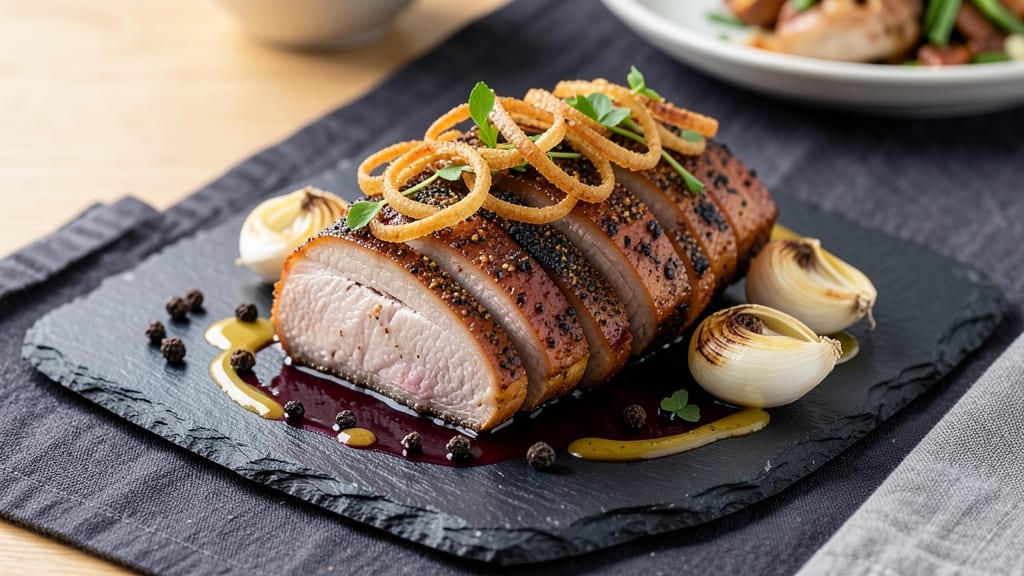
Bobby Flay's pork shoulder recipe delivers that perfect balance of crispy, spice-rubbed crust and fall-apart-tender meat—the kind of dish that makes your kitchen smell like a Southern BBQ joint. 🔥 After years of perfecting this technique, I can tell you the secret lies in the slow cook and that bold, aromatic rub that transforms tough pork into melt-in-your-mouth perfection.
This isn't just another pork shoulder recipe; it's a showstopper that'll have everyone asking for seconds.
The process starts with a dry brine that locks in moisture, followed by a high-heat sear to lock in those flavors. Then, it's all about patience—slow-cooking until the meat is so tender it practically falls apart at the touch.
Bobby Flay’s signature style shines through in the spice rub, a mix of smoked paprika, brown sugar, and cayenne that creates a crust so crispy it’ll make you want to eat it with a knife and fork.
The key is letting the pork rest before slicing—this is where the magic happens.
By the time you're done, you'll have juicy, flavorful pork shoulder with a crust so crisp it could stand up on its own. The meat will be so tender it practically dissolves in your mouth, and the aroma will have everyone in the house gathering around the table.
This is the kind of dish that turns a simple weeknight dinner into a memorable feast—no fancy ingredients, just bold flavors and a technique that delivers restaurant-quality results at home.
Serve it with classic sides like creamy coleslaw, roasted sweet potatoes, or buttery cornbread to round out the meal. The pork's rich, smoky flavors pair perfectly with a tangy BBQ sauce or a simple apple cider glaze for dipping.
Whether you're feeding a crowd or treating yourself to a special meal, this recipe is a game-changer that'll make you the star of the dinner table.
Ingredients for bobby flay pork shoulder
Six ingredients for the dry rub. Four for the moist braise. That's all you need for Bobby Flay's showstopper pork shoulder.
| Ingredient | Amount | Notes |
|---|---|---|
| Boneless Pork Shoulder 🍖 | 5 lb | Bone-in preferred for flavor |
| Kosher Salt 🧂 | 1 tbsp | Diamond Crystal preferred |
| Black Peppercorns 🌶️ | 1 tbsp | Freshly cracked for intensity |
| Smoked Paprika 🌶️ | 2 tbsp | High-quality for smoky flavor |
| Brown Sugar 🍚 | 2 tbsp | Light or dark variety |
| Garlic Powder 🧄 | 1 tbsp | Freshly ground preferred |
| Onion Powder 🧅 | 1 tbsp | For depth of flavor |
| Cayenne Pepper 🔥 | ½ tsp | Adjust for heat preference |
| Olive Oil 🫒 | ¼ cup | Extra-virgin for searing |
| Apple Cider Vinegar 🍎 | 1 tbsp | For dry brine |
| Yellow Onion 🧅 | 1 whole | Thinly sliced for garnish |
| Fresh Rosemary 🌿 | ¼ cup | Chopped, for aroma |
| Fresh Thyme 🌿 | ¼ cup | Chopped, for brightness |
| Apple Cider 🍎 | 1 cup | For braising liquid |
The pork shoulder is non-negotiable here—bone-in is ideal, but boneless works too. Costco or Whole Foods usually have the best cuts, but any grocery store's butcher section will do. Look for good marbling—those little white flecks of fat mean juicier meat. If you're buying a whole shoulder, trim off any excess fat, but leave some for flavor. The 5-pound cut is perfect for a crowd, and it's the size Bobby Flay uses in his restaurants. Trust me, the extra effort to find the right cut makes all the difference.
No smoked paprika? Regular paprika plus a pinch of liquid smoke gets you close. Fresh rosemary and thyme are ideal, but dried works at one-third the amount. Short on apple cider vinegar? Lemon juice or white vinegar works in a pinch. The brown sugar can be swapped for white, but it won't caramelize as nicely. For the olive oil, any extra-virgin brand is fine—just avoid the cheap stuff that smells like soap. And if you're worried about the heat level, skip the cayenne entirely or use half the amount.
This pork is a make-ahead masterpiece. Prep the dry rub and brine the night before—it keeps in the fridge for 2 days. The seared pork can sit overnight before slow-cooking, but don't skip the resting time after cooking. Let it rest for at least 30 minutes before slicing—this is where the magic happens. Leftover pork? It reheats beautifully, but honestly, it's even better the next day. Store it in the fridge for 4 days or freeze for 3 months. I always make extra—it disappears fast.
Why You'll Love This Recipe
- Five-Ingredient Magic: I swear, the combo of smoked paprika, brown sugar, and a crack of black pepper is all you need. No fancy spice blends or obscure ingredients—just pantry staples that punch way above their weight.
- Crispy-Caramel Perfection: That brown sugar crust? It’s the star. The outside gets a deep, smoky glaze while the inside stays tender—like biting into a perfectly balanced sweet-and-salty hug.
- Game for Any Meal: Slap it on sandwiches, dice it into tacos, or serve it with mashed potatoes. Honestly, I’ve eaten it cold straight from the fridge, and it’s still ridiculous good.
- Budget-Friendly Feast: A single pork shoulder feeds my whole family for days. Between us, this is how I stretch my grocery budget without sacrificing flavor—leftovers taste just as amazing reheated.
Step-by-step instructions for Bobby Flay's pork shoulder
Here's how to nail that perfect spice-rubbed crust with a melt-in-your-mouth center.
👨🍳 Step 1: Build the Dry Rub and Prep the Pork
In a medium bowl, combine the 1 tbsp kosher salt, 1 tbsp freshly cracked black peppercorns, 2 tbsp smoked paprika, 2 tbsp brown sugar, 1 tbsp garlic powder, 1 tbsp onion powder, and 0.5 tsp cayenne pepper. Mix until the spices are evenly distributed and the sugar starts to dissolve slightly from the salt.
Pat the 5 lb boneless pork shoulder completely dry with paper towels—this is crucial for that crispy crust. I like to work in sections, pressing firmly to remove all moisture. Then generously coat the entire surface with the spice mixture, pressing it into the meat so it sticks. The rub should look thick and well-adhered, not just sprinkled on top.
🔥 Step 2: Sear for Maximum Flavor and Crust
Heat 0.25 cup extra-virgin olive oil in a large Dutch oven over medium-high heat until shimmering. Place the pork shoulder in the pot, fat-side down, and sear for 4-5 minutes until the bottom develops a deep golden-brown crust. Flip carefully and sear the other side for another 4-5 minutes. You want that oil to sizzle and the pork to release easily from the pan—this is your signal it's ready.
While the pork sears, I like to add 1 tbsp apple cider vinegar to the pot. The acid helps break down proteins and adds a subtle tang. Remove the pork and set it aside on a plate, leaving all those beautiful browned bits in the pot—those are packed with flavor.
🥘 Step 3: Braise with Apple Cider for Tender Perfection
Return the Dutch oven to the stove and add 1 cup apple cider, scraping up all the browned bits from the bottom. Bring to a simmer, then carefully place the pork shoulder back in the pot, fat-side up. The liquid should come about halfway up the sides of the pork.
Transfer to a preheated 300°F oven and cook for 3-4 hours, or until the internal temperature reaches 195-200°F and the meat is fork-tender. Here's the thing—I know it seems like a long time, but patience pays off. The pork will pull apart easily with two forks, and the crust will stay crispy while the center melts in your mouth.
⏰ Step 4: Rest and Garnish Like a Pro
Once the pork reaches the perfect temperature, remove it from the pot and transfer to a cutting board. Tent loosely with foil and let it rest for 20-30 minutes. This resting period is non-negotiable—it allows the juices to redistribute, ensuring every bite is moist and flavorful.
While it rests, thinly slice the 1 whole yellow onion and chop the 0.25 cup fresh rosemary and 0.25 cup fresh thyme. Arrange the sliced onions on top of the pork and sprinkle with the fresh herbs just before serving. The onions will soften slightly from the residual heat, adding a sweet contrast to the spicy crust.
Pro Tips For Making Bobby Flay Pork Shoulder
- CRANK THE HEAT FIRST: Start your pork shoulder in a screaming-hot pan—no babying it. Bobby Flay’s method relies on that initial Maillard reaction to lock in flavor, and a cool pan just makes you wait longer for results. Get it searing gold in 3-4 minutes per side before you even think about lowering the temp.
- SALT THE MEAT THE NIGHT BEFORE: This isn’t optional—it’s the thing that makes your pork shoulder tender. Generously coat the pork with kosher salt and let it sit uncovered in the fridge overnight. I used to skip this, and my pork always ended up dry or bland. Trust me, the salt breaks down the muscle fibers better when it has time to work.
- DON’T RUSH THE REST: Once your pork shoulder hits 195°F, kill the heat and let it rest under foil for at least 30 minutes. I know, you’re hungry now, but cutting into it too soon means juices pooling outside instead of redistributing. Give it that time, or you’ll end up with a sad, dry slice.
- UPGRADE WITH A SPRITZ: Midway through cooking, hit the pork with a quick spritz of apple cider vinegar (or even just water). It keeps the surface moist without steaming the meat, and the acidity cuts through the richness of the pork. Sounds weird, but it works—especially if you’re not using a water pan.
Wine and beer pairings for these flavors
Red Wine Classics
Bobby Flay’s bold, spice-forward pork shoulder pairs beautifully with full-bodied reds that stand up to the smoky paprika and cayenne. I always reach for a Cabernet Sauvignon from Napa Valley—its dark fruit and tannins cut through the fat while complementing the caramelized crust.
A Malbec from Argentina brings juicy blackberry notes that mirror the brown sugar in the rub. 🍷
For a lighter but still robust option, try a Syrah from Washington State. Its peppery finish echoes the black peppercorns in the spice blend, creating a harmonious balance.
Avoid over-oaked wines—they’ll clash with the pork’s natural sweetness. Pro tip: Decant your wine for 30 minutes before serving to soften the tannins and enhance aroma.
Crisp White Alternatives
If you prefer white wine, don’t skip this step—just choose wisely. A dry Riesling from Germany or Alsace offers bright acidity and subtle petrol notes that refresh your palate between rich bites. I love Dr. Loosen Blue Slate—its minerality cleanses the palate without overwhelming the pork’s smoky depth. 🍷
For a bold white, a Viognier from California shines with its floral and stone fruit flavors. The wine’s natural sweetness balances the cayenne’s heat, while its body holds up to the pork’s richness. Chill whites to 50-55°F—too warm and they’ll taste flat against the dish.
Beer Pairings
Craft beer lovers, this is your moment. A Belgian-style witbier like Stella Artois or Hoegaarden brings citrusy coriander and peppery notes that echo the pork’s spice rub. The effervescence cuts through the fat, making every bite feel lighter. 🍺
For a malty option, try an amber ale like Fat Tire—its caramel and toasted malt flavors mirror the brown sugar in the crust. Avoid heavy IPAs or stouts; their bitterness will compete with the pork’s natural sweetness. Serve beers at 45-50°F for optimal balance.
Non-Alcoholic Options
Skip the alcohol? No problem. A sparkling apple cider like Martinelli’s (chilled to 40°F) mimics the effervescence of beer while complementing the pork’s apple cider braise. The tartness brightens the dish, and it’s a crowd-pleaser for kids or designated drivers. 🍎
For a savory sipper, try ginger beer like Feather’s—its spicy kick pairs surprisingly well with the cayenne in the rub. Serve it ice-cold to enhance its zesty notes. Both options keep the meal lively without overpowering the pork’s star quality.
Nutrition facts
Frequently asked questions
Can I use a bone-in pork shoulder instead of boneless?
Bone-in pork shoulder actually enhances the flavor and moisture. The bone adds depth to the braising liquid, and the meat will be even more tender. Just trim excess fat and adjust your cooking time by about 30-45 minutes—bone-in cuts take slightly longer to reach the same internal temperature.
What's the best way to check if the pork is done?
Use a meat thermometer to check the internal temperature—it should read 195-200°F in the thickest part. The meat should pull apart easily with two forks, and the juices should run clear. Never rely on time alone; every oven varies, and pork needs that precise doneness for perfect texture.
Can I make this recipe in a slow cooker instead of the oven?
Yes, but with adjustments! Sear the pork first, then transfer it to your slow cooker with the apple cider and browned bits. Cook on low for 8-10 hours or high for 5-6 hours. The crust won't be as crispy, but the meat will be just as tender. For extra flavor, add a splash of apple cider vinegar at the end of cooking.
Why did my pork shoulder turn out dry?
Most likely, you skipped the resting time or overcooked it. The resting period (20-30 minutes) is crucial—it lets juices redistribute. Also, check your oven temperature; if it ran hotter than 300°F, the pork dried out faster. For next time, use a meat thermometer and pull it out at 195°F—it'll keep cooking while resting.
How do I store leftovers to keep them juicy?
Store leftovers in an airtight container with a piece of parchment paper pressed on top to prevent drying. Reheat in a skillet with a splash of apple cider or broth over medium-low heat until warmed through—never microwave, as it makes pork tough. Leftovers keep well for 4 days in the fridge or 3 months frozen.