
Main Courses
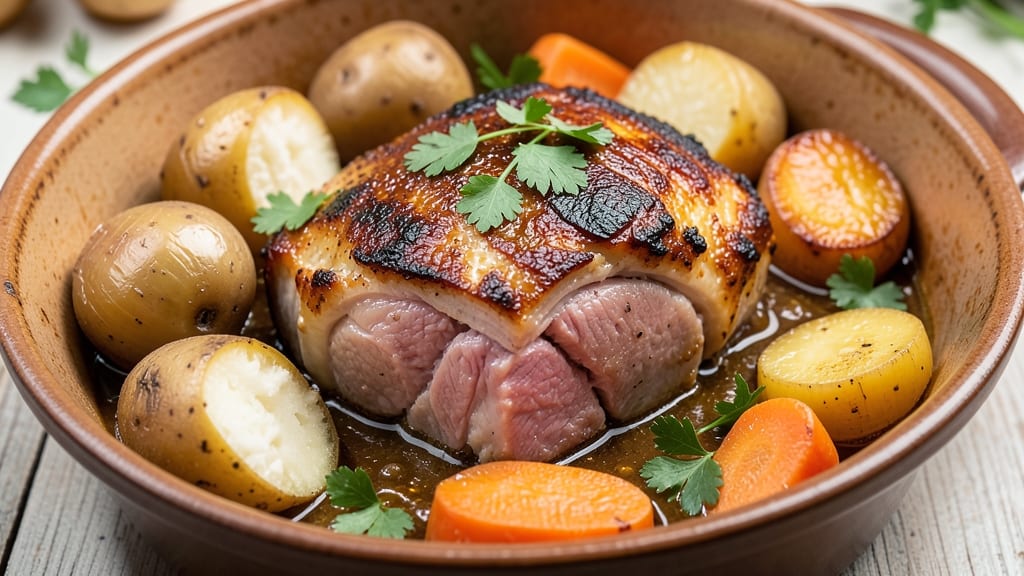
This boiled dinner recipe with pork shoulder delivers the hearty, comforting flavors of a classic Irish stew—rich, tender meat and vegetables all simmered together in one pot. 🔥 I perfected this method after years of cooking whole-hog dinners in my Charleston kitchen, where slow-cooked pork transforms tough cuts into melt-in-your-mouth perfection.
The secret lies in the right seasoning blend and a long, gentle simmer that infuses every bite with deep, savory goodness.
What sets this recipe apart is its simplicity: just a few core ingredients—pork shoulder, potatoes, carrots, and onions—cooked low and slow until the meat falls apart and the vegetables are tender yet still hold their shape.
I use a flavorful broth base (homemade or store-bought) and a bay leaf, peppercorns, and a touch of mustard to build complexity without overpowering the natural taste of the pork.
By the time you're done, you'll have a steaming pot of hearty, restaurant-quality stew that's perfect for feeding a crowd or meal prepping for the week. The pork shoulder becomes impossibly tender, the potatoes creamy, and the vegetables infused with the rich, meaty broth.
This is the kind of dish that warms you from the inside out—ideal for chilly evenings or special gatherings.
Serve with crusty bread to soak up every last drop of that flavorful broth, or pair it with a simple green salad for balance. The leftovers reheat beautifully, making this a perfect make-ahead meal for busy days. Let's get cooking!
Ingredients for boiled dinner recipe pork shoulder
Six core ingredients transform tough pork into melt-in-your-mouth perfection—slow-cooked until every bite sings with savory depth.
| Ingredient | Amount | Notes |
|---|---|---|
| Pork Shoulder 🐖 | 3 lb | Bone-in for flavor, cut into 2-inch chunks |
| Russet Potatoes 🥔 | 3 lb | Medium size, unpeeled, quartered |
| Yellow Onions 🧅 | 4 whole | Medium size, quartered |
| Carrots 🥕 | 1 ½ lb | Whole, peeled, cut into 2-inch pieces |
| Beef Broth 💧 | 6 cups | Homemade or high-quality store-bought |
| Water 💧 | 2 cups | For broth dilution if needed |
| Bay Leaves 🌿 | 2 whole | Dried, standard size |
| Black Peppercorns 🌶️ | 1 tbsp | Whole, lightly crushed |
| English Mustard 🌶️ | 1 tbsp | Dijon preferred for depth |
| Salt 🧂 | 1 ½ tsp | Diamond Crystal preferred |
| Olive Oil 🫒 | 1 tbsp | For pork searing |
| Fresh Parsley 🌿 | ¼ cup | Chopped, for garnish |
The pork shoulder is non-negotiable here—bone-in cuts deliver the deepest flavor, and 3 pounds is perfect for a crowd. I always grab mine from Harris Teeter or Bi-Lo in Charleston, where they cut it fresh daily. Look for good marbling and ask for a chunk with some skin still attached—it adds texture. If you're using a whole shoulder, trim off excess fat but leave some for moisture during cooking. The potatoes? Russets hold up best to long simmering, but Yukon Golds work too if you prefer creamier texture. Quarter them before adding to the pot so they cook evenly.
No beef broth? Homemade chicken broth with a splash of Worcestershire sauce works in a pinch, though it won't have quite the same richness. Fresh bay leaves make all the difference—dried work fine, but if you've got fresh from your garden, use them. The mustard is where this recipe gets its signature tang; Dijon mustard has the perfect balance of sharpness and depth. Short on time? Pre-cut frozen carrots save chopping effort, though fresh ones caramelize better. The onions can be yellow or sweet—just avoid red if you're serving with white bread, as it stains. And if you're worried about the pork being too gamey, a 10-minute sear in olive oil before simmering builds a flavorful crust.
This stew tastes even better the next day—3-4 days in the fridge, or 3 months frozen. I always make a double batch because the leftovers reheat beautifully for quick lunches. Store in the pot with the broth to keep everything moist. For serving, I like to skim off any hardened fat from the surface before reheating. The broth reduces slightly overnight, so add a splash of water when reheating if it's too thick. Crusty bread? Sourdough from the local bakery soaks up the broth perfectly, or serve with buttered egg noodles for extra heartiness.
Why You'll Love This Recipe
- One-Pot Magic: I swear by this recipe because it’s literally one pot—no chopping boards overflowing, no pans to scrub. Just toss in the pork shoulder, potatoes, onions, carrots, and broth, then let it simmer. The broth does all the work, turning tough cuts into melt-in-your-mouth goodness while you read emails or watch a show.
- Pork Perfection: That pork shoulder? It’s the star. When it’s done right, it’s tender enough to fall apart with a fork, with just enough fat to keep every bite juicy. The beef broth deepens the flavor so much that it tastes like a restaurant meal, not a weeknight dinner.
- Leftovers That Don’t Suck: Honestly, I make this on Sundays just for the leftovers. The flavors get even better the next day—ideal for sandwiches, hash, or reheating with a splash of broth. It’s my secret weapon for lazy lunches, and nobody ever complains about the taste.
- Budget-Friendly Feast: This recipe stretches a pork shoulder into multiple meals without breaking the bank. Potatoes, carrots, and onions are cheap staples, and beef broth adds richness without the price tag of fancy cuts. It’s the kind of meal that makes grocery day feel like a win.
Step-by-step instructions for boiled dinner with pork shoulder
Here's how to create a rich, hearty stew that simmers to perfection in one pot.
🔥 Step 1: Sear the Pork Shoulder for Deep Flavor
Heat a large Dutch oven over medium-high heat and add the 1 tablespoon olive oil. Once shimmering, add the 3 lb pork shoulder in 2-inch chunks, working in batches if needed to avoid crowding. Let each piece develop a deep golden brown crust on all sides—this creates the Maillard reaction that builds incredible flavor.
Don't rush this step. You're looking for 3-4 minutes per side until the meat releases easily from the pan. If it sticks, just wait a moment—it'll come free. Remove the pork and set it aside temporarily. You'll notice the pan has developed a beautiful browned fond at the bottom; this is pure flavor you don't want to miss.
🍳 Step 2: Build the Vegetable Base
In the same Dutch oven (no need to wipe it clean), add the 4 whole yellow onions (quartered) and 1.5 lb carrots (cut into 2-inch pieces). Cook for 5-6 minutes until the onions soften slightly and begin to caramelize at the edges. This sweetens the vegetables and deepens their flavor before they become part of the stew.
Add the 3 lb russet potatoes (quartered) and stir to combine. Pour in the 6 cups beef broth and 2 cups water, then bring to a gentle boil. Here's the thing—you want the liquid to just barely bubble, not roar. Once boiling, reduce heat to medium-low and return the pork shoulder to the pot.
🥘 Step 3: Season and Simmer Low and Slow
Add the 2 whole bay leaves, 1 tablespoon black peppercorns (lightly crushed), 1 tablespoon English mustard, and 1.5 teaspoons salt. Stir gently to distribute the seasonings evenly throughout the liquid. The mustard will add a subtle tang that brightens the rich meaty flavors.
Now comes the crucial part: cover the pot and simmer gently for 2.5 to 3 hours until the pork is fork-tender. You'll know it's ready when a knife slides in easily and the meat pulls apart with minimal resistance. Real talk: don't skip this long cook time. The slow simmer breaks down the connective tissue, creating melt-in-your-mouth tenderness.
⏰ Step 4: Finish and Garnish
Once the pork is tender, remove the bay leaves and adjust seasoning if needed—the flavors will concentrate as it continues to cook. For the final touch, stir in the ¼ cup chopped fresh parsley. This adds a bright, fresh contrast to the rich stew and makes it look beautiful when served.
Let the stew rest for 10 minutes before serving. This allows the flavors to meld perfectly and the juices to redistribute throughout the meat and vegetables. Serve directly from the pot with crusty bread to soak up every last drop of that delicious broth.
Pro Tips For Making Boiled Dinner Recipe Pork Shoulder
- SEAR THE PORK FIRST: A quick 3-4 minute sear in a hot pot with a splash of oil—before adding broth—builds flavor that just simmering alone won’t. I used to skip this, and the pork always tasted bland compared to when I browned it first.
- CUT POTATOES EVENLY: Aim for 1.5-inch chunks—smaller pieces turn mushy, larger ones stay undercooked. Use a knife or mandoline, and resist the urge to eyeball it. (Yes, I’ve learned this the hard way with lopsided bites.)
- SALT THE BROTH LATE: Wait until the potatoes are nearly tender before adding salt to the broth—otherwise, the potatoes absorb water instead of flavor. Add it in the last 20 minutes, and taste it like you would soup.
- USE COLD POTATOES: Toss cold, unpeeled potatoes directly into the pot with the pork and broth. The temperature shock keeps them from breaking apart, and the skins stay intact. (I know, it sounds counterintuitive, but it works.)
Make-ahead tips for boiled dinner recipe pork shoulder
Prep Ahead for Perfection
I always prep the vegetables the night before—chopping 3 pounds of potatoes, 1.5 pounds of carrots, and 4 onions into uniform pieces and storing them in airtight containers in the fridge.
This saves 30 minutes of work on cooking day. The pork shoulder can also be trimmed and cut into 2-inch chunks ahead of time, then refrigerated until ready to sear. 💡
Slow Cooker Adaptation
For hands-off cooking, transfer the seared pork and vegetables to a 6-quart slow cooker, add the broth and seasonings, then cook on low for 8 hours or high for 5 hours. I use my Hamilton Beach slow cooker because it maintains consistent temperatures.
The beauty of this method is that you can literally walk away—just stir once before serving. The flavors meld beautifully over time.
Freezer-Friendly Strategy
This stew freezes like a dream. After simmering, let it cool completely, then transfer to freezer-safe containers, leaving 1-inch headspace for expansion. Label with the date—it keeps for 3 months without losing quality.
When ready to eat, thaw overnight in the fridge, then reheat gently on the stovetop with a splash of water to restore moisture. I make double batches specifically for freezing—perfect for lazy weeknights. ❄️
Broth Boosting Trick
For even richer flavor, I sometimes add 2 tablespoons of tomato paste or ½ cup of red wine when building the vegetable base. These ingredients deepen the broth's complexity without overpowering the pork.
If using wine, let it reduce by half before adding the broth. This technique works especially well if you're prepping ahead, as the flavors have more time to develop during the long simmer.
Vegetable Swap Options
Don't have all the classic veggies? Swap in turnips or celery root for carrots, or parsnips for extra sweetness. I've also used kale stems (chopped) for a heartier texture—they hold up beautifully during the long cook.
Just adjust cooking time by 15-20 minutes if using denser vegetables. The key is maintaining that balance of textures in your finished stew.
Make-Ahead Serving Plan
For a stress-free gathering, I recommend making this stew the day before and reheating it on the stove. The flavors actually improve overnight as the meat continues to tenderize. Serve with crusty sourdough or buttered egg noodles that you can prep separately.
I like to set out a small bowl of extra broth for guests to ladle over their portions—it's always the first to disappear! The leftovers reheat just as well, making this a perfect meal prep solution for the week. 💫
Nutrition facts
Frequently asked questions
Can I use bone-in or boneless pork shoulder for this recipe?
Bone-in pork shoulder is ideal—it adds incredible depth of flavor as it simmers. The bones release collagen that enriches the broth, creating a richer stew. If you must use boneless, look for a well-marbled cut with some skin attached for extra texture. Just reduce the cooking time by about 20-30 minutes since boneless pork tends to cook faster.
How do I know when the pork shoulder is fully tender?
Use the fork test: insert a fork into the thickest part of the pork. If it slides in easily and the meat pulls apart with minimal resistance, it's ready. The internal temperature should reach 195-203°F—this is the "probe test" for perfect tenderness. The meat will continue to cook slightly as it rests, so don't overdo it in the pot.
Can I substitute chicken or beef broth for the beef broth?
Yes, but with adjustments. Chicken broth works well but will be slightly lighter in flavor. For beef substitution, use a 50/50 mix of beef and chicken broth to maintain richness. For extra depth, add 1 teaspoon soy sauce or ½ teaspoon smoked paprika to the broth before simmering. The mustard in the recipe already provides enough tang without needing additional seasoning.
Why did my potatoes turn mushy instead of staying firm?
This usually happens from overcooking or adding potatoes too early. Start by cooking the onions and carrots first, then add potatoes only after the pork has been searing. Use medium-high heat initially to get a quick boil, then reduce to medium-low for gentle simmering. Potatoes should be tender but still hold their shape—about 20-25 minutes after adding them to the pot.
How can I make this recipe more flavorful without adding extra ingredients?
Focus on these pro techniques: First, brown the pork deeply in batches for maximum Maillard reaction. Second, toast your spices—lightly crush peppercorns in a dry pan for 30 seconds before adding. Third, skim off excess fat during the last 30 minutes of cooking to concentrate flavors. Finally, let the stew rest 15 minutes before serving—this lets juices redistribute for richer taste.