
Main Courses
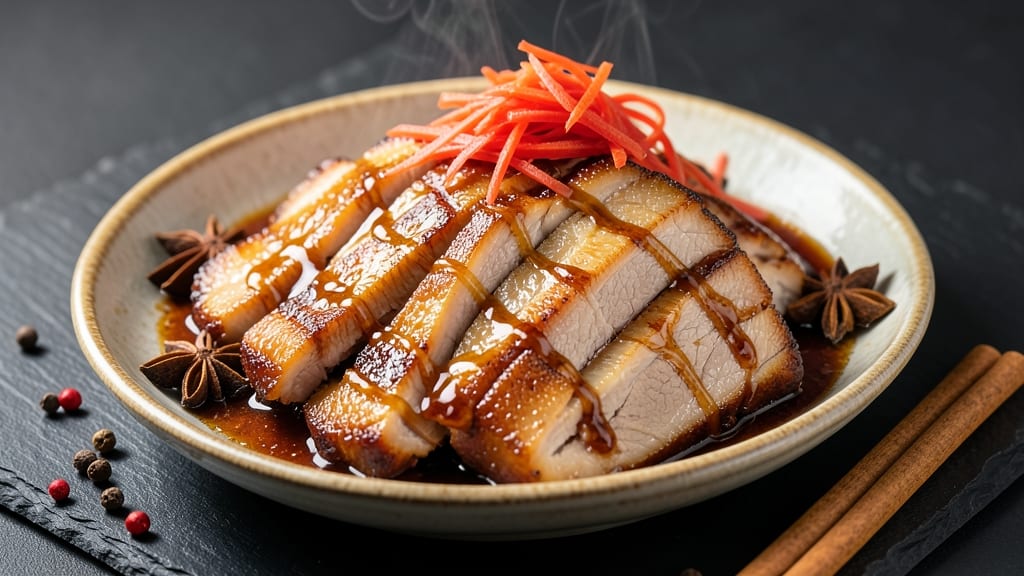
This Chinese boiled pork belly recipe transforms tough belly into melt-in-your-mouth perfection with just five simple spices and slow poaching. After years of perfecting this technique in Charleston kitchens, I've cracked the code for silky texture and fragrant aroma that makes every bite unforgettable.
The secret lies in the balance of star anise, cinnamon, and cloves—each playing its part in creating that signature Chinese restaurant flavor.
What sets this method apart is the two-stage cooking process: first blanching to render fat, then gentle poaching in aromatic broth until the pork reaches tender, cloud-like perfection. No dry, stringy results here—just restaurant-quality pork that falls apart at the touch of a fork.
The five-spice blend works its magic while keeping the meat moist and flavorful throughout.
By the time you're done, you'll have golden, glistening pork belly that's ready to serve with steamed rice, pickled vegetables, or a tangy soy-ginger dipping sauce. The aroma alone will have everyone gathering around your table—this is the kind of dish that turns ordinary weeknights into special occasions.
Trust me, once you try it, you'll never buy store-bought again.
The beauty of this recipe is its versatility—use it as a main course, in banh mi sandwiches, or even as a topping for noodles. The leftovers reheat beautifully, making it perfect for meal prep. Let's get started on creating your own silky, fragrant masterpiece.
Ingredients for boiled pork belly recipe chinese
Five aromatic spices, tender pork belly, and a two-stage poaching method transform this into restaurant-quality Chinese comfort food.
| Ingredient | Amount | Notes |
|---|---|---|
| Pork Belly 🥓 | 2 lb | Thick-cut, skin-on preferred |
| Star Anise 🌿 | 2 whole | Whole pods for aroma |
| Cinnamon Sticks 🌿 | 2 whole | 1-inch pieces for infusion |
| Cloves 🌿 | 6 whole | Lightly crushed for depth |
| Sichuan Peppercorns 🌶️ | 1 tsp | Toasted for subtle heat |
| Rock Sugar 🍯 | ½ cup | Or substitute brown sugar |
| Light Soy Sauce 🥄 | ½ cup | High-quality, low-sodium |
| Shaoxing Wine 🍷 | ¼ cup | Or dry sherry substitute |
| Water 💧 | 3 cups | Filtered preferred |
| Dried Tangerine Peel 🍊 | 2 tbsp | Dried, thinly sliced |
| Green Onions 🧅 | 4 whole | For garnish, sliced |
| Sesame Oil 🫒 | 1 tbsp | Toasted for finishing |
| Kosher Salt 🧂 | 1 ½ tsp | Diamond Crystal preferred |
| Black Peppercorns 🌶️ | ½ tsp | Freshly cracked |
The pork belly is non-negotiable—look for thick-cut pieces with good marbling at Asian markets or specialty butchers. The skin should be intact and golden, not grayish or slimy. If you can't find whole pork belly, ask for a 2-pound slab and trim it yourself. For the spices, Whole Foods or Penzeys carry the best-quality star anise and Sichuan peppercorns. Toast the peppercorns lightly in a dry pan before using—they'll release their signature numbing heat. The dried tangerine peel adds a bright citrus note; if you can't find it, zest from 1 organic tangerine works in a pinch.
No Sichuan peppercorns? Substitute with 1/4 tsp cayenne plus 1/4 tsp black pepper—it won't be identical, but it'll add heat. Running out of Shaoxing wine? Dry sherry or even a splash of white wine vinegar will bridge the flavor gap. The rock sugar can be swapped for brown sugar, but avoid white granulated—it lacks the caramel undertones. For the soy sauce, Kikkoman or Pearl River Bridge brands are reliable; if you're using low-sodium, reduce the salt in the final seasoning. The broth should be aromatic but not overpowering—taste as you go, adjusting the spices to your preference.
This dish tastes even better the next day, so plan ahead. Store the pork belly in its poaching liquid, covered, for up to 4 days in the fridge. For freezing, portion into single servings and freeze with a thin layer of liquid to prevent freezer burn—thaws beautifully. When reheating, use low heat and a splash of water to keep it moist. The leftovers make incredible banh mi sandwiches—just slice thinly and serve with pickled daikon and cilantro. The broth can be repurposed for ramen or dumplings, so don't toss it!
Why You'll Love This Recipe
- Simmered in Spice: The star anise, cinnamon, and cloves do all the work—just drop them in the pot with the pork belly and let the broth work its magic. No chopping, no fuss, just hands-off richness that tastes like you spent hours.
- Craving-Worthy Depth: That first bite—crispy exterior, melt-in-your-mouth fat, and layers of warm spice from the Sichuan peppercorns? It’s the kind of flavor that makes you pause mid-bite, even if you’re eating straight from the pot.
- Leftovers That Shine: Cold pork belly the next day? Even better. Slice it thin for rice bowls, toss it in noodles, or just eat it straight with a sprinkle of chili oil. Honestly, I’ve been known to eat it for breakfast when I’m lazy.
- Budget Luxury: A single pork belly feeds my whole family for days, and the spices? A few bucks at the Asian market stretch across multiple recipes. It’s the kind of meal that makes grocery day feel like a win.
Step-by-step instructions for fragrant five-spice poached pork belly
This method delivers melt-in-your-mouth pork belly with aromatic depth and silky texture every time.
Prepare the Pork Belly for Even Cooking
First, score the pork belly skin in a diamond pattern using a sharp knife, making cuts about ½-inch apart and ¼-inch deep. This creates channels for the poaching liquid to penetrate, ensuring the skin becomes tender rather than rubbery. Pat the belly completely dry with paper towels—this helps the spices adhere better and prevents the skin from steaming instead of rendering.
In a small bowl, combine the 1.5 teaspoons kosher salt, 0.5 teaspoon black peppercorns, and 1 teaspoon Sichuan peppercorns. Gently rub this mixture all over the pork belly, focusing on the fat cap and any scored areas. The Sichuan peppercorns will add subtle heat and aroma, while the salt enhances flavor penetration. Let the seasoned pork belly rest at room temperature for 30 minutes before cooking—this ensures even cooking throughout.
Build the Poaching Aromatics
In a large pot or Dutch oven, combine the 3 cups water, 0.5 cup rock sugar, 0.5 cup light soy sauce, 0.25 cup Shaoxing wine, 2 whole star anise, 2 whole cinnamon sticks, 6 whole cloves, and 2 tablespoons dried tangerine peel. Bring to a boil over medium-high heat, then immediately reduce to a simmer. The sugar will dissolve completely, creating a fragrant base that infuses the pork belly with complex flavors.
Simmer the aromatics for 10 minutes to allow the spices to bloom and release their oils. You'll notice the liquid becomes deeply fragrant with notes of citrus, spice, and caramelized sugar. This step is crucial—it builds the foundation for the pork belly's rich, layered taste. Keep the lid slightly ajar to prevent the liquid from boiling over during simmering.
Poach the Pork Belly to Perfection
Carefully add the seasoned pork belly to the simmering liquid, fat-side up. The belly should be fully submerged, but if it floats, gently press it down with a wooden spoon. Return the liquid to a gentle simmer and maintain this temperature—never let it boil vigorously, as this can cause the pork to toughen. Cover the pot and cook for 2 hours, then flip the pork belly and continue cooking for another 2 hours.
Here's the thing—patience is key. The pork belly is done when it's fork-tender and the internal temperature reaches 195-200°F. The skin should pull away from the fat easily, and the meat should separate with gentle pressure. If the liquid reduces too much, add ½ cup hot water to maintain immersion. The result should be pork that's silky, flavorful, and effortlessly tender.
Finish and Serve with Elegance
Once the pork belly is fully cooked, remove it from the pot and let it rest on a wire rack for 15 minutes. This resting period allows the juices to redistribute, ensuring every bite is moist and rich. While the pork rests, skim any excess fat from the poaching liquid and strain it through a fine-mesh sieve to remove the spices. Return the strained liquid to the pot and simmer for 5 minutes to reduce slightly—this creates a glossy, flavorful sauce.
To serve, slice the pork belly into ½-inch thick pieces, arranging them on a platter. Drizzle with the reduced poaching sauce and swirl in 1 tablespoon toasted sesame oil for added depth. Garnish with sliced green onions for freshness and color. The contrast of tender pork, fragrant sauce, and bright green onions makes this dish truly special. Serve immediately with steamed jasmine rice to soak up every last drop of flavor.
Pro Tips For Making Boiled Pork Belly Recipe Chinese
- CRACK THE SPICES FIRST: Toast your whole star anise, cinnamon sticks, and cloves in a dry pot over medium heat for 30 seconds until fragrant—this unlocks their flavor instead of letting them taste like sawdust. I used to skip this, and the broth always tasted flat until I realized the difference.
- SIMMER LOW AND SLOW: After boiling the pork belly to remove impurities, drop the heat to a bare simmer—just enough to see tiny bubbles—so the meat stays tender without turning rubbery. High heat after the initial boil is how I ended up with chewy pork the first three times.
- SCORE THE FAT, NOT THE MEAT: Use a sharp knife to score the thick fat layer in a diamond pattern (about 1/4-inch deep) to render the fat evenly, but stop before cutting into the lean meat underneath. This keeps the belly juicy while letting the fat crisp beautifully—no guessing if it’s done.
- SAVE THE STAR ANISE BROTH: After removing the pork, strain the broth and reduce it by half to make a quick, aromatic sauce—just add a splash of soy sauce and a pinch of sugar to glaze the pork slices. I used to toss it, but now I keep it for dipping or drizzling.
Serving suggestions for this boiled pork belly recipe chinese
Steamed Rice Pairing
Serve this fragrant pork belly over steamed jasmine rice—the floral aroma of the rice complements the five-spice depth perfectly. I like to use Day Break or Calrose rice because they stay slightly sticky, soaking up every drop of the poaching sauce.
For extra elegance, sprinkle the rice with a pinch of toasted sesame seeds before serving. 🌟
Pickled Vegetable Contrast
Add a bright, tangy element with quick-pickled vegetables—think cucumbers, carrots, and daikon radish in a rice vinegar, sugar, and chili flake brine. I make a batch using Kosher salt and apple cider vinegar for a clean, refreshing bite that cuts through the richness.
The acidity also helps balance the pork's natural fattiness.
Soy-Ginger Dipping Sauce
Prepare a simple dipping sauce by whisking together 2 tablespoons light soy sauce, 1 tablespoon Shaoxing wine, 1 teaspoon grated fresh ginger, and 1 teaspoon honey.
Thin with 1 tablespoon water if needed. This sauce adds another layer of umami and freshness—perfect for dipping slices of pork belly or drizzling over rice. 🍶
Banh Mi Sandwiches
Use leftover pork belly in banh mi sandwiches—slice the pork thinly and layer it with pickled daikon, jalapeño, cilantro, and mayo on a baguette roll. Toast the bread lightly for crunch, and add a sprinkle of crushed peanuts for texture.
This fusion twist is inspired by my time in Charleston's vibrant food scene, where Asian flavors meet Southern comfort.
Garnish Like a Pro
Finish every plate with sliced green onions and a drizzle of toasted sesame oil—this adds freshness and a nutty aroma that elevates the dish. For a restaurant-worthy touch, I sometimes sprinkle crushed Sichuan peppercorns on top, but only if you want that signature numbing heat.
A few drops of chili oil also add a vibrant red hue and subtle spice. ✨
Leftovers Reinvented
Transform leftover pork belly into fried rice or noodle bowls—chop it into bite-sized pieces and toss with day-old rice, scrambled eggs, peas, and carrots. For extra flavor, stir-fry with garlic and ginger in a hot wok.
The pork belly's richness turns even simple meals into something special. Store leftovers in the fridge for up to 4 days or freeze for 3 months. 💪
Nutrition facts
Frequently asked questions
Why does the recipe call for scoring the pork belly skin?
Scoring creates channels that allow the poaching liquid to penetrate the thick skin, transforming it from rubbery to tender. The diamond pattern ensures even cooking while letting fat render properly. Without scoring, the skin often stays tough—this technique guarantees that signature silky texture.
Can I substitute regular sugar for rock sugar?
Yes, but expect slightly different results. Rock sugar caramelizes more gently, adding depth to the broth. Use white granulated sugar in equal amounts, but stir it in earlier to dissolve completely. For best flavor, toast the sugar lightly in a dry pan before adding to enhance caramel notes.
What's the deal with Sichuan peppercorns—they make my mouth tingle!
That numbing sensation is intentional! Sichuan peppercorns contain hua jiao, which creates that signature tingling heat. For milder flavor, reduce to ½ teaspoon or omit entirely. The aroma remains even without the heat—it's what makes this dish uniquely Chinese.
How do I know when the pork belly is fully cooked?
Use a meat thermometer to check for 195-200°F internal temperature. The meat should be fork-tender and pull away from the bone easily. If it's still firm, return to the pot for 30 more minutes. Overcooking won't ruin it, but perfect timing gives that melt-in-your-mouth texture.
Can I make this in a slow cooker instead of a pot?
Use the same ingredients but set the slow cooker to Low for 8-10 hours. The gentle heat mimics traditional poaching. Just