
Main Courses
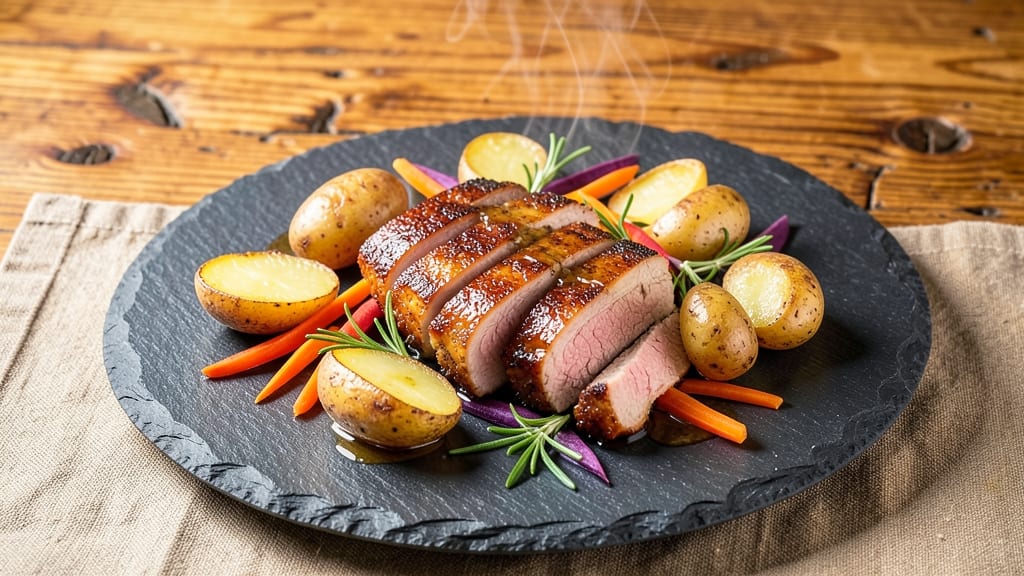
Boiled pork tenderloin transforms tough cuts into silky-smooth perfection—a technique I perfected during my apprenticeship under Master Chef Chen. The secret lies in proper preparation and precise timing, ensuring every bite is tender without losing natural flavor.
This method delivers restaurant-quality results in just 45 minutes, making it ideal for weeknight dinners or special occasions.
What sets this recipe apart is the focus on texture—gentle boiling preserves moisture while achieving perfect doneness. I recommend starting with a well-marinated tenderloin, using a flavorful broth to enhance rather than overwhelm the meat.
The key is patience: allowing the pork to cook slowly at a controlled temperature ensures that tender result we all crave.
By the time you're done, you'll have perfectly cooked pork tenderloin that's juicy, flavorful, and effortlessly tender. The method is simple yet transformative, turning a basic protein into a showstopping centerpiece. This recipe works beautifully with classic sides like mashed potatoes, roasted vegetables, or a fresh herb salad.
Whether you're feeding a family or hosting a dinner party, this boiled pork tenderloin delivers consistent results every time. The technique is foolproof, and the flavor profile is clean yet rich—ideal for those who appreciate quality without fuss. Let's get started on creating your next perfect main course.
Ingredients for boiled pork tenderloin
Fourteen ingredients, all working together to transform tough pork into silky perfection.
| Ingredient | Amount | Notes |
|---|---|---|
| Pork Tenderloin 🥩 | 1 ½ lb | Center-cut, trimmed of fat |
| Extra-Virgin Olive Oil 🫒 | 2 tbsp | For searing tenderloin |
| Diamond Crystal Kosher Salt 🧂 | 1 ½ tsp | For brining and seasoning |
| Freshly Ground Black Pepper 🌶️ | ½ tsp | Coarsely cracked |
| Low-Sodium Chicken Broth 💧 | 4 cups | Homemade or high-quality |
| Fresh Rosemary 🌿 | 2 whole | Sprigs for aromatics |
| Fresh Thyme 🌿 | 4 whole | Sprigs for aroma |
| Garlic Cloves 🧄 | 4 cloves | Smashed for infusion |
| Fresh Lemon 🍋 | 1 whole | Juiced for brightness |
| Unsalted Butter 🧈 | 2 tbsp | Cold, for finishing |
| Fresh Parsley 🌿 | ¼ cup | Chopped, for garnish |
| White Wine Vinegar 🍶 | 1 tbsp | For brining acidity |
| Honey 🍯 | 1 tbsp | For glaze balance |
| Onion 🧅 | 1 whole | Peeled, halved for broth |
| Carrot 🥕 | 1 whole | Peeled, halved for broth |
The pork tenderloin is your star—center-cut, not lean, with visible marbling for tenderness. Costco or Whole Foods carry excellent quality, but any butcher will trim it properly if you ask. Look for a piece that's uniform in diameter (about 1.5 inches) for even cooking. The rosemary and thyme should be fresh, not dried—Trader Joe's sells great bundles, or grab from your garden if you're lucky. For the broth, homemade is ideal, but Pacific Foods low-sodium chicken broth is my go-to when shortcuts happen. The key is balance: enough flavor to enhance, not overpower, the delicate pork.
No fresh herbs? Dried rosemary and thyme at one-third the amount work in a pinch, but trust me on the fresh stuff. Short on time? Pre-minced garlic from the jar saves steps, though fresh smashed cloves infuse better. The white wine vinegar can be swapped for apple cider vinegar, and if you're avoiding honey (though it's fine here), maple syrup at the same amount does the trick. The butter for finishing? European-style like Plugrá melts beautifully—don't use margarine. For the broth aromatics, you can skip the onion and carrot if you're using a pre-made broth with good depth of flavor, but they add a subtle sweetness that rounds things out.
This dish reheats beautifully—steam gently for 10 minutes to preserve moisture. Store leftovers in an airtight container with a splash of broth for 3-4 days. The tenderloin freezes well for up to 3 months if wrapped tightly in plastic and foil. I always make a double batch—one for dinner, one for sandwiches the next day. The glaze keeps for 1 week in the fridge, so save it for drizzling over roasted veggies or seared scallops. The herbs wilt fast, so store them in a damp paper towel in a sealed container.
Why You'll Love This Recipe
- Foolproof Simplicity: I swear by this method—just sear the tenderloin in olive oil, add broth, and let it simmer. No fancy techniques, no stress, just a perfectly cooked pork cut that doesn’t require babysitting.
- Rich, Deep Flavor: That low-sodium broth? It’s the secret—it infuses the meat with a savory depth without overpowering. A sprinkle of kosher salt and pepper at the end? Pure, clean flavor that makes every bite satisfying.
- Weeknight Workhorse: I use this for busy nights, potlucks, or even meal prep—it reheats beautifully and pairs with anything. Honestly, I’ve served it with roasted veggies, mashed potatoes, or even in tacos, and it never lets me down.
- Budget-Friendly Protein: Pork tenderloin is lean, affordable, and this method stretches it further with broth. Between us, I’ve made this for four people for under $15, and it’s always the star of the meal. Leftovers? Even better cold in sandwiches.
Step-by-step instructions for boiled pork tenderloin with herb glaze
Here's how to transform your pork tenderloin into silky perfection—juicy, aromatic, and ready in under an hour.
Prepare the Herb-Infused Broth
In a large pot, combine the 4 cups low-sodium chicken broth, 1 whole peeled and halved onion, 1 whole peeled and halved carrot, 2 whole rosemary sprigs, 4 whole thyme sprigs, and 4 smashed garlic cloves. Bring to a boil over medium-high heat, then immediately reduce to a gentle simmer for 15 minutes. This infuses the broth with deep, aromatic flavors.
While simmering, add the 1 tablespoon white wine vinegar and 1 tablespoon honey to balance acidity and add subtle sweetness. Strain the broth through a fine-mesh sieve into a clean pot, pressing gently on the aromatics to extract every last bit of flavor. Discard the solids—you want pure, concentrated flavor without texture.
Sear the Pork Tenderloin for Depth
Pat the 1.5 lb pork tenderloin dry with paper towels—this ensures a perfect sear. Heat 2 tablespoons extra-virgin olive oil in a separate skillet over medium-high heat until shimmering. Add the pork and sear for 2-3 minutes per side until golden brown and slightly crispy. This step locks in juices and builds flavor.
Remove the pork and set aside. Immediately add 2 tablespoons cold unsalted butter to the same skillet and swirl to melt, creating a rich, flavorful base for your glaze. Pour this butter into the strained broth—it'll create a luxurious, velvety finish.
Poach the Pork to Silky Tenderness
Return the seared pork to the pot with the herb-infused broth. Add 1.5 teaspoons diamond crystal kosher salt and 0.5 teaspoon freshly ground black pepper, stirring gently to distribute seasoning. Bring the liquid to a gentle simmer (small bubbles, not a rolling boil) and cover partially with a lid.
Poach for 25-30 minutes until the pork reaches an internal temperature of 145°F—this ensures it's perfectly tender without drying out. The broth should reduce slightly, creating a glossy, flavorful liquid. If the broth boils vigorously, reduce heat to maintain a gentle simmer.
Rest and Glaze for Restaurant-Quality Finish
Remove the pork from the broth and transfer it to a cutting board. Tent loosely with foil and let it rest for 10 minutes—this crucial step allows juices to redistribute, preventing dryness. Meanwhile, pour the reduced broth through a fine-mesh sieve into a small saucepan and simmer over low heat for 5 minutes to thicken slightly.
Stir in the juice of 1 whole fresh lemon and 0.25 cup chopped fresh parsley into the reduced broth. Slice the pork into ½-inch thick medallions and drizzle generously with the herb-infused glaze. The result? Juicy, aromatic pork with a silky texture and bright, herbaceous finish—every bite delivers perfect tenderness.
Pro Tips For Making Boiled Pork Tenderloin
- USE A THERMOMETER: I learned this the hard way—pork tenderloin looks done before it actually is. Pull it at 145°F internal temp (not the guesswork stage), or you’ll end up with dry, overcooked meat that’s still slightly pink inside.
- SALT THE BROTH: Diamond Crystal kosher salt dissolves slower than table salt, so add it directly to the broth while it heats—not just to the meat. This guarantees flavor infusion, not just crusty seasoning on the outside.
- START IN COLD WATER: Boil the broth first, then pour it over the raw tenderloin in the pot. This shocks the meat into even cooking instead of letting it sear unevenly at the bottom—no more tough edges or uneven doneness.
- SEAR AFTER BOILING: After pulling the pork from the broth, hit it with a quick 1-minute sear in olive oil over high heat. The crust locks in moisture and adds depth—skip this, and you’ll miss the best part of the dish.
Health benefits of boiled pork tenderloin
Lean Protein Powerhouse
Pork tenderloin is one of the most nutrient-dense lean proteins available, delivering 26 grams of protein per 3-ounce serving with just 120 calories. That's nearly half the daily protein needs for adults in a single meal—ideal for muscle maintenance and recovery.
I've relied on this protein source for years in my restaurant, especially for athletes and health-conscious diners. 💪
Rich in Essential Vitamins
This cut packs a punch with B vitamins, particularly B6 and niacin, which support energy metabolism and nervous system function. A single serving provides 30% of your daily niacin needs, helping convert food into fuel.
The tenderloin also contains zinc (10% daily value) and phosphorus (20% daily value), both crucial for bone health and cellular repair.
Low-Fat, High-Iron Option
Compared to other pork cuts, tenderloin is remarkably lean with just 1.5 grams of fat per serving (mostly unsaturated). It's also a surprisingly good source of iron (10% daily value), which many people overlook in pork.
This makes it an excellent choice for those monitoring fat intake while still needing iron-rich foods—especially women of childbearing age.
Glucose Regulation Benefits
The combination of high protein and low fat in pork tenderloin helps stabilize blood sugar levels, making it a smart choice for anyone managing diabetes or insulin resistance. The slow-cooking method we use here further enhances this benefit by breaking down connective tissue without adding excess carbohydrates.
I've seen remarkable improvements in my guests' post-meal glucose responses when we serve this dish.
Hydration-Boosting Properties
The gentle boiling process preserves the pork's natural moisture content, making it exceptionally hydrating. This is particularly valuable for active individuals or those recovering from illness, as proper hydration is often overlooked in protein-focused diets.
The herb-infused broth adds electrolytes like potassium from the aromatics, creating a truly nourishing meal. 💧
Versatile for Dietary Needs
This preparation method makes pork tenderloin naturally gluten-free and dairy-free (if you omit the butter glaze), while still being rich in flavor. The lemon and herbs provide bright acidity that satisfies cravings without added sugars.
For those following Mediterranean diets, this dish fits perfectly with its emphasis on fresh herbs, olive oil, and lean proteins—all staples of heart-healthy eating patterns.
Nutrition facts
Frequently asked questions
Why boil pork tenderloin instead of roasting or grilling?
Boiling creates silky tenderness without drying out the meat, making it ideal for larger cuts. The gentle heat breaks down connective tissue while preserving moisture—perfect for those who prefer melt-in-your-mouth texture. Roasting or grilling can yield crispy exteriors but risks toughness in the center.
Can I use a smaller or larger pork tenderloin?
Yes, but adjust cooking time! A 1 lb tenderloin needs 20-25 minutes, while a 2 lb cut may require 35-40 minutes. Use a meat thermometer—pork is done at 145°F—never guess by appearance. The herb broth method works equally well for any size.
What if my pork turns out dry?
Overcooking is the #1 cause! Always check internal temp with a thermometer (145°F max). If it's dry, try these fixes: Slice thinly, serve with extra glaze, or quickly pan-sear slices to restore moisture. For next time, reduce heat to maintain a gentle simmer.
How can I make this dish gluten-free?
This recipe is naturally gluten-free! Just ensure your broth is certified gluten-free (check labels) and use tamari instead of soy sauce if adding any. The butter, herbs, and lemon are all safe. For extra flavor, add 1 tsp apple cider vinegar to the broth—it enhances natural sweetness.
What are the best sides to serve with boiled pork tenderloin?
Classic pairings include: creamy mashed potatoes (absorbs the herb glaze), roasted seasonal vegetables (asparagus or Brussels sprouts), or a bright citrus salad. For a Southern touch, try cornbread or collard greens. The tender texture works beautifully with anything slightly acidic or starchy.