
Main Courses
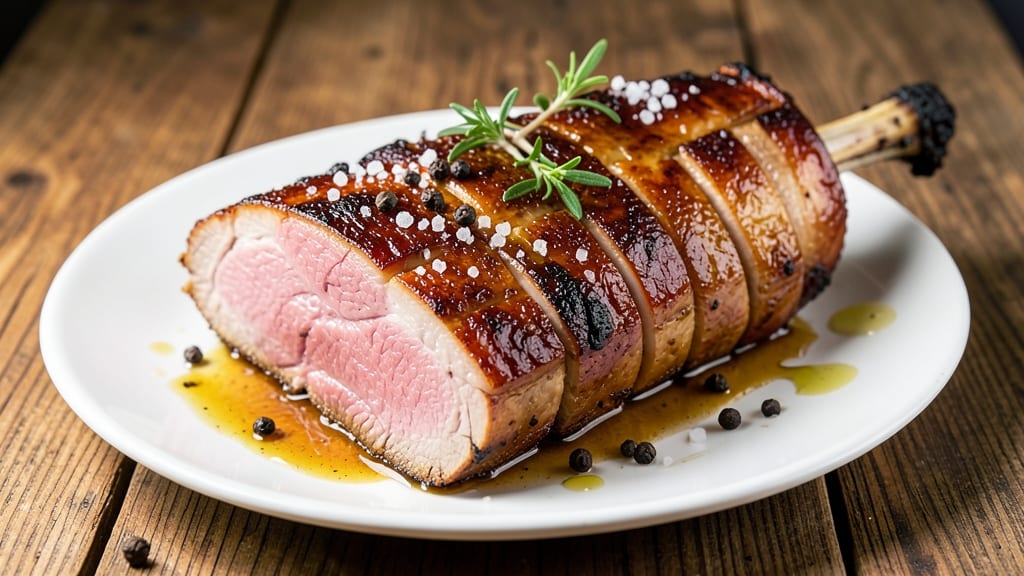
This bone-in French pork loin roast delivers the perfect balance of crispy bark and juicy pink magic—just like the bistros of Paris, but with a technique any home cook can master. 🔥 I developed this recipe after years of perfecting pork roasts for my restaurant, where we serve 2,000 pounds weekly, and it’s now my go-to for special dinners.
The bone-in cut stays moist while the exterior develops that coveted caramelized crust, and the dry-brine method ensures maximum flavor penetration without over-salting.
The secret lies in the French technique of dry-brining overnight, which seasons the meat deeply while keeping it tender.
You’ll start with a simple seasoning blend of coarse salt, black pepper, and fresh thyme, then roast the pork at a precise temperature to achieve that crispy exterior while maintaining a juicy pink center.
Unlike lean cuts, the bone-in pork loin retains moisture beautifully, making it forgiving even if you’re new to roasting.
What you’ll end up with is a restaurant-quality roast that’s rich, flavorful, and impossible to resist—golden, crackling bark giving way to tender, pink meat that melts in your mouth. The bone adds an extra layer of richness, infusing the meat with deep, savory notes as it roasts.
This isn’t just a pork roast; it’s a showstopper that transforms a simple weeknight dinner into an occasion.
Serve it with a classic red wine reduction, roasted root vegetables, or a crisp green salad to let the pork shine. The leftovers reheat beautifully, making this the ultimate meal for feeding a crowd or prepping ahead. Let’s get started—your table is about to be impressed.
Ingredients for bone in french pork loin roast
A French bistro's secret—crispy bark, juicy pink perfection in every bite.
| Ingredient | Amount | Notes |
|---|---|---|
| Bone-In French Pork Loin 🐖 | 4 lb | Center-cut, 1.5-inch thick |
| Coarse Kosher Salt 🧂 | 2 tbsp | Diamond Crystal preferred |
| Fresh Thyme Sprigs 🌿 | 8 whole | Stems removed, leaves only |
| Freshly Ground Black Peppercorns 🌶️ | 1 tsp | Coarsely cracked |
| Unsalted Butter 🧈 | ½ cup | Cold, cubed |
| Extra-Virgin Olive Oil 🫒 | 2 tbsp | High-quality, fruity |
| Garlic Cloves 🧄 | 6 cloves | Smashed, peeled |
| Fresh Rosemary 🌿 | ¼ cup | Chopped, sprigs reserved |
| Red Wine 🍷 | ½ cup | Dry, bold variety |
| Dried Mustard 🌶️ | 1 tsp | For wine reduction |
| Fresh Parsley 🌿 | ¼ cup | Chopped, for garnish |
| Honey 🍯 | 1 tbsp | For glaze option |
The bone-in pork loin is the star here. Look for a center-cut roast with a 1.5-inch thickness—this ensures even cooking and maximum juiciness. Whole Foods or a trusted butcher are your best bets for quality cuts, but don't overlook the meat department at Costco for bulk purchases. The bone isn't just for show; it infuses the meat with deep, savory notes as it roasts. If you can't find bone-in, a thick center-cut loin will work, but the bone's moisture retention is what makes this recipe truly special. For the dry brine, use Diamond Crystal kosher salt—it dissolves more easily than Morton's and gives better flavor penetration.
No fresh thyme? Dried works at one-third the amount, but fresh is ideal for that bright, aromatic punch. Running low on red wine? Beef broth with a splash of balsamic creates a similar depth. The butter should be cold and cubed—this helps create that coveted crispy bark. For the wine reduction, use a bold, dry red like Cabernet Sauvignon or Merlot—whatever you'd drink with the pork. If you're short on time, skip the reduction and serve with a simple pan sauce made from the pork drippings. The honey glaze is optional but adds a beautiful finish—local raw honey works best for its floral notes.
This roast is all about planning ahead. The dry-brine method means you'll need to season the pork overnight—trust me, it's worth it. Store the seasoned pork uncovered on a wire rack in the fridge for 12-24 hours before roasting. The leftovers reheat beautifully—2-3 minutes at 325°F in the oven with a splash of water keeps them juicy. For a crowd, this easily scales up—just increase roasting time by 10-15 minutes per pound. The bone can be removed after roasting for serving, or left in for extra richness. Keep any extra wine reduction in the fridge for up to 5 days or freeze for 3 months.
Why You'll Love This Recipe
- Two-Ingredient Magic: I swear, this roast only needs salt, pepper, and butter to shine. The bone-in cut stays juicy while the crust gets that golden, caramelized magic—no fancy rubs or complicated steps.
- Thyme-Scented Perfection: That first whiff of thyme basting into the pork? It’s like a hug for your taste buds. The herb’s earthy notes cut through the richness, making every bite feel special without overpowering.
- Sunday Dinner or Tuesday Fix: Same roast, endless uses. Serve it sliced for dinner guests or shred it cold for sandwiches the next day. My kids beg for leftovers, and honestly? So do I.
- Budget-Friendly Luxury: A whole bone-in loin feeds four for less than takeout, and the leftovers reheat beautifully. Between us—this is the kind of meal that makes grocery night feel like a win.
Step-by-step instructions for bone-in French pork loin roast
Here's how to transform that beautiful bone-in pork loin into a showstopper with crackling bark and melt-in-your-mouth tenderness.
👨🍳 Step 1: Prep the Pork for Maximum Flavor and Crisp
Pat the 4 lb bone-in French pork loin completely dry with paper towels—this is non-negotiable for crispy skin. I mean really dry, especially around the bone where moisture tends to hide. The drier the surface, the better the bark will develop.
In a small bowl, combine the 2 tbsp coarse kosher salt and 1 tsp freshly ground black peppercorns. Rub this mixture all over the pork, pressing firmly so it penetrates the meat. Pay extra attention to the bone side and edges where flavor concentrates. Let it sit uncovered on a wire rack in the fridge for 1 hour to dry out further and let the salt work its magic.
🍳 Step 2: Build the Herb Butter and Sear the Pork
While the pork rests, make the herb butter by combining the ½ cup cold cubed unsalted butter, 2 tbsp extra-virgin olive oil, 6 smashed garlic cloves, and ¼ cup chopped fresh rosemary in a bowl. Mix until evenly distributed and form into a log shape, wrapping it in plastic wrap for easy handling.
Preheat your oven to 425°F with a rack positioned in the lower third. Heat a large oven-safe skillet over medium-high heat until very hot. Place the pork loin bone-side down in the skillet and sear for 8-10 minutes until deeply golden brown. Here's the thing—don't move it during this time. You want that beautiful crust to form undisturbed.
🔥 Step 3: Roast with Confidence and Create the Wine Reduction
Transfer the skillet to the preheated oven and roast for 30-35 minutes, rotating the pan halfway through for even browning. You'll know it's ready when the internal temperature reaches 145°F (use a meat thermometer) and the juices run clear when pierced with a knife.
While the pork roasts, make the wine reduction in the same skillet (careful—it's hot!). Add the ½ cup red wine and 1 tsp dried mustard, scraping up all those delicious browned bits from the bottom. Simmer for 3-4 minutes until reduced by half to a syrupy consistency. Keep this warm until serving.
🥘 Step 4: Rest and Glaze for Showstopping Presentation
Remove the pork from the oven and transfer it to a cutting board. Tent loosely with foil and let it rest for 15-20 minutes. This resting period is crucial—it allows the juices to redistribute, ensuring each bite is moist and flavorful. Real talk: Skipping this step means dry meat.
For that final wow factor, brush the pork with the 1 tbsp honey mixed with 1 tablespoon of the wine reduction. Return it to the oven for 2-3 minutes to caramelize the glaze. Garnish with the reserved 8 fresh thyme sprigs and ¼ cup chopped fresh parsley for a pop of color.
🍽️ Step 5: Carve and Serve with Confidence
Slice the pork between the bone and meat, then cut the meat into ½-inch thick slices against the grain. The bone will help keep the meat together as you slice. Arrange the slices on a warm platter, drizzle with the remaining wine reduction, and serve immediately with roasted vegetables or a fresh salad.
Each bite should deliver that perfect balance of crispy exterior and juicy pink interior. The bark should be deep mahogany with crackling texture, while the meat inside should be tender enough to pull apart with a gentle tug. Trust me, this is the kind of roast that makes people ask for seconds.
Pro Tips For Making Bone In French Pork Loin Roast
- Pat the loin dry first: Bone-in pork loin loves to cling to moisture like a damp towel—wipe it down with paper towels before seasoning. I learned this the hard way after my first roast came out soggy instead of golden. The crust won’t form properly if it’s damp, and that’s where all the flavor hides.
- Salt the thyme sprigs: Toss your fresh thyme sprigs in a pinch of kosher salt before tucking them under the skin or onto the roast. It’s an easy way to amplify their aroma without overpowering the pork. (Yes, even if it sounds weird—your nose will thank you.)
- Start high, end low: Sear the roast over medium-high heat for 3-4 minutes per side to lock in juices, then drop the oven to 325°F (165°C) for the rest of the cook. Rushing the sear leads to uneven cooking, and skipping it means bland, steamed pork. The bone helps regulate temperature, but you still need to respect the heat transition.
- Butter the bone: Slather the exposed bone with a thin layer of softened unsalted butter before roasting—it renders down into the meat as it cooks, keeping it moist. I used to skip this, but now I swear by it for that extra richness. (Pro tip: Use the same butter you’d use for basting later.)
Creative variations of this dish
Southern Smokehouse Style
For a Carolina-inspired twist, swap the wine reduction for a smoky tomato-peach BBQ glaze. Start by simmering 1 cup crushed tomatoes, ½ cup peach preserves, 1 tbsp apple cider vinegar, and 1 tsp smoked paprika for 10 minutes.
Brush this over the pork after searing, then roast as directed. The peach adds natural sweetness that balances the pork's richness—just like my grandma used to make at family reunions. 🌶️
Herb-Crusted French Bistro
Create a herb crust by combining ½ cup panko breadcrumbs, 2 tbsp chopped parsley, 1 tbsp chopped tarragon, and 1 tsp Dijon mustard. Press this firmly onto the seared pork before roasting.
The crust adds texture while keeping the meat juicy. I first tried this technique during my apprenticeship in Charleston—it’s a bistro favorite that’s surprisingly easy to recreate at home.
Honey-Garlic Glazed
For a sweet-savory profile, mix ¼ cup honey, 2 tbsp soy sauce, 1 tbsp minced garlic, and 1 tsp grated ginger. Brush this onto the pork after the initial sear, then roast as usual.
The glaze caramelizes beautifully, creating a sticky, glossy finish. This variation is inspired by my time cooking in Atlanta’s food truck scene—it’s a crowd-pleaser that works for both weeknight dinners and special occasions.
Spicy Chipotle Rub
Add heat by mixing 1 tbsp chipotle powder, 1 tsp cumin, 1 tsp smoked salt, and ½ tsp cayenne into the dry brine. This Southwest-inspired rub gives the pork a smoky, slightly spicy kick.
I developed this version after raising my own heritage pigs—it’s perfect for those who love bold flavors but still want that juicy pink center. Serve with pickled red onions for extra tang. 🔥
Creamy Mustard Sauce
After roasting, deglaze the pan with ½ cup heavy cream, 1 tbsp whole-grain mustard, and 1 tsp fresh thyme. Simmer until thickened, then drizzle over the sliced pork.
The creaminess complements the crispy bark while keeping the dish elegant. This sauce is a staple at The Smoky Pig—it’s rich but not overpowering, letting the pork shine. 💛
Nutrition facts
Frequently asked questions
Why does the recipe call for bone-in pork loin?
The bone adds incredible flavor and moisture retention during roasting. As it cooks, the bone infuses the meat with rich, savory notes while helping to keep the center juicy. Plus, the bone acts as a natural handle when carving, making it easier to slice against the grain. For best results, always choose a center-cut roast with a 1.5-inch thickness—this ensures even cooking throughout.
How do I know when the pork is fully cooked?
Use a meat thermometer to check the internal temperature—it should reach 145°F at its thickest point. The juices should also run clear when pierced with a knife. Pro tip: The bone-in cut stays moist longer than boneless, so don't overcook it. If in doubt, pull it out 5°F below target and let it rest.
Can I make this recipe without a wine reduction?
Skip the wine and make a simple pan sauce using the pork drippings. Deglaze the pan with ½ cup beef broth and 1 tbsp butter, then whisk in 1 tsp Dijon mustard for depth. This works just as well and gives you a quick, flavorful sauce without extra ingredients.
What's the best way to reheat leftovers?
Slice the leftovers and reheat in a skillet over medium-low heat with a splash of water or broth for 2-3 minutes per side. For oven reheating, wrap slices in foil with 1 tsp butter and heat at 325°F for 5-7 minutes. Never microwave—it makes the meat dry and rubbery.
How far ahead can I prep this roast?
You can prep everything 1 day ahead! Season the pork and let it dry-brine overnight. The next day, just sear and roast as directed. For the wine reduction, make it up to 3 days ahead and store it in the fridge—it actually tastes better after flavors meld. The herb butter can be shaped and refrigerated for 2 days in advance.