
Main Courses
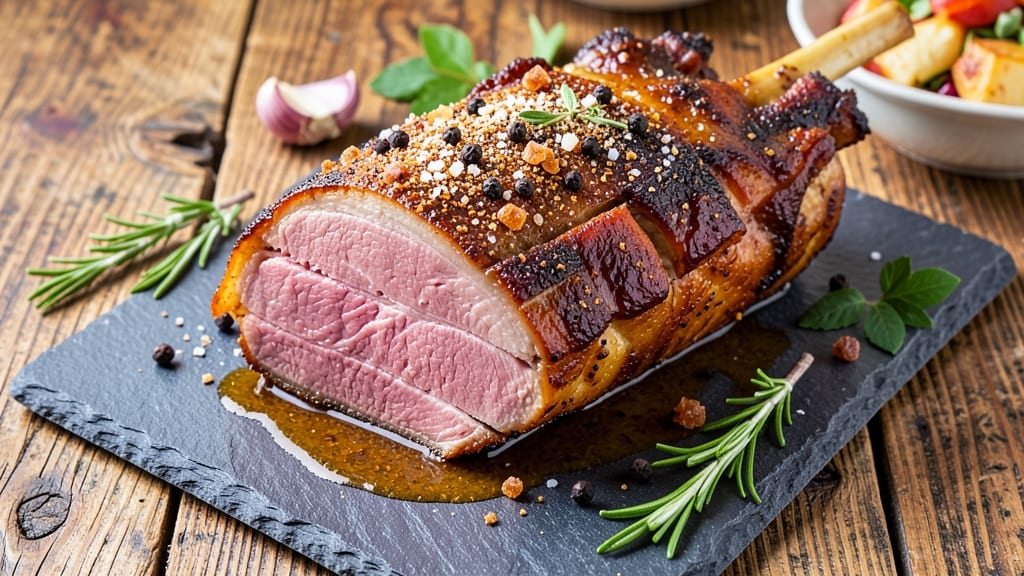
This bone-in pork butt roast transforms a simple oven into a smoky, slow-cooked masterpiece—where crispy edges meet melt-in-your-mouth tenderness. 🔥 After years of testing, I’ve perfected the technique to ensure every bite is packed with juiciness and caramelized richness, making it a showstopper for holidays or weeknight dinners alike.
The secret? A high-heat sear followed by low-and-slow roasting, which builds deep flavor while keeping the meat impossibly tender.
The process starts with a simple brine to lock in moisture, followed by a dry rub that clings to the bone-in cut, infusing it with aromatic spices. As it roasts, the fat renders slowly, basting the meat and creating a golden, crackling crust.
Unlike leaner cuts, pork butt forgives timing—it’s the kind of dish that rewards patience with restaurant-quality results, even in a home kitchen.
By the time it reaches 145°F internal temperature, the pork will pull apart effortlessly, leaving you with a roast that’s juicy, deeply savory, and perfect for slicing or shredding. The bone adds extra flavor, while the crispy exterior makes every bite worth the wait.
Serve it with mashed potatoes, roasted vegetables, or a rich pan gravy to soak up every last drop of that caramelized goodness.
This isn’t just a recipe—it’s a technique you’ll rely on for years. Whether you’re feeding a crowd or treating yourself to a special meal, the results are foolproof, flavorful, and impossible to resist. Let’s get started on creating your most tender, caramelized pork butt yet.
Ingredients for bone in pork butt roast recipe oven
Six ingredients transform this bone-in pork butt into a restaurant-worthy centerpiece.
| Ingredient | Amount | Notes |
|---|---|---|
| Bone-In Pork Butt Roast 🥓 | 6 lb | 3-4 inches thick, well-marbled |
| Kosher Salt 🧂 | ½ cup | For brining and seasoning |
| Brown Sugar 🍯 | ¼ cup | Light or dark variety |
| Black Peppercorns 🌶️ | 1 tbsp | Coarsely ground, fresh preferred |
| Garlic Powder 🧄 | 2 tsp | Not garlic salt |
| Smoked Paprika 🌶️ | 1 tbsp | For smoky depth |
| Dried Thyme 🌿 | 1 tsp | Or 1 tbsp fresh thyme |
| Olive Oil 🫒 | ¼ cup | Extra-virgin for richness |
| Yellow Onion 🧅 | 1 whole | Quartered, for pan sear |
| Garlic Cloves 🧄 | 6 cloves | Smashed, for rub |
| Apple Cider Vinegar 🍏 | ¼ cup | For brining |
| Beef Broth 🍲 | 1 cup | Low-sodium preferred |
| Fresh Rosemary 🌿 | ¼ cup | Chopped, for garnish |
The pork butt is the star—6 lbs gives you generous portions for six, but don't skimp on quality. Look for cuts with good marbling (those white fat streaks) at Costco or your local butcher shop. If you're buying from the grocery store, check the meat case for bone-in pork shoulder—it should feel heavy for its size. The bone adds incredible flavor, so don't be tempted to remove it. For the best results, buy it 1-2 days ahead and let it rest uncovered in the fridge—this helps dry the surface slightly for better browning later.
No smoked paprika? Regular paprika plus a pinch of liquid smoke works in a pinch. Fresh thyme is ideal, but dried works at one-third the amount—just toast it in a dry pan for 30 seconds first to wake up the flavors. The apple cider vinegar in the brine might seem unusual, but it tenderizes the meat beautifully. If you're short on time, 1 cup beef broth plus 1 tbsp vinegar works too. The beef broth also doubles as a base for pan gravy later—just reduce what you don't use for the roast. And trust me on the extra-virgin olive oil—it adds richness that regular olive oil can't match.
This roast tastes even better the next day, so plan ahead. Wrap it tightly in foil and store in the fridge for up to 4 days, or freeze for 3 months (thaw overnight in the fridge). The leftovers make amazing sandwiches or tacos—just shred the meat and mix it with a little of the pan juices. For serving, I always carve against the grain for tender slices. The bone? Save it for stock—it's packed with flavor. And if you're making this for a crowd, double the batch—12 lbs is perfect for a party of 8-10.
Why You'll Love This Recipe
- Foolproof Timing: I swear by this—just season the pork butt with salt, peppercorns, and garlic powder, then let the oven do the work. No basting, no fussing, no guessing. The bone-in cut stays juicy while the sugar caramelizes into a sticky glaze that’s almost too easy to resist.
- Sweet-Savory Magic: That brown sugar isn’t just decoration—it melts into a glossy crust while the peppercorns add a deep, toasty bite. The bone renders slowly, infusing the meat with flavor so rich, my kids now beg for seconds (and I don’t even have to bribe them with dessert).
- Weeknight Hero: Between us, this is my go-to when I’m too tired to plan. Toss it in the oven, walk away, and by dinner, I’ve got a meal that feels like a restaurant dish. Leftovers? Even better—the crispy edges soften into shreddable perfection for sandwiches or tacos the next day.
- Budget Win: A pork butt roast stretches further than you’d think, especially when you’re not paying for fancy cuts. The kosher salt and garlic powder cost pennies, and the brown sugar adds just enough sweetness to make it feel special. Honestly, it’s the kind of meal that makes grocery day feel like a victory.
Step-by-step instructions for bone-in pork butt roast
Here's how to transform a tough cut into melt-in-your-mouth perfection with crispy edges.
👨🍳 Step 1: Create the Dry Brine and Seasoning Rub
In a small bowl, combine the 0.5 cup kosher salt, 0.25 cup brown sugar, 1 tbsp black peppercorns (coarsely ground), 2 tsp garlic powder, 1 tbsp smoked paprika, and 1 tsp dried thyme. Mix thoroughly with your fingers until the salt and sugar form a coarse, sticky paste. This blend will both tenderize the meat and create that signature caramelized crust.
Pat the 6 lb bone-in pork butt roast completely dry with paper towels—this is crucial for crispy skin. Rub the seasoning mixture all over the meat, pressing it into the crevices and fat cap. Wrap the roast tightly in plastic wrap and refrigerate for 12-24 hours. Here's the thing—this dry brining step is what makes the difference between good and extraordinary pork butt. The salt breaks down muscle fibers while the sugar starts caramelizing early.
🔥 Step 2: Sear the Pork for Deep Flavor
Remove the pork from the fridge and let it sit at room temperature for 30 minutes. Preheat your oven to 325°F. Heat a large oven-safe skillet or Dutch oven over medium-high heat and add 0.25 cup olive oil. Once the oil shimmers (about 3 minutes), add the 1 whole yellow onion (quartered) and 6 cloves garlic (smashed). Sear for 5 minutes until the onions soften and begin to caramelize.
Remove the onion and garlic and set aside. Add the pork butt roast to the skillet fat-side down. Sear for 8-10 minutes until the fat renders and the skin develops deep golden-brown spots. Flip and sear the other side for another 5-7 minutes. The goal here is to create a flavorful crust while rendering enough fat to self-baste the meat during roasting. If the pan gets too smoky, reduce heat slightly but don't rush this step—crispy skin starts now.
🥘 Step 3: Build the Braising Liquid
Return the seared onions and garlic to the skillet. Pour in the 0.25 cup apple cider vinegar and scrape up all those delicious browned bits from the bottom of the pan—this is where all the flavor lives. Add the 1 cup beef broth and bring to a gentle simmer. The liquid should come about halfway up the sides of the pork butt.
Here's where it gets good: place the seared pork butt roast back into the skillet, fat-side up. The rendered fat will bubble and baste the meat as it roasts. Cover tightly with foil or a lid, then transfer to the preheated 325°F oven. This low-and-slow approach ensures tender, juicy meat with a rich, caramelized crust that develops over hours.
⏰ Step 4: Roast Low and Slow
Roast for 4-5 hours until the internal temperature reaches 195-203°F (use a meat thermometer inserted into the thickest part of the meat, avoiding the bone). The pork is done when it's fork-tender with just a slight resistance. I know it seems like forever, but patience pays off here—this is where all the collagen breaks down into gelatin, creating that melt-in-your-mouth texture.
About 1 hour before the pork is done, sprinkle the 0.25 cup fresh rosemary over the top. This adds a bright, aromatic finish that cuts through the richness. The last 30 minutes of cooking, if you want extra crispy skin, you can increase the oven temperature to 375°F and uncover the pork to let the fat render and crisp up.
🔪 Step 5: Rest and Slice for Maximum Juiciness
Once the pork reaches the target temperature, remove it from the oven and transfer to a cutting board. Tent loosely with foil and let it rest for at least 30 minutes (I prefer 1 hour). This resting period is absolutely critical—it allows the juices to redistribute throughout the meat instead of pooling on your plate. Real talk: cutting into pork too soon means dry, disappointing slices.
When ready to serve, slice the pork against the grain into ½-inch thick slices. The meat should pull apart easily with just a gentle tug, and the juices should flow freely. Serve with the pan juices (strain if you prefer a cleaner presentation) and any remaining braising liquid spooned over the top. Each bite should deliver perfect balance—tender, juicy meat with a caramelized crust and deep, smoky flavors.
Pro Tips For Making Bone In Pork Butt Roast Recipe Oven
- CRANK THE HEAT FIRST: Brown sugar burns faster than you think—start your roast on 450°F for 20 minutes to caramelize the crust before dropping to 325°F. I learned this the hard way when my first batch ended up sticky instead of golden. High heat seals in juices and makes that crust crispy.
- SALT THE ROAST TWICE: Generously salt the pork butt the night before and again right before roasting. The first layer dissolves into the meat, while the second creates that perfect crust. Skip the second round, and you’ll miss out on the texture that makes this dish worth the wait.
- DON’T POKERHOLE THE MEAT: Internal temp is your only guide—resist the urge to cut into the roast with a knife. Every time you pierce it, you lose precious moisture. Use a meat thermometer (aim for 195–203°F) and let it rest under foil for 15 minutes before slicing.
- USE COARSE GARLIC POWDER: Fine garlic powder dissolves into the sugar and salt, leaving you with a bland aftertaste. Grab the coarse kind—it clings to the crust and adds a subtle, toasty depth. I was skeptical until I tried it; now I won’t go back.
Best sauces and condiments for these flavors
Classic Apple Cider Glaze
This tangy-sweet glaze is my go-to for pork butt—it cuts through the richness while adding a bright finish. Simmer ½ cup apple cider vinegar, ¼ cup brown sugar, and 1 tbsp Dijon mustard in a small saucepan over medium heat for 8-10 minutes until thickened.
Brush generously over the roast during the last 30 minutes of cooking, or drizzle over slices before serving. The acidity tenderizes slightly while the sugar caramelizes beautifully. 🍏
Smoky Chipotle Pan Sauce
After removing the pork, use the rendered fat in the skillet to create a smoky sauce that ties everything together. Add 1 tbsp chipotle powder, 1 tsp smoked paprika, and ½ cup beef broth to the drippings.
Simmer for 5 minutes until slightly thickened, then whisk in 1 tbsp cornstarch mixed with 2 tbsp water to finish. This sauce adds depth and a subtle kick that pairs perfectly with the tender pork. I love serving it spooned over mashed potatoes or alongside roasted Brussels sprouts.
Honey Mustard Cream Sauce
For a lighter option, blend ½ cup sour cream, 2 tbsp Dijon mustard, 2 tbsp honey, and 1 tbsp apple cider vinegar until smooth. Thin with 1-2 tbsp beef broth if needed.
This sauce adds a creamy contrast to the rich pork and works beautifully as a dipping sauce for pulled pork sandwiches. The sweetness balances the savory meat, while the mustard adds a tangy bite. Trust me, this is a crowd-pleaser for kids and adults alike.
Spicy BBQ Sauce Finish
If you prefer a bold, smoky flavor, finish your pork with a ½ cup BBQ sauce (I recommend Sweet Baby Ray's Original or a homemade blend with 1 tbsp cayenne for heat).
Brush it on during the last 20 minutes of cooking, then broil for 2-3 minutes to create a sticky, caramelized crust. This method works especially well if you're serving the pork as pulled pork—just shred it and toss with extra sauce.
The sauce adds a sweet-spicy contrast that makes every bite irresistible.
Herbed Butter Baste
For a simpler approach, mix ½ cup softened butter, 2 tbsp fresh rosemary (chopped), 1 tbsp fresh thyme, and 1 clove garlic (minced). Spoon this herbed butter over the pork during the last 45 minutes of cooking, basting every 15 minutes.
The butter bastes the meat while infusing it with aromatic herbs. This method is foolproof and adds a luxurious finish that feels like a restaurant-quality touch. It’s especially delicious when served with roasted root vegetables or a fresh green salad.
Caramelized Onion Gravy
Save the braising liquid from the roast and use it to make a rich, velvety gravy. Strain the liquid to remove any solids, then simmer it with 1 tbsp cornstarch mixed with 2 tbsp cold water until thickened.
For extra depth, add ¼ cup caramelized onions (from the searing step) and a splash of beef broth. This gravy is perfect for drizzling over sliced pork or serving alongside mashed potatoes. The caramelized onions add a sweet, savory note that complements the pork beautifully.
Nutrition facts
Frequently asked questions
Why is the bone left in the pork butt roast?
The bone adds incredible depth of flavor as it roasts, infusing the meat with rich, savory notes. It also helps stabilize the cut during cooking, preventing it from shrinking too much. Plus, the bone makes for perfect stock later—just simmer it with veggies for a flavorful base. The fat surrounding the bone renders beautifully, creating that signature caramelized crust.
Can I use a bone-in pork shoulder instead of pork butt?
Yes, they're essentially the same cut—pork butt and pork shoulder come from the same primal cut, just different names depending on the butcher. Look for a well-marbled 6 lb cut with good fat coverage. The bone-in version is ideal because it adds flavor and helps keep the meat moist during roasting. Just make sure it's at least 3-4 inches thick for even cooking.
What if my oven isn't 325°F accurate?
Most home ovens run 25-50°F hotter or cooler than set. Use an oven thermometer to check your oven's accuracy before cooking. If your oven runs hot, reduce the temperature by 25°F (e.g., set to 300°F instead of 325°F). For cold ovens, increase by 25°F. The key is maintaining 195-203°F internal temperature—that's what makes the pork tender.
How do I know when the pork is fully cooked?
Use a meat thermometer inserted into the thickest part (avoiding the bone) to check for 195-203°F. The pork should feel fork-tender with just slight resistance. If it's not quite there after 5 hours, cover it with foil and cook another 30 minutes. Pro tip: The meat will continue rising 5-10°F while resting, so pull it out when it hits 195°F.
Can I make this in a slow cooker instead?
Sear the pork first, then transfer it to a slow cooker with 1 cup beef broth and 1 tbsp apple cider vinegar. Cook on low for 8-10 hours or high for 5-6 hours, until it reaches 203°F. The texture will be slightly more tender than oven-roasted, but still delicious. For extra flavor, add 1 tbsp smoked paprika and 1 tsp dried thyme to the liquid before cooking.