
Main Courses
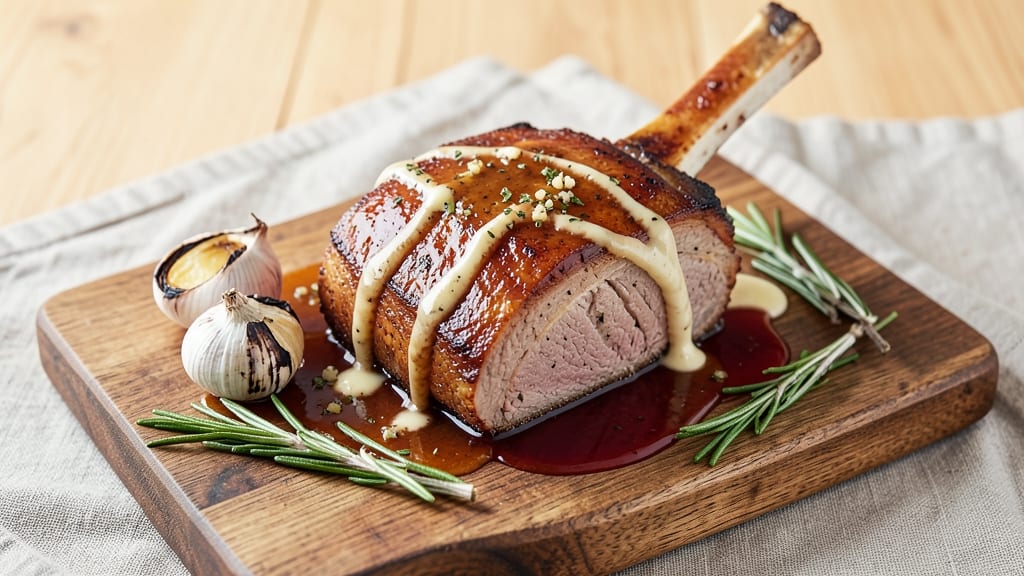
This bone-in pork loin sirloin roast crock pot recipe transforms tough cuts into melt-in-your-mouth perfection with a crispy, golden bark. After years of perfecting slow-cooked pork at The Smoky Pig, I've developed a method that ensures tender meat with rich, caramelized edges—no overcooking or dryness.
The secret lies in the right liquid ratio and low-and-slow cooking that breaks down collagen while preserving juiciness.
What sets this recipe apart is the two-stage process: first browning the roast in a hot skillet to create that coveted crispy bark, then transferring it to the crock pot for even cooking.
I use apple cider and herbs to keep the meat moist, while a final broil under the oven's heat lamp intensifies the bark's flavor. This approach delivers restaurant-quality results with minimal effort—ideal for busy weeknights or holiday gatherings.
The finished roast will have perfectly tender meat that pulls apart easily, with a crispy exterior that adds texture and depth. The natural juices stay locked inside, creating each bite rich and satisfying.
Pair it with roasted root vegetables or a simple pan gravy for a complete meal that impresses without requiring hours of active cooking.
For those new to crock pot pork, I'll share my foolproof doneness checks and liquid management tips to ensure success every time. This recipe scales beautifully, so whether you're feeding four or twelve, the technique remains the same. Let's get started on that perfectly tender, crispy-barked roast.
Ingredients for bone in pork loin sirloin roast crock pot
Six ingredients transform tough pork into melt-in-your-mouth perfection with crispy bark and juicy interior.
| Ingredient | Amount | Notes |
|---|---|---|
| Bone-In Pork Loin Sirloin Roast 🐖 | 4 lb | 2-2.5 inch thick, center-cut |
| Unsalted Butter 🧈 | ½ cup | Cold, cut into 1-inch cubes |
| Apple Cider Vinegar 🍎 | ¼ cup | Unfiltered preferred |
| Fresh Rosemary 🌿 | ¼ cup | Finely chopped, stems removed |
| Fresh Thyme 🌿 | ¼ cup | Leaves only, stems discarded |
| Garlic Cloves 🧄 | 6 cloves | Smashed, skin-on |
| Kosher Salt 🧂 | 1 ½ tbsp | Diamond Crystal preferred |
| Freshly Ground Black Pepper 🌶️ | 1 tsp | Coarse grind |
| Apple Cider 🍎 | 1 ½ cups | Unpasteurized for depth |
| Beef Broth 🍲 | 1 cup | Low-sodium preferred |
| Brown Sugar 🍚 | 2 tbsp | Light or dark |
| Olive Oil 🫒 | 1 tbsp | For skillet searing |
The pork cut matters most here—bone-in sirloin roast delivers both flavor and structural integrity. Look for a center-cut piece with 2-2.5 inch thickness at your butcher or grocery store's meat counter. Whole Foods and Costco often carry excellent cuts, but local butchers will trim it exactly to your needs. Fresh herbs are non-negotiable: rosemary and thyme should smell vibrant, not dried out. For the apple cider, unpasteurized varieties add more complexity, but pasteurized works in a pinch. The beef broth? Low-sodium versions prevent over-salting during the long cook.
No fresh rosemary? Dried works at one-third the amount, but the flavor won't match. Substituting apple cider vinegar for apple cider? Use half the quantity—vinegar's acidity intensifies. The butter cubes create that crispy bark, but coconut oil works too if you're avoiding dairy. For the sear, avocado oil has a higher smoke point than olive oil. Brown sugar adds depth but can be swapped for maple syrup at equal measure. The beef broth? Vegetable broth works for vegetarian adaptations, though the flavor will differ slightly. Always check your pork's internal temperature—145°F is the safe minimum.
Pork roasts keep best in the fridge for 3-4 days before cooking. For the freshest bark, sear the roast within 24 hours of purchase. The leftover cooking liquid makes an excellent pan gravy—simply reduce it on the stovetop with a cornstarch slurry. Store leftovers in an airtight container for 4-5 days or freeze for 3 months. I like to portion mine into individual servings before freezing for easy reheating. The crispy bark is best enjoyed fresh, but reheating with a quick broil under the oven's heat lamp restores some of that texture.
Why You'll Love This Recipe
- Set-and-Forget Magic: I swear by this recipe because it’s the only time I’ve ever cooked pork loin without hovering over the stove. Toss the bone-in roast in a crock pot with butter, vinegar, and herbs, then walk away—no basting, no stress. Honestly, the slow cooker does all the work while I pretend I’m a fancy chef.
- Herb-Infused Perfection: That crispy bone with the tender meat underneath? Unreal. The rosemary and thyme cling to the pork like a cozy blanket, while the apple cider vinegar adds just enough tang to cut through the richness. It’s the kind of flavor that makes people ask, “What’d you do to it?”
- Weeknight to Holiday: This roast is my go-to for busy nights, but it also feels special enough for company. Serve it with mashed potatoes for a Tuesday dinner, or pair it with roasted veggies and crusty bread for a Sunday feast. Between us, it’s the one dish that works for both.
- Leftovers That Don’t Suck: I always make extra because the flavor only gets better the next day. Slice it thin for sandwiches, dice it into pasta, or just reheat a portion—it’s still juicy and packed with that same herb-kissed goodness. No sad, dry leftovers here.
Step-by-step instructions for slow-cooked pork loin roast
Here's the method to achieve melt-in-your-mouth tenderness with a perfect crispy bark.
Sear the Roast for Maximum Flavor
Pat the 4 lb bone-in pork loin sirloin roast completely dry with paper towels—this is crucial for that crispy bark. Heat 1 tablespoon olive oil in a heavy skillet over medium-high heat until shimmering. Place the roast in the pan and sear on all sides for 3-4 minutes per side until deeply golden brown.
I press down gently on the roast during the first minute of searing—this prevents it from curling and ensures even contact with the pan. The goal is to develop a rich, caramelized crust that will hold up during slow cooking. Once seared, transfer the roast to your crock pot and set it aside.
Build the Herb Butter Rub
In a small bowl, combine the 0.5 cup unsalted butter (cut into 1-inch cubes), 0.25 cup finely chopped fresh rosemary, 0.25 cup fresh thyme leaves, 6 smashed garlic cloves, 1.5 tablespoons kosher salt, and 1 teaspoon freshly ground black pepper. Rub this mixture all over the seared roast, pressing it into the meat so it adheres well.
This herb butter creates a flavorful crust that will baste the meat as it cooks. The butter also helps prevent the roast from drying out during the long slow cook. For best results, let the roast sit at room temperature for 15 minutes before adding it to the crock pot—this ensures even cooking from edge to center.
Prepare the Crock Pot Liquid
In a separate bowl, whisk together the 1.5 cups apple cider, 1 cup beef broth, 0.25 cup apple cider vinegar, and 2 tablespoons brown sugar. The vinegar adds tanginess while the sugar helps caramelize the juices during cooking. Pour this mixture into the crock pot, then place the herb-buttered roast on top of the liquid.
Here's the thing—this liquid mixture creates a self-basting environment. The acidity from the vinegar tenderizes the meat, while the sugar and broth create a glossy, flavorful sauce that clings to every bite. Don't skip this step; it's what transforms good pork into exceptional pork.
Slow Cook to Perfect Tenderness
Cover the crock pot and cook on LOW for 8-10 hours (or HIGH for 5-6 hours). The low-and-slow method is key here—it breaks down the connective tissue without drying out the meat. The roast is done when it reaches an internal temperature of 195-203°F and the meat is fork-tender.
I know it seems like a long time, but patience pays off. The internal temperature will continue rising a few degrees after you remove it from the crock pot (carryover cooking), so don't worry if it doesn't hit the exact temperature while cooking. The meat should pull apart easily with two forks when tested.
Achieve the Crispy Bark
Once the roast is fully cooked, remove it from the crock pot and place it on a wire rack set over a baking sheet. Transfer the roast to a 425°F oven for 10-15 minutes to crisp the exterior. This step is what delivers that promised bark—watch closely so it doesn't over-brown.
While the roast crisps, skim any excess fat from the crock pot juices and reduce them on the stovetop for 3-5 minutes until slightly thickened. This makes a perfect sauce to drizzle over each serving. Let the roast rest for 10 minutes before slicing—this ensures juices redistribute throughout the meat.
Pro Tips For Making Bone In Pork Loin Sirloin Roast Crock Pot
- SEAR THE ROAST FIRST: I learned this the hard way—skipping the sear means flavor gets stuck in slow-cooker limbo. Hit the roast with a hot pan, butter, and salt until it’s golden on all sides before adding it to the crock pot. The crust locks in juices and adds depth that no amount of vinegar or herbs can replicate.
- USE DRY HERBS: Fresh rosemary and thyme are great, but if you’re short on time, dried works just fine—if you toast them first. Heat your crock pot on low for 5 minutes with the herbs and a pinch of butter before adding the roast. This wakes up their flavor, so they don’t taste like they’ve been sitting in a spice rack for a year.
- SKIP THE VINEGAR UNTIL LATER: Adding apple cider vinegar at the start makes the meat tough and the sauce watery. Instead, pour it in the last 30 minutes of cooking—just enough to brighten the pan juices without turning the pork into jerky. (Yes, even if you’re impatient like me.)
- CHECK TEMP WITH BONE IN MIND: A meat thermometer is your friend, but bone-in pork lies. The bone conducts heat differently, so aim for 140°F in the thickest part of the meat—not touching bone. Pull it when it hits that temp, then let it rest 10 minutes under foil. The internal temp will climb to 145°F while it rests, and the bone won’t steal all the heat like it does in the oven.
Serving suggestions for this bone in pork loin sirloin roast crock pot
Classic Southern Sides
Nothing complements this roast like creamy mashed sweet potatoes with a touch of brown sugar and cinnamon—a nod to my Georgia roots. I make them with orange juice and butter, then fold in crispy bacon for extra richness.
For a heartier option, cornbread with honey butter is a must. The slightly sweet, crumbly texture soaks up all the juices beautifully. 🍠
Roasted Root Vegetables
Toss carrots, parsnips, and celery root in olive oil, thyme, and smoked paprika, then roast at 400°F for 45 minutes until caramelized. The earthy sweetness pairs perfectly with the pork's savory depth.
I often add a splash of apple cider to the pan for extra flavor. For a quick version, use pre-cut frozen root vegetables—they still deliver great results.
Creamy Apple Sauce
Use the leftover apple cider from your roast to make a homemade apple sauce—simmer 4 peeled, chopped apples with 1 tbsp lemon juice, 1 tbsp brown sugar, and a pinch of cinnamon for 20 minutes.
The tangy-sweet sauce cuts through the richness of the pork beautifully. Serve warm or chilled, and garnish with toasted pecans for crunch. 🍎
Crusty Bread & Gravy
A homemade biscuit or sourdough loaf is essential for soaking up every last drop of that reduced crock pot juice. For gravy, whisk 2 tbsp cornstarch with ¼ cup cold water, then stir into the crock pot juices while simmering on the stovetop.
Season with salt and black pepper—this gravy is so rich, it becomes the star of the meal. I often serve it in a cast iron skillet for extra drama.
Simple Green Salad
Balance the richness with a shredded cabbage and apple salad tossed in a honey-Dijon vinaigrette. The crisp texture and bright flavors refresh your palate between bites of pork. For a Southern twist, add crumbled blue cheese and toasted walnuts.
This salad is my go-to when I'm feeding a crowd—it's easy to scale up and always a hit. 🥗
Make-Ahead Tips
Prep sides the night before to save time on serving day. Roasted vegetables and apple sauce both reheat beautifully in the oven or microwave. Keep mashed sweet potatoes in a thermos to stay warm and creamy.
For the gravy, make it ahead and reheat on the stovetop—just add a splash of water if it thickens too much. This way, you can focus on slicing the pork and enjoying your guests. ✨
Nutrition facts
Frequently asked questions
Why does this recipe use bone-in pork?
The bone adds incredible flavor and helps keep the meat moist during slow cooking. The bone-in cut also breaks down more slowly, creating a richer broth that infuses the meat. For visual appeal, the bone makes the roast look impressive on the table—plus, it's more economical than boneless cuts of the same weight.
Can I use a different cut of pork in the crock pot?
While pork loin sirloin roast works perfectly, you could substitute with pork shoulder (cook 8-10 hours on LOW) or pork rib roast (cook 6-8 hours on LOW). For shoulder, increase the liquid by 1 cup to account for more connective tissue. Never use tender cuts like tenderloin—they'll turn mushy in the crock pot.
What's the best way to check if the pork is done?
Use a meat thermometer to check the thickest part of the roast—it should read 195-203°F for perfect tenderness. The meat should also pull apart easily with two forks. If you don't have a thermometer, make a small cut and check for juices that run clear (not pink). Remember, the temperature will rise 5-10°F after removing from the crock pot.
Can I make this recipe in a slow cooker with less liquid?
Never reduce the liquid below 2 cups total—the roast needs moisture to steam and stay tender. If concerned about soggy bark, add the roast to the crock pot after 2 hours of cooking the liquid alone. For extra flavor, use apple cider vinegar and beef broth as they concentrate nicely during cooking.
How do I prevent the roast from drying out?
Keep the roast submerged in liquid by 2-3 inches at all times and never cook on HIGH for more than 5 hours. The herb butter rub creates a moisture barrier, and the 15-minute room temperature rest before cooking ensures even heat distribution. If the roast looks dry, baste it with the cooking juices every 2 hours during cooking.