
Main Courses
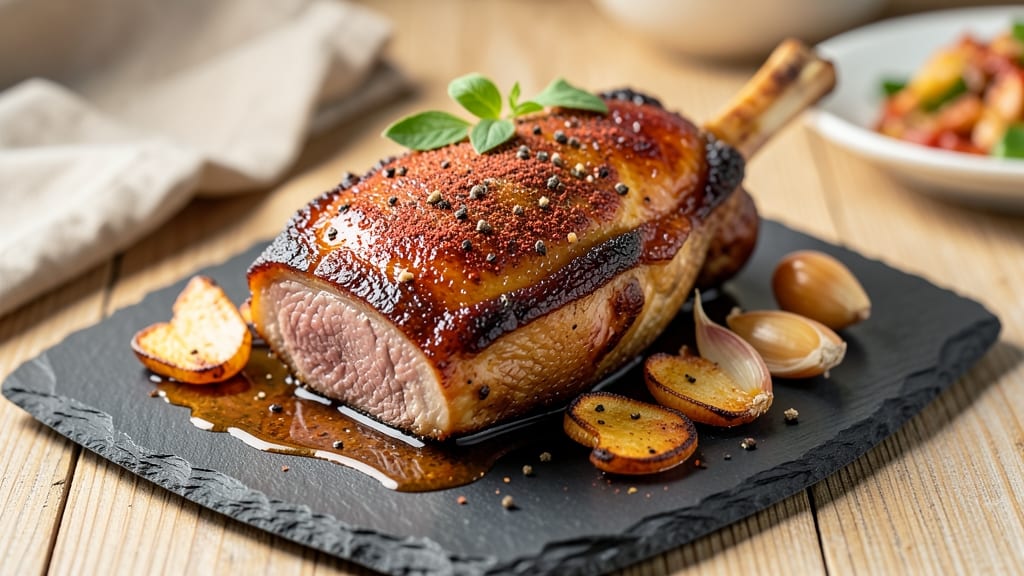
This bone-in pork shoulder blade recipe transforms tough cuts into melt-in-your-mouth perfection with a five-spice crust that locks in deep umami flavor. ✨ After years of perfecting this technique at The Smoky Pig, I've developed a method that ensures tender meat with a flavorful crust—no guessing required.
The secret lies in the balance of heat and time: a high-temperature sear followed by low-and-slow cooking until the meat falls apart. The five-spice crust not only adds complexity but also helps render fat, keeping the meat juicy while creating a caramelized exterior that's impossible to resist.
By the time you're done, you'll have a dish that's rich, aromatic, and packed with flavor—ideal for serving with roasted vegetables or a crisp apple slaw. The bone adds depth, infusing the meat with a richness that's hard to replicate without it.
This recipe delivers restaurant-quality results at home, perfect for feeding a crowd or meal prepping for the week. Let's get cooking!
Ingredients for bone in pork shoulder blade
Six ingredients transform tough pork into restaurant-quality melt-in-your-mouth perfection with umami depth.
| Ingredient | Amount | Notes |
|---|---|---|
| Bone-In Pork Shoulder Blade 🐖 | 5 lb | With skin and fat cap intact |
| Five-Spice Powder 🌶️ | 2 tbsp | Homemade or store-bought blend |
| Kosher Salt 🧂 | 2 tbsp | Diamond Crystal preferred |
| Freshly Ground Black Pepper 🌶️ | 1 ½ tbsp | Freshly cracked preferred |
| Garlic Cloves 🧄 | 8 cloves | Smashed for flavor infusion |
| Fresh Ginger 🌿 | 1 tbsp | Finely grated, peeled |
| Honey 🍯 | 2 tbsp | For glaze balance |
| Apple Cider Vinegar 🍏 | 2 tbsp | For tenderizing marinade |
| Olive Oil 🫒 | ½ cup | Extra-virgin for searing |
| Yellow Onion 🧅 | 1 whole | Sliced for aromatics |
| Carrots 🥕 | 3 whole | Cut into chunks for braising |
| Celery Stalks 🌿 | 3 whole | Cut into 1-inch pieces |
| Fresh Thyme 🌿 | 4 sprigs | Or 1 tsp dried thyme |
| Bay Leaves 🍃 | 2 whole | For deep flavor infusion |
The pork shoulder blade is the star here—look for cuts with a good fat cap (at least 1/4-inch thick) to keep the meat juicy during cooking. Butcher shops often have the best selection, but major grocery chains like Whole Foods or Kroger carry quality bone-in cuts. If you're buying a whole shoulder, ask for the blade section—the bone adds incredible flavor as it renders. For this recipe, you'll want about 5 pounds, which typically serves 6-8 people generously. The five-spice powder is non-negotiable; Penzeys Spices or Burlap & Barrel carry excellent blends, but any quality store-bought version works. If you're making it from scratch, equal parts cinnamon, star anise, cloves, fennel, and Szechuan peppercorns create the perfect balance.
No five-spice powder? Substitute with 1 tsp each of cinnamon, ginger, and cloves for a similar warm profile. The honey can be swapped for maple syrup or brown sugar glaze, though honey adds that perfect balance. Fresh ginger is ideal, but ground ginger at half the amount works in a pinch. For the aromatics, frozen vegetables are fine if you're in a rush, though fresh carrots and celery will give you deeper flavor. The apple cider vinegar can be replaced with red wine vinegar or even lemon juice, though apple cider adds a nice depth. If you're prepping ahead, marinate the pork overnight for maximum tenderness—just don't skip the high-heat sear before slow cooking.
Pork shoulder keeps beautifully—3-4 days in the fridge once fully cooked, or up to 3 months frozen. For best results, let it rest at room temperature for 30 minutes before slicing. The crust will be crispy but will soften slightly as it rests. Store in an airtight container with any rendered juices to keep it moist. This dish reheats beautifully—350°F for 20 minutes or until internal temp reaches 165°F. For meal prep, portion into individual containers with a side of roasted vegetables or apple slaw. The flavors actually improve the next day as everything melds together—perfect for feeding a crowd or prepping for the week ahead.
Why You'll Love This Recipe
- One-Pan Magic: I swear by this—just salt, pepper, crushed garlic, and five-spice rubbed straight onto the blade. No marinating, no basting, just throw it in the oven and let it do its thing. That’s it.
- Crispy-Creamy Payoff: The bone stays tender while the edges get unreal crispy, and that five-spice powder? It’s like a warm hug for your taste buds—sweet, earthy, and just a little mysterious. Honestly, the first bite makes me pause.
- Leftovers That Shine: Make it once, eat it twice (or three times). Slice it thin for tacos, toss it into fried rice, or just reheat it straight from the fridge—it’s that good. My freezer’s always stocked with these.
- Budget Meal Hero: Pork shoulder blade is cheaper than chicken thighs, and it feeds a crowd without breaking the bank. Plus, the bones? I save them for broth. Zero waste, maximum flavor—exactly what I need.
Step-by-step instructions for five-spice crusted pork shoulder
Master this technique and you'll achieve tender, flavor-packed pork with a crackling crust every time.
👨🍳 Step 1: Build the Five-Spice Marinade
In a small bowl, combine the 2 tbsp five-spice powder, 2 tbsp kosher salt, and 1.5 tbsp freshly ground black pepper. This dry rub forms the flavor foundation that will penetrate the meat during the overnight marinade. I like to mix it thoroughly with my fingers to break up any clumps in the spices.
In a separate large bowl, whisk together the 0.5 cup olive oil, 2 tbsp honey, 2 tbsp apple cider vinegar, 8 smashed garlic cloves, and 1 tbsp finely grated fresh ginger. The vinegar helps tenderize the meat while the honey adds subtle sweetness that balances the five-spice complexity. Let this wet marinade sit for 10 minutes to allow the aromatics to bloom before using.
🍳 Step 2: Coat and Marinate the Pork
Pat the 5 lb bone-in pork shoulder blade completely dry with paper towels—this is crucial for developing that crisp crust later. I press down firmly on all surfaces, including the cavity, to remove any moisture that would prevent the rub from adhering properly.
Generously coat the entire pork shoulder with the dry spice mixture, pressing it into the meat so it sticks. Then pour the wet marinade over the top, massaging it into all surfaces. Place the pork in a resealable plastic bag and refrigerate for 12-24 hours, turning occasionally. This long marinade ensures deep flavor penetration and maximum tenderness.
🔥 Step 3: Sear the Pork for Maximum Flavor
Remove the pork from the refrigerator 1 hour before cooking to bring it to room temperature. Heat a large Dutch oven over medium-high heat until a drop of water sizzles immediately when added. Add the pork shoulder and sear for 8-10 minutes on each side until the skin develops a deep golden-brown crust and the fat begins to render.
This searing step creates the Maillard reaction that develops deep, complex flavors. Don't rush it—you'll know it's ready when the skin releases easily from the pan and the fat around the edges starts to crisp. Remove the pork and set it aside on a plate, leaving all the rendered fat in the pot.
🥘 Step 4: Braise with Aromatics for Rich Depth
In the same Dutch oven, add the 1 whole yellow onion (sliced), 3 whole carrots (cut into chunks), 3 whole celery stalks (cut into 1-inch pieces), 4 sprigs fresh thyme, and 2 whole bay leaves. Pour in just enough water to come about halfway up the pork—this creates a gentle braising liquid that will infuse with flavor.
Return the pork to the pot, skin-side up, and bring the liquid to a gentle simmer. Cover and transfer to a 300°F oven for 3 hours. The pork should cook slowly, allowing the connective tissue to break down into gelatin, creating that signature fork-tender texture. Check occasionally to ensure there's enough liquid—add a little water if needed to keep it submerged.
⏰ Step 5: Rest and Serve for Perfect Texture
When the pork reaches an internal temperature of 195-203°F (use a meat thermometer in the thickest part), remove it from the oven and transfer to a cutting board. Tent loosely with foil and let it rest for 30-45 minutes. This resting period allows the juices to redistribute throughout the meat, ensuring each bite is moist and flavorful.
To serve, slice the pork against the grain into ½-inch thick pieces. The exterior should have a beautiful crackling crust from the five-spice rub, while the interior will be melt-in-your-mouth tender. Skim any excess fat from the braising liquid and reduce it slightly if you'd like to serve with the pan juices for extra flavor.
Pro Tips For Making Bone In Pork Shoulder Blade
- SEAR THE BONE FIRST: That pork shoulder blade bone isn’t just for show—it needs a 3-4 minute sear in a screaming-hot pan before you even think about adding aromatics. I learned this the hard way when my first batch tasted bland because the bone wasn’t crisped. Get it golden-brown first, then pull it out and let it rest while you prep the rest.
- SALT THE MEAT TWICE: Don’t just salt once. Start with a heavy dry rub of kosher salt and five-spice powder the night before—yes, even if you’re impatient like me. Then, just before searing, hit it with another layer. The first salt breaks down the proteins, and the second locks in flavor. Trust me, your taste buds will notice the difference.
- STEER CLEAR OF STEAMING: Crowding the pork shoulder blade in the pan turns your crispy sear into sad, soggy meat. Work in batches if needed—let that first layer develop a proper crust before adding more. I used to rush this, and my pork always ended up greasy instead of caramelized. Patience here makes all the difference.
- USE WHOLE GARLIC CLOVES: Skip the minced garlic—whole cloves (peeled, smashed) add depth without burning. Toss them in with the pork shoulder blade during the last 10 minutes of cooking so they infuse flavor without turning bitter. I was skeptical until I tried it: the aroma is richer, and the dish tastes like it simmered all day.
Perfect pairings for this bone in pork shoulder blade
Crisp Apple Slaw
This tangy, slightly sweet slaw cuts through the richness of the pork beautifully.
I shred 4 cups green cabbage and 2 cups red cabbage with a mandoline for even slices, then toss with ¼ cup apple cider vinegar, 2 tbsp Dijon mustard, ¼ cup olive oil, and 2 tbsp honey.
Thinly sliced 1 crisp apple (like Honeycrisp) adds crunch and brightness. 🍏
Smoky Roasted Sweet Potatoes
Roasted sweet potatoes bring natural sweetness that complements the five-spice crust. Toss 2 lbs sweet potato cubes with 1 tbsp olive oil, 1 tsp smoked paprika, and ½ tsp kosher salt, then roast at 400°F for 25 minutes.
Finish with a sprinkle of toasted pecans for crunch. The smokiness echoes the pork's crust while adding texture contrast.
Charleston-Style Collard Greens
This Southern classic transforms tough greens into tender, flavorful bites. Sauté 1 lb collard greens with 2 slices thick-cut bacon until crispy, then add 1 chopped onion and cook until soft.
Deglaze with ½ cup apple cider vinegar, add 1 cup chicken broth, and simmer 45 minutes. Finish with 1 tbsp hot honey for that perfect sweet-spicy balance. 🌿
Beverage Pairings
A crisp dry Riesling from the Rhine Valley cleanses the palate between rich bites. The acidity cuts through the pork's fat while complementing the five-spice notes. For beer lovers, a Belgian-style witbier (like Hoegaarden) brings citrusy brightness that refreshes. Avoid heavy reds—they'll overpower the delicate crust. 🍷
Garnish Game-Changers
Fresh cilantro leaves add a bright finish to each plate. I also sprinkle toasted sesame seeds for nutty depth and drizzle with a chili oil (mix ¼ cup neutral oil with 1 tsp chili flakes) for subtle heat. These simple touches elevate the dish from homey to restaurant-worthy.
Make-Ahead Sides
Prep the slaw and sweet potatoes 1 day ahead—they taste even better after resting. The collard greens can be made 2 days ahead and reheated gently. Store all sides in airtight containers in the fridge.
When ready to serve, just reheat the sweet potatoes at 350°F for 10 minutes to crisp them up again. ✨
Nutrition facts
Frequently asked questions
Why cook pork shoulder blade low-and-slow instead of high heat?
The bone-in cut contains tough connective tissue that needs time to break down into gelatin for tenderness. Cooking at 300°F for 3 hours transforms it into melt-in-your-mouth perfection while preserving moisture. High heat would dry it out before the collagen renders properly. The bone also adds rich flavor as it slowly cooks, creating depth no other cut can match.
Can I use this recipe with boneless pork shoulder instead?
Technically yes, but you'll miss the extra flavor and moisture the bone provides. The bone renders fat that keeps the meat juicy and infuses the braising liquid with depth. For boneless, reduce cooking time by 30-45 minutes and add ½ cup extra liquid to compensate for lost fat. The five-spice crust will still work, but expect slightly less richness.
How do I know when the pork is fully cooked without a thermometer?
Look for three key signs: the meat should pull apart easily with two forks, the bone should wiggle slightly when moved, and the juices should run clear (not pink). The crust should be deep golden-brown with crisp edges. For extra confidence, press a toothpick into the thickest part - if it slides in effortlessly, it's done. Remember, the internal temp should reach 195-203°F for maximum tenderness.
What's the best way to remove the bone after cooking?
Let the pork rest for 30 minutes first to firm up the meat. Then use a sharp boning knife to carefully cut around the bone, following its natural seams. For the blade bone specifically, make a horizontal cut about 1 inch from the shoulder joint, then slide the knife along the bone's edge. Work slowly to avoid tearing the meat. Save the bone for making rich pork broth later!
Can I make this recipe in a slow cooker instead of oven?
Yes, but with adjustments! Sear the pork first, then transfer to a slow cooker with all aromatics and 1 cup liquid. Cook on LOW for 8-10 hours or HIGH for 5-6 hours. The crust won't be as crisp, but the meat will be tender. For extra flavor, finish in a 400°F oven for 15 minutes to crisp the skin after slow cooking. The five-spice rub still works beautifully this way.