
Main Courses
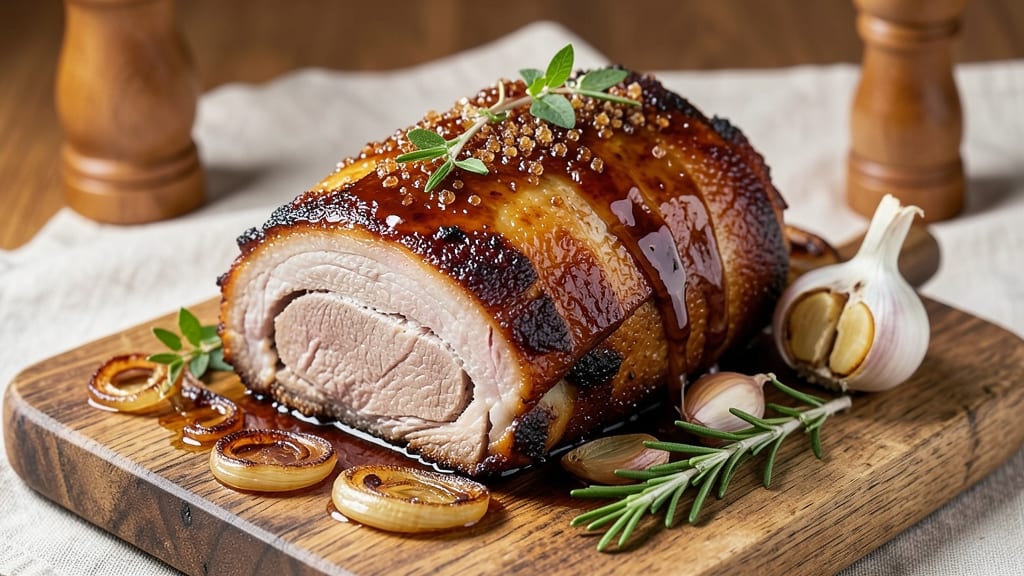
This bone-in pork shoulder roast crock pot recipe transforms tough cuts into melt-in-your-mouth perfection with minimal effort. The key lies in slow cooking—where collagen dissolves into rich, velvety juices that baste the meat throughout.
I've been perfecting this method for years, and it never fails to deliver restaurant-quality results at home.
The beauty of this recipe is its simplicity: just season the pork generously, add a splash of liquid (apple cider works beautifully), and let the crock pot do the rest.
Low and slow is the name of the game here—typically 8 hours on low heat—which ensures the meat becomes so tender it practically falls apart at the touch. The bone-in element adds depth of flavor while keeping the meat moist.
What you'll end up with is a pork shoulder that's impossibly tender, with a crispy, caramelized exterior and juices that make every bite irresistible. The aroma alone will have everyone gathering around the table. This is the kind of dish that turns a simple weeknight into something special.
Serve with classic sides like cornbread, coleslaw, or roasted potatoes to complete the meal. The leftovers reheat beautifully, making this an ideal recipe for feeding a crowd or meal prepping for the week ahead. Let's get started!
Ingredients for bone in pork shoulder roast crock pot
Six simple ingredients transform tough pork into melt-in-your-mouth perfection with minimal effort.
| Ingredient | Amount | Notes |
|---|---|---|
| Bone-In Pork Shoulder 🥓 | 5 lb | With skin and fat cap intact |
| Apple Cider Vinegar 🍎 | ¼ cup | For tenderizing and depth |
| Brown Sugar 🍚 | ½ cup | Packed, for caramelized crust |
| Smoked Paprika 🌶️ | 2 tbsp | For smoky depth of flavor |
| Garlic Powder 🧄 | 1 tbsp | Freshly ground preferred |
| Onion Powder 🧅 | 1 tbsp | For aromatic base |
| Ground Black Pepper 🌶️ | 1 tbsp | Freshly cracked for best flavor |
| Kosher Salt 🧂 | 2 tbsp | Diamond Crystal preferred |
| Apple Cider 🍎 | 1 cup | Unfiltered for authentic taste |
| Beef Broth 🍲 | 1 cup | Low-sodium preferred |
| Olive Oil 🫒 | 2 tbsp | For searing pork before cooking |
| Fresh Rosemary 🌿 | ¼ cup | Chopped, for herbal aroma |
| Fresh Thyme 🌿 | ¼ cup | Leaves only, finely chopped |
The bone-in pork shoulder is the star here—look for a cut with good marbling and a thick fat cap. Costco and local butchers often carry the best quality, but most grocery stores stock it too. A 5-pound bone-in roast is ideal for a crowd, but 3-4 pounds works for smaller gatherings. Pat it dry before seasoning—this helps the spices adhere better and creates a crispier crust. If your pork has a skin side, leave it on for extra flavor and moisture retention. For those who prefer convenience, pre-seasoned pork shoulders at Trader Joe's save time, though homemade seasoning gives superior flavor.
No apple cider? Apple juice or even white grape juice works in a pinch, though the flavor will be slightly milder. The brown sugar is non-negotiable for that caramelized crust—don't substitute white sugar. Fresh herbs elevate the dish, but dried rosemary and thyme at one-third the amount will work if you're short on time. For extra depth, add a splash of Worcestershire sauce (ensure it's vegetarian if needed) to the liquid mixture. The beef broth can be swapped for chicken broth, though beef adds richer flavor. If you're concerned about sodium, use low-sodium broth and reduce the added salt by half.
This pork keeps beautifully—3-4 days in the fridge or 6 months frozen. For best results, let it rest for 15 minutes after cooking before slicing. The juices will redistribute, keeping every bite moist. I like to portion it into individual meal prep containers so it's ready for quick lunches. The leftovers reheat wonderfully—just add a splash of broth or apple cider to keep them juicy. For a restaurant-quality finish, broil the pork for 3-5 minutes before serving to crisp the fat cap. Store any unused broth in the fridge for up to 1 week—it's perfect for soups or gravies.
Why You'll Love This Recipe
- Foolproof Slow Cook: The bone-in pork shoulder practically cooks itself—just toss it in with the vinegar and spices, set it, and forget it. No flipping, no basting, no stress. That’s 8 hours of hands-off magic while you do anything else.
- Smoky-Sweet Magic: The apple cider vinegar tenderizes while the brown sugar and smoked paprika build this deep, caramelized crust that cracks like bark. Honestly, the first bite makes you wonder why you didn’t eat this every week.
- Leftovers? More Like Leftovers Party: This roast practically begs to be made in bulk—shred it for tacos, sandwiches, or even loaded baked potatoes. My freezer’s always stocked with portions because it’s that good (and that easy to reheat).
- Budget Hero: A bone-in pork shoulder costs half what a pre-cut roast does, and the flavors stretch across multiple meals without tasting like leftovers. Between us, this is how I feed my crew without breaking the bank—or my willpower.
Step-by-step instructions for slow-cooked bone-in pork shoulder
Here's the method for melt-in-your-mouth pork that falls apart effortlessly.
Prepare the Pork Shoulder for Maximum Flavor
Remove the 5 lb bone-in pork shoulder from its packaging and pat it completely dry with paper towels. This step is critical—any moisture on the surface will prevent the rub from adhering properly and the skin from developing that beautiful caramelized crust. I like to work in a well-ventilated area because the pork has a strong natural aroma that intensifies as you handle it.
In a medium bowl, combine the 0.25 cup apple cider vinegar, 0.5 cup packed brown sugar, 2 tbsp smoked paprika, 1 tbsp garlic powder, 1 tbsp onion powder, 1 tbsp ground black pepper, and 2 tbsp kosher salt. Mix thoroughly with your hands until the spices are evenly distributed and the mixture forms a coarse paste. This dry rub will create the perfect balance of sweet, smoky, and savory flavors that penetrate the meat during cooking.
Generously coat the pork shoulder with the rub, pressing it firmly into all sides, including the fat cap. Pay special attention to the crevices and any exposed bone areas. The fat cap will render down during cooking, basting the meat and creating that irresistible bark. Place the seasoned pork shoulder on a plate and let it sit at room temperature for 30 minutes before cooking—this ensures even cooking from edge to center.
Sear the Pork Shoulder for Deep Flavor
Heat a large oven-safe skillet over medium-high heat. Add the 2 tbsp olive oil and allow it to get hot but not smoking. Place the pork shoulder fat-side down in the skillet and sear for 4-5 minutes until the fat begins to render and the skin turns golden brown. This initial sear creates a flavorful crust that locks in juices during the slow cook.
Flip the pork shoulder and sear the other side for another 4-5 minutes. You'll notice the fat bubbling and sizzling—this is where the magic happens. The rendered fat carries all those beautiful caramelized flavors into the meat. If the pan starts to smoke excessively, reduce the heat slightly to prevent burning. Once both sides are well-browned, transfer the pork to your slow cooker.
Slow Cook to Perfect Tenderness
Add the 1 cup apple cider and 1 cup beef broth to the slow cooker, along with the 0.25 cup chopped fresh rosemary and 0.25 cup chopped fresh thyme leaves. Place the seared pork shoulder fat-side up in the slow cooker, nestling it into the liquid. The fat cap should remain exposed to the air, which helps create that coveted crispy exterior.
Cover the slow cooker and cook on low heat for 8 hours. This long, gentle cooking time is what transforms tough pork shoulder into tender, pull-apart perfection. The liquid should reduce slightly but remain sufficient to baste the meat throughout the cooking process. I know it's tempting to check on your pork, but resist the urge to lift the lid—each time you do, you release heat and moisture, potentially extending the cooking time.
After 8 hours, check the internal temperature using a meat thermometer. The pork should reach an internal temperature of 195-203°F. At this point, the connective tissues will have broken down completely, and the meat will be fork-tender. If it hasn't reached this temperature, continue cooking for another 1-2 hours, checking periodically.
Rest and Serve for Maximum Juiciness
Once the pork shoulder reaches the proper internal temperature, carefully remove it from the slow cooker and transfer it to a cutting board. Tent loosely with aluminum foil and let it rest for 15-20 minutes. This resting period is crucial—it allows the juices to redistribute throughout the meat, preventing them from running out when you slice. The pork will continue to carry over in temperature during this time, reaching an ideal serving temperature of around 205°F.
After resting, use two forks or a meat cleaver to pull the pork apart against the grain. The meat should separate easily into tender, juicy strands. Discard the bone and any large fat pieces, then shred the meat and return it to the slow cooker. Stir in any accumulated juices from the bottom of the slow cooker—these are packed with flavor and will enhance every bite.
Serve the pulled pork immediately with your favorite sides. The meat should be incredibly tender, with a perfect balance of sweet, smoky, and savory flavors. The slow cooking process has transformed the tough connective tissues into gelatin, creating that signature melt-in-your-mouth texture that makes this dish so irresistible.
Pro Tips For Making Bone In Pork Shoulder Roast Crock Pot
- SEAR THE PORK FIRST: That bone-in shoulder needs a quick, hot sear in a skillet before hitting the crock pot—just 3-4 minutes per side until golden. I learned this the hard way: skipping the sear makes the meat taste bland and watery, no matter how long you slow cook it. The crust adds flavor and keeps the juices from turning the sauce into a murky pool.
- USE REAL APPLE CIDER: Skip the bottled vinegar substitute—real apple cider vinegar (the kind you’d drink) adds depth and a subtle sweet-tart balance that store-bought vinegar can’t match. I was skeptical until I tried it: the sauce actually tastes like it belongs in the dish, not like a science experiment.
- CHECK TEMPERATURE, NOT TIME: Pork shoulder is forgiving, but don’t assume 8 hours on low will do the trick—pull it when the internal temp hits 195°F (203°F for extra crispy skin). My first few batches ended up dry because I relied on time instead of a thermometer. A meat probe makes this foolproof.
- BROWN THE SUGAR: Before adding the brown sugar to the crock pot, toast it in a dry pan for 2-3 minutes until it smells caramelized. This turns the sauce from cloyingly sweet to rich and complex—like the difference between a cookie straight from the bag and one fresh from the oven. Yes, it’s an extra step, but it’s worth it.
Perfect pairings for these flavors
Classic Southern Sides
Nothing complements slow-cooked pork shoulder like creamy coleslaw—my go-to is a tangy mix of shredded cabbage, carrots, and a dressing of mayonnaise, apple cider vinegar, and a touch of honey.
For extra crunch, toss in toasted pecans or crumbled bacon. The acidity cuts through the richness beautifully. 🥗
Cornbread is another must-have—especially the kind with a slightly crumbly texture and a hint of jalapeño for heat. I love using Jiffy cornbread mix for convenience, but homemade with sharp cheddar and buttermilk takes it to the next level. Serve warm with a pat of cultured butter melting on top.
Crunchy Vegetable Pairings
Roasted Brussels sprouts with balsamic glaze add a sophisticated touch. Toss halved sprouts in olive oil, smoked paprika, and salt, then roast at 425°F for 20-25 minutes until crispy. Drizzle with reduced balsamic vinegar and a sprinkle of pecorino cheese for a restaurant-worthy side.
For a lighter option, garlicky green beans sautéed with shallots, lemon zest, and a splash of white wine brighten the plate. I finish them with toasted almonds for texture and a squeeze of fresh lemon to balance the pork’s richness.
Beverage Pairings
A Southern-style sweet tea is the perfect drink to sip alongside this dish. Brew black tea with 1 cup sugar and lemon slices, then chill for 4+ hours. The sweetness contrasts the smoky, savory pork beautifully. For a non-alcoholic option, sparkling apple cider adds a festive touch.
If you’re serving alcohol, a dry Riesling from Germany cuts through the fat while complementing the apple cider notes. For beer lovers, a craft pale ale with honey and citrus notes pairs exceptionally well. I often reach for Allagash White—its crisp finish cleanses the palate between bites.
Make-Ahead Magic
Prep sides the day ahead to save time. Coleslaw and cornbread keep well in the fridge for 24 hours, while roasted Brussels sprouts can be reheated in a 350°F oven for 10 minutes to restore crispness. Green beans are best made fresh but reheat quickly in a skillet with a splash of water. 💡
For a complete meal-prep strategy, cook the pork shoulder on Sunday, shred it, and store it in airtight containers with some of the cooking juices. Reheat with a splash of apple cider or broth to keep it moist. Pair with prepped sides for a stress-free weeknight dinner.
Nutrition facts
Frequently asked questions
Can I use a boneless pork shoulder instead of bone-in?
The bone-in cut is ideal because it adds incredible depth of flavor and helps keep the meat moist during slow cooking. However, you can absolutely use boneless pork shoulder if that's what you have! Just reduce the cooking time slightly to 6-7 hours on low heat, as it will cook faster without the bone's insulating effect. The texture will be slightly different but still delicious.
What if I don't have apple cider or beef broth?
No problem! Apple cider can be swapped for apple juice, white grape juice, or even water with a splash of vinegar. For beef broth, chicken broth works well (though it will be slightly lighter in flavor), or you can use water with bouillon cubes. The key is maintaining some liquid to help tenderize the meat—just don't skip it entirely.
How do I know when the pork is fully cooked?
Use a meat thermometer to check the internal temperature—it should reach 195-203°F for perfect tenderness. The meat will be fork-tender and pull apart easily. If you don't have a thermometer, cut into the thickest part: the juices should run clear, not pink, and the meat should separate with minimal resistance after resting.
Can I cook this in an Instant Pot instead of a crock pot?
For an Instant Pot, sear the pork first, then add 1 cup liquid and cook on low pressure for 90 minutes. Let it naturally release for 15 minutes, then check the temperature. The Instant Pot cooks faster but still delivers incredibly tender results. Just be careful not to overfill the pot—liquid should never exceed the 1/2 mark.
Why did my pork turn out dry?
Dry pork usually means it cooked too long or wasn't rested properly. Always aim for 195-203°F internal temp, not higher. Also, never skip the 15-20 minute rest—this lets juices redistribute. If using a smaller cut (3 lbs), reduce cooking time to 6 hours on low. For future batches, consider adding 1/2 cup extra broth to the liquid mixture.