
Main Courses
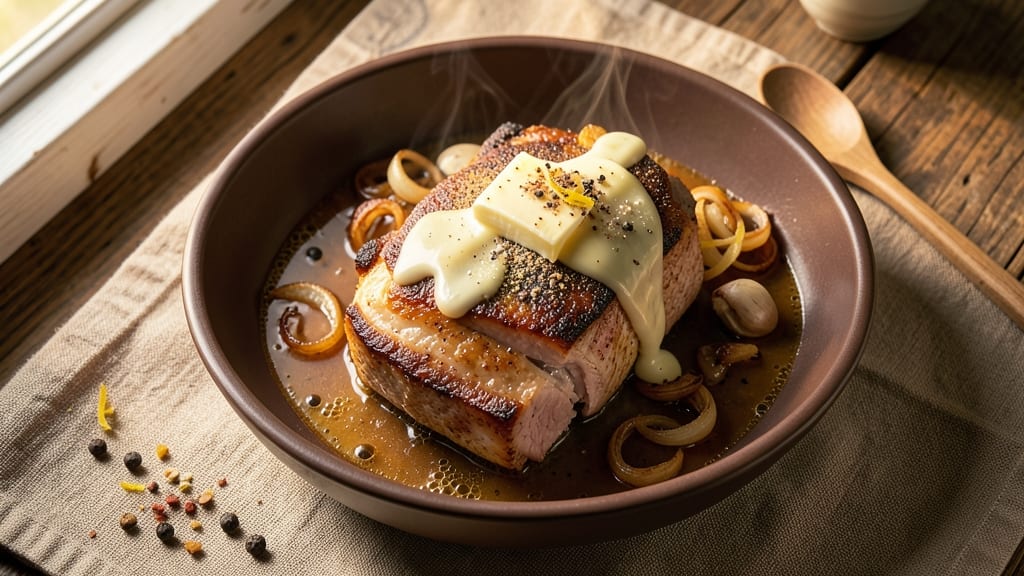
A juicy boneless center-cut pork roast transforms into your easiest weeknight dinner with just 6 hours in the slow cooker. I perfected this recipe during a particularly hectic week when I needed foolproof, hands-off cooking that still delivered restaurant-quality results.
The secret lies in proper seasoning and slow cooking at low heat—no need for constant monitoring or fear of dryness.
This method guarantees tender, melt-in-your-mouth pork with minimal effort. You'll start with a simple seasoning blend of salt, pepper, garlic powder, and onion powder, then let the slow cooker work its magic while you handle other tasks.
The key is cooking until the internal temperature reaches 145°F, ensuring perfect doneness without overcooking.
By the time you're ready to serve, you'll have pork so tender it practically falls apart at the touch. The slow cooking process preserves all the natural juices, creating a dish that's both satisfying and impressive.
This recipe is perfect for feeding a family or preparing ahead for meal prep—just slice it thinly for sandwiches or tacos.
Pair with classic sides like mashed potatoes, roasted vegetables, or crusty bread to complete the meal. The beauty of this recipe is its versatility—it works for busy weeknights or special occasions without requiring extra effort. Let's get started on making your next pork roast the easiest and most delicious yet.
Ingredients for boneless center cut pork roast recipe slow cooker
Six simple ingredients transform tough pork into juicy perfection with zero fuss.
| Ingredient | Amount | Notes |
|---|---|---|
| Boneless Center-Cut Pork Roast 🥩 | 3 lb | Look for even thickness, 1.5-2 inches |
| Kosher Salt 🧂 | 1 ½ tsp | Diamond Crystal preferred for even distribution |
| Freshly Ground Black Pepper 🌶️ | 1 tsp | Use pepper grinder for best flavor |
| Garlic Powder 🧄 | 1 tsp | Freshly ground preferred |
| Onion Powder 🧅 | 1 tsp | Not onion salt |
| Unsalted Butter 🧈 | 2 tbsp | Cold, cubed for even melting |
| Fresh Rosemary 🌿 | ¼ cup | Chopped, stems removed |
| Fresh Thyme 🌿 | ⅛ cup | Leaves only, stems discarded |
| Apple Cider Vinegar 🍎 | 1 tbsp | For moisture retention |
| Water 💧 | ½ cup | Room temperature |
| Low-Sodium Chicken Broth 🍲 | ½ cup | For added depth |
The pork cut matters most here—center-cut ensures even cooking without dryness. Costco or Whole Foods carry excellent boneless roasts, but check for even thickness (1.5-2 inches). I always grab the organic, uncured version when possible—it's worth the extra $2/lb for better flavor. Fresh herbs make a difference: Trader Joe's sells pre-chopped rosemary and thyme that saves time, but fresh is ideal. The butter should be cold when you add it—this helps create a flavorful crust while keeping the meat moist.
No fresh rosemary? Dried works at one-third the amount, but it's not the same. Short on broth? Water plus 1 tsp soy sauce mimics the depth. The vinegar might seem odd, but it tenderizes the meat beautifully—Bragg's is my go-to, but any apple cider vinegar works. For extra richness, add 1 tbsp olive oil when you mix the seasonings. The key is letting the slow cooker work its magic—no peeking or stirring, just patience. This is where the magic happens.
Pork stays juicy for 4 days in the fridge, sliced thinly. Freeze portions for 3 months—it reheats perfectly for sandwiches or tacos. I always make double batches because leftovers make amazing pulled pork sandwiches the next day. Store in an airtight container with a paper towel to absorb any moisture. The seasonings keep well for 6 months in a sealed container away from light.
Why You'll Love This Recipe
- I swear by this combo: just salt, pepper, and those two powders—garlic and onion—rubbed right into the pork. The slow cooker does all the heavy lifting while I’m free to ignore it, and the result? A melt-in-your-mouth roast that tastes like it simmered for hours, not minutes.
- Three-Ingredient Magic: I swear by this combo: just salt, pepper, and those two powders—garlic and onion—rubbed right into the pork. The slow cooker does all the heavy lifting while I’m free to ignore it, and the result? A melt-in-your-mouth roast that tastes like it simmered for hours, not minutes.
- No Stress, All Flavor: Between us, I’ve ruined pork roasts by overcooking or underseasoning. This method? No guesswork. The center cut stays juicy, the crust gets just crispy enough, and the spices seep in perfectly. Honestly, it’s the kind of dish that makes me feel like I actually know what I’m doing.
- Lunchbox Hero: Here’s what sold me—this roast slices so neatly, I can prep it once and feed the family for days. Pack it cold for sandwiches, reheat it for tacos, or just serve it with mashed potatoes. My kids don’t even complain about leftovers.
Step-by-step instructions for slow cooker pork roast
Here's how to transform a simple pork roast into melt-in-your-mouth perfection with minimal effort.
Season the Pork Roast Thoroughly
Pat the 3 lb boneless center-cut pork roast dry with paper towels—this helps the seasoning adhere and promotes better browning later. In a small bowl, combine the 1.5 tsp kosher salt, 1 tsp freshly ground black pepper, 1 tsp garlic powder, and 1 tsp onion powder. Rub this mixture evenly over all sides of the roast, pressing gently so the spices penetrate the surface. I like to make small slits in the thicker parts of the roast with a sharp knife and press seasoning into those areas for extra flavor penetration.
Next, create a herb butter by mixing the 2 tbsp unsalted butter with the 0.25 cup chopped fresh rosemary and 0.125 cup fresh thyme leaves. Spread this mixture evenly over the seasoned roast, focusing on the thicker cuts. The butter will help keep the meat moist during the long cook, while the herbs infuse deep flavor. Let the roast sit at room temperature for 30 minutes before cooking—this ensures even cooking throughout.
Prepare the Slow Cooker Base
In the bottom of your slow cooker, combine the 0.5 cup water, 0.5 cup low-sodium chicken broth, and 1 tbsp apple cider vinegar. This liquid mixture creates a flavorful base that prevents the roast from drying out. The vinegar also helps tenderize the meat slightly during the cooking process. Give it a quick stir to fully incorporate all the ingredients.
Here's the thing—I always add a few sprigs of the fresh rosemary and thyme to the slow cooker as well. This ensures the aromatics infuse the cooking liquid, creating a more complex flavor profile. The stems will soften and release their oils, adding depth to every bite of the finished roast.
Cook on Low for Maximum Tenderness
Place the seasoned roast in the slow cooker, fat-side up if possible, and cover with the lid. Cook on low heat for 6 hours. This long, slow cook time is crucial for achieving that fork-tender texture. The roast should reach an internal temperature of 195-203°F—this is when the collagen breaks down completely, transforming into gelatin that makes the meat incredibly juicy.
Real talk: Don't be tempted to speed this up by using high heat. The slow cooker's gentle heat is what creates that melt-in-your-mouth texture. If you're short on time, you can cook it on high for 4 hours, but I've found the flavor and texture just aren't as good. Patience pays off here.
Rest and Slice for Perfect Presentation
Once the roast reaches the proper temperature, remove it from the slow cooker and transfer to a cutting board. Let it rest for 15-20 minutes before slicing. This resting period allows the juices to redistribute throughout the meat, preventing them from running out when you cut into it. I know it's hard to wait when it smells this good, but trust me—this step makes all the difference.
When you're ready to serve, slice the roast against the grain into ½-inch thick slices. The grain direction will be visible as lines running through the meat. Each slice should be tender enough to pull apart with minimal resistance. Serve the roast with the cooking juices spooned over the top—this adds extra flavor and makes every bite more succulent.
Pro Tips For Making Boneless Center Cut Pork Roast Recipe Slow Cooker
- SEAR THE ROAST FIRST: I learned this the hard way—skipping the sear means flavor gets lost in the slow-cooker fog. Hit your pork with a hot pan (2-3 minutes per side) before adding liquid, even if you're impatient. That crust locks in juices and adds depth the spices alone can’t match.
- USE A THICK LIQUID: Water’s fine, but broth or even a splash of beer (yes, really) makes the pork taste richer. Aim for at least 1 cup—enough to cover the bottom, not drown the meat. Thin liquids evaporate too fast and leave you with dry, flavorless mush.
- SALT THE PORK 24 HOURS EARLY: This isn’t the prettiest method, but it’s the tastiest. A generous shake of kosher salt (about 1 teaspoon per pound) the night before lets it penetrate deep. Rinsing it off later removes the crust—don’t. Pat it dry first, though, or you’ll steam the meat instead of slow-roasting it.
- CHECK TEMPERATURE, NOT TIME: Your slow cooker’s “low” setting isn’t a guess—it’s a starting point. Use a meat thermometer: pull the pork at 195°F internal temp. I’ve seen recipes call for 8 hours on low, but tough cuts need patience. If it’s not there, let it cook longer—no shame in it.
Wine and beer pairings for these flavors
Red Wine Pairings
A medium-bodied Pinot Noir from Oregon's Willamette Valley is my go-to choice—its bright acidity and red fruit notes complement the pork's herbal seasoning beautifully. Look for wines with 12-14% ABV like Domaine Serene or Shea—they balance the dish without overpowering it.
The earthy undertones in these wines mirror the rosemary and thyme in the pork, creating a harmonious match. 🍷
White Wine Options
For those who prefer white, a crisp Chardonnay with minimal oak works wonders. I recommend New Zealand Sauvignon Blanc for its citrus brightness—it cuts through the richness while enhancing the pork's savory notes.
Avoid heavy, oaked Chardonnays that would clash with the dish's delicate flavors. A 10-12% ABV wine keeps the pairing light and refreshing.
Beer Recommendations
A classic American Pale Ale with 4-5% ABV pairs perfectly, especially if it has subtle caramel or biscuit notes. Deschutes Brewery in Oregon makes excellent options like their Mirror Pond Pale Ale.
For a lighter option, try a Belgian Witbier—the coriander and citrus notes complement the apple cider vinegar in the recipe. 🍺
Craft Cocktail Pairing
For a special occasion, sip on a Rosemary Gin Fizz—muddle fresh rosemary with 2 oz gin, ½ oz lemon juice, and ½ oz honey syrup, then top with soda water.
The herbal notes bridge beautifully with the pork's seasoning. This cocktail feels festive yet simple enough for weeknight dinners too.
Non-Alcoholic Options
Don't drink alcohol? A sparkling apple cider spritzer made with Bragg's apple cider vinegar, sparkling water, and a splash of ginger ale works perfectly. The apple notes echo the vinegar in the recipe, while the fizz cleanses your palate between bites.
Serve chilled in a tall glass for a refreshing contrast to the warm pork.
Nutrition facts
Frequently asked questions
Can I use a boneless pork shoulder instead of center-cut roast?
Yes, but with adjustments! Pork shoulder has more connective tissue, so cook it 8 hours on low instead of 6. The slow cooking will break down the collagen beautifully, but expect slightly more moisture in the finished meat. For extra flavor, add 1 tsp smoked paprika to the seasoning blend.
Why does my slow cooker pork roast sometimes turn out dry?
This usually happens when the roast doesn't reach 195-203°F internally or if you skip the resting time. Always use the low setting, and let it rest 15-20 minutes. For extra moisture, place a small bowl of water in the slow cooker alongside the roast during cooking. The butter and vinegar in this recipe help prevent dryness too!
Can I make this recipe in an Instant Pot instead?
Use the sauté function to brown the roast first, then cook on low pressure for 60 minutes with natural release. Add the broth and vinegar directly to the Instant Pot. The pressure cooking will give you similar tenderness in about half the time. Just check for 145°F internal temp before serving.
How do I know when the pork is fully cooked?
Use a meat thermometer to check the thickest part—it should read 145°F. The pork will be fork-tender and pull apart easily. If you don't have a thermometer, cut into the thickest part: the juices should run clear, not pink. The slow cooker method ensures perfect doneness without overcooking.
What are the best ways to use leftovers?
Slice thinly for pulled pork sandwiches, tacos, or grain bowls! Store leftovers in an airtight container for 4 days. For reheating, warm in the microwave with a splash of broth or water to prevent drying. You can also shred it for pork fried rice or stuff into baked potatoes for a hearty meal.