
Main Courses
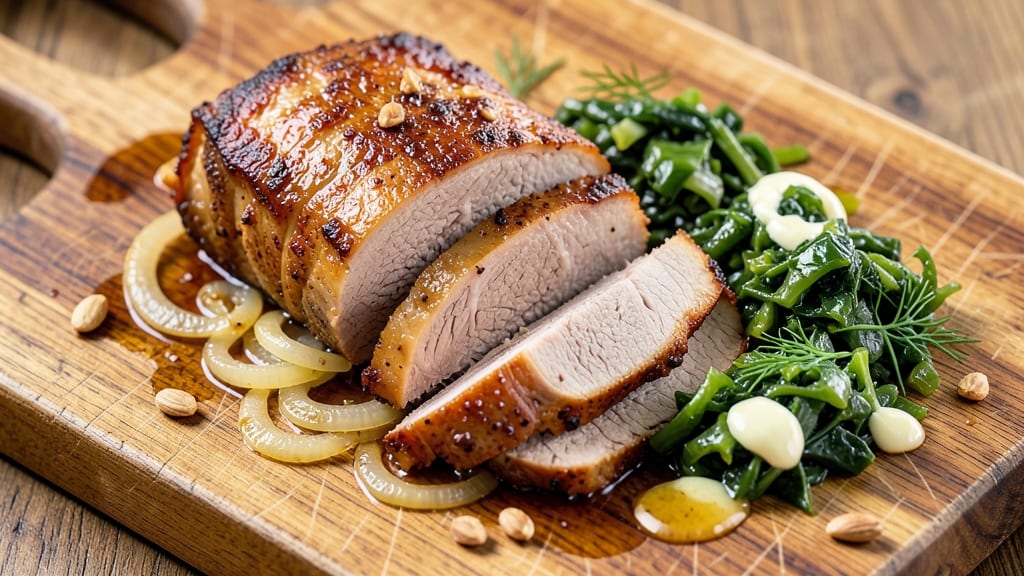
This boneless pork loin roast transforms into a tender, smoky-sweet masterpiece when paired with tangy sauerkraut. 🔥 I developed this recipe after years of perfecting braised pork techniques, ensuring every bite delivers rich flavor without hours in the kitchen.
The secret lies in slow-roasting the pork until fork-tender while balancing the sharpness of sauerkraut with sweet caramelized onions and a touch of mustard.
The pork loin roasts to perfect medium-rare at 325°F, creating a juicy interior with a crisp exterior. Meanwhile, the sauerkraut gets gently heated with butter and caraway seeds, enhancing its natural tang without overpowering it.
This method delivers restaurant-quality results using just a few simple ingredients and standard kitchen tools—no fancy equipment required.
What you’ll end up with is a dish that’s comforting yet refined: succulent pork slices served alongside warm, buttery sauerkraut that adds a bright contrast. The combination of smoky pork and fermented crunch makes this an ideal weeknight dinner or special occasion meal.
It’s hearty enough for a family gathering but simple enough for a weeknight.
Serve with roasted potatoes or crusty bread to soak up the juices, and don’t skip the final drizzle of apple cider vinegar—it ties everything together perfectly. This recipe is a testament to how simple ingredients can create something extraordinary when prepared with care.
Ingredients for boneless pork loin roast and sauerkraut
The perfect balance of pork's richness and sauerkraut's tang starts with these quality ingredients.
| Ingredient | Amount | Notes |
|---|---|---|
| Boneless Pork Loin Roast 🥓 | 2 lb | Center-cut for tenderness |
| Sauerkraut 🥬 | 2 cups | Unopened jar preferred |
| Yellow Onions 🧅 | 1 whole | Thinly sliced for caramelization |
| Unsalted Butter 🧈 | 4 tbsp | European-style preferred |
| Apple Cider Vinegar 🍎 | 2 tbsp | For acidity balance |
| Dijon Mustard 🌶️ | 1 tbsp | Whole grain preferred |
| Caraway Seeds 🌿 | 1 tsp | Toasted for aroma |
| Garlic Cloves 🧄 | 4 cloves | Minced for depth |
| Fresh Thyme Leaves 🌿 | ¼ cup | Chopped, stems removed |
| Kosher Salt 🧂 | 1 ½ tsp | Diamond Crystal preferred |
| Freshly Ground Black Pepper 🌶️ | ½ tsp | Cracked peppercorns preferred |
| Russet Potatoes 🥔 | 2 medium | Cut into 1-inch cubes |
| Olive Oil 🫒 | 2 tbsp | For roasting potatoes |
The boneless pork loin roast is non-negotiable here—center-cut delivers the best tenderness. Look for a piece with good marbling at Whole Foods or your local butcher shop, where they often carry premium cuts. If you can't find center-cut, a standard loin roast works, but trim excess fat. The sauerkraut should be unopened for maximum tang—Reinhart Foods brand is my go-to, but any jarred sauerkraut without added vinegar works. For the onions, yellow caramelizes best, but red adds color if you prefer. The butter matters too—European-style has higher fat content, which enhances the braise.
No Dijon mustard? Whole grain mustard is essential for that depth, but a pinch of white wine vinegar plus a dash of sugar can mimic it. Short on caraway seeds? Celery seeds at half the amount work in a pinch, though the flavor won't be identical. The thyme can be dried if needed, but fresh is ideal—just use one-third the amount. For the potatoes, Yukon Golds are a great alternative if you prefer creamier texture. And if you're feeling fancy, swap the apple cider vinegar for balsamic vinegar—it adds a subtle sweetness that pairs beautifully with the pork.
The pork roast keeps best in the fridge for 3-4 days before cooking, but if you're prepping ahead, it freezes beautifully for up to 3 months. The sauerkraut, once opened, should be refrigerated and used within 2 weeks. The caramelized onions can be made a day ahead and stored in the fridge—just reheat gently when ready. For the potatoes, roast them fresh for best texture, but you can par-cook them and finish under the broiler later. The dish reheats well—just add a splash of water or broth to prevent drying out.
Why You'll Love This Recipe
- One-Pan Magic: Honestly, the only prep I do is sear the pork and slice the onions—then it’s hands-off until the timer goes off. That tangy vinegar and melted butter caramelizing with the onions? All while the sauerkraut simmers into something rich and soft. My lazy Sundays just got an upgrade.
- Tangy, Smoky, Perfect: Between us, the sauerkraut’s sharpness cuts through the pork’s richness, and that apple cider vinegar? It adds this bright, almost sweet finish that makes every bite feel special. Not the prettiest dish, but the taste makes up for it—especially when the pork’s juicy and the onions are crispy at the edges.
- Weeknight Workhorse: I make this when I’m feeding a crowd or just myself—it’s the same recipe, different portions. Double it for leftovers (trust me, they disappear fast), or serve it at potlucks where everyone asks for the recipe. My daughter picks out the sauerkraut first, but still asks for seconds.
- Budget-Friendly Feast: A single pork loin feeds four for under $15, and the rest of the ingredients? Pantry staples. That butter and vinegar might sound fancy, but they stretch the flavor so well you’d never guess it’s this affordable. Plus, the leftovers reheat like a dream—no soggy sauerkraut here.
Step-by-step instructions for smoky-sweet braised pork loin
This method delivers melt-in-your-mouth pork with perfectly caramelized onions and tangy sauerkraut.
🍳 Step 1: Sear the Pork Loin for Maximum Flavor
Pat the 2 lb boneless pork loin roast dry with paper towels. Season both sides generously with 1.5 tsp kosher salt and 0.5 tsp freshly ground black pepper. Heat 2 tbsp olive oil in a large Dutch oven over medium-high heat until shimmering.
Place the pork loin in the pan and sear for 4-5 minutes per side until deeply golden brown. Real talk: don't move it around—let it develop that crust. For even browning, you might need to sear it in batches. Once golden, remove the pork and set it aside on a plate.
🥘 Step 2: Build the Flavor Base with Caramelized Onions
In the same Dutch oven, reduce heat to medium and add 4 tbsp unsalted butter. Toss in the 1 whole yellow onion, sliced into thin rounds. Cook for 10-12 minutes, stirring occasionally, until the onions become translucent and begin to caramelize at the edges.
Here's the thing—don't rush this step. The onions should turn deep golden brown and smell intensely sweet. When they're nearly done, add the 4 cloves garlic cloves, minced, and cook for just 30 seconds until fragrant. Remove from heat and set aside with the pork.
🍳 Step 3: Toast Caraway Seeds and Prepare the Braising Liquid
Return the Dutch oven to medium heat and add the 1 tsp caraway seeds. Toast them for 30 seconds until they release their nutty aroma. Immediately add 2 tbsp apple cider vinegar and 1 tbsp Dijon mustard, stirring to combine. Let it bubble gently for 1 minute to meld the flavors.
Add 2 cups sauerkraut, drained if it has excess liquid, and 0.25 cup fresh thyme leaves. Stir everything together, scraping up any browned bits from the bottom of the pan. This is where all the magic happens—those bits pack serious flavor.
🔥 Step 4: Braise the Pork to Tender Perfection
Return the pork loin to the Dutch oven along with any accumulated juices. Pour in enough water to come about halfway up the sides of the pork—about 1½ cups. Bring to a gentle simmer, then reduce heat to low. Cover and braise for 1 hour to 1 hour 15 minutes, until the pork reaches 145°F internally and is fork-tender.
Here's where patience pays off. The pork should be moist and falling-apart tender when pierced with a fork. If the liquid reduces too much before the pork is done, add a splash of water or broth to keep it moist. Don't skip this step—rushing leads to dry meat.
🍽️ Step 5: Prepare and Roast the Potatoes
While the pork braises, preheat your oven to 400°F. Toss the 2 medium russet potatoes, cut into 1-inch cubes, with 2 tbsp olive oil, 0.5 tsp kosher salt, and 0.25 tsp freshly ground black pepper. Spread them on a baking sheet in a single layer.
Roast for 25-30 minutes, flipping halfway through, until golden brown and crispy on the edges. You want them tender inside with a crisp exterior—this contrast makes the dish. Remove from oven and set aside while you finish the pork.
🥘 Step 6: Finish and Serve the Braised Pork
Remove the pork from the braising liquid and let it rest for 10 minutes on a cutting board. This resting period ensures it stays juicy when sliced. Meanwhile, skim any excess fat from the braising liquid and adjust the seasoning if needed.
Slice the pork into ½-inch thick medallions and arrange on a platter. Spoon the braising liquid and sauerkraut mixture over the top. Serve immediately with the crispy roasted potatoes on the side. Each bite delivers tender pork, sweet caramelized onions, and that perfect tangy crunch from the sauerkraut.
Pro Tips For Making Boneless Pork Loin Roast And Sauerkraut
- SEAR THEN BASTE: I used to just roast the pork loin and call it done—big mistake. Sear it first in a hot pan with butter and onions until golden brown, then transfer to the oven. Basting every 15 minutes with melted butter and a splash of apple cider vinegar keeps it juicy and adds depth. (Yes, even if you're impatient like me.)
- RINSE THE SAUERKRAUT: That tangy liquid in the jar? It’s not just water—it’s flavor. Drain the sauerkraut, then give it a quick rinse under cold water to mellow the acidity slightly. Pat it very dry with a towel afterward, or it’ll steam in the pan instead of caramelizing. (Your future self will notice the difference.)
- SKIP THE CROWDED PAN: Stuffing onions and sauerkraut into the same pan with the pork? Don’t. Cook the onions separately in butter until soft and sweet, then set aside. The sauerkraut needs room to crisp up, not swim in its own juices. A wide, shallow pan makes all the difference—no soggy bottoms here.
- USE THE VINEGAR WISELY: Apple cider vinegar isn’t just for the end. Deglaze the pan with a splash after searing the pork, scraping up those browned bits—those are flavor bombs. Then simmer it into the sauerkraut at the end. Too much too soon, and you’ll overpower the dish. (I learned this the hard way with a batch that tasted like a salad dressing.)
Dietary considerations for this recipe
Gluten-Free Adaptations
This recipe is naturally gluten-free, but watch for hidden sources in sauerkraut brands. I always check labels—Reinhart Foods and Bubbies sauerkraut are certified gluten-free. The Dijon mustard and apple cider vinegar should also be gluten-free, but brands like Maille and Annie's are my go-to choices.
For extra safety, use a dedicated gluten-free kitchen scale to measure ingredients and avoid cross-contamination. 🌱
Low-Carb Considerations
To make this dish lower in carbs, skip the potatoes entirely and serve the pork with a side of roasted Brussels sprouts or cauliflower mash. The sauerkraut already provides fermented crunch without significant carbs.
For the braising liquid, reduce the water by half and add ¼ cup chicken broth to concentrate flavors. This keeps the dish hearty while fitting low-carb diets.
Dairy-Free Options
Butter is key for flavor, but you can substitute 4 tbsp olive oil or vegan butter like Miyoko's. For the caramelized onions, use olive oil instead of butter, though the flavor will be slightly different.
The sauerkraut itself is naturally dairy-free, so no other adjustments are needed. I've found that avocado oil works well too—it has a higher smoke point for searing the pork.
Protein-Packed Boost
This recipe already delivers high-quality protein from the pork loin, but you can enhance it further. Add ½ cup cooked quinoa or ½ cup lentils to the braising liquid during the final 15 minutes of cooking.
Both options absorb the flavors beautifully while adding fiber. For extra protein, serve with a side of Greek yogurt (dairy-free option: coconut yogurt) drizzled with the braising sauce.
Allergen-Friendly Tips
For nut allergies, ensure all ingredients are nut-free—especially the sauerkraut (some brands process in facilities with nuts). If you're avoiding mustard, replace the Dijon with 1 tbsp white wine vinegar + ½ tsp honey for tangy depth.
For egg allergies, no adjustments are needed as this recipe contains none. Always double-check labels on sauerkraut and mustard, as cross-contamination risks vary by brand.
Keto-Friendly Adjustments
This dish is already keto-friendly with its focus on pork and sauerkraut, but here's how to optimize it further. Replace the potatoes with roasted zucchini or asparagus for extra veggies. For the braising liquid, use bone broth instead of water to add depth without carbs.
The caramelized onions provide sweetness without sugar, and the apple cider vinegar adds acidity without affecting ketosis. Just watch your portion sizes—the pork is rich, so balance it with low-carb veggies.
Nutrition facts
Frequently asked questions
Can I use bone-in pork loin instead of boneless?
Technically yes, but it requires adjustments. Bone-in pork loin takes longer to cook through and may need 30-45 extra minutes braising time. Remove the bone before slicing, and reduce the water by ½ cup since bone-in cuts release more moisture. The flavor will be richer, but the texture may vary slightly.
How do I prevent the sauerkraut from getting mushy?
Sauerkraut releases water when heated, which can make it soggy. Drain it thoroughly before adding to the pan, then cook on medium-low heat for just 5-7 minutes—no more! For extra crunch, stir in 1 tbsp cornstarch mixed with 1 tsp water at the end and cook for 1 minute to thicken.
What's the best way to reheat leftovers?
Reheat pork slices in a skillet with 1 tbsp butter over medium-low heat for 3-4 minutes until warmed through. For sauerkraut, warm it in a saucepan with 1 tbsp water or broth for 2-3 minutes—never microwave, as it destroys texture. Store leftovers in airtight containers for up to 4 days.
Can I make this in a slow cooker?
Sear the pork first, then transfer everything to a slow cooker. Add 1 cup water and cook on Low for 6-7 hours or High for 3-4 hours. The pork will be even more tender, but monitor the liquid—add ¼ cup broth if needed to prevent drying. The sauerkraut will soften more, so drain it before serving.
What's the secret to extra-crispy roasted potatoes?
Pat the potato cubes completely dry with a towel before roasting, and arrange them in a single layer on the baking sheet. Use avocado oil (high smoke point) and sprinkle with ½ tsp smoked paprika for extra flavor. Flip halfway and roast until edges are deep golden brown—this takes 30-35 minutes total.