
Main Courses
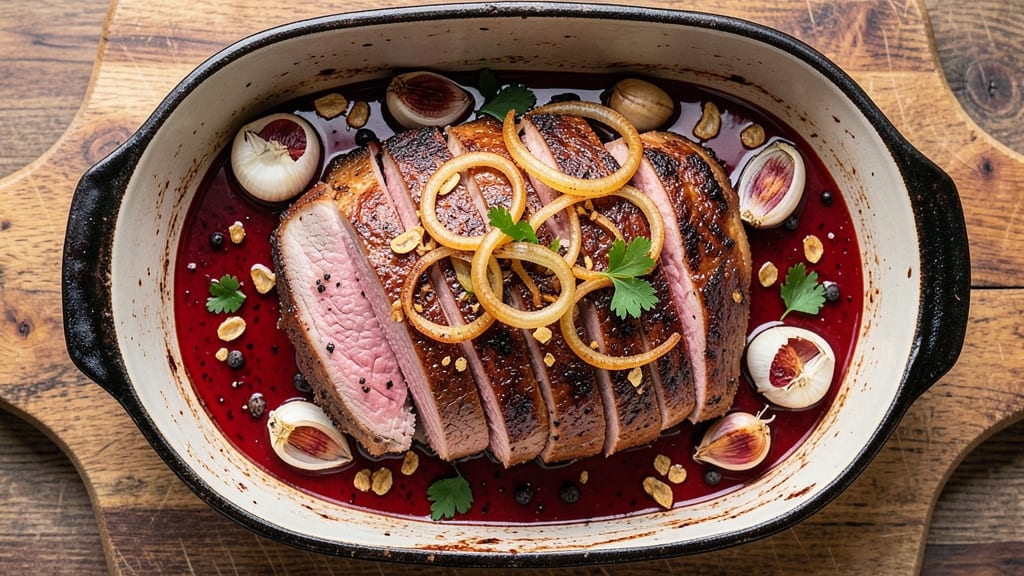
This boneless pork ribeye roast crock pot recipe transforms tough cuts into melt-in-your-mouth perfection with minimal effort. After years of perfecting slow-cooked pork techniques—especially for busy weeknights—I’ve cracked the code for juicy, tender meat without the hassle of bones.
The secret? A precise blend of spices and the right cooking time that turns even the most budget-friendly cuts into restaurant-quality centerpieces.
What sets this method apart is how it handles the roast’s natural collagen—slow cooking breaks it down into rich, velvety moisture while keeping the exterior tender, not tough.
You’ll start with a simple dry rub of salt, pepper, and smoked paprika (no fancy ingredients needed), then let the crock pot work its magic for 6-8 hours on low. This approach ensures every bite stays succulent, even if you’re feeding a crowd.
The result is a foolproof roast that practically falls apart at the touch, with a flavor profile that’s both bold and balanced—smoky from the spices, rich from the slow render, and perfectly seasoned throughout.
The beauty of this technique is its versatility: serve it sliced for sandwiches, shredded for tacos, or as-is with classic sides like mashed potatoes or roasted vegetables.
For those who love pork but dread the prep, this method delivers restaurant-quality results with just 15 minutes of hands-on time. The crock pot does all the heavy lifting while you focus on the sides—because even the best roast deserves a worthy supporting cast. Let’s get cooking.
Ingredients for boneless pork ribeye roast crock pot
Six simple ingredients transform tough pork into melt-in-your-mouth perfection.
| Ingredient | Amount | Notes |
|---|---|---|
| Boneless Pork Ribeye Roast 🥩 | 3 lb | Thick-cut preferred for juiciness |
| Kosher Salt 🧂 | 1 ½ tbsp | Diamond Crystal preferred |
| Freshly Ground Black Pepper 🌶️ | 1 ½ tsp | Freshly cracked for bold flavor |
| Smoked Paprika 🌶️ | 1 tbsp | High-quality for smoky depth |
| Garlic Powder 🧄 | 1 tsp | Fresh ground preferred |
| Onion Powder 🧅 | 1 tsp | Adds subtle sweetness |
| Worcestershire Sauce 🍯 | 1 tbsp | Vegan version if needed |
| Beef Broth 🍲 | 1 cup | Low-sodium preferred |
| Olive Oil 🫒 | 1 tbsp | For searing before slow cooking |
| Fresh Rosemary 🌿 | ¼ cup | Chopped, optional for aroma |
| Apple Cider Vinegar 🍎 | 1 tsp | Brightens flavor profile |
| Brown Sugar 🍬 | 1 tbsp | Enhances caramelization |
| Water 💧 | ½ cup | For crock pot liquid base |
The pork ribeye is the star—look for thick-cut boneless roasts at Costco or local butchers for the best tenderness. I always grab mine from the meat counter where they can trim the fat to my preference. Smoked paprika is non-negotiable here—it adds that restaurant-quality smokiness without overpowering. If you're using a pre-cut roast, pat it dry before seasoning (trust me on this). The beef broth? Low-sodium versions from Swanson or Kitchen Basics keep the flavor balanced without extra salt.
No smoked paprika? Regular paprika plus a pinch of liquid smoke works in a pinch. Fresh rosemary wilting? Dried rosemary at one-third the amount still adds great aroma. The Worcestershire sauce can be swapped for soy sauce or coconut aminos if you're avoiding it. For a sweeter touch, honey or maple syrup replaces the brown sugar (though I prefer the caramel notes). The vinegar might sound odd, but it cuts through the richness beautifully—don't skip it. If you're feeding a crowd, double the broth and water amounts to keep everything moist.
This roast reheats like a dream—honestly, it tastes even better the next day. Store leftovers in an airtight container for up to 4 days in the fridge, or freeze portions for 3 months. I like to slice it against the grain for sandwiches, but you can shred it for tacos too. The crock pot liquid makes great gravy—just strain it and simmer with a cornstarch slurry. For extra flavor, save some of the juices and reduce them with a splash of vinegar.
Why You'll Love This Recipe
- Smoky-Garlicky Magic: That smoked paprika and garlic powder combo? It transforms a simple roast into something restaurant-worthy without extra effort. The crust gets just crispy enough, and the inside stays juicy—like a hug for my taste buds.
- Leftovers for Days: Cook once, eat twice (or three times). The roast stays tender for sandwiches, salads, or even breakfast hash the next morning. Honestly, I make this on Sundays just so I can grab slices all week.
- Budget-Friendly Feast: A single roast feeds my family of four and leaves enough for leftovers—way cheaper than buying individual steaks. Plus, the spices cost pennies, so it’s basically free flavor upgrade every time.
Step-by-step instructions for slow-cooked pork ribeye roast
Here's how to transform a simple roast into melt-in-your-mouth perfection using your crock pot.
Season the Roast Thoroughly
Pat the 3 lb boneless pork ribeye roast dry with paper towels—this helps the seasoning stick and promotes better browning later. In a small bowl, mix together the 1.5 tbsp kosher salt, 1.5 tsp freshly ground black pepper, 1 tbsp smoked paprika, 1 tsp garlic powder, and 1 tsp onion powder. Rub this mixture all over the roast, pressing it into the meat so it penetrates the surface.
Next, brush the roast lightly with the 1 tbsp olive oil to help the seasoning adhere even better. For extra aroma, sprinkle the chopped 0.25 cup fresh rosemary over the top. Let the seasoned roast sit at room temperature for about 30 minutes before cooking—this ensures even cooking throughout.
Sear the Roast for Maximum Flavor
Heat a large skillet over medium-high heat until it's hot. Add the seasoned roast and sear it on all sides for about 2-3 minutes per side until it develops a golden-brown crust. This step adds incredible depth of flavor that the slow cooker will enhance.
While the roast is searing, prepare your crock pot by adding the 1 cup beef broth, 1 tbsp Worcestershire sauce, 1 tsp apple cider vinegar, 1 tbsp brown sugar, and 0.5 cup water. Stir everything together to combine. Once the roast is nicely browned, transfer it to the crock pot and place it in the liquid.
Slow Cook to Juicy Perfection
Cover the crock pot and cook the pork roast on low heat for 8-10 hours. This long, slow cooking time is what makes the meat incredibly tender and juicy. The roast is done when it reaches an internal temperature of 195°F and can be easily shredded with two forks.
Real talk: Don't be tempted to check on the roast or lift the lid during cooking—every time you do, you lose heat and moisture, which can make the meat tougher. The flavors will develop beautifully without any interference.
Rest and Serve
Once the roast is fully cooked, carefully remove it from the crock pot and transfer it to a cutting board. Let it rest for at least 15 minutes before slicing. This resting time allows the juices to redistribute throughout the meat, ensuring each bite is moist and flavorful.
Slice the roast against the grain into ½-inch thick pieces and serve it with the delicious cooking juices from the crock pot. You can use these juices as a sauce for the sliced pork or pour them over mashed potatoes, rice, or crusty bread for an extra burst of flavor.
Pro Tips For Making Boneless Pork Ribeye Roast Crock Pot
- SEAR FIRST, THEN SLOW: That boneless ribeye roast needs a quick sear in a hot pan—2 minutes per side—before it hits the crock pot. I learned this the hard way: skipping the sear leaves you with bland, gray meat. Use a little olive oil and don’t overcrowd the pan.
- SALT THE MEAT BEFORE SEASONING: Generously coat the roast with kosher salt before adding black pepper or paprika. Let it sit for 10 minutes—this helps the seasoning stick and keeps the meat juicy. (Yes, even if you’re impatient like me.)
- USE A MEAT THERMOMETER: Pull the roast when it hits 145°F internally—no guessing. I used to eyeball it and ended up with dry meat every time. For a crock pot, low and slow (200°F for 6-8 hours) works, but precision matters.
- ADD A SPLASH OF BROTH: Dump in ½ cup of beef broth or water when you add the roast—it prevents the spices from burning and keeps the meat moist. (Your crock pot’s bottom will thank you.) Skip this, and you risk a dry, paprika-crusted brick.
Troubleshooting perfect results
Overcooked or Tough Meat
If your roast turns out dry or tough, it likely didn't cook long enough on low heat. I've seen this happen when people rush the process or use high heat. The magic number is 8-10 hours on low—any less and the collagen won't break down properly.
For future attempts, use a meat thermometer to check the internal temperature at 195°F—this ensures perfect tenderness. 🌡️
Pale or Bland Flavor
Bland pork usually means the seasoning didn't penetrate enough or the sear wasn't deep enough. Always pat the roast completely dry before seasoning, and don't skip the 2-3 minute sear per side in a hot skillet.
For extra depth, add 1 tsp liquid smoke to the crock pot liquid if you don't have smoked paprika. I've also found that adding ½ tsp cayenne pepper to the dry rub adds subtle heat that wakes up the flavor.
Excessive Liquid in Crock Pot
Too much liquid can dilute the flavor and make the meat watery. The recipe calls for 1.5 cups total liquid—any more and you'll end up with pork stew. If your crock pot has a lot of extra space, reduce the broth to ½ cup instead.
For larger crock pots, consider using a roast rack to keep the meat elevated above the liquid while still allowing it to cook in the steam.
Uneven Cooking or Cold Spots
Uneven cooking often happens when the roast is too large for your crock pot or when it's crowded. For a 3 lb roast, a 6-quart crock pot is ideal. If you're using a smaller pot, consider cooking it for 1-2 extra hours to ensure even doneness.
I've also found that placing the roast on a bed of chopped onions helps distribute heat more evenly while adding sweetness.
Stuck-on Seasoning
Seasoning sticking to the meat is usually a moisture issue.
Safety Concerns
Pork should always reach an internal temperature of at least 145°F for safe consumption. For this recipe, we aim for 195°F for maximum tenderness, but never serve it below 145°F. If your thermometer shows 145°F but the meat still feels firm, let it rest for 15-20 minutes—the residual heat will finish cooking it safely. Always use a food-safe meat thermometer to avoid guessing.
Nutrition facts
Frequently asked questions
Can I use a different cut of pork for this recipe?
This recipe works best with boneless pork ribeye roast, but you can substitute with boneless pork loin or shoulder. For loin, reduce cooking time to 6-8 hours since it's more tender. Shoulder needs 8-10 hours for maximum tenderness. Never use pork chops—they cook too quickly and will dry out.
How do I adjust this recipe for a larger crowd?
For every additional 2 lbs of pork, increase the beef broth by ½ cup and add 1 extra hour of cooking time. Use a 6-quart crock pot minimum for larger batches. The key is maintaining the same ratio of liquid to meat—too much liquid will dilute the flavor. For 8 servings, aim for 5 lbs of pork with 2.5 cups total liquid.
Can I make this in an Instant Pot instead?
Yes! Use the same ingredients but cook on high pressure for 45 minutes with a natural release. For extra tenderness, add 1 cup water and cook on low pressure for 60 minutes. The Instant Pot's rapid heating means you'll need to watch the internal temperature closely—it should reach 195°F before releasing pressure.
What's the best way to reheat leftovers?
Slice the leftovers and reheat in a skillet with a splash of beef broth over medium-low heat for 3-4 minutes until warmed through. For oven reheating, cover with foil and bake at 325°F for 15 minutes. Microwave reheating works but can make the meat dry—always add moisture (broth or water) when microwaving.
Why does my pork turn out dry?
Dry pork usually means it didn't cook long enough on low heat or was overcooked. The magic is in the 8-10 hour low setting—this breaks down collagen for juicy results. Always use a meat thermometer and aim for 195°F. If you're in a hurry, try the Instant Pot method mentioned above, but monitor closely.