
Main Courses
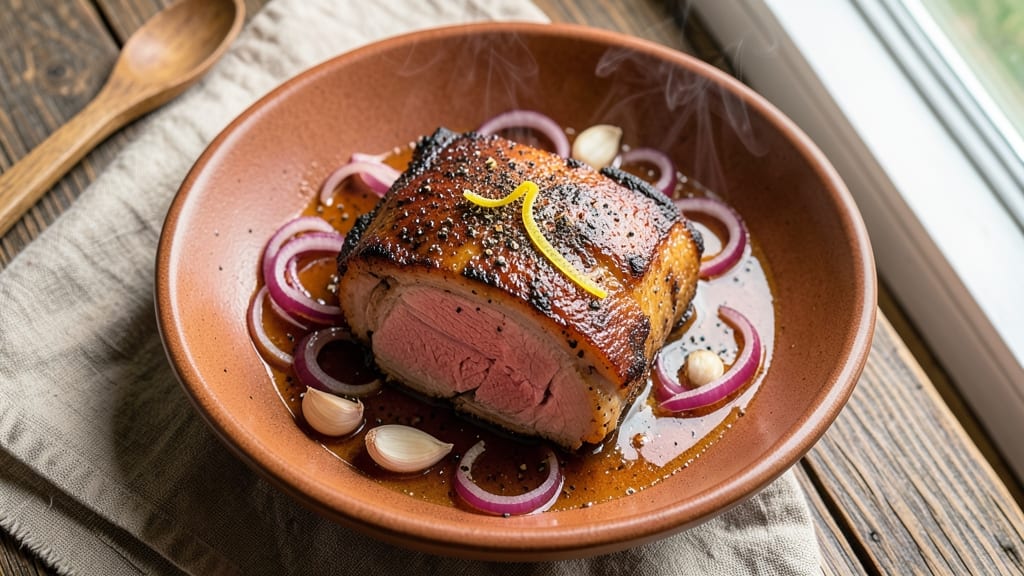
This boneless pork shoulder butt recipe delivers melt-in-your-mouth tenderness without the hassle of bones—perfect for weeknight dinners or special gatherings. After years of perfecting pork techniques at The Smoky Pig, I've developed a method that transforms tough cuts into restaurant-quality meat with minimal effort.
The secret lies in slow cooking, which breaks down connective tissue while keeping every bite juicy and flavorful.
What makes this recipe stand out is its versatility—whether you're braising in a Dutch oven, slow-roasting in the oven, or even smoking, the technique remains the same. You'll start with a simple dry rub or marinade, then let the meat cook low and slow until it's fork-tender.
This method ensures you'll never have dry, stringy pork again, even with larger cuts.
The result is a dish so tender it practically falls apart at the touch, with rich, savory flavors that pair beautifully with classic sides like creamy mashed potatoes or tangy coleslaw.
The pork's natural juices create a delicious pan sauce that elevates every bite. Serve with a crisp white wine or a smoky bourbon cocktail for the perfect meal.
This recipe is designed for both beginners and experienced cooks—simple enough for a weeknight but impressive enough for company. The key is patience and temperature control, which I'll walk you through step by step. Once you try this method, you'll never go back to store-bought pork again.
Ingredients for boneless pork shoulder butt
Six ingredients transform tough pork into melt-in-your-mouth perfection for your slow cooker or oven.
| Ingredient | Amount | Notes |
|---|---|---|
| Boneless Pork Shoulder Butt 🥓 | 4 lb | Well-trimmed, even cut preferred |
| Yellow Onion 🧅 | 2 whole | Chopped into 1/2-inch pieces |
| Garlic Cloves 🧄 | 6 cloves | Crushed or minced |
| Smoked Paprika 🌶️ | 2 tbsp | For that smoky depth |
| Ground Black Pepper 🌶️ | 1 tbsp | Freshly cracked for best flavor |
| Kosher Salt 🧂 | 1 ½ tbsp | Diamond Crystal preferred |
| Olive Oil 🫒 | ½ cup | Extra-virgin for richness |
| Fresh Rosemary 🌿 | ¼ cup | Chopped, stems removed |
| Fresh Thyme 🌿 | ¼ cup | Leaves only, chopped |
| Apple Cider Vinegar 🍎 | ¼ cup | For tenderizing |
| Beef Broth 💧 | 2 cups | Low-sodium preferred |
| Honey 🍯 | 2 tbsp | For subtle sweetness |
| Fresh Bay Leaves 🌿 | 2 whole | For aromatic depth |
The pork shoulder butt is the star here—look for well-marbled cuts at Whole Foods or your local butcher shop. The difference between a tough cut and a tender one often comes down to marbling. If you're buying pre-cut, check for even thickness—Costco often has great deals on boneless pork shoulders. For the herbs, fresh is best, but if you're in a pinch, dried rosemary and thyme at one-third the amount will work. The apple cider vinegar might seem odd, but it's a game-changer for breaking down fibers—Bragg is my go-to brand, but any organic vinegar works.
No smoked paprika? Substitute regular paprika plus a pinch of liquid smoke for that smoky flavor. Fresh herbs not available? Dried works at one-third the amount, but fresh is ideal. Running low on beef broth? Chicken broth in a pinch, but add a dash of Worcestershire sauce for depth. The honey adds just a touch of sweetness—if you're avoiding sugar, swap for maple syrup. For the olive oil, avocado oil works too, but extra-virgin olive oil gives the best flavor. And if you're short on time, skip the bay leaves—they're more for aroma than flavor, but they do add that restaurant-quality touch.
This pork keeps beautifully—3-4 days in the fridge or up to 3 months in the freezer. I always make a double batch and freeze half. To reheat, just warm in the oven with a splash of broth until heated through. The leftovers? Even better the next day—the flavors meld and the meat gets even more tender. Store in an airtight container with a paper towel on top to absorb any moisture. For serving, I like to shred it right on the cutting board—no fancy tools needed
Why You'll Love This Recipe
- One-Pan Magic: I swear by this recipe when I’m too tired to scrub pots—just toss the pork, onions, and garlic on a sheet pan, sprinkle that smoked paprika, and let the oven do the work. The onions caramelize right there, no chopping skills required.
- Smoky Goodness: That smoked paprika? It’s the secret weapon. The pork comes out tender with a deep, earthy flavor that pairs perfectly with the sweetness of the onions and the punch of garlic. Honestly, I’ve had people ask if I slow-cooked it for hours—nope, just 45 minutes and pure flavor.
- Leftovers That Save Me: This recipe makes enough for three meals, and the leftovers reheat like a dream. I’ll be real: my kids actually ask for the second night, which never happens with my usual roasted chicken. The pork stays juicy, and the seasoning only gets better as it sits.
- Budget-Friendly Feast: Boneless pork shoulder butt is cheaper than chicken thighs, and it stretches further. Between us, this is how I feed my family for under $15—plus, the onions and garlic are pantry staples. It’s my go-to when I need to stretch a meal without sacrificing taste.
Step-by-step instructions for slow-cooked pork shoulder
This method transforms tough pork into melt-in-your-mouth perfection with minimal effort.
Prep the Pork with the Perfect Rub
Pat the 4 lb boneless pork shoulder butt dry with paper towels—this helps the rub stick and the skin crisp. In a small bowl, mix the 2 tbsp smoked paprika, 1 tbsp ground black pepper, and 1.5 tbsp kosher salt. Press this mixture firmly into every inch of the pork, including the crevices and edges. The rub should adhere well without falling off.
Next, combine the 0.25 cup fresh rosemary, 0.25 cup fresh thyme, and 0.25 cup apple cider vinegar in a separate bowl. This mixture tenderizes the meat while adding bright, herbal notes. Rub this all over the pork, then let it sit at room temperature for 30 minutes before cooking. This step ensures even cooking and maximum flavor penetration.
Sear the Pork for Depth of Flavor
Heat 0.25 cup olive oil (about half of the total) in a large Dutch oven over medium-high heat. Once shimmering, add the pork shoulder and sear on all sides for 4-5 minutes per side until deeply browned. This step isn’t just for looks—it locks in juices and builds a flavorful crust that’ll melt into the sauce later.
Remove the pork and set it aside. In the same pot, add the remaining 0.25 cup olive oil and the 2 whole yellow onion, chopped into ½-inch pieces. Sauté for 5 minutes until softened and golden. Add the 6 cloves garlic cloves, crushed, and cook for another 30 seconds until fragrant. This aromatic base forms the foundation of your dish.
Slow-Cook Until Fork-Tender
Return the pork to the Dutch oven and add the 2 cups beef broth, 2 tbsp honey, and 2 whole fresh bay leaves. Bring everything to a gentle simmer, then reduce heat to low and cover. Cook for 3-4 hours, checking occasionally to ensure there’s always liquid in the pot. The pork is done when it reaches 203°F internally and a fork slides in like butter.
Real talk: Don’t rush this step. The slow cook transforms tough muscle fibers into tender, pull-apart perfection. If the liquid reduces too much, add a splash of water or broth to keep the pork moist. The honey and vinegar will caramelize slightly, creating a glossy, slightly sweet-savory sauce that clings beautifully to the meat.
Rest and Shred for Maximum Juiciness
Transfer the pork to a cutting board and tent loosely with foil. Let it rest for 15-20 minutes—this crucial step allows the juices to redistribute, ensuring every bite is moist and flavorful. While it rests, skim any excess fat from the cooking liquid and reduce it by simmering uncovered for 5 minutes to thicken the sauce slightly.
Use two forks to shred the pork against the grain into ½-inch strips. Taste the sauce and adjust seasoning with a pinch more kosher salt or black pepper if needed. The pork should be tender enough to pull apart easily but still hold its shape when shredded. Serve immediately over mashed potatoes, in sandwiches, or alongside roasted vegetables.
Pro Tips For Making Boneless Pork Shoulder Butt
- SEAR THE SHOULDER FIRST: That boneless pork shoulder butt won’t render its own fat like a bone-in cut, so hit it with a screaming-hot cast iron or heavy skillet for 4-5 minutes per side—until it’s deep golden, not just brown. I used to skip this because it seemed like overkill, but it builds flavor crust that holds up through slow cooking.
- SWEAT THE ONIONS LOW: Don’t rush the onions—cook them on medium-low with a pinch of salt for 8-10 minutes until they’re translucent and just starting to caramelize. I learned this the hard way after burning three batches; the paprika needs something to cling to, and raw onion chunks make the sauce watery.
- SKIP THE PEPPER GRIND: Buy pre-ground black pepper or use a microplane—freshly grinding it just for this dish wastes effort. The heat dissipates fast in slow cooking, and the texture difference isn’t noticeable. (Yes, even if you’re impatient like me.)
- REST IT UNDER FOIL: Pull the pork off heat when it hits 195°F internal temp, then tent it with foil for 10-15 minutes. I used to slice it immediately, and the juices pooled instead of distributing. This guarantees tender, even slices every time—no dry edges.
Flavor customization for this boneless pork shoulder butt
Smoky BBQ Twist
For a Carolina-style kick, swap the honey for ¼ cup molasses and add 1 tbsp hot sauce (I love Crystal brand) to the rub. After slow cooking, glaze the pork with ½ cup BBQ sauce (I recommend Sweet Baby Ray's) and broil for 3-4 minutes until caramelized.
Serve with classic white bread buns and pickled onions for that true BBQ experience. 🌶️
Herb-Infused Mediterranean
Transform this into a Greek-inspired dish by adding 1 tsp dried oregano and ½ tsp cinnamon to the rub. Replace the beef broth with 2 cups chicken broth> and add 1 lemon's worth of zest and 2 tbsp capers to the cooking liquid.
Finish with fresh dill and parsley and serve with tzatziki sauce and warm pita bread. This version feels like a vacation in every bite. 🌿
Sweet & Spicy Asian Fusion
Give your pork a Thai-inspired makeover by marinating the meat overnight in ¼ cup soy sauce, 2 tbsp fish sauce, 2 tbsp brown sugar, and 1 tbsp grated ginger instead of the vinegar.
After slow cooking, stir in 2 tbsp hoisin sauce and 1 tbsp sriracha to create a sticky glaze. Serve over jasmine rice with quick-pickled cucumbers for a restaurant-worthy meal. 🌶️
Classic Italian Style
For a Tuscan-inspired version, replace the smoked paprika with 1 tbsp dried fennel seeds and 1 tsp red pepper flakes. Add ½ cup dry white wine to the cooking liquid and finish with ¼ cup chopped sun-dried tomatoes and ¼ cup grated pecorino cheese stirred into the sauce.
Serve with polenta and a simple arugula salad dressed with lemon vinaigrette. This version feels like a Sunday family dinner. 🍷
Moroccan Spice Blend
Create a tagine-inspired pork by adding 1 tsp ground cumin, 1 tsp ground coriander, and ½ tsp turmeric to the rub. Replace the beef broth with 2 cups chicken broth> and add 1 cinnamon stick and 3 whole cloves to the cooking liquid.
After cooking, finish with 2 tbsp chopped fresh cilantro and serve with couscous and roasted sweet potatoes. The warm spices create an aromatic experience that's both comforting and exotic. 🌟
Creamy Ranch Variation
For a crowd-pleasing American favorite, add ½ cup ranch seasoning mix (I love Hidden Valley) to the rub and stir ½ cup sour cream into the cooking liquid during the last 30 minutes of cooking.
This creates a rich, creamy sauce perfect for serving with biscuits or cornbread. The ranch flavor makes this a hit at family gatherings and game-day parties. 💛
Nutrition facts
Frequently asked questions
Why does boneless pork shoulder butt turn out tough if cooked too fast?
Boneless pork shoulder contains tough muscle fibers that need time to break down. Cooking too quickly (250°F or higher) causes the fibers to tighten, squeezing out juices and leaving you with dry, stringy meat. The 203°F target temperature is crucial—it's the "danger zone" where collagen melts into gelatin, creating that signature tender texture. Slow cooking at 300°F or lower is your best friend here.
Can I substitute pork butt for pork shoulder in this recipe?
Yes, but with adjustments! Pork butt (Boston butt) has more fat and a different shape, so it benefits from an extra 30-60 minutes of cooking time. Trim excess fat first—too much can make the meat greasy. The 4 lb weight guideline works for both cuts, but monitor internal temperature closely since pork butt often cooks slightly faster.
What's the best way to store leftovers to keep them moist?
Store in an airtight container with a paper towel pressed on top to absorb excess moisture. Refrigerate for 3-4 days or freeze for up to 3 months. When reheating, add 1-2 tbsp broth or water per pound to prevent drying. The best method? Warm in a 300°F oven for 20-30 minutes with a splash of liquid—this keeps it juicy and restores that pull-apart texture.
How can I make this recipe work in an Instant Pot?
Use the "Meat/Stew" setting for 90 minutes on high pressure, then natural release for 15 minutes. Sear the pork first in a skillet, then transfer to the Instant Pot with all ingredients. The pressure cooking time should give you fork-tender meat without drying it out. Just check the internal temp—it should reach 203°F at the end. The sauce will be thicker than oven-cooked, so add a splash of broth if needed.