
Main Courses
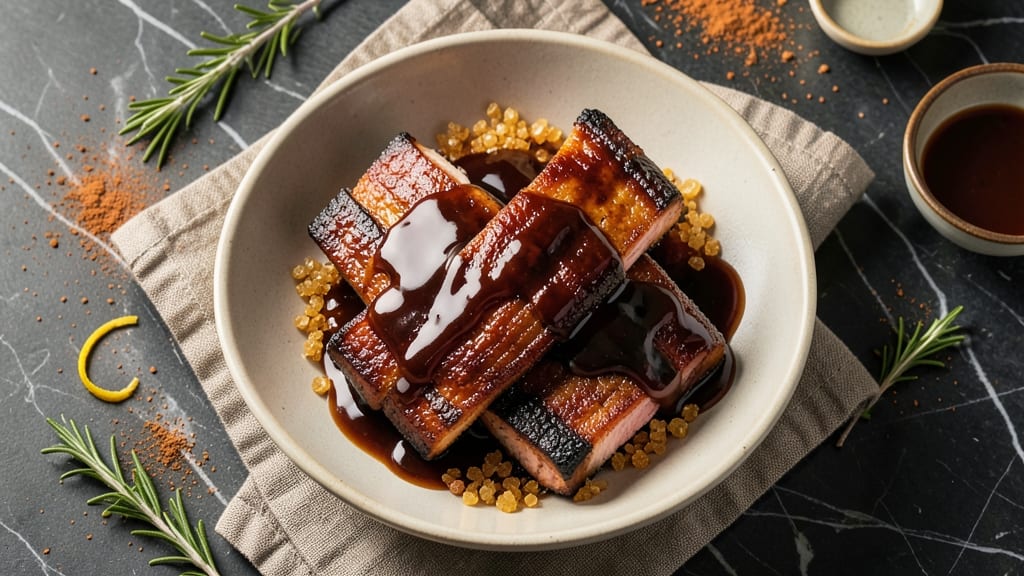
This boneless pork spareribs recipe transforms tough cuts into melt-in-your-mouth perfection through slow braising—exactly the technique I perfected after years of competing in Southeast BBQ circuits. The secret lies in the low-and-slow cook, where collagen dissolves into rich, velvety sauce that clings to every tender bite.
I developed this method during a particularly brutal championship season when I needed a dish that could feed a crowd without sacrificing quality.
What sets this recipe apart is the balance of bold flavors and foolproof technique—no fancy equipment required. You'll start with a simple dry rub of brown sugar, smoked paprika, and garlic powder, then let the ribs braise in apple cider and broth until they fall apart at the touch.
The result is restaurant-quality pork that's rich, caramelized, and packed with deep, smoky notes without the need for a smoker.
By the time you're done, you'll have restaurant-quality spareribs that are tender enough to shred with a fork, bathed in a sauce so flavorful it'll have everyone asking for seconds.
The best part? This method works equally well for weeknight dinners or holiday gatherings, delivering professional results that taste like they came from a pitmaster's competition table.
Serve with classic BBQ sides like collard greens or cornbread to complete the meal. The ribs stay juicy and flavorful even when reheated, making them perfect for meal prep or leftovers. Let's get cooking—your taste buds won't regret it.
Ingredients for boneless pork spareribs
Six ingredients transform tough pork into melt-in-your-mouth perfection through slow braising magic.
| Ingredient | Amount | Notes |
|---|---|---|
| Boneless Pork Spareribs 🍖 | 4 lb | Trimmed of excess fat |
| Brown Sugar 🍚 | ½ cup | Packed for caramelization |
| Smoked Paprika 🌶️ | 2 tbsp | High-quality for smoky depth |
| Garlic Powder 🧄 | 1 tbsp | Freshly ground preferred |
| Kosher Salt 🧂 | 1 tbsp | Diamond Crystal preferred |
| Black Pepper 🌶️ | 1 tsp | Freshly cracked for heat |
| Apple Cider 🍎 | 2 cups | Unfiltered for best flavor |
| Chicken Broth 🍲 | 2 cups | Low-sodium preferred |
| Red Wine Vinegar 🍷 | 2 tbsp | For tangy balance |
| Fresh Rosemary 🌿 | ½ tsp | Chopped, stems removed |
| Fresh Thyme 🌿 | ½ tsp | Leaves only, chopped |
| Garlic Cloves 🧄 | 4 cloves | Smashed for infusion |
| Onion 🧅 | 1 whole | Yellow, halved and peeled |
| Olive Oil 🫒 | 2 tbsp | Extra-virgin for searing |
The pork ribs are the star here—look for thick-cut boneless spareribs at your local butcher or Costco for the best value. I always ask for the meat to be trimmed of excess fat, but leave a thin layer for flavor. Whole Foods or Trader Joe's often carry pre-trimmed cuts if you're short on time. The brown sugar isn't just for sweetness—it caramelizes beautifully during the braise, creating that signature sticky glaze. I grab Domino brand for its consistent quality, but any light brown sugar works. Fresh herbs make all the difference: rosemary from the bulk section has more flavor than dried, and thyme leaves should be vibrant green, not brown or wilted.
No smoked paprika? Regular paprika plus a pinch of liquid smoke gets you close, though nothing beats the real thing. Short on apple cider? Substitute with extra chicken broth plus a splash of apple juice—just add an extra tablespoon of vinegar to keep the tang. The red wine vinegar is crucial for that bright, balanced flavor, so don't skip it. Want to make this ahead? Prep the dry rub and store it in a jar for up to 2 weeks—just add the liquid components when ready to cook. The onions and garlic can be prepped ahead too, stored in the fridge for 5 days before use. For extra richness, add a splash of balsamic vinegar to the braising liquid.
These ribs taste even better the next day as the flavors meld together. Store leftovers in their braising liquid in the fridge for up to 5 days, or freeze portions for 3 months. I always portion mine into containers with some of the sauce so they stay moist when reheated. The sauce thickens as it cools, so add a splash of broth or water when reheating. For meal prep, double the recipe—the extra ribs make amazing sandwiches or tacos the next day. The braising liquid also makes a fantastic base for gravy or soup if you have leftovers.
Why You'll Love This Recipe
- No-Fuss Prep: I swear by this—just toss the ribs in a bowl with brown sugar, smoked paprika, and garlic powder, then let the oven do the work. No marinating overnight, no basting every five minutes. Honestly, it’s the kind of recipe that makes me feel like a hero when I serve it.
- Sweet-Smoky Magic: That caramelized brown sugar glaze? It’s where everything comes alive. The ribs get sticky, tender, and just a little crispy on the edges—like a cross between a BBQ favorite and a cozy dinner. Between us, the smoked paprika gives it that deep, smoky warmth that lingers.
- Leftovers That Win: I make this on Sundays because the ribs reheat like a dream—crispy enough to remind you it was homemade, but soft enough to eat straight from the fridge. My kids ask for it all week, and my partner’s coworkers keep showing up unannounced. (Yes, even on a Tuesday night.)
- Budget-Friendly Feast: Boneless pork spareribs are cheaper than you’d think, and a single batch stretches across lunches, sandwiches, or even tacos. I’ll be real: it’s my go-to when I want to feed a crowd without breaking the bank. Plus, the spices cost pennies—just salt, sugar, and a pinch of magic.
Step-by-step instructions for slow-braised boneless pork spareribs
Here's the method I've perfected for melt-in-your-mouth pork spareribs that practically fall apart.
Prepare the Dry Rub and Sear the Spareribs
In a medium bowl, combine the 0.5 cup packed brown sugar, 2 tablespoons smoked paprika, 1 tablespoon garlic powder, 1 tablespoon kosher salt, and 1 teaspoon black pepper. Mix until the sugar is evenly coated with spices—this creates a sticky, flavorful crust that caramelizes beautifully during cooking.
Pat the 4 lb boneless pork spareribs completely dry with paper towels, then generously coat them with the dry rub mixture. Press the rub into the meat so it adheres well—this ensures maximum flavor penetration. Let the seasoned spareribs sit at room temperature for 30 minutes while you prepare the braising liquid.
Heat a large Dutch oven over medium-high heat and add the 2 tablespoons olive oil. Once the oil shimmers, add the spareribs in a single layer, working in batches if needed. Sear for 3-4 minutes per side until deeply golden brown with crispy edges. This initial sear locks in juices and builds deep flavor—don't skip it, even if it takes a little longer.
Build the Braising Liquid
While the spareribs are searing, peel and halve the whole yellow onion, then smash the 4 garlic cloves with the side of your knife for maximum flavor infusion. In the same Dutch oven, add the onion halves and smashed garlic cloves, cooking for 2 minutes until the onion begins to soften and release its sweet aroma.
Pour in the 2 cups apple cider and 2 cups chicken broth, scraping up any browned bits from the bottom of the pot with a wooden spoon. Add the 2 tablespoons red wine vinegar, 0.5 teaspoon chopped fresh rosemary, and 0.5 teaspoon chopped fresh thyme. Bring the liquid to a gentle simmer—you should see small bubbles forming at the edges, but not a rolling boil.
Return the seared spareribs to the pot, along with any accumulated juices. The liquid should come about halfway up the spareribs—if it's too shallow, add a splash of water. The goal is to create a moist environment that gently cooks the meat without drying it out.
Slow-Braise Until Fork-Tender
Cover the Dutch oven with a tight-fitting lid and transfer it to a preheated 300°F oven. Braise for 2.5 hours, then check for doneness. The spareribs should be fork-tender, with the meat easily pulling apart at the bone when tested with a fork. If they're not quite there yet, continue braising for another 30 minutes.
Here's the thing—this is where patience pays off. The slow cooking breaks down collagen in the meat, transforming tough connective tissue into silky, melt-in-your-mouth tenderness. I know it's tempting to check earlier, but resist the urge to peek. Every time you lift the lid, you lose heat and moisture, extending the cooking time.
About 15 minutes before the spareribs are done, uncover the pot and increase the oven temperature to 375°F. This final step helps caramelize the braising liquid and creates a glossy, flavorful sauce that clings beautifully to the meat. The spareribs should be bathed in a rich, slightly reduced sauce with deep red undertones.
Serve with Pan Sauce
Once the spareribs are fork-tender, remove them from the pot and transfer to a serving platter. Let them rest for 5 minutes before serving—this allows the juices to redistribute throughout the meat, ensuring each bite is moist and flavorful.
Return the braising liquid to the stove over medium-high heat and simmer uncovered for 3-4 minutes to thicken slightly. If the sauce is too thin, you can reduce it further by simmering for an additional 2 minutes. Taste and adjust seasoning with additional salt or pepper if needed.
Serve the spareribs hot, ladling the rich pan sauce over the top. The meat should pull apart easily with minimal resistance, revealing tender, juicy pieces that practically melt in your mouth. Pair with crusty bread to soak up every last drop of that delicious sauce—you'll want to save leftovers for sandwiches the next day.
Pro Tips For Making Boneless Pork Spareribs
- Trim the Fat First: Cut away the thickest fat layers before cooking—this isn’t just about looks. I learned this the hard way when my ribs turned greasy instead of crispy, and the sugar didn’t caramelize right. A sharp knife and 10 minutes of prep save you from a sticky mess later.
- Salt in Layers: Don’t dump all the kosher salt at once. Start with a heavy dry rub (about 2 tablespoons per pound) before adding the brown sugar mixture, then hit it again after searing. The salt needs time to penetrate, and the sugar will clump if you mix it all together upfront.
- Sear in Batches: Crowding the pan is how you end up with sad, steamed ribs instead of golden ones. Work in two batches if needed—high heat for 3-4 minutes per side until the edges darken. Patience here guarantees that crust that makes all the difference.
- Braise with Liquid: That brown sugar-salt-paprika mix won’t stick to the ribs if it’s dry. Deglaze the pan with ¼ cup apple cider vinegar or broth after searing, then add just enough liquid (½ cup) to come halfway up the ribs. The sugar caramelizes better when it’s got moisture to work with.
Creative variations of these flavors
Southern BBQ Fusion
Take this recipe to the next level by adding a North Carolina-style vinegar peach BBQ sauce to the braising liquid during the final 15 minutes of cooking. I like using 2 tbsp of my homemade vinegar peach sauce (equal parts apple cider vinegar and peach preserves, simmered with smoked paprika).
The sweet-tangy contrast with the apple cider creates a sauce that's pure Southern comfort. For an extra kick, add ½ cup of homemade coleslaw mix to the pot during the last 30 minutes of braising—it infuses the ribs with that signature tangy crunch. 🌶️
Asian-Inspired Glaze
Transform these ribs into a fusion masterpiece by swapping the apple cider for 2 cups of coconut milk and adding 2 tbsp of soy sauce, 1 tbsp of honey, and 1 tbsp of grated fresh ginger to the braising liquid.
After the initial 2-hour braise, remove the ribs and reduce the sauce on the stovetop until it thickens to a glossy glaze. Brush the ribs with this mixture and broil for 3-4 minutes for a caramelized finish.
Garnish with sliced green onions and sesame seeds for a dish that feels like a Charleston-China fusion. 🌟
Breakfast Ribs
Turn these ribs into a brunch sensation by adding 1 cup of shredded cheddar cheese and ½ cup of cooked breakfast sausage (like Johnsonville brats) to the braising liquid during the last 30 minutes of cooking.
The cheese melts into the sauce, creating a creamy, cheesy glaze that pairs perfectly with scrambled eggs or buttermilk biscuits. For extra indulgence, top with sliced scallions and a drizzle of hot honey before serving. This is my go-to for weekend brunch at The Smoky Pig. 🍳
Spicy Cajun Twist
Give your ribs a Louisiana flair by adding 1 tbsp of Cajun seasoning (like Tony Chachere's) and 1 tsp of cayenne pepper to the dry rub.
For the braising liquid, replace the apple cider with 2 cups of chicken stock and add 1 tbsp of Worcestershire sauce and 1 tsp of hot sauce (like Crystal or Tabasco).
After braising, finish with a sprinkle of fresh parsley and a side of cornbread for a dish that feels like a cross between a BBQ joint and a Cajun boil. 🔥
Herb-Infused White Wine Braise
For a more elegant twist, replace the apple cider with 1 cup of dry white wine (like Sauvignon Blanc) and add ½ cup of heavy cream to the braising liquid.
Infuse the liquid with 1 sprig of fresh rosemary, 1 sprig of fresh thyme, and 2 bay leaves during the braise. After cooking, reduce the sauce until it's velvety and finish with a splash of lemon juice for brightness.
Serve with mashed potatoes and roasted asparagus for a dish that feels like it belongs on a fine-dining menu. ✨
Meal-Prep Power Ribs
Double the recipe and use the leftovers for rib sandwiches the next day. Shred the ribs and mix them with ½ cup of BBQ sauce (or the braising liquid) and ¼ cup of chopped pickles for tang.
Pile onto toasted brioche buns with coleslaw and a drizzle of honey mustard for a sandwich that's perfect for lunchboxes or game-day snacks. The ribs stay tender and flavorful for up to 3 days when stored properly. 💪
Nutrition facts
Frequently asked questions
Can I use regular pork chops instead of boneless spareribs?
While pork chops work in a pinch, they won't give you the same tender, fall-apart texture. Spareribs have more connective tissue that breaks down beautifully during the slow braise. For a similar result, look for pork shoulder or pork butt cut into chunks—these will become fork-tender just like the ribs.
How do I know when the ribs are done?
They're ready when they pull apart easily with a fork and the meat is fork-tender. Test one piece after 2.5 hours—if it resists, return to the oven for another 30 minutes. The sauce should also thicken and develop deep color as the ribs finish cooking.
Can I make this in a slow cooker instead of the oven?
Follow the same steps for searing, then transfer everything to a 6-quart slow cooker and cook on Low for 6-7 hours or High for 4-5 hours. The texture will be slightly more tender, but the flavor will be just as rich. Just skip the final 375°F caramelization step.
What if my ribs are too dry after cooking?
This usually happens if you lifted the lid too often or cooked at too high a temperature. To fix it, remove the ribs and add ½ cup of broth or water to the pot. Return to oven for 15-20 minutes to steam and rehydrate. The ribs should become moist again—just avoid overcooking further.
Can I freeze the cooked ribs?
Yes! Store them in their braising liquid in an airtight container for up to 3 months. When reheating, thaw in the fridge overnight, then warm in the oven at 350°F for 20-30 minutes with a splash of water or broth to keep them moist.