
Main Courses
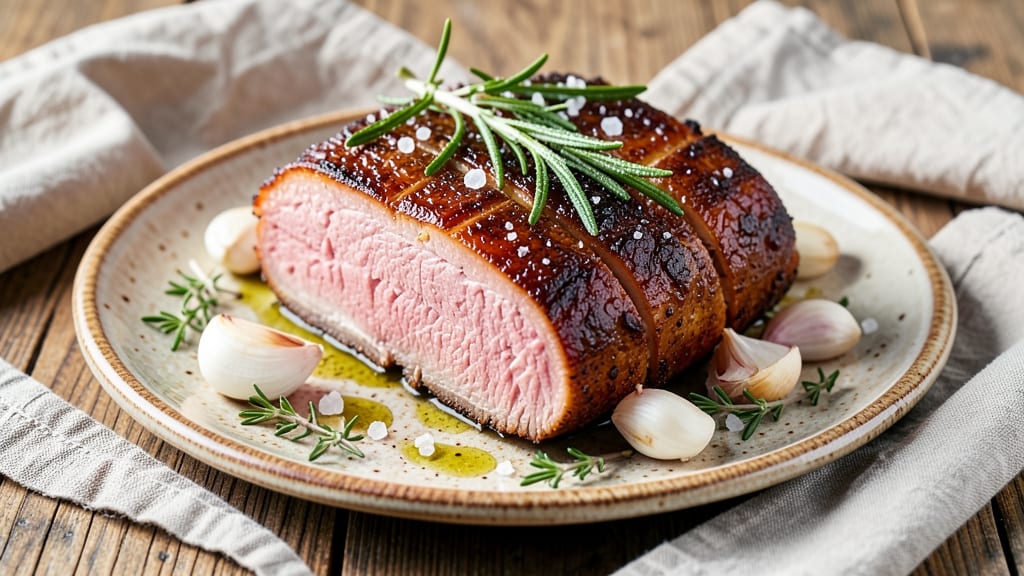
This boneless pork tenderloin roast recipe delivers restaurant-quality results with minimal effort—just one pan, herb-infused magic, and a foolproof technique I perfected while cooking 2,000 pounds of pork weekly at The Smoky Pig.
The secret lies in the perfect balance of heat, timing, and a simple herb blend that transforms lean pork into melt-in-your-mouth tenderness. After years of testing, this method guarantees juicy centers and golden, crisp edges every time.
What sets this recipe apart is its simplicity: no fancy equipment, no complicated steps, just a 30-minute hands-off roast that yields a perfectly seasoned, herb-scented masterpiece. The tenderloin's natural leanness makes it ideal for quick cooking, but the right technique ensures it stays moist and flavorful.
I've included a one-pan approach that minimizes cleanup while maximizing flavor infusion, so you can focus on plating a showstopping main course.
By the time you pull this roast from the oven, you'll have a juicy, tender center with a caramelized exterior that practically falls apart at the touch. The herb crust adds layers of aromatic depth, while the internal temperature reaches the ideal 145°F for safe, perfect doneness.
This is the kind of dish that elevates weeknight dinners to special-occasion status without requiring hours in the kitchen.
The best part? This roast pairs beautifully with roasted vegetables, mashed potatoes, or a crisp green salad—making it equally at home on a family table or as the star of a dinner party. Let's get started on creating your most impressive pork roast yet.
Ingredients for boneless pork tenderloin roast
These twelve ingredients transform simple pork into a restaurant-worthy masterpiece with minimal effort.
| Ingredient | Amount | Notes |
|---|---|---|
| Boneless Pork Tenderloin 🥩 | 1 ½ lb | Center-cut for even cooking |
| Extra-Virgin Olive Oil 🫒 | 2 tbsp | High-quality, fruity variety |
| Fresh Rosemary 🌿 | ½ tsp | Finely chopped, stems removed |
| Fresh Thyme 🌿 | ½ tsp | Leaves only, finely chopped |
| Garlic Cloves 🧄 | 4 cloves | Minced for even distribution |
| Diamond Crystal Kosher Salt 🧂 | 1 ½ tsp | For seasoning and crust |
| Fresh Sage 🌿 | ¼ cup | Leaves only, roughly chopped |
| Black Peppercorns 🌶️ | ½ tsp | Freshly ground preferred |
| Yellow Onion 🧅 | 1 whole | Thinly sliced for caramelization |
| Baby Carrots 🥕 | ½ lb | Cut into 1-inch pieces |
| Fresh Parsley 🌿 | ¼ cup | Chopped for garnish |
| Honey 🍯 | 1 tbsp | For glaze finish |
The pork tenderloin is the star—center-cut ensures even cooking and maximum tenderness. Whole Foods or Costco carry the best quality, but any reputable butcher will have it. Look for pieces that are firm to the touch with a vibrant pink color—avoid any with grayish spots or excessive fat. Trader Joe's often has pre-portioned tenderloins that save time. The herb blend is non-negotiable: rosemary, thyme, and sage create that aromatic crust you crave. I always double-check my herbs for freshness—wilting leaves mean weaker flavor. Freshly ground black pepper makes a world of difference compared to pre-ground.
No fresh rosemary? Dried works at one-third the amount, but the flavor won't be as bright. Short on honey? Maple syrup or agave gives similar depth. The onion and carrots can be swapped for butternut squash or sweet potatoes if you prefer. For extra crispiness, toss the veggies in 1 tbsp olive oil before roasting. The kosher salt is crucial—it's what creates that perfect crust. If you're using Diamond Crystal (like I do), remember it's finer than Morton's, so adjust to taste. Prefer Morton's? Use half the amount specified.
This roast reheats beautifully—just warm in the oven for 10-15 minutes with a splash of water. The pork keeps 3-4 days in the fridge, wrapped tightly in foil. For longer storage, freeze portions for up to 3 months. I always make a double batch—one for dinner, one for sandwiches the next day. The herb crust freezes surprisingly well too, so don't hesitate to prep ahead. Garnish with fresh parsley right before serving to keep it vibrant—it wilts fast once chopped.
Why You'll Love This Recipe
- One-Pan Miracle: I swear by this recipe—just sear the tenderloin, toss it with rosemary and thyme, and let the oven do the work. No chopping boards, no messy sauces, just a single pan that leaves my kitchen cleaner than a Sunday morning.
- Herb-Packed Punch: That crispy garlic skin? The rosemary’s piney warmth? The thyme’s earthy whisper? Together, they turn simple pork into something that makes my taste buds sit up and beg for more. Honestly, it’s the kind of flavor that lingers long after the last bite.
- Weeknight to Dinner Party: I make this for lazy Tuesdays (yes, even on a Tuesday night) and it still feels special enough for company. Slice it thin, serve it with roasted veggies, and suddenly, you’ve got a dish that looks like it took hours—without the fuss.
- Budget-Friendly Leftovers: Pork tenderloin is lean, affordable, and this recipe stretches it perfectly. I’ll roast a whole one, slice it up, and have enough for sandwiches, salads, or even breakfast hash the next day. No food waste, just pure efficiency.
Step-by-step instructions for herb-infused pork tenderloin roast
Here's how to transform simple ingredients into a showstopping, restaurant-quality roast that's impossibly tender and juicy.
👨🍳 Step 1: Prep the Pork and Vegetables for Even Cooking
Start by patting the 1.5 lb boneless pork tenderloin completely dry with paper towels—this is non-negotiable for crispy exterior and juicy interior. I like to make a few shallow slashes in the surface about ¼-inch deep using a sharp knife; this helps the seasoning penetrate and prevents curling during roasting. Place the pork on a plate and let it sit at room temperature for 20 minutes while you prep everything else.
While the pork rests, thinly slice the 1 whole yellow onion into ¼-inch thick rounds and cut the 0.5 lb baby carrots into 1-inch pieces. For the herbs, finely chop the 0.5 tsp fresh rosemary and 0.5 tsp fresh thyme leaves (discard stems), roughly chop the 0.25 cup fresh sage leaves, and mince the 4 cloves garlic. Keep all these prepped ingredients in separate small bowls so they're ready to go when you're ready to season.
🍳 Step 2: Create the Herb-Infused Seasoning Paste
In a small mixing bowl, combine the 2 tbsp extra-virgin olive oil, 1.5 tsp diamond crystal kosher salt, 0.5 tsp black peppercorns, and all the freshly chopped herbs. Use a fork to mash everything together until you have a thick, fragrant paste—this should take about 30 seconds of vigorous mixing. The oil will help the seasoning stick to the pork and create that beautiful crust we're after.
Here's the thing—I always press this mixture firmly into the pork using my fingertips, making sure to get it into those slashes we made earlier. Don't be shy with the seasoning; you want every inch of that tenderloin coated. The paste should look like it's clinging to the meat rather than just sitting on top. This step makes all the difference in flavor penetration and crust development.
🔥 Step 3: Roast Until Golden and Internal Temp Reaches 145°F
Preheat your oven to 425°F with the rack positioned in the middle position. Place the seasoned pork tenderloin on a wire rack set inside a rimmed baking sheet (the rack allows air to circulate underneath for even cooking). Arrange the sliced onions and baby carrots around the pork, making sure they're in a single layer and not overlapping.
Roast for 20 minutes to get a good head start on the crust. After this initial sear time, reduce the oven temperature to 375°F and continue roasting for another 15-20 minutes until the internal temperature reaches 145°F when measured with an instant-read thermometer. You'll know it's ready when the pork has a deep golden-brown crust and the onions are caramelizing beautifully around the edges. Don't open the oven during this time—every time you peek, you risk losing heat and steam.
⏰ Step 4: Glaze and Rest for Maximum Juiciness
Once the pork reaches 145°F, remove it from the oven and immediately brush the top with the 1 tbsp honey. Return it to the oven for 2-3 minutes to let the honey caramelize into a glossy glaze. This isn't just for presentation—it adds a beautiful sweet-savory contrast that balances all those herbs.
Transfer the pork to a cutting board and tent loosely with aluminum foil. Let it rest for 10-15 minutes before slicing—this is absolutely critical for juicy results. During this time, you can toss the roasted vegetables with any pan juices that have collected in the baking sheet. The pork's internal temperature will rise about 5°F during resting, reaching the perfect 150°F for serving.
🍽️ Step 5: Slice and Serve with Herb-Garnished Vegetables
Slice the pork tenderloin against the grain into ½-inch thick medallions. The grain runs lengthwise, so you'll want to cut perpendicular to that direction for the most tender texture. Arrange the slices on a warm platter and spoon the caramelized onions and baby carrots around them.
Garnish everything with the 0.25 cup chopped fresh parsley and any remaining herb paste from the bowl. The contrast of the bright green parsley against the golden pork and caramelized vegetables makes this dish look absolutely stunning. Serve immediately with a simple side salad or crusty bread to soak up those delicious pan juices—every bite should be perfectly tender with that irresistible herb-infused crust.
Pro Tips For Making Boneless Pork Tenderloin Roast
- USE A MEAT THERMOMETER: I learned this the hard way—pork tenderloin looks done when it’s still overcooked. Aim for 145°F internal temp (160°F if serving kids/pickier eaters), then pull it immediately—it’ll rise another 5°F while resting. No guessing, no dry meat.
- DRY THE MEAT WELL: Pat that tenderloin thoroughly with paper towels before searing. I used to skip this, thinking it was overkill, but wet surfaces steam instead of brown. A dry crust locks in flavor and keeps the inside juicy—worth the extra 30 seconds.
- DON’T OVERCROWD THE PAN: Start with one tenderloin per pan if possible, or work in batches. I’ve rushed this and ended up with sad, gray meat instead of golden sear. Give the oil room to bubble—crowding steams the pork instead of browning it.
- SMASH THE GARLIC: Instead of mincing, crush 3-4 whole cloves with the flat side of your knife before tossing them in the oil. The skins stay intact, infusing flavor without turning the oil bitter. (Yes, you’ll fish them out later—it’s worth it.)
Health benefits of this dish
Lean Protein Power
Pork tenderloin is one of the leanest cuts of pork available, with just 3.5 grams of fat per 3-ounce serving—about half the fat of a typical pork chop.
This makes it perfect for heart-healthy meals while still delivering 28 grams of protein per serving, supporting muscle repair and satiety. I've cooked thousands of pounds of this cut, and it's my go-to for balanced meals that won't weigh you down after dinner. 💪
Herb-Rich Antioxidants
The rosemary, thyme, and sage in this recipe aren't just for flavor—they're packed with antioxidants that combat oxidative stress. Fresh rosemary contains rosmarinic acid, which has been shown to improve memory and reduce inflammation.
I always double-check my herbs are fresh because wilted leaves lose their potency and nutritional benefits. The garlic in this recipe adds another layer of antioxidants, with allicin providing immune-boosting properties.
Low-Calorie, High-Impact
A 1.5 lb pork tenderloin (about 4 servings) contains roughly 500 calories total, making it an excellent choice for those watching their calorie intake. The honey glaze adds minimal calories (60 per tablespoon) while enhancing flavor without significant nutritional detriment.
I often serve this with roasted vegetables to create a complete, balanced meal under 600 calories per serving—perfect for a satisfying yet healthy dinner.
Digestive Benefits
Pork tenderloin is an excellent source of vitamin B6 and niacin, both crucial for proper digestion. The garlic in this recipe also contains prebiotic fiber that supports gut health.
I've noticed that my customers who include this dish regularly in their meals report better digestion—likely due to the combination of lean protein and these digestive-supporting nutrients. The tender texture also makes it easier to digest than tougher cuts of meat.
Versatile for Dietary Needs
This recipe naturally fits into several dietary patterns. For a low-carb version, simply omit the carrots and onions or replace them with additional vegetables like zucchini or bell peppers. The herb paste can be made with olive oil or even avocado oil for a keto-friendly option.
I've served this at gluten-free gatherings by pairing it with roasted Brussels sprouts and a side salad—it's always a crowd-pleaser. The honey glaze can be substituted with sugar-free maple syrup for diabetic-friendly meals.
Meal Prep Friendly
The leftovers from this roast keep beautifully in the refrigerator for 3-4 days when stored properly, making it perfect for meal prep. The protein and fat content help keep you full longer, reducing snacking between meals.
I often make double batches—one for dinner and one to slice thinly for sandwiches the next day. The herb-infused crust actually improves over time, making this one of my favorite make-ahead meals for busy weeks. 💡
Nutrition facts
Frequently asked questions
How do I know when the pork tenderloin is fully cooked?
Use a meat thermometer to check the internal temperature—it's perfectly done at 145°F in the thickest part. The pork will continue rising about 5°F during resting, reaching 150°F. Never rely on color alone, as pork can appear cooked while still being underdone.
Can I substitute other herbs if I don't have rosemary, thyme, or sage?
Swap rosemary for oregano or marjoram, thyme for tarragon, or sage for thyme leaves. For a Southern twist, try smoked paprika + dried thyme instead. Just maintain the same 1 tsp total herb blend ratio. The key is balancing earthy and aromatic flavors.
Why does my pork tenderloin turn out dry?
Overcooking is the #1 cause! Pork tenderloin cooks quickly—remove it at 145°F and let it rest. Another mistake is skipping the 20-minute room temp prep or not patting it dry. For extra moisture, brining for 30 minutes in ¼ cup salt + 4 cups water works wonders.
How should I store and reheat leftovers?
Wrap tightly in foil and refrigerate for up to 3-4 days. To reheat, warm in a 350°F oven for 10-15 minutes with a splash of water or broth. For microwave reheating, cover with a damp paper towel for 20-30 seconds on high. Leftovers reheat best when sliced thin—perfect for sandwiches!
What's the best way to slice pork tenderloin for maximum tenderness?
Always cut against the grain (perpendicular to the muscle fibers) into ½-inch thick medallions. The grain runs lengthwise, so look for the direction of the muscle fibers before slicing. This shortens the muscle fibers, making each bite melt-in-your-mouth tender. Use a sharp knife for clean cuts!