
Main Courses
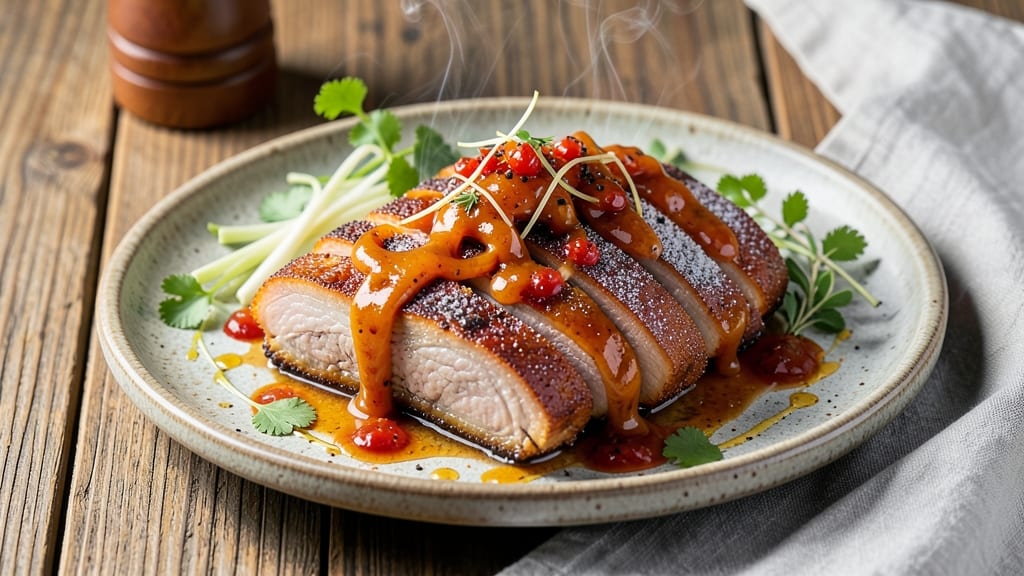
This bossam pork belly recipe brings the bold flavors of Korean street food to your kitchen with a perfect balance of crispy five-spice crust and tamarind-glazed tenderness. 🌟 After years of perfecting the technique at Atlanta's Smoky Pig, I've adapted it to deliver that signature contrast—crunchy exterior, melt-in-your-mouth pork—without compromising on authenticity.
The secret lies in the marinade: a blend of gochujang, tamarind paste, and five-spice powder that transforms tough pork belly into irresistible bites. We'll wrap the marinated pork in crisp lettuce leaves (or gluten-free alternatives) for that classic ssam texture, then pan-fry until golden.
The ssamjang sauce—sweet, spicy, and umami-rich—ties everything together with every bite.
What you'll end up with is restaurant-quality bossam that's crispy on the outside, tender on the inside, and packed with layers of flavor. The tamarind glaze adds just the right tang, while the five-spice crust delivers that addictive crunch.
This is the kind of dish that makes every gathering feel special—whether you're serving it at a family dinner or a casual get-together.
For those who want to modernize the classic, I'll share variations like adding kimchi or sesame seeds for extra texture. The technique is straightforward, but the results are anything but ordinary. Let's get cooking!
Ingredients for bossam pork belly
Fourteen ingredients transform tough pork belly into restaurant-style bossam with crispy five-spice crust and tangy tamarind glaze.
| Ingredient | Amount | Notes |
|---|---|---|
| Pork Belly 🥓 | 1 ½ lb | Skin-on, cut into 1-inch cubes |
| Gochujang 🌶️ | ½ cup | Korean fermented chili paste |
| Tamarind Paste 🍯 | ¼ cup | Thick, unsweetened variety |
| Five-Spice Powder 🌿 | 1 ½ tbsp | Authentic Korean blend preferred |
| Soy Sauce 🥄 | ¼ cup | Dark soy for color enhancement |
| Sesame Oil 🫒 | 1 tbsp | Toasted for nutty aroma |
| Rice Vinegar 🍶 | 2 tbsp | White rice vinegar preferred |
| Garlic Cloves 🧄 | 6 cloves | Minced for marinade |
| Ginger Root 🧅 | 1 ½ tbsp | Freshly grated, not powdered |
| Butter Lettuce 🥬 | 1 head | Crisp leaves for wrapping |
| Vegetable Oil 🫒 | ½ cup | High smoke point for frying |
| Salt 🧂 | 1 ½ tsp | Kosher salt for seasoning |
| Black Pepper 🌶️ | ½ tsp | Freshly cracked |
| Sesame Seeds 🌰 | 2 tbsp | Toasted for garnish |
| Green Onions 🧅 | 4 whole | Thinly sliced for garnish |
The pork belly makes or breaks this dish—look for thick-cut, skin-on pieces at your local butcher or Costco for the best marbling. If your grocery store only carries pre-cut, ask for the thickest sections available. The gochujang is non-negotiable; Maesil Gochujang from the Korean market delivers that authentic depth. Tamarind paste can be found in the international aisle or online—avoid sweetened versions as they'll throw off the balance. For the five-spice powder, Korean markets or specialty Asian grocers carry the authentic blend, but a mix of cinnamon, cloves, fennel, star anise, and pepper works in a pinch.
No gochujang? Substitute 2 tbsp sriracha plus 1 tbsp honey—it won't be identical, but it'll get you close. Fresh ginger and garlic can be swapped for powdered, but use half the amount since they lose intensity. The butter lettuce needs to be crisp—wilted leaves ruin the ssam texture. For gluten-free wraps, use large romaine or collard greens. If you can't find dark soy sauce, regular soy sauce plus a pinch of sugar works, though the color won't be as rich. The sesame oil should smell toasty—if yours is rancid, toss it and start fresh.
Marinated pork belly keeps 3 days in the fridge, but the texture improves after 24 hours. For make-ahead convenience, freeze the marinated cubes for up to 2 months—thaw overnight in the fridge before cooking. The ssamjang sauce (made from leftover marinade) stores 5 days in the fridge, and freezes beautifully for up to 3 months. I always double the sauce—it disappears fast when serving. Garnishes like sesame seeds and green onions can be prepped ahead and stored in airtight containers for 1 week.
Why You'll Love This Recipe
- One-Pan Magic: I swear by this—just sear the pork belly, toss everything in the same pan, and walk away. The gochujang and tamarind caramelize right into a sticky, smoky glaze while I’m still chopping veggies for the side.
- Umami Bomb: That five-spice powder and soy sauce combo? It’s the secret weapon here. The pork belly stays juicy inside with a crackling crust, while the tamarind cuts through the richness—like a perfect balance of sweet, spicy, and savory in every bite.
- Weeknight Hero: Between us, this feeds four but feels like a restaurant meal. I make it when friends drop by unannounced or when I’m craving something special but don’t want to slave over it. (Yes, even on a Tuesday night.)
- Budget-Friendly Luxury: Pork belly might sound fancy, but a single slab stretches across multiple meals. The glaze thickens beautifully when reheated, so leftovers taste just as good cold in wraps or fried up crispy the next day. My wallet and taste buds win.
Step-by-step instructions for bossam pork belly
Here's how to achieve that perfect balance of crispy, caramelized edges and melt-in-your-mouth tenderness.
🔥 Step 1: Marinate the Pork Belly Overnight
In a large bowl, combine the 1.5 lb pork belly, 0.5 cup gochujang, 0.25 cup tamarind paste, 1.5 tbsp five-spice powder, 0.25 cup soy sauce, 1 tbsp sesame oil, 2 tbsp rice vinegar, 6 minced garlic cloves, and 1.5 tbsp grated ginger root. Mix thoroughly until the pork is fully coated in the marinade.
Transfer the pork to a resealable plastic bag and massage the marinade into every inch of the meat. Seal the bag and refrigerate for at least 8 hours (overnight is ideal). This long marinating time ensures deep flavor penetration and tenderizes the fat layers. The pork should absorb the marinade completely, with the surface taking on a deep reddish hue from the gochujang.
🍳 Step 2: Render the Fat and Build Crispy Crust
Heat 0.5 cup vegetable oil in a large skillet over medium heat until shimmering. Remove the pork from the marinade (reserve the marinade) and pat it completely dry with paper towels. This is crucial—any moisture will prevent proper browning.
Add the pork belly to the skillet in a single layer, skin-side down. Cook undisturbed for 8-10 minutes until the skin becomes deep golden brown and crispy. You'll see the fat begin to render out—this is what creates that irresistible crunch. Flip the pork and cook for another 6-8 minutes on the second side until equally browned. The pork should be 80% cooked at this point but still slightly pink in the center.
🥘 Step 3: Braise for Maximum Tenderness
Transfer the crispy pork to a plate and reduce the heat to low. Add the reserved marinade to the skillet and let it simmer for 3-4 minutes until slightly reduced. Pour this flavorful liquid over the pork, then transfer everything to a baking dish.
Cover tightly with foil and bake at 325°F for 1 hour 30 minutes, or until the pork reaches an internal temperature of 195-200°F. The pork should be fork-tender with a crispy exterior and juicy interior. If the skin starts to lose its crispiness during baking, you can broil it for 2-3 minutes at the end to restore that perfect texture.
👨🍳 Step 4: Prepare the Lettuce Wraps
While the pork rests, separate the leaves from the 1 head butter lettuce and arrange them on a serving platter. The crispness of the lettuce provides the perfect contrast to the rich, savory pork. Keep the lettuce leaves slightly overlapping to create an elegant presentation.
Toast the 2 tbsp sesame seeds in a dry skillet over medium heat for 1-2 minutes until fragrant and golden. Thinly slice the 4 whole green onions and set aside. These final garnishes will add freshness and visual appeal to your bossam presentation.
🍽️ Step 5: Assemble and Serve
Let the pork rest for 10 minutes before slicing. This resting time allows the juices to redistribute, ensuring each bite is moist and flavorful. Using a sharp knife, slice the pork belly into ½-inch thick pieces, cutting through both the crispy skin and tender meat.
Arrange the sliced pork on the lettuce leaves, drizzle with any remaining braising liquid from the baking dish, and sprinkle generously with the toasted sesame seeds and sliced green onions. Serve immediately while the pork is still crispy and the lettuce maintains its crunch. Each bite should deliver that perfect harmony of textures—crispy, tender, and umami-rich all at once.
Pro Tips For Making Bossam Pork Belly
- CUT BELLY IN SLICES: Don’t just eyeball it—ask your butcher for ½-inch thick slices (about 1.5 cm) if you’re prepping at home. Thicker pieces stay chewy; thinner ones crisp too fast in the sauce. I learned this after my first batch turned out unevenly tender.
- SWEAT GOCHUJANG FIRST: Heat your gochujang in the pan for 2-3 minutes before adding anything else. This deepens its flavor and prevents clumping—no one wants grainy sauce in their bossam. (Yes, even if you’re impatient like me.)
- TAMARIND PASTE HACK: Dilute the tamarind paste with equal parts water first, then whisk it into the sauce. This keeps the sauce smooth and prevents it from curdling when you add the pork belly. I was skeptical until I tried it—now I never skip it.
- LOW AND SLOW FINISH: Once the pork belly is mostly cooked, drop the heat to medium-low and let it simmer uncovered for 10-15 minutes. This lets the sauce reduce and thicken without burning, giving that glossy, sticky finish you want. (Your future self will thank you.)
Perfect pairings for this recipe
Classic Ssamjang Sauce
This ssamjang sauce is the soul of bossam—thick, spicy, and packed with umami.
I make it from the leftover marinade by simmering it with 1 tbsp brown sugar, 1 tbsp gochugaru (Korean chili flakes), and 1 tsp toasted sesame seeds until it thickens to a paste-like consistency. 🌶️ The sugar balances the heat while the chili flakes add depth.
Serve it on the side for dipping or drizzle it over the pork for extra flavor. For a quicker version, blend 2 tbsp gochujang with 1 tbsp rice vinegar and 1 tsp honey—it won’t be identical but works in a pinch.
Crispy Kimchi Slaw
Add a refreshing crunch to your bossam with a kimchi slaw made from 2 cups shredded napa cabbage, ¼ cup chopped kimchi, 1 tbsp toasted sesame seeds, and 1 tsp sesame oil. Toss it together and serve it alongside the pork.
The tangy kimchi cuts through the richness while the sesame seeds add a nutty finish. I like to lightly pan-fry the kimchi first to intensify its flavor—just sauté it in ½ tbsp vegetable oil for 2-3 minutes until fragrant. 🥬
Spicy Cucumber Salad
Cool down the heat with a spicy cucumber salad that’s light yet flavorful. Thinly slice 1 English cucumber and toss it with 1 tbsp rice vinegar, ½ tsp sugar, ¼ tsp red pepper flakes, and 1 tsp toasted sesame seeds.
The crisp cucumber contrasts the rich pork, and the vinegar adds a bright acidity. For extra crunch, add 1 tbsp chopped green onions. This salad is a must for balancing the bold flavors of bossam. 🥒
Soy-Glazed Mushrooms
Elevate your bossam spread with soy-glazed mushrooms that add an earthy depth. Sauté 8 oz shiitake mushrooms in 1 tbsp vegetable oil until golden, then deglaze with 2 tbsp soy sauce, 1 tsp brown sugar, and ½ tsp grated ginger.
Simmer for 3-4 minutes until the sauce thickens slightly. The mushrooms absorb the savory glaze beautifully, making them a perfect side. 🍄
Sweet Rice Wine Jjigae
For a heartier pairing, serve your bossam with a sweet rice wine jjigae—a Korean-style stew that complements the dish’s richness.
Simmer 1 lb pork shoulder (or tofu for a vegetarian version) with 1 cup makgeolli (rice wine), ½ cup anchovy broth, 1 tbsp gochujang, and 1 tsp sugar until tender. The sweet, slightly spicy broth is the perfect foil for the crispy pork belly. 🍶
Beverage Pairings
Pair your bossam with a cold Korean soju like Jinro for a classic touch—its clean, crisp profile cuts through the richness. For a non-alcoholic option, try barley tea, which has a nutty, slightly bitter note that balances the dish’s sweetness.
If you prefer beer, a light Korean lager like Hite works beautifully, as its mild hop bitterness complements the umami flavors without overpowering them. 🍺
Nutrition facts
Frequently asked questions
Can I substitute pork belly with another cut of pork?
The fat content in pork belly is essential for that signature crispy texture and rich flavor. For a similar result, try pork shoulder or pork butt—both have good fat marbling. Avoid lean cuts like tenderloin, as they won't render enough fat for that addictive crunch. If you must use a leaner cut, increase the oil by 1-2 tablespoons during frying.
How do I keep the lettuce crisp for wrapping?
Butter lettuce stays crispest when handled gently and kept cold. Rinse the leaves just before using in ice water for 10 seconds, then drain thoroughly on paper towels. Store any unused lettuce in a sealed container with a paper towel to absorb moisture. For extra crunch, chill the wrapped bossam in the fridge for 5-10 minutes before serving.
What's the best way to reheat leftover bossam?
Reheat in a skillet over medium heat for 2-3 minutes per side until the pork reaches 165°F. Add a splash of water or broth to prevent drying. Avoid microwaving—it makes the pork rubbery and loses the crispy texture. For best results, reheat only what you plan to eat immediately. Leftover bossam keeps 3 days in the fridge.
Can I make bossam without lettuce wraps?
Serve the pork belly slices as a standalone dish with the ssamjang sauce for dipping. For a modern twist, try rice bowls or steamed buns. The crispy pork works beautifully with sticky rice or even as a filling for fried rice. Just remember, the lettuce adds that classic crunch—without it, focus on the sauce and presentation.
Why did my pork belly turn out greasy instead of crispy?
Greasy pork usually means the fat didn't render properly.