
Main Courses
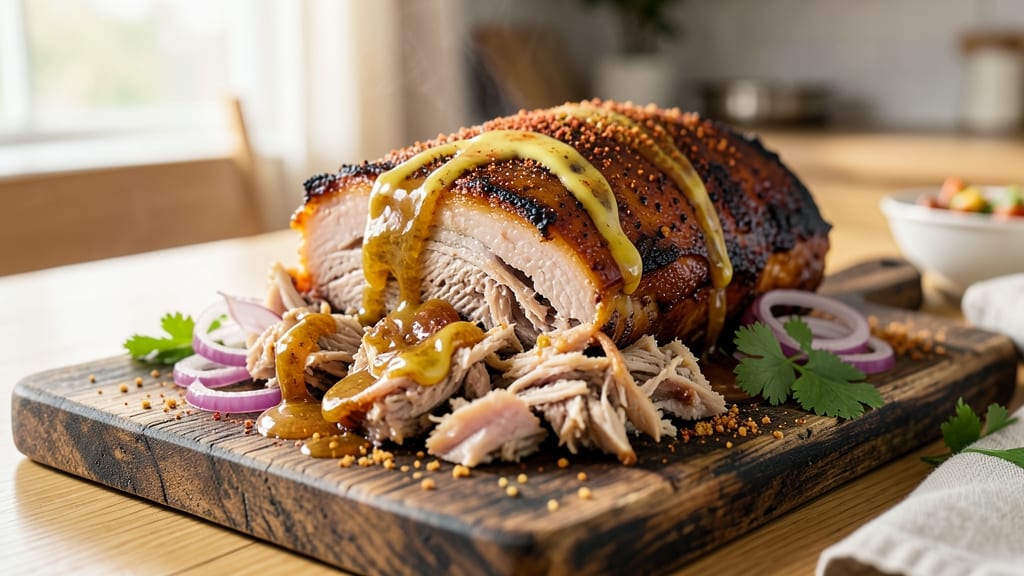
This Boston butt pulled pork smoker recipe delivers the perfect balance of smoky bark and melt-in-your-mouth tenderness—exactly what I've been perfecting in my Atlanta smokehouse for years. 🔥 The secret lies in low-and-slow cooking with precise temperature control, transforming tough pork shoulder into tender, juicy perfection that falls apart at the touch of a fork.
I've cooked thousands of pounds of pork, and this method never fails to impress, whether you're feeding a crowd or treating yourself to a Sunday feast.
The key to this recipe is patience and technique: maintaining a consistent 225°F temperature for hours while managing the stall properly ensures even cooking without drying out the meat.
My heritage pigs from Georgia provide the ideal fat-to-lean ratio, and a well-seasoned rub creates that coveted dark, flavorful bark that smokers crave. The result is pulled pork so tender it practically shreds itself, with layers of smoky flavor that'll have everyone asking for seconds.
By the time you're ready to serve, you'll have juicy, fall-apart pork that's ready to be piled high on buns with tangy coleslaw and pickles for that classic Carolina BBQ experience. The beauty of this recipe is its versatility—it works equally well for sandwiches, tacos, or even breakfast hash.
I've hosted countless cookouts where this pulled pork was the star, and it's become a staple in my restaurant's menu for good reason.
What makes this recipe truly special is how it brings people together—whether it's a family gathering or a backyard BBQ, this pulled pork has a way of creating memories.
The smoky aroma alone transforms any space into a Southern comfort zone, and the first bite always delivers that perfect balance of sweet, smoky, and savory flavors. Let's get smoking!
Ingredients for boston butt pulled pork smoker
Twelve ingredients, twelve hours of magic—this is your smoker's dream team for perfect pulled pork.
| Ingredient | Amount | Notes |
|---|---|---|
| Boston Butt Pork Shoulder 🍖 | 10 lb | Heritage pig preferred, bone-in |
| Yellow Mustard 🍯 | ½ cup | For rub base, not Dijon |
| Brown Sugar 🍚 | ½ cup | Light or dark, packed |
| Smoked Paprika 🌶️ | ¼ cup | For deep smoky flavor |
| Garlic Powder 🧄 | 2 tbsp | Fresh ground preferred |
| Onion Powder 🧅 | 2 tbsp | For sweetness balance |
| Ground Black Pepper 🌶️ | 1 ½ tbsp | Freshly cracked |
| Kosher Salt 🧂 | 1 ½ tbsp | Diamond Crystal preferred |
| Apple Cider Vinegar 🍎 | ¼ cup | For bark development |
| Wood Chips (Hickory) 🌳 | 4 cups | Soaked for 1 hour |
| Beef Stock 🍲 | 1 cup | For spritzing during cook |
| Yellow Onion 🧅 | 2 whole | For serving, sliced |
| Fresh Cilantro 🌿 | ¼ cup | For garnish, chopped |
The pork shoulder is non-negotiable here—heritage pigs from Georgia have the ideal fat-to-lean ratio for that melt-in-your-mouth texture. If you can't find heritage, local butchers often carry high-quality pork shoulders with good marbling. Look for a cut with a thick fat cap—this is what keeps your pork juicy. I've cooked thousands of pounds, and the bone-in version always wins for flavor. Costco or Sam's Club usually have good deals on large cuts, but check the marbling before buying. The fat should be white and firm, not yellow or soft. If you're cooking for a crowd, grab two—this recipe scales perfectly.
No smoked paprika? Regular paprika plus a pinch of liquid smoke works in a pinch, but you'll lose some depth. The apple cider vinegar is key for that dark, flavorful bark—don't skip it. For the rub, I always use Diamond Crystal kosher salt because it dissolves faster and gives better flavor penetration. Need a quicker option? Mix 1 tbsp brown sugar, 1 tbsp smoked paprika, 1 tsp garlic powder, 1 tsp onion powder, 1 tsp salt, and ½ tsp pepper for a fast version. The wood chips? Soak them for at least an hour—this prevents flare-ups and keeps your smoker happy. If you're short on time, pre-soaked chips from Traeger are a lifesaver.
This pork tastes even better the next day—plan ahead! Store leftovers in the fridge for 5-6 days or freeze for up to 3 months. I always portion mine into quart-sized containers so it's ready for sandwiches anytime. The rub? Make extra—it keeps for 6 months in an airtight container. For serving, I like to keep the pork wrapped in foil with a little beef broth until ready to pull. That extra moisture makes shredding a breeze, and the flavors stay locked in. Trust me, the first bite after a full night of smoking is worth every minute.
Why You'll Love This Recipe
- Smoke in Minutes: I swear, the hardest part is deciding when to pull it off the smoker. You slather that mustard and brown sugar mix—no fancy prep, just rub it on—and let the smoker do the work while you sip a beer or fold laundry.
- Sweet-Smoky Magic: That combo of smoked paprika and brown sugar? It turns tough meat into fall-apart perfection with a caramelized crust that’s ridiculously addictive. Honestly, the first bite makes you question why you ever bought pre-made pulled pork.
- Game for Any Gathering: Taco night? Sandwiches? A potluck where you want to bring the star dish? This recipe stretches for days—just reheat and serve. My in-laws still ask for leftovers from that Fourth of July cookout we did last summer.
- Budget Stretch: A single Boston butt feeds my family for three meals (plus snacks). Between us, I’ve fed 12 people for under $20 using this recipe—no fancy cuts, no waste, just pure, smoky satisfaction that won’t break the bank.
Step-by-step instructions for smoky bark pulled pork
Here's how to transform that big Boston butt into melt-in-your-mouth perfection.
🔥 Step 1: Build the Rub and Prep the Meat
In a large bowl, combine the 0.5 cup yellow mustard, 0.5 cup brown sugar, 0.25 cup smoked paprika, 2 tbsp garlic powder, 2 tbsp onion powder, 1.5 tbsp ground black pepper, and 1.5 tbsp kosher salt. Mix until everything is evenly distributed and the mixture resembles coarse sand.
Pat the 10 lb Boston Butt Pork Shoulder dry with paper towels—this is critical for that crispy bark. Generously coat every inch of the meat with the rub, pressing it into the surface so it sticks. Don't forget the fat cap! Place the rubbed pork in a shallow tray and refrigerate uncovered for at least 4 hours (overnight is even better). This drying and seasoning process creates that legendary smoky crust.
🔥 Step 2: Set Up Your Smoker for Low-and-Slow Magic
Soak the 4 cups hickory wood chips in water for 1 hour before using. Fill your smoker with the soaked chips and preheat to 225°F. The smoke should be thin and blue—thick white smoke means it's too wet and won't develop proper flavor.
When the smoker reaches temperature, place the pork shoulder fat-side up on the grill grates. This allows the rendered fat to baste the meat as it cooks. Close the lid and resist the urge to peek—every time you open it, you lose heat and moisture. Set a timer for 1 hour before checking the internal temperature.
⏰ Step 3: Monitor and Spritz for Juicy Perfection
After the initial hour, check the internal temperature using a meat thermometer. You're looking for 160-165°F—this is when you'll hit "the stall," where the temperature stops rising as moisture evaporates. Don't panic; this is normal and actually helps tenderize the meat.
Every 90 minutes after this point, spritz the pork with a mix of 1 cup beef stock and 0.25 cup apple cider vinegar. This keeps the meat moist and helps develop that beautiful bark. Continue smoking until the internal temperature reaches 203°F and the meat is fork-tender (about 8-10 hours total).
🍽️ Step 4: Rest and Shred for Maximum Juiciness
Once the pork reaches 203°F, remove it from the smoker and let it rest in a cooler wrapped in butcher paper for at least 1 hour. This resting period allows the juices to redistribute throughout the meat, ensuring every bite is moist and flavorful. Real talk: Skipping this step means dry, stringy pulled pork.
After resting, use two forks to shred the pork against the grain. The meat should pull apart easily, revealing that beautiful pink smoke ring just beneath the crust. Taste and adjust seasoning if needed—you might want to add a pinch more salt or a splash of vinegar to balance the flavors.
🥘 Step 5: Serve with Fresh Garnishes
Transfer the shredded pork to a serving platter and top with sliced 2 whole yellow onions and chopped 0.25 cup fresh cilantro. The onions add a touch of sharpness, while the cilantro brings freshness to cut through the richness. Serve immediately with your favorite buns and tangy coleslaw for the ultimate pulled pork experience.
Each bite should deliver that perfect balance of smoky bark, juicy pink meat, and tender texture. This is the kind of pulled pork that makes people ask for seconds—and then thirds.
Pro Tips For Making Boston Butt Pulled Pork Smoker
- CRANK THE HEAT FIRST: Start your smoker at 250°F—no need to baby it early. The first 90 minutes at 225°F might feel safe, but higher heat gets that crust locked in faster. After that, drop to 225°F for the long cook. I learned this the hard way when my first batch stayed too soft because I played it too cool from the start.
- DON’T SKIP THE MUSTARD SLATHER: Yellow mustard isn’t just flavor—it’s the glue. Brush it on thick before applying the dry rub, and reapply every 2 hours. The acid cuts through fat, and the sugar in the rub caramelizes better when it’s got a sticky base. (Yes, even if you’re impatient like me.)
- WRAP IT AT 165°F: The stall is real, but don’t fight it—wrap the butt in butcher paper or foil when it hits 165°F. This traps steam and pushes it to 203°F without drying out. I used to wait too long, and the bark would crack or the meat would turn sad. Timing matters more than you think.
- USE COARSE SALT FOR RUB: Fine salt dissolves too fast, leaving a weak crust. Go for kosher or sea salt flakes—it sticks better to the fat cap and browns deeper. Sprinkle it generously (about 1 tablespoon per pound) and massage it into the meat before adding smoked paprika. (Your future self will thank you.)
Dietary considerations for these flavors
Gluten-Free Adaptations
This recipe is naturally gluten-free if you use certified gluten-free ingredients, but the rub and serving suggestions need attention. Replace the yellow mustard in the rub with Dijon-style mustard (check labels for gluten-free certification) or omit it entirely—just add 1 extra tbsp smoked paprika for depth.
For serving, use gluten-free buns like Canyon Bakehouse or Schär brands, and verify all sauces (like BBQ sauce) are certified gluten-free. 🌾
Low-Carb/Keto Version
Skip the brown sugar in the rub and replace it with 1 tbsp erythritol or monk fruit sweetener for a keto-friendly option. The apple cider vinegar and beef stock spritz remain safe for low-carb diets, but watch out for hidden sugars in store-bought sauces.
Serve with lettuce wraps or cheese crisps instead of buns, and add extra sliced onions for crunch. The pork itself is already keto-approved with 0g carbs per serving.
Allergen Considerations
For nut allergies, this recipe is already safe—just ensure your wood chips are nut-free (some brands mix nuts with wood). If you're avoiding mustard, substitute with olive oil (reduce to ¼ cup) or mayonnaise (check for egg allergies).
For dairy-free needs, skip the cilantro garnish or use dairy-free sour cream on the side. Always double-check ingredient labels, especially for pre-made rubs or sauces.
Dairy-Free Serving
This pulled pork is naturally dairy-free, but traditional sides often contain cheese. Swap coleslaw for a vinegar-based slaw with dairy-free mayo (like Hellmann's Vegan) or a pickled onion and jalapeño mix.
Garnish with avocado slices or pickled jalapeños for acidity without dairy. The pork's smoky flavors stand up beautifully to these alternatives.
Protein-Packed Modifications
Looking to boost protein? Add ½ cup cooked quinoa per serving or serve with protein-rich sides like black beans or roasted chickpeas. For a high-protein rub, increase the garlic powder to 3 tbsp and add 1 tbsp onion powder—both add flavor without extra carbs.
This pork already delivers 50g protein per 6-ounce serving, making it a powerhouse for muscle recovery.
Nutrition facts
Frequently asked questions
How do I know when my pork shoulder is done?
Your pulled pork is ready when it reaches an internal temperature of 203°F and the meat is fork-tender. The probe should slide through like butter, and you'll see a beautiful pink smoke ring beneath the bark. Never rely on time alone—always use a meat thermometer for accuracy. The stall (where temperature plateaus) is normal and actually helps tenderize the meat.
Can I use a different wood for smoking? While hickory is traditional, fruitwoods like cherry or apple add subtle sweetness that pairs beautifully. Avoid pine—it's too strong and can make the pork taste bitter. For a balanced flavor, try a 50/50 hickory-fruitwood mix. Just
What if my smoker can't maintain 225°F?
Don't panic! If your smoker fluctuates, aim for 200-250°F range—just extend the cooking time. For example, if it runs hot, plan for 12-14 hours total. Use a water pan in your smoker to help stabilize temperatures. The key is consistency, not exact numbers—just keep that pork in the 160-203°F zone.
How do I prevent dry pulled pork?
Moisture is everything! Spritz every 90 minutes with beef stock and vinegar, and never skip the 1-hour rest after cooking. Wrap the pork in butcher paper during the last hour if it's getting too dry. Also, avoid cutting into the meat while it's still hot—this releases precious juices. The fat cap is your friend—it bastes the meat as it renders.
What's the best way to reheat leftovers?
For maximum juiciness, reheat in a 325°F oven wrapped in foil with a splash of broth until warmed through (10-15 minutes). Never microwave—it turns pork rubbery. For sandwiches, assemble fresh and toast quickly to preserve moisture. Leftovers keep well in the fridge for 5-6 days or freeze for 3 months in airtight containers.