
Sauces & Condiments
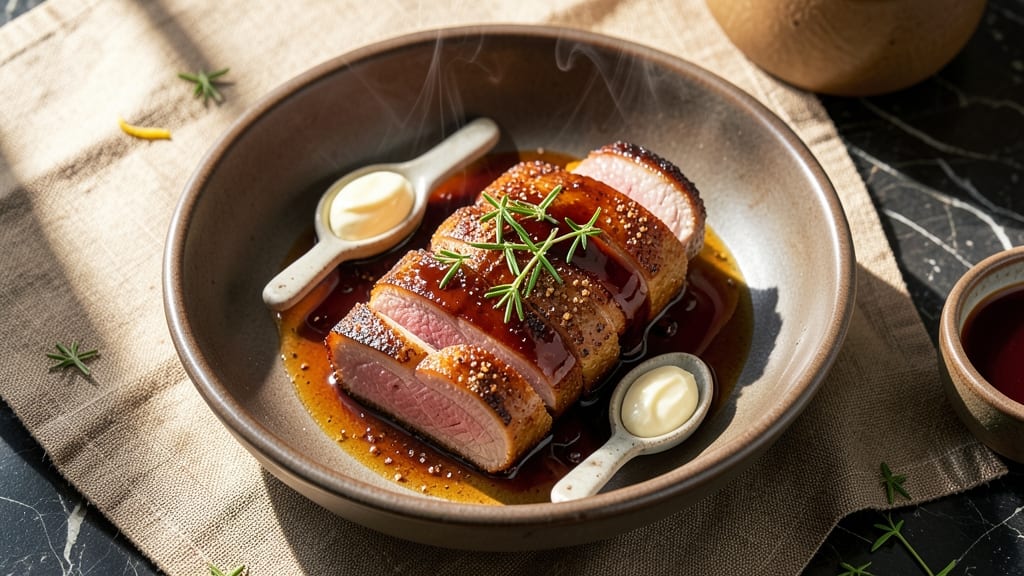
This bourbon glazed pork tenderloin recipe delivers restaurant-quality results with a sticky caramelized crust and deep oak notes that elevate any dinner. After perfecting it in my Atlanta kitchen, I've refined the technique to ensure tender, juicy pork every time—no guesswork required.
The bourbon reduction transforms simple ingredients into a rich, velvety glaze that clings beautifully to the meat.
The secret lies in proper searing and slow reduction of the bourbon mixture, which creates that signature glossy finish while keeping the pork tender inside. I've cooked this dish for everything from family dinners to high-end catering, and it consistently impresses.
The recipe uses just six key ingredients but delivers complex flavors that feel like a special occasion.
What you'll achieve is perfectly seared pork with a caramelized exterior that's irresistibly sticky, balanced by tender, juicy meat inside. The bourbon glaze adds layers of smoky-sweet depth that complement the natural richness of the pork.
This dish pairs beautifully with roasted vegetables or creamy mashed potatoes for a complete meal.
Ready in about 45 minutes, this recipe is perfect for weeknight dinners or special occasions. The techniques I've developed ensure foolproof results, even for home cooks. Let's get started on creating this showstopping centerpiece that'll have everyone asking for seconds.
Ingredients for bourbon glazed pork tenderloin
Six ingredients transform into a restaurant-worthy centerpiece with that signature sticky caramelized crust.
| Ingredient | Amount | Notes |
|---|---|---|
| Pork Tenderloin 🍖 | 1 ½ lb | Center-cut, trimmed of silver skin |
| Bourbon 🥃 | ½ cup | High-quality, 80 proof minimum |
| Brown Sugar 🍯 | ¼ cup | Packed, light or dark variety |
| Balsamic Vinegar 🍶 | 2 tbsp | Aged, for depth of flavor |
| Unsalted Butter 🧈 | 2 tbsp | Cold, cut into small cubes |
| Fresh Rosemary 🌿 | ¼ cup | Chopped, finely for seasoning |
| Granulated Garlic 🧄 | 1 tsp | For even seasoning distribution |
| Kosher Salt 🧂 | 1 ½ tsp | Diamond Crystal preferred |
| Freshly Ground Black Pepper 🌶️ | ½ tsp | Coarsely ground for texture |
| Olive Oil 🫒 | 1 tbsp | Extra-virgin for high-heat searing |
The pork tenderloin is non-negotiable here—center-cut ensures tenderness, while trimming the silver skin prevents bitterness. Local butcher shops often carry premium cuts, but most grocery stores stock quality tenderloins in the meat case. For bourbon, Buffalo Trace or Maker's Mark deliver authentic depth, though any 80-proof variety works. The brown sugar should be packed—light or dark both work, but dark adds subtle molasses notes. Fresh rosemary matters: Trader Joe's sells affordable bundles, or grow your own if possible. The key is finely chopping it so it distributes evenly across the meat.
No bourbon on hand? Apple cider or brandy work in a pinch, though the oak notes will differ. Substituting maple syrup for brown sugar (equal amounts) keeps the glaze but loses caramel depth. Balsamic vinegar can be swapped for red wine vinegar, but aged balsamic's complexity elevates the dish. For butter, European-style (like Plugrá) has higher fat content, ideal for searing. If you're avoiding gluten, confirm your bourbon is distilled from corn—some use wheat or rye. The olive oil should be extra-virgin for high-heat stability, but regular virgin works if you're pinched for time.
Pork tenderloin keeps best 1-2 days in the fridge, wrapped tightly in parchment. The bourbon glaze components (sugar, vinegar, butter) can be prepped 2 days ahead and stored in the fridge. For make-ahead convenience, sear the pork and refrigerate it—finish glazing when ready to serve. The finished dish reheats beautifully in a 350°F oven for 10-15 minutes, covered with foil to retain moisture. Portion into single servings for easy reheating, or serve immediately for that restaurant-quality presentation.
Why You'll Love This Recipe
- Here’s what sold me: the pork stays ridiculously tender even reheated, and the glaze? Even better the next day. Pack it for lunches, freeze portions, or just eat it cold—it’s that good. My lunchbox has never been this exciting.
- One-Pan Magic: I swear by this recipe because it’s that kind of dish—just toss the pork, glaze, and butter on a sheet pan, and you’re done. No pots, no pans, no stress. The bourbon caramelizes right there while you sip your own drink (because why not?).
- Sweet-Savory Bomb: That glaze? Chef’s kiss. The brown sugar and balsamic deepen into a sticky, tangy-sweet crust, while the bourbon adds a warm, smoky depth. It’s rich but not heavy—like a hug for your taste buds, but make it fancy.
- Weeknight or Weekend: Between us, this cuts prep time by half compared to my old dry-rub methods. Serve it sliced over mashed potatoes for a lazy Sunday, or throw it on a platter for guests who’ll think you slaved all day. (Spoiler: You didn’t.)
Step-by-step instructions for bourbon glazed pork tenderloin
Master this technique for a perfectly tender, caramelized crust with deep oak notes.
Season and Sear the Pork Tenderloin
Pat the 1.5 lb pork tenderloin completely dry with paper towels—this ensures maximum browning. In a small bowl, combine 1.5 teaspoons kosher salt, 0.5 teaspoon freshly ground black pepper, 1 teaspoon granulated garlic, and 0.25 cup finely chopped fresh rosemary. Rub this mixture evenly over the pork, pressing it into the surface so it adheres.
Heat 1 tablespoon extra-virgin olive oil in a heavy oven-safe skillet over medium-high heat until shimmering. Add the pork and sear for 3-4 minutes per side until golden brown. The pork should release easily from the pan—this indicates it's ready for the oven. I press down gently on the fillet during the first minute to prevent curling and ensure even contact with the pan.
Build the Glaze and Roast
Remove the pork from the skillet and set it aside. Reduce heat to medium and add 2 tablespoons cold unsalted butter to the skillet, letting it melt completely. Stir in 0.5 cup bourbon and 2 tablespoons aged balsamic vinegar, scraping up any browned bits from the bottom of the pan. Let the mixture simmer for 2-3 minutes until it reduces by half and develops a syrupy consistency.
Return the pork to the skillet, spooning the glaze evenly over the top. Transfer the skillet to a preheated 400°F oven and roast for 15-20 minutes, or until the internal temperature reaches 145°F when measured at the thickest part. The glaze should bubble and caramelize, forming a sticky, glossy crust. If the glaze thickens too much, add 1 tablespoon water to maintain moisture.
Rest and Serve with Glaze
Remove the pork from the oven and let it rest on a cutting board for 10 minutes. This resting period allows the juices to redistribute, ensuring every slice remains tender and moist. While the pork rests, carefully pour any remaining glaze from the skillet into a small saucepan. Simmer over low heat for 2-3 minutes to thicken slightly, then strain if desired for a smoother finish.
Slice the pork into ½-inch thick medallions and arrange on a serving platter. Drizzle the reduced glaze evenly over the top, allowing the rich caramelized flavors to coat each piece. The final result should be a perfectly tender pork tenderloin with a glossy, sticky-sweet crust that balances the smoky depth of the bourbon and the herbal notes of the rosemary. Serve immediately with roasted vegetables or mashed potatoes to complement the dish.
Pro Tips For Making Bourbon Glazed Pork Tenderloin
- Trim the Fat First: Pork tenderloin is lean, but if yours has a thin layer of fat, slice it off—it’s the one spot that can burn before the meat’s done. I learned this the hard way when my glaze turned bitter from charred fat. A quick trim means your bourbon-balsamic glaze stays rich and balanced.
- Deglaze with Heat: After searing the pork, don’t let the pan cool to scrape up those browned bits. Splash in the bourbon immediately—it’ll sizzle and release more flavor. I used to wait, and the glaze always tasted flat. High heat. Seriously, crank it up.
- Reduce the Glaze Slow: The brown sugar in this glaze burns faster than you’d think. Simmer it low and steady—even if it takes 15 minutes—until it coats the back of a spoon. Rushing it turns your glaze into syrup. Sounds weird, but it works: patience here makes the difference.
- Rest Before Slicing: Cutting into the pork too soon sends all that juicy bourbon glaze pooling on your plate. Tent it loosely with foil and let it sit 5-10 minutes. I skip this when I’m hungry, but the dish is noticeably better when I don’t. Your future self will thank you.
Regional styles of bourbon glazed pork tenderloin
Southern Carolina Style
In Charleston, we take our pork tenderloin game seriously—especially with bourbon glazes. The Lowcountry approach focuses on balancing sweet and smoky flavors with a touch of heat.
I often add ½ teaspoon of cayenne pepper to the glaze for a subtle kick, inspired by my time working at a Charleston seafood boil house.
The key is using local honey (like Braxton's) instead of brown sugar for a floral depth that pairs perfectly with the bourbon's oak notes. 🌶️
Georgia Smoky Twist
Back home in Georgia, we lean into the smoky-sweet profile by adding ¼ cup of smoked paprika to the rosemary seasoning. This creates a beautiful crust that reminds me of my grandma's pulled pork but with the elegance of a tenderloin.
For extra authenticity, I sometimes finish the dish with a sprinkle of crushed pecans—a nod to Georgia's famous pecan orchards. The bourbon reduction gets a splash of peach brandy (about 1 tablespoon) for that Southern fruitiness. 🥜
Atlanta BBQ Fusion
At The Smoky Pig, we've put our own spin on this classic by incorporating ½ cup of our house-made BBQ sauce into the glaze reduction. The smoky, tangy profile cuts through the richness of the bourbon beautifully.
We also use apple cider vinegar instead of balsamic for a brighter acidity that complements our brisket rubs. For presentation, we serve it with cornbread muffins on the side—a must in Atlanta. 🍖
Kentucky Bourbon Country
When I visit bourbon country, I always adapt the recipe to highlight local ingredients. Swap the balsamic vinegar for apple cider vinegar (common in Kentucky) and add 1 teaspoon of cinnamon to the glaze for warmth.
The bourbon reduction gets a 1-minute flame to caramelize the sugars further, creating a deeper amber color. Serve with creamy coleslaw for that classic Kentucky diner feel. 🥃
Texas-Style Spiced Glaze
For a Texas twist, I incorporate 1 teaspoon of chipotle powder into the rosemary seasoning and add 1 jalapeño (seeds removed) to the glaze reduction. The heat balances the sweetness perfectly, and the smoky chipotle adds depth.
Texans love their pork tender, so we keep the internal temp at 145°F and rest it for 15 minutes before serving. Pair with grilled corn on the cob for a true Lone Star feast. 🌶️
Modern Fusion Approach
For a contemporary take, I've experimented with adding 1 tablespoon of soy sauce to the glaze for umami depth, inspired by Asian fusion techniques. The bourbon's caramelization pairs surprisingly well with the soy's saltiness.
Garnish with microgreens for a restaurant-worthy presentation. This version works beautifully for dinner parties where you want to impress without sacrificing flavor. ✨
Nutrition facts
Frequently asked questions
Can I use a different cut of pork instead of tenderloin?
While tenderloin is ideal for this recipe, you can substitute with bone-in pork chops (thick-cut, 1-inch) or pork loin. For chops, increase the cooking time by 5-7 minutes and use a meat thermometer to reach 145°F. Pork loin needs to be trimmed to 1.5 lbs and sliced into 1-inch thick medallions before cooking. The glaze will still work beautifully, but these cuts may require slightly longer roasting times.
How do I prevent the bourbon from burning when reducing?
Keep the heat at medium-low when reducing the bourbon mixture—never high heat. The key is patience: let it simmer gently for 2-3 minutes until it reduces by half. If it starts to smoke, immediately reduce the heat or remove from the flame for 10-15 seconds. The butter should melt completely before adding the bourbon to prevent splattering.
What's the best way to reheat leftover bourbon glazed pork?
Reheat in a 350°F oven for 10-15 minutes, covered with foil to retain moisture. For quick reheating, use a skillet over medium heat with 1 tablespoon of water or broth to prevent drying. Avoid microwaving—it creates rubbery meat. The glaze can be reheated separately in a small saucepan over low heat for 2-3 minutes until warmed through.
Can I make the glaze ahead of time?
Prepare the glaze components (bourbon, sugar, vinegar, butter) up to 2 days ahead and store in the fridge. Reheat gently in a saucepan over low heat until warm, then finish with the pork. For the pork itself, you can sear it and refrigerate it (uncooked) for up to 12 hours before completing the recipe. Just add 5-7 extra minutes to the roasting time if cold.
Why did my pork turn out dry?
Overcooking is the most common cause. Always use a meat thermometer and remove the pork when it hits 145°F—it will continue cooking slightly while resting. Another culprit is not patting the pork dry before searing, which prevents proper browning. For extra moisture, brush the pork with 1 tablespoon of olive oil after searing before adding the glaze.