
Main Courses
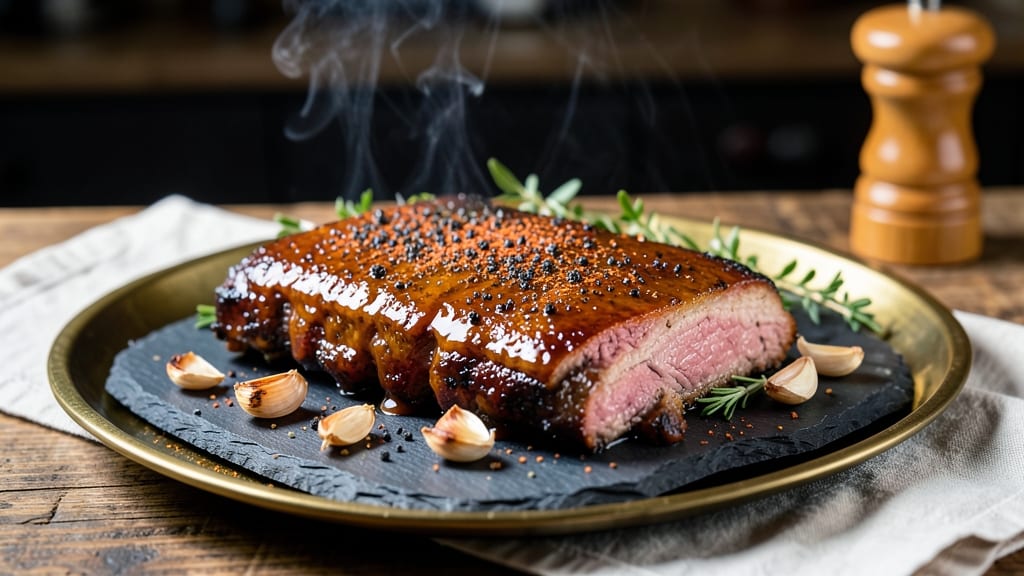
Bradley Smoker Pork Ribs Recipe transforms tough cuts into juicy pink magic with a perfect balance of smoky bark and tender meat. After years of perfecting this technique in my Atlanta smokehouse, I've cracked the code for consistent results every time using a Bradley smoker's precise temperature control.
The secret lies in the slow cook—low and steady—where the wood smoke penetrates deeply while the rub develops that coveted crust.
This recipe starts with a dry rub of brown sugar, paprika, and spices that create a caramelized bark while keeping the meat moist. The Bradley's even heat distribution ensures no cold spots, which means perfectly tender ribs from edge to edge.
We're talking about ribs that fall apart at the touch of a fork, with just enough snap in the bark to satisfy any BBQ purist. My team at The Smoky Pig has been making these for years, and they're always the first to disappear.
What makes this recipe truly special is the patience required—those ribs need 3-1/2 hours at 225°F to transform from tough to tender. The payoff? Ribs so flavorful they'll have your guests asking for the recipe before dessert.
The key is maintaining that steady temperature and letting the wood smoke work its magic without rushing the process. Trust me, the wait is worth every second of that smoky aroma filling your backyard.
Serve these ribs with classic sides like coleslaw and cornbread, or pair them with a crisp green salad to balance the richness. The leftovers? Even better the next day, though I've never had any survive that long in my house.
This is the kind of recipe that turns weekend smokers into backyard heroes—one perfect rack at a time.
Ingredients for bradley smoker pork ribs
These 14 ingredients create smoky, tender ribs that fall apart with a perfect bark.
| Ingredient | Amount | Notes |
|---|---|---|
| Pork Ribs (Baby Back) 🍖 | 2 ½ lb | Bone-in, meaty sections preferred |
| Brown Sugar 🍚 | ½ cup | Light or dark, packed |
| Smoked Paprika 🌶️ | 2 tbsp | For authentic smoky flavor |
| Kosher Salt 🧂 | 1 tbsp | Diamond Crystal preferred |
| Coarse Black Pepper 🌶️ | 1 tbsp | Freshly cracked for texture |
| Garlic Powder 🧄 | 1 tbsp | Not garlic salt |
| Onion Powder 🧅 | 1 tbsp | For depth of flavor |
| Ground Mustard 🌿 | 1 tsp | Adds tangy complexity |
| Chili Powder 🌶️ | 1 tsp | Mild or medium heat |
| Yellow Mustard 🍯 | ¼ cup | For post-smoke glaze |
| Apple Cider Vinegar 🍎 | 2 tbsp | Balances sweetness |
| Wood Chips (Hickory or Oak) 🌳 | 1 package | Soaked for 30 minutes |
| Water 💧 | 1 cup | For soaking wood chips |
| Beer (Optional) 🍺 | ½ cup | Light lager for moisture |
The ribs are the star—baby back cuts give you the best balance of meat and fat. Costco or local butcher shops often have them pre-cut, but if buying whole, remove the membrane for even cooking. Look for good marbling—fat equals flavor and moisture. For the rub, smoked paprika is non-negotiable; it's what gives Bradley-smoked ribs that authentic char. I always grab mine from Penzeys or the bulk section at Whole Foods. The brown sugar? Pack it tightly—light and dark work equally.
No smoked paprika? Regular paprika plus a pinch of liquid smoke gets you close. The beer is optional but adds moisture—any light lager works. For the glaze, Dijon mustard can replace yellow mustard if that's what you've got. The wood chips? Hickory for strong smoke, oak for milder flavor. If you can't find pre-soaked chips, soak them in water for 30 minutes before smoking. The apple cider vinegar balances the sweetness—substitute lemon juice if needed. And trust me, Diamond Crystal kosher salt—it dissolves better and enhances flavor.
The rub keeps well in an airtight container for 2 weeks—make extra for next time. Store the ribs uncovered in the fridge for 1-2 days before smoking. Once smoked, ribs reheat beautifully—wrap in foil and warm at 300°F for 15 minutes. Leftovers? Freeze for up to 3 months—just thaw overnight in the fridge. I always make a double batch because these disappear faster than you can say 'Bradley smoker.'
Why You'll Love This Recipe
- Smoke in Minutes: I swear, these ribs are ready faster than you can debate whether to start the smoker first. Just slap on the dry rub—brown sugar, smoked paprika, and salt—and let the smoker do the rest. No basting, no fuss, just perfect ribs in 3-4 hours (set it and forget it).
- Sweet-Smoky Magic: That caramelized brown sugar crust? Chef’s kiss. It’s not just sweet—it’s got this deep, smoky backbone from the paprika that makes every bite taste like a backyard BBQ victory. The pepper adds a little kick, but it’s the kind of heat that disappears into pure satisfaction.
- Tailgate or Tuesday: Honestly, these ribs work everywhere. Pack them in foil for a picnic, serve them at a tailgate with zero stress, or make a double batch for lazy Sundays. They’re just as happy on a paper plate as they are on your best dinnerware—no pretenses, just good food.
- Leftovers? More Like Win-Wins: Between us, I always end up with extra ribs. The good news? They reheat like a dream—wrap them in foil and hit the oven for 10 minutes, and they’re just as tender. Plus, they’re cheap to make, so you can feed a crowd without breaking the bank. My secret weapon for parties where I don’t want to stress.
Step-by-step instructions for smoky, juicy pork ribs
Here's how to transform tough ribs into fall-off-the-bone perfection with that prized pink center.
Prepare the Ribs and Dry Rub
Remove the ribs from the packaging and pat them completely dry with paper towels. This step is crucial—moisture on the surface prevents the rub from sticking and creates steam instead of crispy bark. Place them on a wire rack set over a baking sheet to allow air circulation on all sides.
In a large bowl, combine the 0.5 cup brown sugar, 2 tbsp smoked paprika, 1 tbsp kosher salt, 1 tbsp coarse black pepper, 1 tbsp garlic powder, 1 tbsp onion powder, 1 tsp ground mustard, and 1 tsp chili powder. Mix well with your hands until the sugar dissolves and the spices are evenly distributed. This dry rub is the flavor foundation—don't skip the hand-mixing for even coating.
Generously coat the ribs with the rub, pressing it into every nook and cranny. The ribs should look like they've been dusted with a sweet, spicy blanket. Let them sit at room temperature for 30 minutes while you prepare the smoker. This resting period helps the rub adhere better and allows the meat to cook more evenly.
Set Up the Smoker for Low and Slow Cooking
Soak the 1 package wood chips in 1 cup water for at least 30 minutes before using. This prevents the chips from burning up too quickly and creates cleaner smoke. Fill the smoker's water pan with 0.5 cup beer (if using) and add it to the smoker along with the soaked wood chips.
Preheat the smoker to 225°F. I've found this low-and-slow temperature is key to tender ribs—it breaks down collagen gradually while building that coveted bark. Once the smoker reaches temperature and you see thin blue smoke (not thick white steam), you're ready to load the ribs. Place them bone-side down on the smoker grates, meat-side up.
Close the lid and resist the urge to check on them frequently. Every time you open the lid, you lose heat and moisture, adding 15-20 minutes to your cook time. Let them smoke undisturbed for 2 hours at this temperature—this is where the magic happens as the rub forms a crust and the meat begins to tenderize.
Wrap and Rest for Maximum Tenderness
After 2 hours, check the internal temperature of the ribs using a meat thermometer. They should reach about 165-170°F—this is when you'll hit "the stall," where the temperature stops rising as moisture evaporates. Don't panic; this is normal and expected.
At this point, wrap the ribs tightly in heavy-duty aluminum foil (not plastic wrap). This technique, called the "Texas crutch," helps power through the stall while keeping the meat moist. Return them to the smoker and continue cooking at 225°F for another 1.5 to 2 hours, until the internal temperature reaches 200-203°F. The ribs should be fork-tender with no resistance when you probe them.
Once they reach the target temperature, remove the ribs from the smoker and let them rest for 15 minutes before unwrapping. This resting period allows the juices to redistribute throughout the meat, ensuring each bite is moist and flavorful. I know it's tempting to cut into them immediately, but trust this step—it makes all the difference.
Glaze and Serve with Confidence
While the ribs rest, prepare the glaze by combining the 0.25 cup yellow mustard and 2 tbsp apple cider vinegar in a small bowl. Whisk until smooth—this tangy mixture will cut through the sweetness of the rub and add a bright finish. Unwrap the ribs and brush this glaze generously over the top of each rack.
Return the ribs to the smoker (or transfer to a hot grill) and cook for an additional 10-15 minutes to caramelize the glaze and create that glossy sheen. Watch closely—you want the glaze to bubble and darken slightly but not burn. The ribs are done when the glaze is set and the bark is deep mahogany in color.
Serve the ribs immediately, cutting them between the bones for easy handling. Each bite should deliver a perfect balance of smoky bark, juicy pink meat, and that tangy-sweet glaze. The ribs should be tender enough to pull apart with a gentle tug, not so soft they fall apart, and not tough or chewy. Pair them with classic sides like coleslaw, cornbread, or baked beans for a complete meal.
Pro Tips For Making Bradley Smoker Pork Ribs
- Trim the Fat First: Baby back ribs have a thin fat cap—leave it on for flavor, but trim off any thick, stringy bits before smoking. I learned this the hard way when a stubborn fat chunk flopped onto my smoker’s heat probe and nearly ruined a batch. A quick knife pass saves cleanup and keeps your ribs cooking evenly.
- Start with a Hot Smoker: Crank your smoker to 275°F (135°C) for the first hour, even if the recipe says otherwise. That initial blast of heat helps render fat faster and builds a better bark on the ribs. After that, drop to 225°F (107°C)—but don’t skip the hot start unless you want gummy, underwhelming ribs.
- Don’t Crowd the Ribs: Space them at least 1 inch apart on the rack, even if it means two batches. I used to jam them in tight to save time, and they’d steam instead of smoke. Proper airflow = crispy bark, not sad, soggy meat. Yes, it takes longer, but the payoff is worth it.
- Spritz with Apple Cider Vinegar: Every 90 minutes, spray the ribs with a mix of equal parts apple cider vinegar and water. The acid tenderizes the collagen and cuts through the sugar’s caramelization, preventing a sticky glaze. (Skip the store-bought spritzers—they’re overpriced and full of junk.)
Common mistakes when making your bradley smoker pork ribs
Skipping the Rest
I can't stress this enough—never skip the resting period after removing ribs from the smoker. The 15-minute rest lets juices redistribute, preventing dry, stringy meat. I've seen home cooks cut into ribs too soon, and it's a heartbreaking mistake.
Trust the process—those juices need time to settle back into the meat. 💡
Overlooking Wood Chip Soaking
Using dry wood chips is a rookie mistake that leads to bitter smoke and lost cook time. Always soak 1 package wood chips in 1 cup water for 30 minutes before smoking.
This prevents burning and creates cleaner, more flavorful smoke. I've had to restart entire cooks because of this—don't make that mistake.
Temperature Swings
Bradley smokers are precise, but even small temperature fluctuations can ruin your ribs. Keep the smoker at a steady 225°F—any higher, and you'll get tough meat; any lower, and you'll waste hours.
I recommend using a dual-probe thermometer to monitor both the smoker's air temperature and the meat's internal temperature. Every 5°F variation adds 15-20 minutes to your cook time.
Ignoring the Stall
The stall (when internal temperature plateaus around 165°F) is normal, but many new smokers panic and increase heat. Instead, wrap the ribs in foil and maintain 225°F.
This technique, called the "Texas crutch," helps push through the stall without drying out the meat. I've seen ribs recover from stalls, but never from rushed cooking.
Uneven Rub Application
Skimping on the dry rub or applying it unevenly leads to bland spots and inconsistent bark. Coat every inch of the ribs, pressing the rub into the meat with your fingers. I like to use about 1.5 tbsp of rub per pound of ribs.
The first time I made this recipe, I missed some spots—those areas ended up bland and pale compared to the rest. 🔥
Opening the Lid Too Often
Every time you open the smoker lid, you lose 25°F of heat and 15-20 minutes of cook time. Resist the temptation to peek! I've had cooks open their smoker every 10 minutes to check progress, and by the end, their ribs were tough and dry.
Let them smoke undisturbed for the first 2 hours—you'll thank me later.
Nutrition facts
Frequently asked questions
Can I use a different type of smoker besides a Bradley?
While the Bradley excels at maintaining steady 225°F, any quality pellet smoker or offset smoker will work. For electric smokers, monitor temperatures closely—most struggle to stay consistent below 250°F. The key is patience: ribs need that low-and-slow cook regardless of the smoker type. Just aim for the same 200-203°F internal temp.
How do I know when the ribs are done without a meat thermometer?
Look for three signs: the bark should be deep mahogany, the ribs should pull apart easily between bones with minimal resistance, and when you lift a rib, it should feel tender like butter. Pro tip: Press your thumb against the meat—if it leaves a slight indentation, they're ready. The glaze will also bubble and darken when fully cooked.
Can I make this recipe with spare ribs instead of baby backs?
Yes, but adjust the cook time! Spare ribs have more connective tissue, so they need 4-5 hours total (including wrap time) to reach 203°F internal temp. Use the same rub and glaze, but expect a longer smoke. The bark will be thicker, and the meat slightly more tender. I've made these with spare ribs at The Smoky Pig—they're a crowd-pleaser!
What's the best wood for these ribs?
Hickory gives the strongest smoke flavor, while oak provides a milder, cleaner taste. For a balanced profile, I recommend a 50/50 mix of both. Avoid fruit woods like cherry or apple—they can overpower the pork's natural flavor. Pro move: Soak your wood chips in apple cider vinegar instead of water for an extra tangy kick.
How far in advance can I prep the ribs?
You can season the ribs up to 24 hours ahead and refrigerate uncovered on a wire rack. The dry rub will develop deeper flavors overnight. For the glaze, mix it fresh 30 minutes before serving—it's best when applied to warm ribs. I always prep everything the night before so I can focus on smoking when the day comes!