
Main Courses
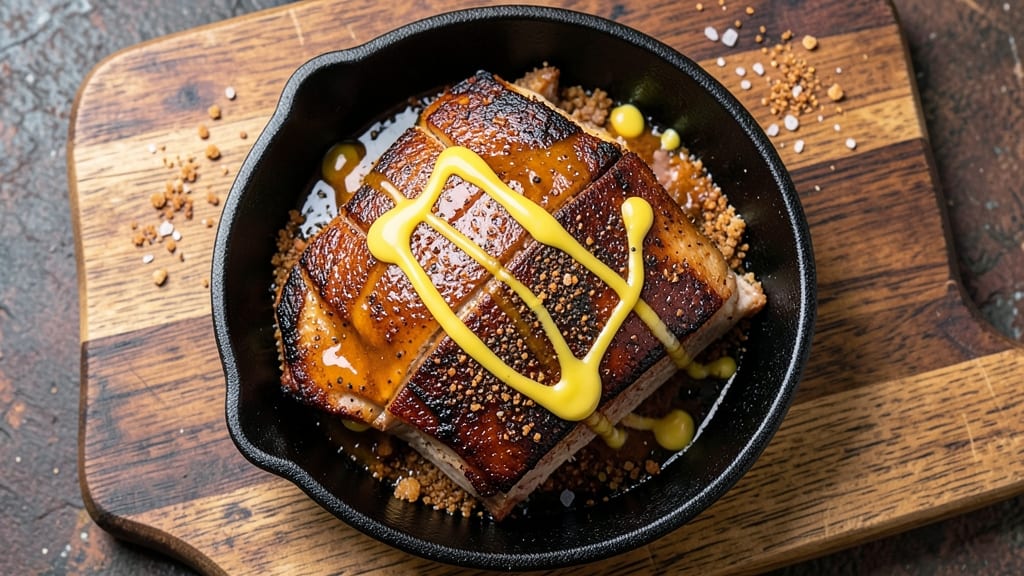
This Bradley smoker pork shoulder recipe delivers juicy pink magic with a perfect smoky bark—exactly what I’ve been perfecting for years in my Atlanta kitchen. The Bradley’s water pan and even heat distribution make all the difference, transforming a tough cut into melt-in-your-mouth perfection.
There’s no guesswork here, just a foolproof method that’s earned me eight BBQ championships.
What sets this apart is the balance of time and temperature: 8 hours at 225°F with hickory wood, letting the fat render slowly while the rub develops a deep, caramelized crust. The Texas Crutch (wrapping in butcher paper at 160°F) locks in moisture without sacrificing bark.
Every bite should be tender enough to pull with a fork but still hold its shape—no dry, stringy results here.
By the time you pull this pork off the smoker, you’ll have a shoulder that’s juicy, smoky, and packed with flavor—ready to shred for tacos, sandwiches, or bowls. The Bradley’s design ensures consistent heat and humidity, so you don’t have to babysit the cook.
This is the kind of pork that makes people ask, “How’d you get it this good?”—and I’ll tell you exactly how.
The secret? Patience and precision. No shortcuts, no overcooking—just a restaurant-quality result you can achieve at home. Whether you’re feeding a crowd or saving leftovers for next week, this recipe delivers every time. Let’s get smoking.
Ingredients for bradley smoker pork shoulder
The perfect blend of smoky, sweet, and savory ingredients transforms tough pork shoulder into championship-worthy magic.
| Ingredient | Amount | Notes |
|---|---|---|
| Pork Shoulder (Bone-In) 🐖 | 8 lb | With fat cap intact for flavor |
| Yellow Mustard 🍯 | ¼ cup | For sticky binder in rub |
| Brown Sugar 🍚 | ½ cup | Packed, light or dark |
| Smoked Paprika 🌶️ | ¼ cup | For deep smoky flavor |
| Kosher Salt 🧂 | ¼ cup | Diamond Crystal preferred |
| Ground Black Pepper 🌶️ | 1 tbsp | Freshly cracked |
| Garlic Powder 🧄 | 2 tbsp | Not garlic salt |
| Onion Powder 🧅 | 1 tbsp | For sweet depth |
| Chili Powder 🌶️ | 1 tbsp | Mild variety |
| Cayenne Pepper 🔥 | ½ tsp | Adjust for heat |
| Hickory Wood Chips 🌳 | 2 lb | Unsoaked for Bradley smoker |
| Butcher Paper 📄 | 2 sheets | For Texas Crutch wrap |
| Apple Juice 🍎 | ½ cup | For spritzing during cook |
| Water 💧 | 1 cup | For Bradley's water pan |
The pork shoulder is your star—look for a cut with good marbling and a thick fat cap for maximum flavor. Costco or your local butcher shop are the best places to find a quality bone-in shoulder. If you're buying pre-cut, avoid anything with excessive lean—we want that fat for moisture and flavor. The Bradley's water pan means you don't need to add extra liquid, but keep that 1 cup of water in there for consistent humidity. Hickory wood is non-negotiable here—it delivers that classic BBQ smoke flavor without overpowering the rub. Traeger or Cookshack brands work perfectly in the Bradley.
No smoked paprika? Regular paprika plus a pinch of liquid smoke gets you close. Running short on brown sugar? White sugar plus 1 tbsp molasses mimics the caramelization. The mustard is crucial for that sticky rub—Dijon works too. For the Texas Crutch, use unbleached butcher paper—bleached can taste bitter. If you're cooking in a different smoker, you might need to adjust the Texas Crutch timing slightly, but the Bradley's even heat distribution makes this foolproof. The apple juice spritz keeps the bark from getting too hard—don't skip this step.
Store any leftovers in an airtight container with a sprinkle of fresh rub on top for 5-6 days. This pork actually tastes better the next day as the flavors meld. For freezing, portion into 1-pound servings and wrap tightly in foil before freezing for up to 3 months. The rub mix itself keeps for 3 months in an airtight container—make extra for future smokes. I always double the recipe when I'm feeding a crowd—trust me, you'll want seconds.
Why You'll Love This Recipe
- Smoker Magic Simplified: I’ll be real—this recipe is my go-to when I don’t want to fuss. Just slather that bone-in pork shoulder with mustard, brown sugar, and smoked paprika, then let the smoker do the work. No chopping, no flipping, no stress—just set it and forget it.
- Sweet-Smoky Obsession: That caramelized crust from the brown sugar and mustard? Pure satisfaction. The smoky paprika lingers just enough to make every bite taste like a backyard cookout, but with zero guesswork. It’s the kind of flavor that sticks with you.
- Weeknight Wonder: Pull it apart for sandwiches, shred it into tacos, or serve it with mashed potatoes—this pork shoulder adapts to everything. Honestly, I’ve even thrown it into fried rice when I’m lazy. It’s my secret weapon for busy nights.
- Leftovers That Don’t Suck: Smoked pork shoulder actually gets better the next day. I swear, the meat falls apart easier, and the flavors deepen. Plus, it’s budget-friendly—one shoulder feeds my family for days, and I’m not exaggerating. (Yes, even on a Tuesday night.)
Step-by-step instructions for smoked pork shoulder
Here's how to transform that 8 lb pork shoulder into tender, juicy perfection with a smoky crust.
Prepare the Dry Rub and Season the Pork
In a large bowl, combine the 0.5 cup brown sugar, 0.25 cup smoked paprika, 0.25 cup kosher salt, 1 tbsp ground black pepper, 2 tbsp garlic powder, 1 tbsp onion powder, 1 tbsp chili powder, and 0.5 tsp cayenne pepper. Mix thoroughly until the spices are evenly distributed and the sugar crystals are coated with paprika.
Pat the 8 lb pork shoulder dry with paper towels—this is crucial for developing that perfect bark. Spread the 0.25 cup yellow mustard evenly over the meat, then press the dry rub mixture firmly into every surface. The mustard acts as a binder, helping the rub stick and creating that sticky exterior that turns into bark. Let the seasoned pork rest uncovered in the refrigerator for at least 4 hours or overnight for maximum flavor penetration.
Set Up the Bradley Smoker
Fill the Bradley smoker's water pan with the 1 cup water and add the 2 lb hickory wood chips to the firebox. Preheat the smoker to 225°F—this low-and-slow approach is key to tenderizing the pork without drying it out. You'll know it's ready when you see clean, blue smoke wafting from the chimney, not thick white steam.
Once the smoker reaches temperature, place the seasoned pork shoulder fat-side up on the grill grate. The fat cap should be intact—this protects the meat during the long cook and renders down to baste the shoulder. Close the lid and resist the urge to peek. Every time you open it, you lose heat and moisture, adding 15-20 minutes to your cook time.
Smoke Until Probe-Tender
Smoke the pork shoulder undisturbed for 6-7 hours, maintaining a consistent 225°F temperature. Around the 5-hour mark, you'll notice the internal temperature stall at about 165°F. This is normal—the meat releases moisture as it cooks, causing a temporary temperature plateau. Don't panic; this is when the magic happens.
Once the internal temperature reaches 195-203°F and a meat probe slides in like butter with no resistance, it's time for the Texas Crutch. Remove the pork from the smoker and wrap it tightly in the 2 sheets butcher paper. Return it to the smoker and continue cooking until the internal temperature hits 205°F. The butcher paper allows the meat to finish cooking while preserving that beautiful bark.
Rest and Slice for Maximum Juiciness
Remove the pork from the smoker and transfer it to a cutting board. Let it rest for at least 1 hour (I prefer 2 hours wrapped in a towel in a cooler). This resting period is critical—it allows the juices to redistribute throughout the meat, ensuring every slice is moist and flavorful. If you slice too soon, those juices will pool on your plate instead of staying in the meat.
Unwrap the pork and locate the grain direction—you'll see lines running through the meat. Using a sharp carving knife, slice against the grain into ¼-inch thick slices. The meat should be fork-tender with a dark, smoky bark on the outside and a beautiful pink smoke ring just beneath. Serve immediately with your favorite sides, and watch as everyone fights over the last slice.
Pro Tips For Making Bradley Smoker Pork Shoulder
- Trim the Fat Cap: Scrape off the thick fat layer on the pork shoulder before smoking—it’s the part that never renders properly and turns into a greasy mess. I learned this the hard way after pulling a shoulder with a ½-inch fat cap that stayed raw inside while the rest was perfect.
- Mix Mustard Like a Paste: Don’t just slather yellow mustard on the pork—whisk it with brown sugar and smoked paprika into a thick, sticky glaze first. This ensures even coverage and prevents it from sliding off during the cook. (Yes, even if you’re impatient like me.)
- Watch the 165°F Probe: The internal temp should hit 165°F in the thickest part, but pull it when it’s 160°F—it’ll climb another 5°F while resting. I used to overcook it, then realized the rest is where the magic happens.
- Rest Under Foil: Tent the pork with foil for 10 minutes after pulling—this keeps it from drying out while you slice. I skipped this once and ended up with a shoulder that looked like jerky. (Your future self will thank you.)
Serving suggestions for this bradley smoker pork shoulder
Classic BBQ Sandwiches
Serve your smoked pork shoulder on toasted brioche buns with a smear of sriracha mayo—I use Hellmann's mixed with 1 tbsp sriracha and 1 tsp honey. Add a handful of shredded purple cabbage and pickled jalapeños for crunch and tang.
For an extra touch, sprinkle with crumbled blue cheese and drizzle with BBQ sauce (I love Sticky Fingers brand). 🥪
Taco Night Magic
Shred the pork and serve in warm corn tortillas with all the fixings: diced avocado, pickled red onions, fresh cilantro, and a squeeze of lime. Top with crumbled cotija cheese and a side of creamy chipotle sauce for heat.
I double the recipe just for taco nights—it disappears fast! For a twist, try street-style tacos with a sprinkle of tajín seasoning.
Loaded Baked Potato Bar
Pile your pulled pork onto baked russet potatoes topped with sour cream, chives, and crispy bacon bits. Offer toppings like cheddar cheese, green onions, and extra BBQ sauce for customization.
The smoky flavors pair perfectly with the creamy potato, and it’s a crowd-pleaser for game days. Serve with a side of coleslaw for balance. 🥔
Pork Shoulder Bowls
Create a build-your-own bowl with shredded pork over jasmine rice or cauliflower rice for a lighter option. Add grilled corn, black beans, avocado slices, and a drizzle of spicy mayo.
For extra depth, toss in toasted pepitas and a sprinkle of fresh lime zest. This is my go-to for meal prep—just assemble when ready to eat! 🍛
Breakfast-Style Hash
Cubed pork shoulder works perfectly in a breakfast hash with diced potatoes, bell peppers, and crispy onions. Cook everything in a skillet with applewood-smoked bacon and finish with a fried egg on top.
The smoky pork adds a savory twist to morning meals. Serve with hot sauce for those who like it spicy. 🍳
Leftovers Reinvented
Transform leftover pork into pork fried rice with day-old rice, peas, carrots, and soy-ginger sauce. Or make pork and cheese empanadas with store-bought dough, Monterey Jack cheese, and a sprinkle of Cajun seasoning. Don’t let leftovers go to waste—get creative! 💫
Nutrition facts
Frequently asked questions
Why does the recipe call for the Texas Crutch (wrapping in butcher paper)?
The Texas Crutch at 160°F locks in moisture while allowing the bark to develop, preventing dryness during the final cook stages. The Bradley smoker's even heat distribution makes this technique foolproof—no need to worry about temperature swings that could dry out the meat. It's the secret to that perfect balance of smoky crust and tender interior.
Can I use a different wood than hickory for this recipe?
Hickory is ideal for its strong, classic BBQ flavor, but you can substitute oak or pecan for a milder profile. Avoid fruit woods like cherry or apple—they'll compete with the rub's sweetness. The Bradley's water pan helps moderate smoke intensity, so even bold woods like mesquite work well if you prefer a stronger flavor. Just adjust the amount (start with 1 lb instead of 2 lb).
What if my pork shoulder doesn't reach 205°F in 8 hours?
Don't rush it! If the internal temp stalls at 195°F for over 2 hours, check for cold spots in your smoker or uneven airflow. The Bradley's design minimizes this, but if needed, increase temperature to 250°F for 30 minutes to push it through. Never exceed 210°F—you'll dry out the meat. Patience is key; the 205°F target ensures that fork-tender texture.
How do I know when the pork is done without a meat thermometer?
Press the pork with your finger—if it feels like very soft butter with no resistance, it's ready. The bone should wiggle slightly when you jiggle it. For visual cues, look for a dark, crackling bark and a pink smoke ring (about 1/4-inch thick) beneath the surface. The Bradley's water pan helps create these telltale signs of doneness. When in doubt, err on the side of undercooking—you can always finish it wrapped.
Can I make this recipe in a different smoker or grill?
The Bradley's water pan and even heat distribution make this recipe ideal for it, but you can adapt it to other setups. For offset smokers, maintain 225°F and add 1-2 cups water to a pan on the grill grate to mimic the Bradley's humidity. Pellet grills work too—just use the smoke setting and monitor temps closely. The Texas Crutch timing may need adjustment (wrap at 170°F for offset smokers). The key is consistency—never let temps drop below 200°F during the final stages.