
Sauces & Condiments
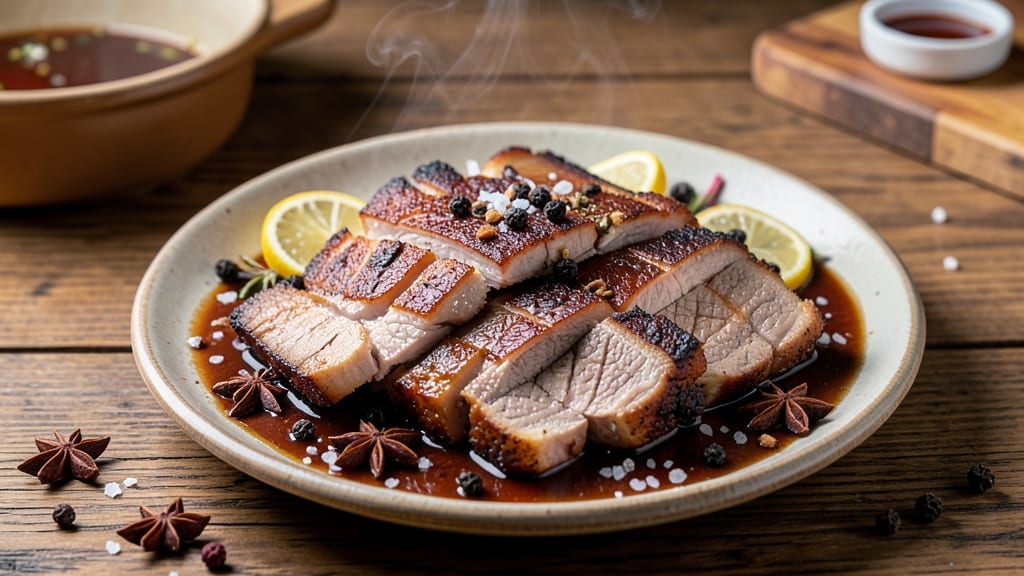
This braised pork belly in soy sauce recipe transforms fatty cuts into a restaurant-quality centerpiece with a deep, caramelized glaze that clings to every bite. The secret lies in slow cooking—2 to 3 hours at low heat—where collagen dissolves into silky richness, while the skin crisps into addictive crunch.
I perfected this technique after years of breaking down whole hogs in Charleston, where pork belly is treated like liquid gold.
The process starts with par-cooking the pork belly to render fat, then building layers of flavor with soy sauce, ginger, and star anise. The sauce reduces into a sticky, umami-packed glaze that coats the meat in every bite, while the fat renders down into crispy pockets.
This isn’t just braising—it’s alchemy, turning something humble into something extraordinary.
By the time you plate it—golden skin crackling, sauce pooling beneath—you’ll understand why this dish deserves center stage. The aroma alone will have guests gathering before the meal even begins.
Serve with steamed jasmine rice or crusty bread to soak up every last drop of that flavor bomb sauce.
For those short on time, I’ll show you how to adapt this for a pressure cooker without sacrificing depth. But trust me: the slow-cooked version is worth every minute. Let’s get to work.
Ingredients for braised pork belly in soy sauce
Restaurant-quality pork belly needs just these 13 ingredients to transform fatty cuts into silky, caramelized perfection.
| Ingredient | Amount | Notes |
|---|---|---|
| Pork Belly 🥓 | 2 lb | Skin-on, cut into 1-inch slices |
| Kosher Salt 🧂 | 2 tbsp | Diamond Crystal preferred |
| Black Peppercorns 🌶️ | 1 tsp | Freshly cracked for depth |
| Coconut Oil 🫒 | 2 tbsp | For searing, high smoke point |
| Fresh Ginger 🧄 | 2 tbsp | Finely grated, aromatic |
| Star Anise Pods 🌿 | 4 whole | Whole pods for infusion |
| Cinnamon Sticks 🌿 | 2 whole | 1-inch pieces for aroma |
| Coffee ☕ | 1 tbsp | Instant or ground, enhances depth |
| Soy Sauce 🍶 | ½ cup | Kikkoman preferred, full-bodied |
| Brown Sugar 🍯 | ¼ cup | Packed, for caramelization |
| Garlic Cloves 🧄 | 6 cloves | Smashed for intense flavor |
| Red Wine Vinegar 🍷 | 1 tbsp | Brightens the sauce |
| Jasmine Rice 🍚 | 1 ½ cups | Uncooked, for serving |
The pork belly is non-negotiable here—skin-on is essential for that crispy crackle. Look for cuts with good marbling at Whole Foods or your local butcher shop; they’ll often cut it to size for you. If buying whole, ask for the belly slabs (the thickest part) and slice them yourself—1-inch thickness ensures even cooking. Fresh ginger? Grab the knobby roots at Trader Joe's—they keep for weeks in the fridge. The star anise and cinnamon? Penzeys or bulk bins at natural markets have the best quality, but the regular grocery store spices work fine if they smell fresh. Pro tip: Toast the whole spices in a dry pan for 30 seconds before adding to the pot—wakes up their aroma.
No star anise? Anise seeds at half the amount work, but the flavor won’t be identical. Subbing soy sauce? Coconut aminos lighten the color but lose some depth—stick with soy if possible. Brown sugar too expensive? White sugar plus 1 tsp molasses mimics the caramel notes. The coffee is key for that umami punch—instant works, but freshly ground brewed and reduced gives next-level flavor. Short on time? Pressure cooker adaption cuts cooking time to 45 minutes, though the sauce won’t reduce as deeply. And if your vinegar smells funky, swap for lemon juice—just add a pinch of sugar to balance.
Pork belly keeps 5 days in the fridge once cooked—reheats beautifully with a splash of water in the microwave. The sauce? Store it separately and reheat gently to preserve that glossy sheen. For make-ahead magic, prep everything the night before: slice the pork, measure spices, and even start the rice. The next day, it’s just sear, braise, and serve. Freeze portions of the cooked pork for 3 months—the fat stays crispy when thawed properly. And that sauce? Drizzle it on everything—eggs, noodles, even popcorn for a savory twist.
Why You'll Love This Recipe
- One-Pan Magic: I swear by this recipe—just salt, pepper, and ginger seared in coconut oil, then braised in soy until the pork belly falls apart. No chopping, no fuss, and that rich sauce? It’s basically self-cleaning.
- Umami Bomb: The soy sauce does all the heavy lifting here, but the crispy edges from the high-heat sear? That’s where it gets dangerously good. My husband licks the plate—no joke.
- Weeknight Hero: This feeds four for under $20 and reheats like a dream. Pack it for lunches, serve it cold in rice bowls, or throw it on toast. Honestly, it’s my go-to when I’m too tired to plan.
- Leftovers That Win: The pork gets better the next day—tender, saucy, and perfect for quick stir-fries or fried rice. I make a double batch just for this reason. (Yes, even on a Tuesday night.)
Step-by-step instructions for braised pork belly with soy-sauce glaze
Transform rich pork belly into melt-in-your-mouth perfection with this slow-braised method.
Prepare the Pork Belly for Maximum Flavor
Pat the 2 lb pork belly dry with paper towels—this ensures a crispy exterior later. Place it skin-side down in a large skillet and score the fat cap in a crosshatch pattern with a sharp knife. This creates channels for the marinade to penetrate and the fat to render beautifully.
In a small bowl, combine the 2 tbsp kosher salt, 1 tsp freshly cracked black peppercorns, 2 tbsp finely grated fresh ginger, 4 whole star anise pods, 2 whole cinnamon sticks, 1 tbsp coffee, 0.5 cup soy sauce, 0.25 cup packed brown sugar, 6 smashed garlic cloves, and 1 tbsp red wine vinegar. Mix until the brown sugar dissolves completely, creating a thick, aromatic marinade.
Spread the marinade evenly over the pork belly, pressing it into the scored fat. Let it sit at room temperature for 30 minutes while you prepare the rice. This resting period allows the flavors to penetrate deeply, ensuring every bite is packed with umami and sweetness.
Sear the Pork Belly for Deep Flavor
Heat 2 tbsp coconut oil in the same skillet over medium-high heat until shimmering. Add the marinated pork belly skin-side down and sear for 8-10 minutes, pressing down gently with a spatula to render the fat. You'll know it's ready when the skin turns a deep golden brown and the fat begins to crisp.
Flip the pork belly and sear the other side for another 6-8 minutes, basting it occasionally with the rendered fat. This step is crucial—it locks in moisture and creates a flavorful crust that will later caramelize into a glossy glaze. Remove the pork from the skillet and set it aside on a plate.
Braise Until Fork-Tender
Return the skillet to medium heat and add the 1.5 cups uncooked jasmine rice, stirring to toast it lightly for 2 minutes. This step enhances the rice's nutty flavor and prevents it from becoming mushy during the braise. Pour in 2 cups water (or enough to cover the rice by about 1 inch) and bring to a simmer.
Place the seared pork belly back into the skillet, skin-side up, along with any accumulated juices. Cover tightly with a lid and transfer to a 325°F oven for 2 hours. The pork is done when it's fork-tender with a probe sliding in easily and the internal temperature reaches 195°F. The rice should be tender but still slightly firm—it will finish cooking in the residual heat.
Reduce the Sauce for Maximum Gloss
Remove the pork belly from the skillet and let it rest on a cutting board for 10 minutes. This resting period allows the juices to redistribute, ensuring each slice is succulent. Skim off any excess fat from the braising liquid, then return the skillet to medium-high heat and reduce the sauce uncovered for 8-10 minutes until it thickens into a glossy glaze.
Stir in the reserved pork juices and any additional marinade from the plate to create a rich, sticky sauce. Taste and adjust seasoning with a pinch more kosher salt or a splash of red wine vinegar if needed. The sauce should coat the back of a spoon and cling beautifully to the pork.
Serve with Jasmine Rice and Glazed Pork
Slice the pork belly into ½-inch thick pieces, reserving any remaining juices. Serve the slices over the jasmine rice, spooning the reduced sauce generously over the top. The contrast of tender pork, fragrant rice, and the glossy soy-glaze creates a harmonious balance of textures and flavors.
Garnish with extra cracked black peppercorns and a sprinkle of toasted sesame seeds if desired. Each bite should deliver layers of umami from the soy sauce, sweetness from the caramelized sugar, and a satisfying richness from the rendered pork fat. Enjoy immediately while the pork is at its most tender and the sauce is at its peak glossiness.
Pro Tips For Making Braised Pork Belly In Soy Sauce
- Render First, Sear Second: Pork belly’s fat is your friend—don’t rush the render. Start with the belly skin-side down in a cold pan, then turn the heat to medium-low and let the fat melt slowly for 8-10 minutes. Only after it’s fully rendered and golden should you flip and sear the meat side—this keeps the texture tender while building flavor.
- Grate That Ginger: Fresh ginger loses its punch when chopped. Use a microplane or fine grater for the soy-braising liquid—you’ll get more surface area and a smoother, brighter flavor. (Yes, even if it looks like you’re making confetti.)
- Don’t Crowd the Pan: Tightly packed pork belly steams instead of crisps. Work in batches if needed—let the meat sizzle undisturbed for 3-4 minutes per side. Overcrowding turns a crispy sear into a sad, greasy mess.
- Deglaze with Soy Early: After searing, hit the pan with ¼ cup soy sauce immediately—it locks in the caramelized bits before they burn. Wait too long, and you’ll lose half the flavor to the bottom of the pot. (I learned this after one very bitter batch.)
Pro cooking tips for perfect results
Score for Crispy Skin
Scoring the pork belly’s fat cap in a crosshatch pattern (about ¼-inch deep cuts) is non-negotiable—it creates channels for fat to render evenly and ensures that crispy skin we’re all craving.
Use a sharp chef’s knife and press firmly to open the fat without tearing the meat. I swear by my Wüsthof Classic 8-inch for this—it glides through pork belly like butter. 🔪
Low-and-Slow Mastery
Braising at 325°F for 2 hours transforms tough pork belly into silky perfection, but the real magic happens during the first hour. That’s when collagen breaks down into gelatin, turning the meat into a melt-in-your-mouth experience.
I use a Meater Plus thermometer to monitor internal temp—195°F is your target. Pro tip: If your oven runs hot, reduce temp to 300°F to prevent overcooking.
Fat Rendering Hacks
Rendered fat is flavor gold, but it can overwhelm the sauce if left unchecked. After searing, pour off half the fat (about ½ cup) into a small saucepan and reduce it over medium heat until it turns golden and nutty.
Stir this back into the braising liquid just before serving—it adds a deep, caramelized richness that’ll make your guests ask for seconds. 🥄
Pressure Cooker Shortcut
Short on time? A 6-quart Instant Pot cuts cooking time to 45 minutes on high pressure. Sear the pork belly first in a skillet, then add all ingredients (except rice) and pressure cook. Release pressure naturally, then finish the rice separately.
The sauce won’t reduce as deeply, but it’s still incredibly flavorful—perfect for weeknights. Just add 1 extra tablespoon of soy sauce to compensate for the shorter cook time.
Sauce Reduction Secrets
The sauce should coat the back of a spoon and cling to the pork like liquid gold. To achieve this, reduce it uncovered on medium-high heat until it thickens to syrup-like consistency (about 8-10 minutes). If it’s too thin, simmer longer—patience is key.
For extra depth, deglaze the skillet with 1 tablespoon of red wine vinegar after removing the pork, then reduce that into the sauce. It brightens the flavors and cuts through the richness.
Resting is Non-Negotiable
Letting the pork rest for 10 minutes before slicing is where the magic happens. This allows juices to redistribute, ensuring every bite is moist and flavorful. I’ve seen home cooks skip this step and end up with dry slices—don’t be that cook.
Use this time to toast sesame seeds or slice scallions for garnish. Trust the process, and your pork belly will thank you. ⏳
Nutrition facts
Frequently asked questions
Can I substitute pork belly with another cut of pork?
Pork belly is ideal for its fat content, but you can use pork shoulder or pork butt in a pinch. These cuts will be leaner and less fatty, so increase the braising liquid by ½ cup to prevent drying out. For best results, trim excess fat and score the meat to help it tenderize. The texture will differ slightly, but the flavor will still be rich and satisfying.
How do I know when the pork belly is fully cooked?
Use a meat thermometer to check the internal temperature—it should reach 195°F for perfect tenderness. The pork will also be fork-tender, with a probe sliding in easily. If it’s still slightly firm, return it to the oven for 15-20 minutes more. Overcooking can make it dry, so monitor closely during the final stages.
Can I make this recipe in a slow cooker?
Yes! Sear the pork belly first in a skillet, then transfer it to your slow cooker with all the braising ingredients (except rice). Cook on low for 6-8 hours or high for 4-5 hours, until tender. The sauce will be thinner, so reduce it separately on the stovetop after cooking. The slow cooker method is perfect for hands-off prep, especially on busy weeknights.
Why does my sauce turn out too thin or too thick?
Sauce consistency depends on reduction time. For a thicker sauce, reduce it uncovered on medium-high heat for 10-15 minutes, stirring occasionally. If it’s too thin, simmer longer or add 1 tsp cornstarch mixed with 1 tbsp water to thicken it. For extra depth, skim excess fat from the braising liquid before reducing—this concentrates the flavor.
How should I store leftovers?
Store cooked pork belly in an airtight container in the fridge for up to 5 days. Reheat gently in a skillet with a splash of water or broth to restore moisture. The sauce can be stored separately and reheated on the stovetop. For longer storage, freeze portions for up to 3 months, but thaw slowly in the fridge to preserve texture.