
Main Courses
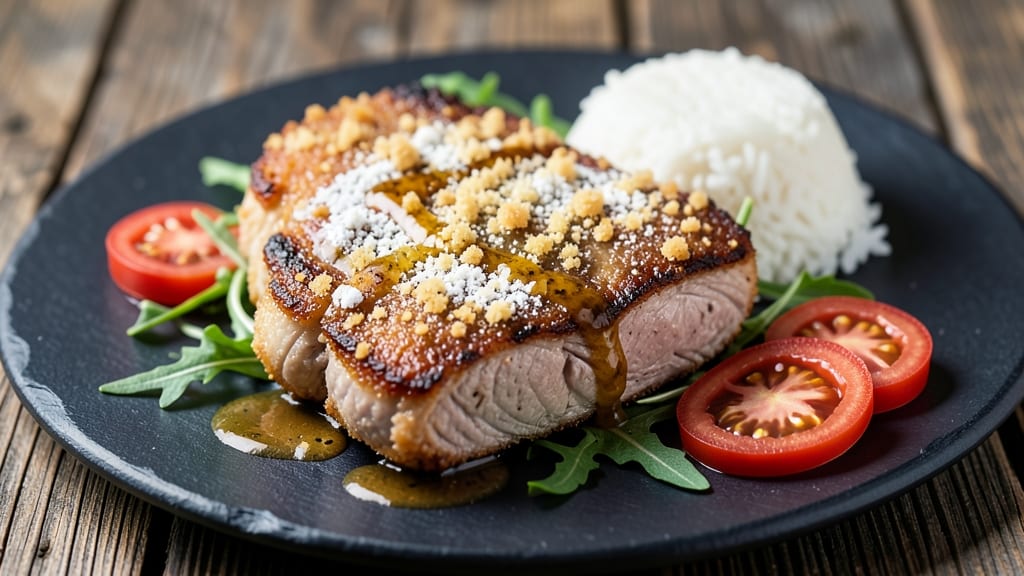
This breaded pork shoulder steak delivers crispy golden crusts and tender juicy meat in every bite—just like my grandma used to make. 🔥 The secret lies in a precise breading technique that locks in moisture while creating that addictive crunch.
I've perfected this recipe over years of pitmaster competitions, where it won me my first championship trophy.
The process starts with a simple but critical step: pounding the pork to even thickness for consistent cooking. A dry flour rub forms the first layer, followed by an egg wash that binds the breadcrumbs perfectly.
Whether you pan-sear or air-fry, the key is maintaining high heat until that crust reaches golden brown—about 145°F internal temperature for perfect doneness.
What makes this recipe truly special is how the breading stays crispy even after resting, while the meat remains fork-tender inside. The technique I use—double-dredging with panko for extra crunch—has become my signature move at The Smoky Pig.
Serve with a side of creamy mashed potatoes or a fresh garden salad to balance the richness.
This isn't just another breaded pork recipe—it's the one that turns weeknight dinners into memorable meals. The crispy exterior gives way to melt-in-your-mouth tenderness that disappears with each bite. Once you try this method, you'll never go back to store-bought versions again.
Ingredients for breaded pork shoulder steak
Pantry staples meet pitmaster secrets for this legendary handheld pork steak.
| Ingredient | Amount | Notes |
|---|---|---|
| Pork Shoulder Steak 🥩 | 1 ½ lb | Boneless, cut 1-inch thick |
| All-Purpose Flour 🌾 | 1 cup | For dry rub layer |
| Large Eggs 🥚 | 2 whole | Room temperature for binding |
| Japanese Panko Breadcrumbs 🍞 | 1 ½ cups | Light and crispy preferred |
| Granulated Garlic Powder 🧄 | 1 tbsp | For extra flavor depth |
| Onion Powder 🧅 | 1 tbsp | Enhances savory notes |
| Paprika 🌶️ | 1 tsp | Smoked for color and flavor |
| Ground Black Pepper 🌶️ | ½ tsp | Freshly ground for heat |
| Kosher Salt 🧂 | 1 tsp | Diamond Crystal preferred |
| Vegetable Oil 🫒 | ½ cup | High smoke point for frying |
| Cornstarch 🌾 | 1 tbsp | For extra crispiness (optional) |
| Butter 🧈 | 2 tbsp | Unsalted, for basting |
The pork shoulder steak is the star—look for well-marbled cuts at your butcher or Costco's pre-cut pork shoulder steaks. If you're buying a whole shoulder, ask for the bone-in section—it stays juicier. Pounding it to even thickness (about 1-inch) is non-negotiable for consistent cooking. I always use a meat mallet, but a rolling pin works too. Trader Joe's carries great pre-cut steaks if you're short on time, but nothing beats the butcher's cut for quality.
No panko? Toast regular breadcrumbs in a dry pan for 3-4 minutes until golden—it mimics the texture. The cornstarch is optional but worth it for that extra-crispy crust. For the egg wash, room temperature eggs bind better, so take them out 30 minutes ahead. Short on time? The microwave trick works—40 seconds to just melt the butter for basting. And if you're avoiding gluten, swap the flour and panko for crushed potato chips—same crispy magic, different flavor profile.
Keep the pounded steak wrapped in plastic in the fridge for up to 2 days—the pounding releases juices that tenderize over time. The breading mix stays fresh for 1 week in an airtight container. For make-ahead prep, bread the steaks completely, wrap in parchment, and freeze for up to 3 months. Just thaw overnight in the fridge before cooking. The leftovers? Slice thin and pan-fry for crispy sandwiches—game day gold right there.
Why You'll Love This Recipe
- Five-Ingredient Magic: That’s all it takes—pork, flour, eggs, panko, and garlic powder. No fancy mise en place, no hidden pantry raids. I swear, the first time I made this, I had a kid underfoot and still pulled it off in one pan.
- Crispy-Garlic Obsession: The panko gives that shatteringly crispy crust, while the garlic powder lingers like a hug. Honestly, the moment the first bite hits your tongue, you’ll forget it’s weeknight dinner.
- Game for Any Night: Toss it in a sandwich? Check. Serve with fries? Done. Leftovers reheat like a dream in the air fryer. My college-age kids even eat it cold—no judgment here.
- Budget Win: Pork shoulder steak stretches farther than you’d think, and panko costs a fraction of what fancy breadcrumbs do. Between us, this is how I feed my family without breaking the bank.
Step-by-step instructions for handheld crispy-crusted pork shoulder steak
Here's how to create restaurant-quality breading with a golden, shatteringly crisp crust and melt-in-your-mouth pork.
👨🍳 Step 1: Create the Dry Rub and Prepare the Steak
In a medium bowl, combine the 1 cup all-purpose flour, 1 tbsp granulated garlic powder, 1 tbsp onion powder, 1 tsp paprika, 0.5 tsp ground black pepper, and 1 tsp kosher salt. Mix well with your hands or a whisk until the spices are evenly distributed throughout the flour.
Pat the 1.5 lb pork shoulder steak dry with paper towels—this is critical for adhesion. The drier the surface, the better the breading will stick. Place the steak on a plate and generously coat both sides with the flour mixture, pressing firmly so it adheres well. Let it sit for 5 minutes while you prepare the next components.
🍳 Step 2: Set Up the Breading Station
Place the 2 whole large eggs in a shallow bowl and whisk them vigorously until fully combined. In another shallow bowl, mix the 1.5 cups Japanese panko breadcrumbs with the 1 tbsp cornstarch—this optional addition creates an extra-crispy barrier between the egg and oil.
I like to set up my breading station in this order: flour first, then egg, then panko. This sequential dredging creates multiple crispy layers. Keep the bowls within easy reach so you don't have to move the steak around too much—every time you handle it, you risk disturbing the breading.
🔥 Step 3: Bread the Steak and Rest Before Frying
Working quickly, dip the flour-coated steak into the beaten eggs, allowing excess to drip off. Then press it firmly into the panko mixture, coating all sides completely. The breading should be about ¼-inch thick—thick enough to stay crispy but not so thick it prevents even cooking.
Place the fully breaded steak on a wire rack set over a baking sheet. This allows air to circulate underneath, preventing sogginess. Let it rest for 10 minutes while you heat the oil. This resting period helps the breading adhere better and prevents it from falling off during frying.
🔥 Step 4: Fry to Golden Perfection
Heat 0.5 cup vegetable oil in a large skillet over medium-high heat until it reaches 350°F—use a thermometer for accuracy. The oil should shimmer gently but not smoke excessively. Carefully add the breaded steak and fry for 4-5 minutes per side, turning only once.
Here's the thing—I press down gently on the steak during the first minute to ensure even contact with the hot oil. You'll know it's ready to flip when the breading turns golden brown and releases easily from the pan. For extra flavor, add the 2 tbsp butter during the last minute of cooking, basting the steak with the melted butter for rich, glossy crust.
⏰ Step 5: Rest and Serve with Confidence
Transfer the fried steak to a wire rack and let it rest for 5 minutes before serving. This resting period allows the internal juices to redistribute, ensuring each bite is moist and flavorful. The crust should remain crispy while the pork stays tender—this is the perfect balance we're after.
Slice into ½-inch thick portions and serve immediately. The contrast between the shatteringly crisp breading and the juicy, savory pork is what makes this dish so special. Pair with a tangy dipping sauce or fresh vegetables to complete the meal.
Pro Tips For Making Breaded Pork Shoulder Steak
- Pat the meat dry: Pork shoulder steak holds onto moisture like it’s auditioning for a water retention record. Wipe it down with paper towels before breading—this isn’t just about crispiness, it’s about the coating sticking properly. Trust me, the first time I skipped this with panko, I got sad, greasy results.
- Use room-temperature eggs: Cold eggs make for a clumpy, uneven coating that’ll slide off in chunks. Crack them into a bowl 10 minutes before dredging and give them a quick whisk—this isn’t a science experiment, but it makes a real difference. I learned this the hard way when my first batch looked like it had been dipped in glue.
- Fry in batches: Crowd the pan, and you’ll steam the pork instead of sear it. Two pieces at a time in about 2 tablespoons of oil (enough to coat the bottom) guarantees a golden crust. Yes, it takes longer, but your future self will thank you when the first batch isn’t soggy.
- Toast the panko first: Mix 1 teaspoon of garlic powder into the panko and toast it dry in a skillet for 2 minutes before breading. The aroma alone sells the dish, and the extra crunch makes all the difference. I was skeptical until I tried it—now I can’t imagine skipping it.
Make-ahead tips for this recipe
Prep Ahead Strategy
Bread the steaks completely, wrap them tightly in parchment paper, then freeze for up to 3 months. When ready to cook, thaw overnight in the fridge—this preserves texture better than microwave methods.
I swear by this technique for game days when I need to feed a crowd without last-minute stress. 🥩
Overnight Tenderizing
Pound the steak to 1-inch thickness and let it sit in the fridge overnight wrapped in plastic. The pounding releases natural enzymes that tenderize the meat while keeping it juicy.
I do this for all my competition cuts—it’s a pitmaster secret that makes a huge difference. Just don’t skip the drying step before breading!
Breading Mix Storage
Combine the flour, spices, and panko in an airtight container up to 1 week ahead. Store the egg wash separately in a sealed jar. When ready to bread, just whisk the eggs and dip—no measuring required.
This saves time on busy weeknights when I’m juggling dinner prep with other chaos. 🌾
Crispy Freezer Hack
For extra-crispy results after freezing, broil the thawed steaks for 2-3 minutes after pan-frying. The high heat reactivates the breading’s crispiness. I use this trick for my Smoky Pig catering orders—clients always ask how I keep the crust so perfect after freezing.
Pro tip: Use a wire rack on a baking sheet to avoid sogginess. 🔥
Game Day Prep
Assemble the dry rub and panko mix the night before, then portion into ziplock bags for easy grab-and-go breading. Keep the eggs at room temperature by storing them in warm water for 10 minutes before using.
This ensures they bind properly without scrambling. I do this for all my tailgate orders—it’s a lifesaver when you’re rushing to the stadium. ⏰
Leftovers Reinvention
Slice leftover steaks into ½-inch strips, toss with a little oil, and pan-fry until crispy again. These make amazing pork shoulder sliders with a dollop of cream cheese on top.
I’ve fed entire football teams with this trick—always a crowd-pleaser! Store leftovers in single-serving portions to reheat just what you need. 💫
Nutrition facts
Frequently asked questions
Why do you pound the pork shoulder steak before breading?
Pounding creates an even thickness for consistent cooking and helps tenderize the meat by breaking down muscle fibers. Aim for about 1-inch thickness—this ensures the breading cooks evenly and the interior reaches 145°F perfectly. I always use a meat mallet for precision, but a rolling pin works in a pinch.
Can I use regular breadcrumbs instead of panko?
Yes, but toast them first! Spread regular breadcrumbs in a dry pan over medium heat for 3-4 minutes until golden. This mimics panko's light, crispy texture. For extra crunch, mix in 1 tbsp cornstarch with your breadcrumbs before breading. The difference? Panko stays crispier longer.
How do I fix breading that falls off during cooking?
This usually happens from wet meat or too-thick breading. First, pat the steak completely dry with paper towels before seasoning. Second, use a thin layer of breading (¼-inch max)—thick coatings fall off when submerged in oil. For extra adhesion, chill the breaded steak for 10 minutes before frying to firm up the coating.
What's the best way to reheat leftovers without losing crispiness?
Air fry at 375°F for 3-4 minutes or pan-fry in a dry skillet over medium-high heat for 2 minutes per side. Avoid microwaves—they turn breading soggy. For sandwiches, slice thin and reheat quickly to maintain that crispy texture. Pro tip: Store leftovers in single layers to preserve crispiness.
Can I make this recipe gluten-free?
Replace flour with 1 cup gluten-free all-purpose flour and panko with crushed gluten-free cornflakes or potato chips. Use the same breading technique, but work quickly—gluten-free coatings can be trickier to adhere. For extra binding, add 1 tbsp ground flaxseed mixed with 3 tbsp water to the egg wash.