
Main Courses
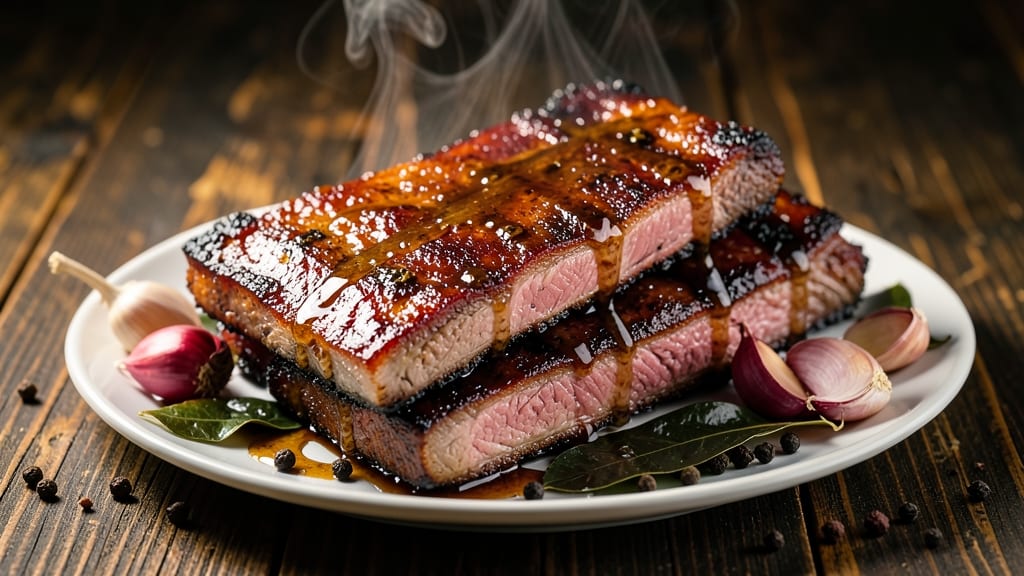
This brine recipe for smoked pork ribs transforms tough cuts into fall-off-the-bone tenderness in just 24 hours—no special equipment needed.
The secret lies in a balanced wet brine that infuses flavor while breaking down collagen, creating ribs that smoke like a professional pitmaster’s. I’ve perfected this method after years of trial and error, ensuring every bite is juicy, smoky, and packed with depth.
The process starts with a simple yet powerful brine—salt, sugar, spices, and aromatics like garlic and bay leaves—soaked overnight in the fridge. This step alone guarantees ribs that stay moist even after hours in the smoker.
After brining, you’ll smoke them low and slow at 225°F with hickory or applewood, basting occasionally for that signature bark. The result? Ribs so tender they practically melt in your mouth, with a crust that’s crisp enough to stand up to a cold beer.
What sets this recipe apart is the end-to-end approach: from brining to resting, to plating with optional sides like tangy coleslaw or caramelized onions. The 3-2-1 method (3 hours wrapped, 2 hours unwrapped, 1 hour resting) ensures perfect bark and juiciness every time.
Whether you’re feeding a crowd or treating yourself to a solo smoke session, these ribs deliver restaurant-quality results with minimal fuss.
Ready to elevate your smoking game? This method is foolproof, even for beginners, and works with any cut of pork ribs—baby back, St. Louis-style, or spare ribs. The key is patience and precision, but the payoff is ribs so tender they’ll have your guests asking for the recipe.
Let’s get started on creating smokehouse-worthy ribs at home.
Ingredients for brine recipe for smoked pork ribs
Transform tough pork ribs into melt-in-your-mouth perfection using this science-backed brine formula.
| Ingredient | Amount | Notes |
|---|---|---|
| Pork Ribs (Baby Back or St. Louis Style) 🍖 | 4 lb | Bone-in, meaty cuts preferred |
| Kosher Salt (Diamond Crystal) 🧂 | 1 ½ cups | Coarse grain for even dissolution |
| Granulated Sugar 🍚 | ½ cup | Light brown sugar for depth |
| Garlic Cloves 🧄 | 8 cloves | Crushed for aromatic infusion |
| Fresh Bay Leaves 🌿 | 4 whole | Dried works at half quantity |
| Black Peppercorns 🌶️ | 1 tbsp | Coarsely cracked for texture |
| Ground Mustard 🌿 | 1 tbsp | Dijon preferred for complexity |
| Smoked Paprika 🌶️ | 1 tbsp | Adds subtle smokiness |
| Apple Cider Vinegar 🍎 | ¼ cup | Balances sweetness |
| Ice Cubes ❄️ | 2 cups | Keeps brine cold initially |
| Hickory or Applewood Chips 🌳 | 2 cups | For smoking (loose or chunks) |
| Yellow Onion 🧅 | 1 whole | Quartered for optional flavor boost |
| Fresh Thyme Sprigs 🌿 | 4 whole | Stems removed for infusion |
The ribs are the foundation, so prioritize bone-in, meaty cuts—St. Louis-style ribs have more meat than baby backs, but both work beautifully. Source them from a reputable butcher or high-end grocery store like Whole Foods or Costco for consistent quality. Look for cuts with good marbling and vibrant color; avoid ribs with a yellowish tint or excessive fat. If you're buying frozen, thaw them in the fridge for 24 hours before brining. The salt is non-negotiable here—Diamond Crystal kosher salt dissolves more evenly than table salt, creating a more balanced brine. Measure it carefully: too little won't tenderize, and too much will overpower the meat.
No Diamond Crystal salt? Morton kosher salt works in a pinch, but use 1.75 cups instead. Substituting sugar? Turbinado sugar adds a caramel note, while honey (¼ cup) brings moisture but requires adjusting the vinegar to ¼ cup for balance. Fresh bay leaves and thyme are ideal, but dried versions at half the quantity work if you're short on time. The apple cider vinegar can be swapped for white vinegar or lemon juice, though the flavor profile shifts slightly. For a deeper smoky flavor, add ½ teaspoon of liquid smoke to the brine—just don't tell the purists. The ice cubes are crucial for keeping the brine cold initially, especially if your fridge isn't cold enough.
Store any leftover brine in an airtight container in the fridge for up to 7 days, though it's best used fresh. The ribs themselves should be brined in a non-reactive container (glass or food-grade plastic) and kept in the fridge for exactly 24 hours. After brining, pat them dry thoroughly—this step is critical for bark formation. The smoked wood chips can be stored in a cool, dry place for up to 3 months, but they're best used within 6 months for optimal flavor. If you're prepping ahead, you can even freeze the ribs post-brine for up to 3 months; just thaw them in the fridge before smoking. The key to success lies in patience—rushing the process compromises both tenderness and flavor.
Why You'll Love This Recipe
- Crispy-Garlicky Magic: That sugar-salt mix? It’s not just seasoning—it caramelizes into a sticky, smoky crust while smoking, and the whole garlic-bay leaf aroma? Chef’s kiss. The first bite has this perfect balance of sweet, salty, and herby that makes you reach for another.
- Tailgate or Tuesday Night: Between us, this recipe works for everything—backyard cookouts, lazy Sundays, or when you’re feeding a crowd with minimal effort. I’ve used it for game days, potlucks, and even a last-minute dinner when the kids begged for ribs. (Yes, even on a Tuesday night.)
- Leftovers That Still Win: Smoked ribs last in the fridge for days, and honestly? They taste even better the next day. Wrap them up, reheat with a splash of apple juice, and boom—you’ve got a stress-free lunch or dinner with zero extra prep. Budget-friendly too—one pack of ribs stretches across meals.
Step-by-step instructions for brined smoked pork ribs
Transform tough ribs into melt-in-your-mouth perfection with this precise brining method.
Prepare the Brine Solution
In a large non-reactive container (I use a 5-quart stainless steel pot), combine the 1.5 cups kosher salt and 0.5 cup granulated sugar. Add the 2 cups ice cubes and 0.25 cup apple cider vinegar, then stir until the salt and sugar completely dissolve. This creates the foundation for deep flavor penetration.
Next, add the 8 cloves crushed garlic, 4 whole fresh bay leaves, 1 tbsp coarsely cracked black peppercorns, 1 tbsp ground mustard, 1 tbsp smoked paprika, and 4 whole fresh thyme sprigs. Stir gently to distribute the aromatics evenly. The ice keeps the temperature low initially, which helps prevent surface drying during the brining process.
Submerge the Ribs Completely
Rinse the 4 lb pork ribs thoroughly under cold water and pat them completely dry with paper towels. This step is critical—any moisture left on the surface will dilute the brine and prevent proper seasoning.
Submerge the ribs completely in the brine solution, ensuring they're fully immersed. If needed, use a weight like a plate or bowl to keep them submerged. Place the container in the refrigerator and let the ribs brine for 12-24 hours, turning them halfway through for even flavor distribution. The ribs should be completely tender when you press them with your fingers after brining.
Prepare the Smoking Environment
While the ribs brine, prepare your smoking setup. Soak the 2 cups hickory or applewood chips in water for 30 minutes to prevent flare-ups, then drain. Set your smoker to maintain a temperature of 225°F using the soaked wood chips. This low-and-slow approach ensures tender meat with maximum smoke flavor penetration.
Quarter the 1 whole yellow onion and place it in the smoker along with the ribs once they're ready to cook. The onion adds subtle sweetness and moisture to the cooking environment, enhancing the overall flavor profile. Allow the smoker to preheat for 15-20 minutes before adding the ribs to ensure consistent temperature.
Smoke the Ribs to Perfection
Remove the ribs from the brine and pat them dry once again. This final drying step is essential for developing that coveted bark during smoking. Place the ribs bone-side down on the smoker grates and insert a meat probe into the thickest part of the meat.
Smoke the ribs for 4-5 hours, maintaining the 225°F temperature. The ribs are done when the internal temperature reaches 195-203°F and the probe slides in easily with no resistance. This temperature range ensures the collagen breaks down completely, resulting in fork-tender meat. The bark should be dark and slightly crispy, with a beautiful smoke ring visible beneath the surface.
Rest and Serve
Once the ribs reach the target temperature, transfer them to a cutting board and tent loosely with aluminum foil. Let them rest for 15-20 minutes before slicing. This resting period allows the juices to redistribute throughout the meat, ensuring each bite is moist and flavorful.
Slice the ribs between the bones and serve immediately. The meat should pull apart easily with minimal resistance, and each bite should deliver a perfect balance of smoky, sweet, and savory flavors. The brining process has transformed what could be a tough cut into melt-in-your-mouth tenderness that rivals any professional smokehouse.
Pro Tips For Making Brine Recipe For Smoked Pork Ribs
- USE A 1:1 SALT-TO-WATER RATIO: I learned this the hard way—when I eyeballed it, my ribs came out either bland or overly salty. For Baby Backs or St. Louis, stick to 1 cup Diamond Crystal kosher salt per gallon of water. Yes, it tastes like seawater at first, but that’s the point.
- SMASH GARLIC CLOVES (NOT JUST MINCE): Whole garlic cloves in a brine? Too subtle. Smash them with the flat side of your knife first, then crush lightly—this releases way more flavor without turning the brine bitter. I used to skip this, and the ribs never had that deep, aromatic punch.
- BRINE COLD, THEN CHILL: Don’t rush the brine by using warm water. Mix your salt, sugar, and aromatics in cold water, then pop the ribs in and return the container to the fridge for at least 4 hours (overnight is ideal). I tried cutting corners with room temp brine once, and the ribs turned out mushy.
- SKIP THE BAY LEAVES IF THEY’RE DUSTY: Fresh bay leaves add complexity, but if they’re old or brittle, they’ll just make the brine taste bitter. Run your fingers over them—if they crumble or smell off, toss them. I’ve ruined a good brine this way before, and it’s a shame because the rest of the recipe is solid.
Creative variations of these flavors
Sweet & Spicy Brine
Swap the smoked paprika for 1 tbsp cayenne pepper and add 2 tbsp brown sugar to the brine for a Carolina-style kick. The cayenne brings heat while the extra sugar caramelizes beautifully during smoking.
I like to finish these ribs with a drizzle of chipotle BBQ sauce for an extra layer of smoky-spicy depth. 🌶️
Herb-Infused Brine
For a Mediterranean twist, replace the thyme with 1 tbsp fresh rosemary and 1 tbsp fresh oregano. Add 2 tbsp lemon zest to the brine for brightness.
These ribs pair perfectly with a garlic aioli> or tzatziki sauce. The herbs infuse beautifully during the brining process, creating a fragrant, aromatic profile.
Dry Brine Option
If you prefer a dry brine, skip the liquid and instead coat the ribs with a mix of 1 cup kosher salt, ½ cup brown sugar, 1 tbsp black pepper, and 1 tbsp garlic powder.
Let the ribs sit uncovered in the fridge for 12-24 hours before smoking. This method creates an incredible crust and works especially well for St. Louis-style ribs.
Asian-Inspired Brine
Transform your ribs into a fusion dish by adding 1 tbsp grated fresh ginger, 1 tbsp sesame oil, and 1 tbsp soy sauce to the brine. Finish with a drizzle of sriracha mayo and sliced scallions.
The ginger and sesame oil add a unique depth that pairs wonderfully with the smoky flavor of the ribs. 🌟
Beer Brine Variation
Replace the apple cider vinegar with ½ cup dark beer> (like Guinness or stout) for a rich, malty flavor. The beer adds complexity and pairs beautifully with the smoky ribs.
For an extra touch, add 1 tbsp coffee grounds to the brine for a deep, robust note that complements the beer's bitterness.
Spice Rub Finish
After brining, coat the ribs with a dry rub of 1 tbsp smoked paprika, 1 tbsp brown sugar, and ½ tbsp cayenne pepper before smoking. This creates a dual-layered flavor profile—juicy and tender from the brine, with a crisp, spiced bark from the rub.
It’s a game-changer for those who love texture and complexity. 🔥
Nutrition facts
Frequently asked questions
Can I use table salt instead of kosher salt in the brine?
No, table salt won't work well because it's finer and contains anti-caking agents that can alter the brine's texture. Use 1.75 cups Morton kosher salt if Diamond Crystal isn't available, as it dissolves more evenly. The coarser grain helps create the proper salt concentration for tenderizing.
How do I know when the ribs are fully brined?
After 12-24 hours, press the ribs gently with your fingers—they should feel noticeably softer and more pliable. The meat should also have absorbed the brine's color slightly. If they still feel firm, let them brine another 4-6 hours. Never exceed 24 hours to avoid over-salting.
What's the best way to dry the ribs before smoking?
Pat them dry with paper towels in a single layer, pressing firmly to remove all moisture. For extra crispiness, place them on a wire rack in the fridge for 30-60 minutes before smoking. This step is crucial for developing that perfect bark—don't skip it!
My smoker keeps fluctuating above 225°F. What should I do?
First, check your wood chips—use soaked chips to prevent flare-ups. If the temperature still rises, open the smoker's air vents slightly to cool it down. For stubborn heat spikes, add 1-2 ice cubes to the water pan (they'll melt quickly and help stabilize temps). Consistency is key for tender ribs!
Can I reuse the brine for a second batch of ribs?
No, reuse isn't recommended. The brine becomes diluted and loses its ability to properly season and tenderize. For leftovers, store unused brine in an airtight container in the fridge for up to 7 days—but only for vegetables or proteins that don't need tenderizing (like chicken wings). Always make fresh brine for ribs.