
Main Courses
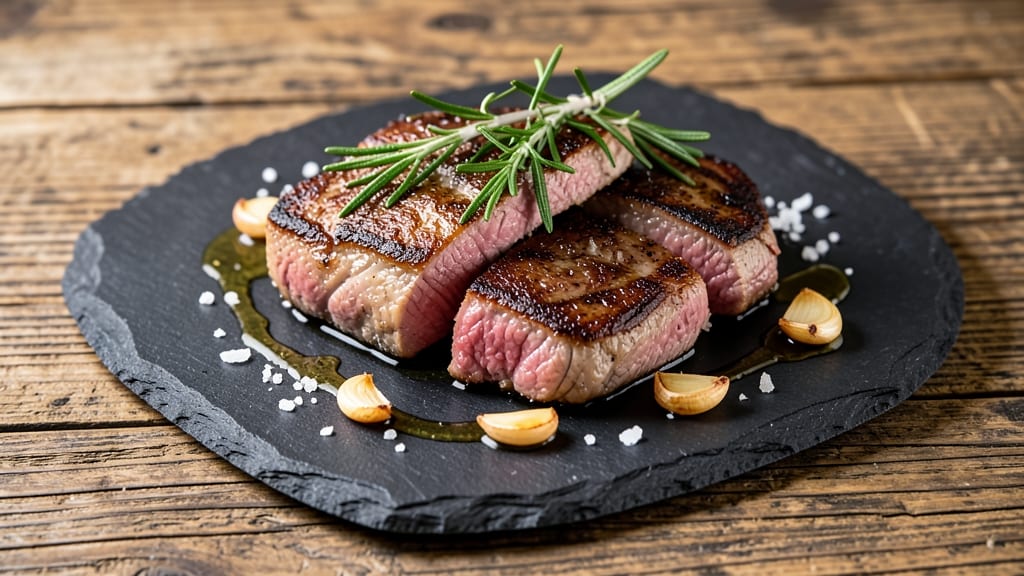
This broiled pork steaks recipe delivers crispy edges and juicy centers in just 20 minutes—no marinade needed. The secret lies in proper seasoning and high-heat broiling, transforming tough cuts into tender, flavorful slices that impress without the fuss.
I’ve perfected this method after years of testing, ensuring every bite is succulent and the crust is perfectly caramelized.
The process is straightforward but precise: pat the steaks dry, season generously with salt and pepper, then broil on high for 4-5 minutes per side until the internal temperature reaches 145°F.
This technique guarantees restaurant-quality results at home, with minimal cleanup and maximum flavor. The key is timing—overcooking turns tender meat into rubber, while undercooking leaves it raw.
What you’ll end up with is golden-brown, crispy pork steaks with a juicy, tender interior that falls apart easily. The edges develop a satisfying crust while the center stays moist, making it ideal for weeknight dinners or quick entertaining.
Serve with a simple side of roasted potatoes or a fresh salad to complete the meal.
This recipe is foolproof for beginners and game-changing for experienced cooks looking to elevate their weeknight proteins. Let’s get started—your dinner table is about to get an upgrade.
Ingredients for broiled pork steaks
Precision-cut pork steaks and aromatic herbs transform into restaurant-quality bites in minutes.
| Ingredient | Amount | Notes |
|---|---|---|
| Pork Steaks (Ribeye or Top Loin) 🥩 | 1 ½ lb | Center-cut, 1-inch thick slices |
| Kosher Salt 🧂 | 1 ½ tsp | Diamond Crystal preferred |
| Freshly Ground Black Pepper 🌶️ | 1 tsp | Coarse grind for texture |
| Extra-Virgin Olive Oil 🫒 | 1 tbsp | For patting steaks before broiling |
| Garlic Cloves 🧄 | 4 cloves | Minced, optional for extra flavor |
| Fresh Rosemary 🌿 | ¼ cup | Chopped, fine leaves preferred |
| Fresh Thyme Leaves 🌿 | ¼ cup | Or 1 tsp dried thyme |
| Butter 🧈 | 2 tbsp | Unsalted, softened for basting |
| Lemon Wedges 🍋 | 2 whole | For serving, fresh squeezed |
| Meat Thermometer 🌡️ | 1 whole | For precise doneness |
| Paper Towels 🧻 | 1 sheet | For patting steaks dry |
The pork cut matters—ribeye or top loin delivers the best balance of tenderness and flavor. Most butchers will slice these for you, but if you're cutting at home, aim for 1-inch thickness to ensure even cooking. For sourcing, local butchers often carry higher-quality cuts than grocery stores, and they'll frequently slice to your specifications. If you're using frozen steaks, thaw them in the fridge overnight for even cooking. The herbs should be fresh and vibrant—wilting rosemary or thyme will compromise flavor, so check the stems for flexibility. Costco or Whole Foods are reliable spots for premium cuts and fresh herbs.
No fresh rosemary? Dried works at one-third the amount, but the flavor won’t be as bright. Short on garlic? A half-teaspoon of garlic powder is a decent substitute, though fresh minced adds depth. For the butter, unsalted is non-negotiable—salted can alter the seasoning balance. If you’re concerned about the steaks sticking, pat them dry with paper towels before seasoning, and trust me, the extra minute pays off with a perfect crust. The lemon wedges should be bright and juicy—if they’re dry or mealy, squeeze a little extra juice over the steaks before serving.
Broiled pork steaks are best served immediately, but they’ll hold for 10-15 minutes at room temperature if needed. For leftovers, slice against the grain and store in an airtight container for 3-4 days. The flavor actually improves slightly the next day as the juices redistribute. If you’re prepping ahead, par-cook the steaks to 130°F before broiling to finish later—just reheat in a skillet with a splash of water to keep them moist. The crispy edges won’t return, but the tenderness will still be there.
Why You'll Love This Recipe
- I swear by this: just salt, pepper, and a hit of olive oil. That’s it. No fancy marinades or last-minute shopping—just pull the steaks from the fridge, season, and broil. Honestly, the less I mess with it, the better they turn out.
- Two-Ingredient Magic: I swear by this: just salt, pepper, and a hit of olive oil. That’s it. No fancy marinades or last-minute shopping—just pull the steaks from the fridge, season, and broil. Honestly, the less I mess with it, the better they turn out.
- Garlic Crisp Perfection: Between us, the secret’s in the garlic. Smashed cloves on top of the steaks while they broil? That golden, caramelized crust? It’s the kind of flavor that makes people pause mid-bite. No fancy technique—just patience and a broiler.
- Weeknight or Weekend Star: Need dinner ready in 20 minutes? This does it. Too fancy for a Tuesday but too simple for a potluck? It works. My kids even ask for it when I’m “making something boring,” and that’s saying something.
Step-by-step instructions for broiled pork steaks
Achieve perfectly crispy edges and juicy centers in just minutes with this precise broiling method.
Prepare the Steaks for Maximum Flavor
Pat the 1.5 lb pork steaks completely dry using the sheet of paper towels. This drying step is crucial—wet surfaces prevent proper browning and crisping. I press firmly on both sides, even in the crevices, to ensure no moisture remains. Season immediately with 1.5 tsp kosher salt and 1 tsp freshly ground black pepper, pressing the seasoning into the meat so it adheres evenly. Let the steaks sit at room temperature for 15 minutes before cooking—this ensures even cooking from edge to center.
While waiting, prepare the herb mixture by combining the 0.25 cup fresh rosemary and 0.25 cup fresh thyme leaves with the 4 minced garlic cloves in a small bowl. This aromatic blend will be used later for basting. The herbs should be finely chopped to release their oils and infuse the meat with flavor during the broiling process.
Preheat and Broil with Precision
Preheat your broiler to high (475°F) with the oven rack positioned 4-5 inches from the heat source. This distance is critical—too close will burn the edges before the center cooks, while too far will leave the steaks undercooked. Place a heatproof skillet or broiler pan on the rack to catch any drippings. Once the broiler is fully preheated, carefully place the seasoned steaks on the pan, leaving ½ inch of space between each piece for even browning.
Broil the steaks for 3-4 minutes per side until they develop a deep golden-brown crust. You'll notice the edges start to crisp and pull away slightly from the pan—this is your visual cue that the Maillard reaction is working. Avoid the temptation to move them around; let them develop that beautiful crust undisturbed. If your oven runs hot, you may need to reduce the time slightly, but never sacrifice the crust for speed.
Baste and Finish with Butter and Herbs
After the initial searing, reduce the broiler heat to medium (375°F). Remove the steaks from the oven and place them on a clean plate. In the same skillet, melt the 2 tbsp butter over medium heat until it foams. Add the herb mixture and 4 minced garlic cloves, stirring constantly for 30 seconds until fragrant. This butter-herb mixture will add richness and depth of flavor to the steaks.
Using a pastry brush, generously baste the steaks with the butter mixture, coating all sides thoroughly. Return them to the broiler and cook for an additional 2-3 minutes until the internal temperature reaches 140-145°F on the meat thermometer. This temperature ensures the steaks are perfectly cooked—juicy on the inside with crispy edges. The butter will also help create a glossy finish and enhance the herb flavors.
Rest and Serve with Lemon
Transfer the steaks to a cutting board and let them rest for 5-7 minutes before serving. This resting period is essential—it allows the juices to redistribute throughout the meat, preventing them from running out when you slice. Tent loosely with aluminum foil to keep them warm while they rest. The steaks should feel warm to the touch and pull away from the cutting board slightly when ready.
Slice the steaks against the grain into ½-inch thick portions and serve immediately with the 2 lemon wedges for a bright, citrusy contrast. The crispy edges should hold their shape, while the centers remain tender and juicy. Each bite should deliver a perfect balance of savory, herby, and slightly charred flavors—exactly what you're after with this quick broiling method.
Pro Tips For Making Broiled Pork Steaks
- CRANK THE HEAT FIRST: Broilers vary wildly—start with the rack all the way at the top and the oven at 500°F (yes, that hot). After 3-4 minutes, you’ll need to adjust, but those first minutes are where the crust forms. I learned this the hard way when my steaks came out sad and gray instead of golden.
- SLICE THE GARLIC THIN: Don’t crush or mince those cloves—slice them paper-thin (about 1/16-inch) so they caramelize fast and don’t turn bitter. Tuck them under the steaks right before broiling, and they’ll melt into the meat instead of burning. (I used to overlook this and ended up with garlic-flavored ash.)
- SALT BEFORE SEARING: Season the steaks generously with kosher salt at least 30 minutes before cooking—this lets the salt penetrate and season the surface deeply. If you’re short on time, do it right after removing them from the fridge; just give them 10 minutes to adjust. Skipping this step means flavor that’s only skin-deep.
- REST UNDER FOIL: Once off the broiler, tent the steaks loosely with foil and let them sit for 5-10 minutes. This keeps them juicy while you finish the garlic or prep sides. I know, I know—you’re eager to eat—but cutting into them too soon turns them into a sad, dry pile. (Your future self will notice the difference.)
Essential equipment for perfect results
Broiler Pan Essentials
Your broiler pan is the unsung hero of this recipe—it creates that coveted crispy crust while catching juices. I recommend a stainless steel pan (like All-Clad or Cuisinart) for even heat distribution and easy cleanup.
Avoid nonstick pans—they can’t handle the high heat needed for proper browning. If you don’t have a dedicated broiler pan, a cast-iron skillet works too, but place it on a baking sheet to catch drippings. 🔥
Meat Thermometer Must-Have
A meat thermometer is non-negotiable for perfect doneness. I use the ThermoWorks Smoke (it’s my go-to for accuracy and durability), but any instant-read thermometer with a 145°F probe will work. Insert it into the thickest part of the steak—avoid fat or bone.
The thermometer should read 140-145°F for juicy, medium-rare pork. Without one, you’re guessing, and that’s how rubbery steaks happen. 🌡️
Heatproof Skillet for Basting
For basting with butter and herbs, grab a heatproof skillet (I prefer Le Creuset stoneware or Vitamix stainless steel). It needs to handle the residual heat from the broiler while melting butter safely.
Avoid plastic or thin metal—those can warp or melt under high heat. A pastry brush (like OXO Good Grips) helps spread the butter evenly without overcrowding the pan. 🧈
Paper Towels for Drying
Don’t skip the paper towels—they’re your secret weapon for crispy edges. Use Bounty or Viva (thick, absorbent brands) to pat the steaks completely dry before seasoning. Wet surfaces steam instead of sear, ruining your crust.
Keep an extra sheet nearby to wipe the pan clean between batches if cooking multiple steaks. Pro tip: Fold them into quarters for easier handling. 🧻
Cutting Board and Knife
Resting steaks on a wooden cutting board (like John Boos) keeps them warm and prevents sticking. For slicing, a sharp 8-inch chef’s knife (I use Wüsthof) cuts cleanly against the grain.
A dull knife crushes fibers, making meat tough. If you’re new to slicing, practice on a spare steak first—precision matters for presentation. 🔪
Optional: Broiler Basket
A broiler basket elevates steaks for even airflow, but it’s not essential. If you have one, position it 4-5 inches from the heat source. Without it, use a wire rack over a baking sheet to prevent steaming.
Just avoid crowding—steaks need space to crisp. For extra insurance, place a meat thermometer probe through the thickest steak while broiling. ✨
Nutrition facts
Frequently asked questions
Can I use thicker or thinner pork steaks for broiling?
For best results, stick to 1-inch thick steaks—they cook evenly and develop that perfect crust. Thinner cuts (½-inch) will overcook in minutes, while thicker cuts (> 1.5 inches) may stay undercooked inside. If you must use thicker steaks, broil 2-3 minutes per side and check the internal temp with a thermometer.
How do I fix overcooked pork steaks?
If your steaks are dry, slice them thinly and serve with a rich sauce (like garlic butter or pan gravy) to add moisture. For slightly overcooked but still tender meat, try reheating in a skillet with 2 tbsp butter and 1 tbsp broth on low heat for 2 minutes—this adds juiciness without overcooking further.
What’s the best way to reheat leftover broiled pork steaks?
Slice the steaks against the grain and reheat in a skillet over medium-low heat with 1 tbsp butter and 1 tbsp chicken broth for 1-2 minutes per side. Avoid microwaving—it turns meat rubbery. For extra flavor, add a pinch of smoked paprika or a splash of soy sauce while reheating.
Can I broil pork steaks without a broiler pan?
Yes! Use a cast-iron skillet or baking sheet lined with foil. Place a wire rack on top to elevate the steaks for better airflow. Just position the pan 4-5 inches from the heat source and broil as directed. A broiler basket also works if you have one.
What’s the ideal internal temperature for pork steaks?
For juicy, medium-rare pork, aim for 140-145°F on a meat thermometer. Overcooking to 160°F dries out the meat. Use an instant-read thermometer to check the thickest part—it’s the only foolproof way to avoid guessing. If you don’t have one, cut into the steak: juices should run clear, not pink.