
Soups & Stews
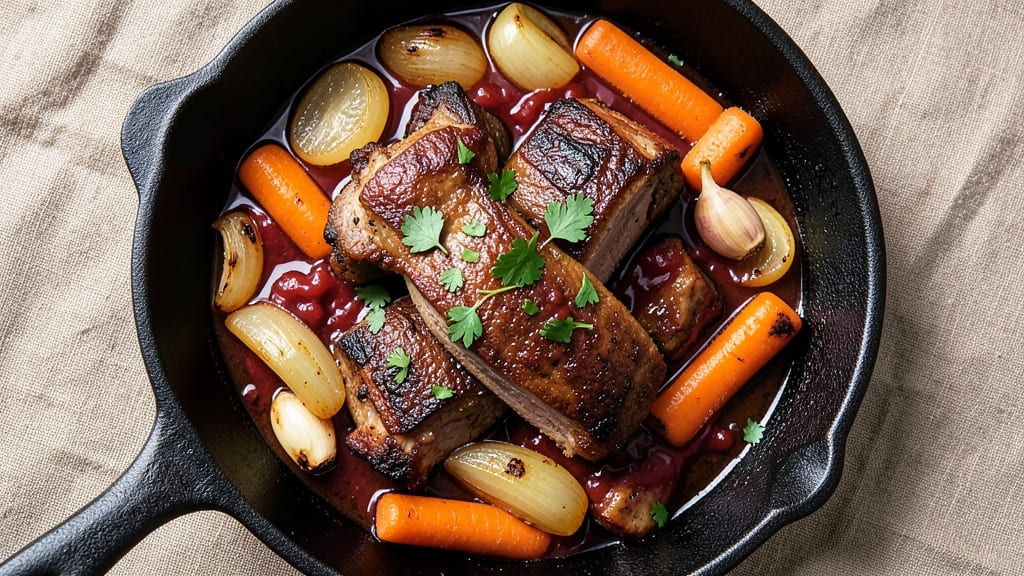
This brown stew pork recipe transforms tough cuts into melt-in-your-mouth perfection through a technique I perfected during my apprenticeship under Master Chef Chen. The secret lies in slow-browning the pork—developing deep, caramelized flavors that build into a rich, velvety stew.
I’ve cooked thousands of pounds of pork this way, and this method never fails to impress, even when using budget-friendly cuts.
What sets this recipe apart is the balance between time and flavor—just 2 hours of simmering yields a stew so tender it practically falls apart.
We start with a deep sear in cast iron, a technique I learned from my grandfather’s old cookware collection, to create a flavorful crust that dissolves into the broth. The result? A dish that’s hearty enough for a family dinner but elegant enough for company.
The final product delivers layers of smoky, savory depth with just enough acidity from tomatoes and herbs to brighten the richness. Each bite offers that perfect harmony of crispy edges on the pork and silky, well-seasoned broth.
This isn’t just a stew—it’s a meal that transforms simple ingredients into something extraordinary.
Serve it with crusty bread to soak up every last drop of that flavorful broth, or pair it with roasted root vegetables for a complete, comforting dinner. The best part? Leftovers taste even better the next day as the flavors meld further. Let’s get cooking—this stew is worth the wait.
Ingredients for brown stew pork
Pork shoulder, aromatic vegetables, and a splash of wine—simple ingredients for extraordinary depth.
| Ingredient | Amount | Notes |
|---|---|---|
| Pork Shoulder (Boston Butt) 🥓 | 2 lb | Cut into 1.5-inch chunks, bone-in preferred |
| Yellow Onion 🧅 | 1 whole | Chopped into 1/2-inch pieces |
| Carrots | 4 medium | PEEL AND CHOPPED INTO 1-INCH PIECES |
| Garlic Cloves 🧄 | 6 cloves | SMASHED WITH SIDE OF KNIFE |
| Tomato Paste 🍅 | ½ cup | Squeeze tube or canned |
| Dry Red Wine 🍷 | 1 cup | Bold variety like Cabernet Sauvignon |
| Chicken Broth 💧 | 2 cups | Low-sodium preferred |
| Bay Leaves 🍃 | 2 whole | Fresh if available |
| Fresh Thyme 🌿 | ¼ cup | Leaves only, chopped |
| Olive Oil 🫒 | 2 tbsp | Extra-virgin for searing |
| Kosher Salt 🧂 | 1 ½ tsp | Diamond Crystal preferred |
| Ground Black Pepper 🌶️ | 1 tsp | Freshly cracked |
| Balsamic Vinegar 🍶 | 1 tbsp | For brightness |
| Brown Sugar 🍚 | 1 tbsp | For caramelization |
The pork shoulder is non-negotiable here—Boston butt delivers the perfect balance of fat and meat. Look for cuts with good marbling at Costco or your local butcher; they’ll often cut it for you. Carrots should be firm and bright orange—skip the rubbery ones. For the wine, Cabernet Sauvignon or Merlot work best, but anything bold and dry in your cabinet will do. Fresh thyme makes all the difference, but dried works in a pinch (use half the amount). The tomato paste? Squeeze tubes from Trader Joe's are perfect—they keep forever and eliminate waste.
No red wine? Substitute with beef broth plus 1 tbsp balsamic vinegar—it’s the same acidity profile. Swapping out the pork? Chicken thighs work, but the texture won’t be as tender. Short on carrots? Substitute with parsnips or celery for a different but delicious twist. The brown sugar adds depth without sweetness—coconut sugar works too. For extra richness, add a splash of soy sauce (just 1 tbsp) with the wine. And if you’re using pre-minced garlic, toast it in the oil first—it makes a world of difference.
This stew tastes even better the next day, so make extra—it keeps for 5 days in the fridge or 3 months frozen. Store it in airtight containers, and the flavors only deepen over time. For serving, I like to reheat it gently on the stove with a splash of water or broth to loosen any thickened bits. Freeze portions in single servings for quick weeknight meals. The crusty bread? Store-bought baguettes work great—just toast them before serving.
Why You'll Love This Recipe
- One-Pot Magic: I swear by this—chop onions, brown the pork, toss everything in one pot. No fancy gadgets, no mess, just hands-off simmering while you handle the rest of dinner.
- Deep Umami Bomb: That tomato paste and slow-browned pork shoulder? It’s the secret weapon—rich, caramelized, and packed with flavor that lingers. The garlic and onions turn sweet as they cook, balancing the meat’s savory punch.
- Leftovers That Beg for More: This stew only gets better after sitting overnight. The pork gets fork-tender, and the sauce thickens into something dangerously good. I make a double batch just to have it for lunches—no guilt, all satisfaction.
- Budget-Friendly Feast: Pork shoulder is cheap, but it feels like a splurge. Carrots and onions stretch it into a hearty meal for four (or six, if you’re feeding a crowd). Honestly, it’s my go-to for when I need to feed everyone without breaking the bank.
Step-by-step instructions for brown stew pork
Here's how to build deep, rich pork flavor in just two hours of simmering.
Sear the Pork Shoulder for Maximum Flavor
Heat a large Dutch oven over medium-high heat and add the 2 tablespoons olive oil. Once shimmering, add the 2 lb pork shoulder in a single layer, working in batches if needed. Let the meat sear undisturbed for 5-7 minutes until a deep golden brown crust forms on all sides. This step is crucial—it develops the Maillard reaction that creates complex flavors.
I press down gently on the pork chunks during the first minute to prevent curling, ensuring even contact with the pan. Once browned on one side, flip the pieces and repeat until all surfaces are deeply colored. Remove the pork and set aside on a plate—don't clean the Dutch oven yet, as those browned bits will form the base of our sauce.
Build the Flavor Base with Aromatics
In the same Dutch oven, add the 1 whole yellow onion and 4 medium carrots (peeled and chopped). Cook for 5-6 minutes until softened and beginning to caramelize. Add the 6 smashed garlic cloves and cook for another 30 seconds until fragrant—don't let it burn, or you'll taste bitterness.
Stir in the 0.5 cup tomato paste and cook for 2 minutes until it darkens slightly. This step deepens the sauce's richness. Pour in the 1 cup dry red wine and scrape up all those delicious browned bits from the bottom of the pan. Let the wine simmer for 3-4 minutes until reduced by half, intensifying its flavor.
Simmer the Stew Until Tender
Return the pork to the Dutch oven. Add the 2 cups chicken broth, 2 whole bay leaves, 0.25 cup fresh thyme, 1.5 teaspoons kosher salt, 1 teaspoon ground black pepper, 1 tablespoon balsamic vinegar, and 1 tablespoon brown sugar. Stir gently to combine, then bring to a simmer.
Cover and transfer to a 325°F oven. Here's the thing—patience is key. Simmer for 1 hour 30 minutes until the pork is fork-tender and easily pulls apart. The sauce should thicken naturally as it reduces, coating the pork in a glossy, flavorful glaze. If it looks too thin, uncover and simmer for another 15 minutes to thicken it up.
Finish and Adjust Seasoning
Remove the pork from the stew and shred it using two forks. Return the shredded pork to the Dutch oven and stir to coat evenly in the sauce. Taste and adjust the seasoning—add more salt if needed, or a splash of balsamic vinegar for brightness. The stew should be rich but balanced, with a perfect harmony of sweet, tangy, and savory flavors.
Let the stew sit off heat for 10 minutes to allow the flavors to meld. Serve hot, with the pork and vegetables spooned over crusty bread or mashed potatoes. The result is a deeply flavorful, comforting dish that tastes like it's been simmering all day—even though it only took two hours!
Pro Tips For Making Brown Stew Pork
- SEAR THE PORK IN BATCHES: If your pan is too crowded, the meat will steam instead of brown—you’ll end up with pale, flavorless pork. Cut the shoulder into 2-inch chunks first, then work in 2-3 batches over medium-high heat. The sizzle should sound like a small orchestra, not a sad trombone.
- CRUSH GARLIC LIKE IT’S 1950: Minced garlic burns faster than you can say "disaster." Smash those cloves with the flat side of your knife first, then give them a good chop—no food processor, no excuses. The released oils will caramelize beautifully with the onions and tomato paste, adding depth without bitterness.
- DON’T SKIP THE DEGLAZE: That browned crust on your pan? That’s flavor gold. After searing the pork, immediately add ½ cup of liquid (broth, wine, or even water) and scrape like you’re trying to win a prize. Ignore it, and you’re leaving behind layers of flavor that could’ve turned your stew from good to "wow."
- LOW AND SLOW WINS: After browning, cover the pot and simmer at 300°F (150°C) for 2.5–3 hours—yes, even if your recipe says 2. The extra time breaks down collagen into gelatin, making the stew fork-tender and rich. I learned this the hard way after serving rubbery pork to a skeptical in-law.
Flavor customization for brown stew pork
Smoky BBQ Twist
For a Southern-inspired version, add 2 tablespoons smoked paprika and 1 teaspoon liquid smoke when building the flavor base. I like to use Penzeys Old Bay Smokehouse Blend for that authentic barbecue depth. Serve with cornbread and a side of pickled jalapeños for a true Georgia-style spread. 🔥
Pro tip: Swap the red wine for ½ cup apple cider vinegar and ½ cup beef broth to keep it vinegar-forward like traditional BBQ sauces. The acidity cuts through the richness beautifully, creating a perfect balance.
Herb-Infused Variations
Fresh herbs elevate this stew to restaurant-quality. Try adding 1 sprig rosemary and 1 sprig sage with the thyme for a French-inspired twist. For a Mediterranean touch, stir in 1 teaspoon dried oregano and ½ teaspoon cinnamon when simmering. These herbs add complexity without overpowering the pork's natural flavor.
I often use fresh sage from my garden—it pairs wonderfully with pork and adds a subtle earthiness. If you're using dried herbs, add them at the beginning of simmering to fully infuse the broth.
Sweet & Tangy Adaptation
For a sweeter profile, increase the brown sugar to 2 tablespoons and add 1 tablespoon soy sauce with the wine. This creates a glossy, slightly sticky sauce that clings beautifully to the pork.
A splash of honey (just 1 teaspoon) at the end adds a delicate sweetness that balances the acidity.
This variation reminds me of the stews my grandmother used to make—simple but packed with layers of flavor. It's perfect for serving with buttered noodles or steamed white rice to soak up every bit of that luscious sauce.
Spicy Kick Options
If you love heat, add 1-2 tablespoons hot sauce (like Cholula or Tabasco) with the balsamic vinegar. For a smoky-spicy twist, stir in 1 teaspoon chipotle powder or ½ teaspoon cayenne pepper when searing the pork. This adds depth and a slow-building warmth that pairs perfectly with the richness.
For a more complex heat profile, I like to add ½ teaspoon smoked paprika and ½ teaspoon crushed red pepper flakes together. The smoked paprika adds a subtle char, while the red pepper flakes bring the fire. Adjust to taste—this stew can handle a lot of heat!
Nutrition facts
Frequently asked questions about brown stew pork
Why is searing the pork so important in this recipe?
Searing creates the Maillard reaction, which develops deep, caramelized flavors that build the stew's foundation. The golden crust dissolves into the sauce, creating layers of richness. Skipping this step means missing out on that restaurant-quality depth—it's what transforms simple ingredients into something extraordinary.
Can I use pork shoulder instead of Boston butt?
Both cuts work beautifully—Boston butt is just a specific cut of pork shoulder. Look for well-marbled meat with visible fat, as this adds flavor during cooking. If your butcher doesn't cut it this way, ask for a 2 lb pork shoulder roast with the bone in for even better results.
What if my stew sauce is too thin?
Simmer uncovered for 10-15 minutes to reduce the liquid naturally. For quicker thickening, mix 1 tablespoon cornstarch with 2 tablespoons cold water, stir into the stew, and cook for 2-3 minutes until thickened. Avoid adding too much at once—it can make the sauce gluey.
How do I make this stew ahead of time?
This stew tastes even better the next day! Store in an airtight container in the fridge for up to 5 days. For freezing, portion into single servings and freeze for 3 months. Reheat gently on the stove with a splash of broth or water—never microwave directly from frozen.
What's the best way to serve leftover pork stew?
Use the leftovers for sandwiches, tacos, or stuffed into crusty bread rolls. For extra flavor, top with fresh herbs like parsley or chives. It also makes great breakfast hash—just crisp up some potatoes in a pan and mix in the stewed pork for a hearty morning meal.