
Main Courses
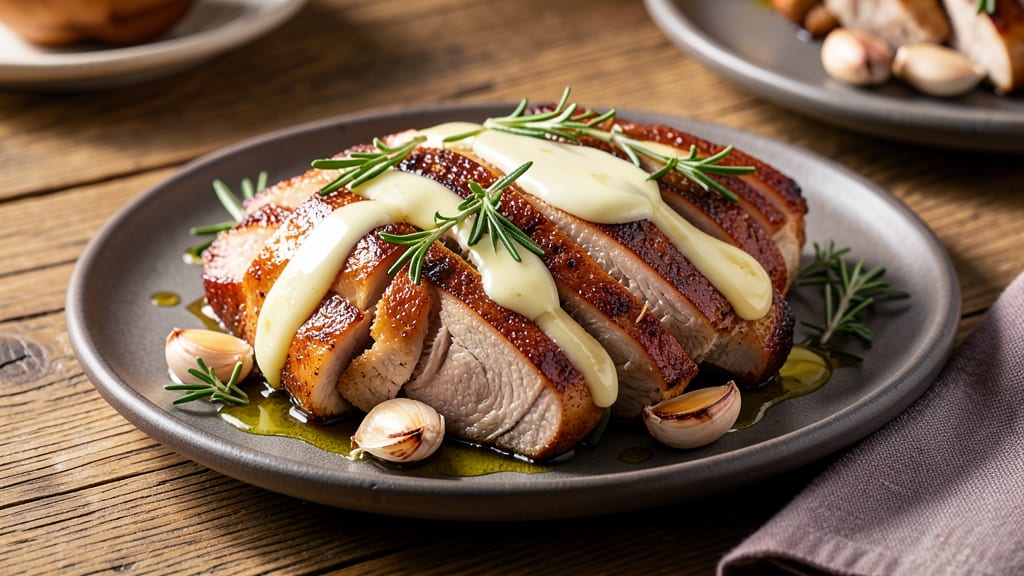
This butterfly pork shoulder recipe delivers a perfect balance of pan-seared crust and juicy steamed centers—the kind of dish that transforms a weeknight into a special occasion. 🔥 I've been perfecting this technique for years, and it's become my go-to for gatherings, especially when I want to showcase the rich, complex flavors of heritage pork.
The secret lies in the butterfly cut, which ensures even cooking and maximum tenderness.
What sets this recipe apart is the two-stage cooking process: first searing the exposed meat to create a flavorful crust, then steaming the center to achieve melt-in-your-mouth tenderness.
This method ensures every bite delivers that perfect harmony of textures and flavors, whether you're serving it at a family dinner or a BBQ competition. The pork shoulder's natural juices stay locked in, while the caramelized exterior adds depth that's impossible to resist.
By the time you're done, you'll have a restaurant-quality dish that's impressive yet approachable—no fancy equipment required. The result is a pork shoulder that's rich, savory, and packed with flavor, with a crispy exterior that gives way to tender, juicy meat.
The technique is foolproof, and the outcome is worth every minute of effort, especially when you consider how versatile this dish is.
Serve it with classic sides like creamy mac and cheese, grilled vegetables, or a crisp slaw to round out the meal. This recipe is designed to impress, whether you're cooking for a crowd or treating yourself to a special dinner.
Let's get started on creating a dish that's as satisfying as it is delicious.
Ingredients for butterfly pork shoulder
The secret to restaurant-quality pork lies in these 13 ingredients—where heritage pork meets bold flavors.
| Ingredient | Amount | Notes |
|---|---|---|
| Bone-In Pork Shoulder 🥩 | 2 ½ lb | Heritage breed preferred, butterfly cut |
| Unsalted Butter 🧈 | ½ cup | Cold, cut into 1-inch cubes |
| Extra-Virgin Olive Oil 🫒 | 2 tbsp | High smoke point preferred |
| Fresh Rosemary 🌿 | ¼ cup | Finely chopped, fresh preferred |
| Fresh Thyme 🌿 | ¼ cup | Leaves only, stems removed |
| Garlic Cloves 🧄 | 6 cloves | Minced, skin-on for flavor |
| Diamond Crystal Kosher Salt 🧂 | 1 ½ tbsp | Coarse grain preferred |
| Freshly Ground Black Pepper 🌶️ | 1 tsp | Freshly cracked for best flavor |
| Apple Cider Vinegar 🍎 | 1 tbsp | For marinade brightness |
| Brown Sugar 🍚 | 1 tbsp | Light or dark variety |
| Water 💧 | ½ cup | For steaming process |
| Heavy Cream 🥛 | ¼ cup | Optional for basting |
| Smoked Paprika 🌶️ | 1 tsp | For crust depth |
The pork shoulder is everything here. Heritage breeds like Berkshire deliver unmatched richness, but any bone-in cut works. Look for marbling and even thickness—the butcher can butterfly it for you, or you can do it yourself with a sharp knife. Costco or local butchers often carry premium cuts; if you're buying whole, ask for a section with good fat cap. The fat renders beautifully during searing, locking in juices. For the butter, Plugrá or Land O'Lakes are reliable, but European-style unsalted (like Bergère) adds extra depth if you want to splurge. Fresh herbs? Trader Joe's sells pre-chopped rosemary and thyme, but I always grab whole sprigs—I find the flavor more vibrant.
No heritage pork? Yorkshire or Duroc are solid alternatives—just trim excess fat for a cleaner crust. Short on rosemary? Fresh sage at half the amount works surprisingly well. The apple cider vinegar can be swapped for red wine vinegar or lemon juice, but the acidity is key for tenderizing. For a smokier flavor, swap smoked paprika for chipotle powder. The heavy cream is optional but worth it—it bastes the pork while cooking, adding a silky finish. If you're avoiding dairy, coconut cream works too. For the olive oil, California Avocado or Bertolli are my go-tos—they've got the right balance of fruity and neutral. And if you're prepping ahead, the marinade (vinegar, sugar, herbs) can sit for up to 24 hours—the pork just needs 30 minutes max.
Butter and herbs keep best in the freezer for 6 months—wrap butter in parchment, herbs in damp paper towels. The pork shoulder can sit in the fridge 2-3 days before cooking, but plan to sear it within 24 hours for best texture. Once cooked, it reheats beautifully—wrap tightly in foil and steam for 10 minutes at 350°F. For leftovers, slice against the grain and store in an airtight container. This dish is even better the next day as flavors meld—portion into meal prep containers for easy lunches. The crust gets crispier with time, so don't rush serving.
Why You'll Love This Recipe
- One-Pan Magic: I swear by this—just one sheet pan, a few slices of butter, and that bone-in pork shoulder transforms itself. No chopping, no flipping, no stress. The bone renders down while you sip wine, and the crispy edges? Pure reward.
- Herb-Crusted Richness: That combo of rosemary and thyme seared into the meat with butter and olive oil? It’s like a hug for your taste buds. The pork stays juicy inside while the crust gets addictively golden—no dry bites here.
- Leftovers That Shine: Between us, this is my go-to for meal prep. Shred it for tacos, sandwiches, or pasta the next day, and it’s still ridiculously good. Honestly, I make it on Sundays just so I don’t have to think about dinner later.
- Budget-Friendly Feast: Bone-in pork shoulder is the best deal—big portions, minimal cost. A single cut feeds four, and the butter and herbs make it feel fancy without breaking the bank. My wallet and my family thank me.
Step-by-step instructions for butterfly pork shoulder
Here's how to achieve that perfect balance of crispy crust and tender, juicy centers every time.
🍳 Step 1: Prep the Pork Shoulder for Maximum Flavor
Start by trimming any excess fat from the 2.5 lb bone-in pork shoulder, leaving just a thin layer for flavor and moisture. Pat the meat completely dry with paper towels—this is crucial for that crispy crust later. Place the shoulder on a cutting board, fat-side down, and carefully butterfly it by slicing horizontally through the thickest part, stopping just before you hit the bone. You'll end up with a single, thick cut that opens like a book.
In a small bowl, combine the 0.25 cup fresh rosemary, 0.25 cup fresh thyme, 6 minced garlic cloves, 1.5 tbsp Diamond Crystal kosher salt, 1 tsp freshly ground black pepper, 1 tbsp apple cider vinegar, 1 tbsp brown sugar, and 1 tsp smoked paprika. Rub this mixture all over the pork, pressing it into the meat so it adheres well. Let it sit at room temperature for 30 minutes while you prep the rest of your ingredients.
🔥 Step 2: Sear the Pork for a Flavorful Crust
Heat a large oven-safe skillet over medium-high heat until it's smoking hot. Add 2 tbsp extra-virgin olive oil and swirl to coat the pan evenly. Place the pork shoulder in the skillet, fat-side down, and sear for 4-5 minutes until the fat is golden brown and crispy. Flip the pork over and add 0.5 cup cold unsalted butter cut into cubes around the edges of the pan. Let it melt and baste the pork for 2-3 minutes until the butter is golden and bubbly.
Here's the thing—don't press down on the pork while searing. I know it seems counterintuitive, but letting it sear undisturbed creates that beautiful crust. You'll know it's ready when the edges are deeply browned and the butter has rendered into a rich, golden foam. Remove the pan from heat and let it cool slightly for 1 minute—this prevents the butter from burning when you add the water.
🥘 Step 3: Steam and Braise for Juicy Perfection
Pour 0.5 cup water into the skillet, creating a steaming environment that keeps the pork moist while it cooks. Immediately cover the skillet tightly with a lid or foil, then transfer it to a preheated 325°F oven. Bake for 2.5-3 hours until the internal temperature reaches 195°F and the meat is fork-tender. The steam helps break down collagen for that melt-in-your-mouth texture, while the butter basting keeps the exterior crispy.
I like to check the temperature every 30 minutes after the first hour. The pork should pull away from the bone easily, and the juices should run clear when you pierce the thickest part with a meat thermometer. If the butter starts to solidify, remove the pan from the oven, stir in 0.25 cup heavy cream to create a glossy sauce, then return it to the oven to finish cooking.
⏰ Step 4: Rest and Serve with Confidence
Once the pork reaches 195°F, remove it from the oven and let it rest on a cutting board for 15-20 minutes. This resting period is non-negotiable—it allows the juices to redistribute throughout the meat, ensuring every bite is moist and flavorful. Tent the pork loosely with foil to keep it warm while it rests.
Slice the pork against the grain into ½-inch thick slices for maximum tenderness. Spoon any remaining pan juices and butter sauce over the top before serving. The result should be a perfect balance of crispy, caramelized edges and succulent, juicy centers that practically melt in your mouth. Serve with roasted vegetables or crusty bread to soak up every last bit of that delicious sauce.
Pro Tips For Making Butterfly Pork Shoulder
- SEAR THE FLAT SIDE FIRST: I learned this the hard way—starting with the thick end makes your pan flood with juices before you even get a crust. Flip the shoulder so the thinner side hits the pan first, then flip back to the thick side once it’s browned. That first sear locks in flavor before the butter and herbs get involved.
- USE COLD BUTTER FOR LAYERS: Dumping melted butter over hot meat just pools it. Instead, cut the unsalted butter into chunks and scatter them over the pork before it hits the oven. As it roasts, the butter slowly melts into the meat, creating a richer, stickier crust than if you drizzled it later.
- DON’T SKIP THE ROOM-TEMP EQUALIZE: Take the pork shoulder out of the fridge 30 minutes before cooking—yes, even if you’re impatient. Cold meat steams instead of searing, and the center will cook unevenly. Room temperature means a better crust and more even doneness when you finally get it in that pan.
- STUFF THE CAVITY WITH HERBS: Tucking whole sprigs of rosemary and thyme under the skin or into the cavity isn’t just for looks. The heat steams the herbs directly into the meat, infusing it with aroma that no post-roast sprinkle can match. Use a couple of sprigs—no need to go overboard, but don’t half-ass it either.
Perfect pairings for butterfly pork shoulder
Classic Southern Sides
For a true Southern experience, serve your butterfly pork shoulder with creamy mac and cheese—the rich, cheesy sauce complements the pork's savory depth perfectly. I love using sharp cheddar and Gruyère for a balanced flavor.
Another crowd-pleaser is collard greens cooked with smoked turkey neck and a splash of apple cider vinegar, which adds tangy brightness to cut through the richness. 🥗
Cornbread is a must-have for soaking up those delicious pan juices. I prefer a slightly sweet, crumbly texture with a touch of honey and buttermilk. For a lighter option, try roasted sweet potatoes tossed with brown sugar, cinnamon, and pecans—their natural sweetness pairs beautifully with the pork's smoky, herby notes.
Fresh Vegetable Pairings
Bright, fresh vegetables balance the richness of the pork. Grilled zucchini and summer squash with garlic and lemon zest add a refreshing contrast. I also recommend charred asparagus with a sprinkle of flaky sea salt—the slight bitterness enhances the pork's sweetness.
For a heartier option, roasted Brussels sprouts with balsamic glaze and crispy prosciutto add a satisfying crunch. 🌿
Heirloom tomato salad with fresh basil, olive oil, and a pinch of oregano brings a burst of freshness to the plate. If you're serving this in summer, a cucumber and radish salad with mint and lime keeps things light and cooling. For a more substantial side, grilled corn on the cob brushed with chili-lime butter adds a smoky-sweet element that guests will love.
Beverage Recommendations
A bold Southern red wine like Cabernet Sauvignon or Syrah stands up to the pork's rich, herby flavors. I especially love a Napa Valley Cabernet with its dark fruit and oak notes—it complements the dish beautifully.
For beer lovers, a hoppy IPA or amber ale cuts through the fat, while a light lager like Peroni keeps things crisp and refreshing. 🍷
For non-alcoholic options, sparkling apple cider with a cinnamon stick adds a festive touch, especially during the holidays. Iced sweet tea with a splash of lemon is a Southern staple that pairs perfectly with the pork's savory-sweet balance.
If you're serving this at a summer BBQ, watermelon mint lemonade adds a refreshing, cooling contrast to the rich main dish.
Unexpected Twists
For a modern twist, serve the pork with truffle mashed potatoes—their earthy aroma elevates the dish to gourmet levels. I like to fold truffle oil and crispy shallots into the mashed potatoes for extra depth.
Another unexpected pairing is pickled red onions and avocado slices on a toasted baguette—the tangy, creamy contrast is surprisingly delicious. 🥖
If you're feeling adventurous, try butternut squash risotto with sage and Parmesan—its creamy texture and nutty flavor make it a sophisticated side. For a lighter option, shaved fennel salad with orange segments and toasted pine nuts adds a bright, citrusy note that balances the pork's richness.
These pairings take your meal from classic to extraordinary with minimal effort.
Nutrition facts
Frequently asked questions
Why is the butterfly cut important for pork shoulder?
The butterfly cut exposes more surface area, allowing for even cooking and a perfect balance of crispy crust and tender centers. This technique ensures the meat cooks uniformly, with the outer edges getting that delicious caramelization while the inside remains juicy. It's especially useful for thicker cuts where traditional methods might leave the center undercooked.
Can I substitute bone-in pork shoulder with boneless?
While bone-in pork shoulder is ideal, you can use boneless if needed—but expect slightly different results. The bone adds natural moisture and flavor, but a boneless cut will cook faster. To compensate, reduce oven temperature to 300°F and monitor closely. The texture will be more uniform, though slightly less rich than bone-in.
How do I know when the pork is fully cooked?
Use a meat thermometer to check the internal temperature—it should reach 195°F in the thickest part. The meat should also pull away from the bone easily, and juices should run clear when pierced. If using a thermometer, insert it horizontally into the thickest part to avoid hitting bone, which can give false readings.
Can I make this recipe in a slow cooker?
Sear the pork first in a skillet, then transfer it to your slow cooker with the marinade and 0.5 cup water. Cook on low for 6-8 hours or high for 3-4 hours until tender. The slow cooker method is perfect for hands-off prep, though the crust won't be as crispy as oven-braised.
What's the best way to reheat leftovers?
Wrap leftovers tightly in foil and reheat in a 350°F oven for 10-15 minutes or until warmed through. For extra crispiness, broil for 2-3 minutes at the end. Avoid microwaving—it turns the meat rubbery. Store leftovers in an airtight container for up to 4 days in the fridge.