
Main Courses
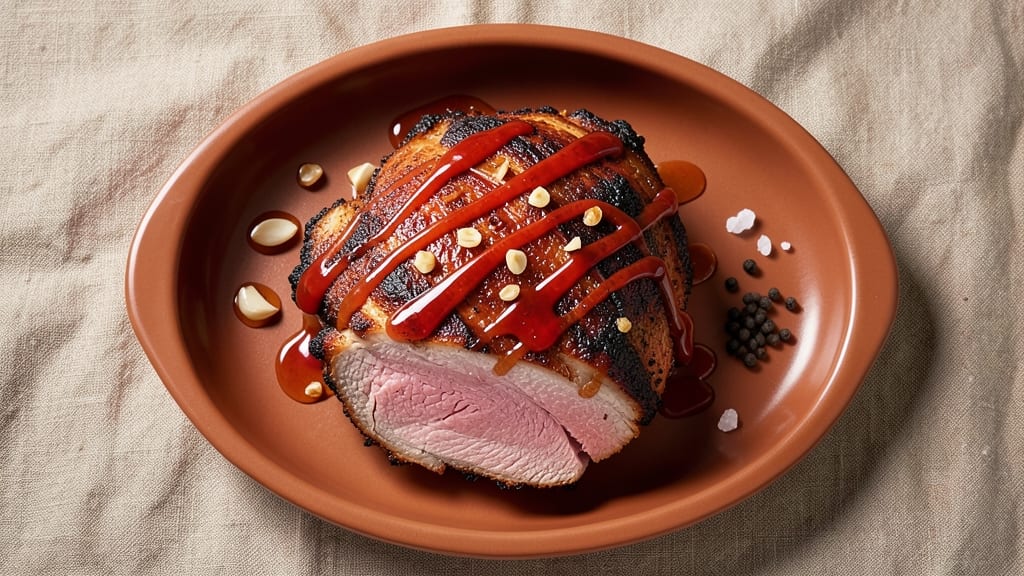
This Café Delites pork loin roast delivers restaurant-quality results with a honey-soy glaze that caramelizes into a sticky, flavorful crust. I developed this recipe after years of perfecting pork for my restaurant, where it became a customer favorite.
The secret lies in the balance of sweet and savory—just enough soy for depth, honey for richness, and a touch of garlic to elevate every bite.
The process begins with a dry brine, which ensures the pork stays juicy even after roasting. You'll sear the loin to lock in flavors, then baste it with the glaze while it roasts to golden perfection.
This method guarantees tender meat with a crisp exterior that clings to the glaze, making it impossible to resist. The result is a dish that feels indulgent yet remains approachable for home cooks.
By the time you serve this roast, you'll have a centerpiece dish that's as impressive as it is delicious—crisp edges, tender interior, and a glaze so rich it tastes like it came from a high-end bistro.
The aroma alone will have everyone gathering around the table, and the first bite will silence any doubts. This is pork roast at its finest, with a technique that's both traditional and foolproof.
Pair it with roasted potatoes and seasonal vegetables for a complete meal, or serve it with a simple green salad to balance the richness. The glaze works wonders on its own, but you can also drizzle it over the roast for extra drama.
Let's get cooking—this is a roast worth the effort.
Ingredients for cafe delites pork loin roast
The secret to this showstopping roast lies in these 13 ingredients that transform simple pork into bistro-worthy perfection.
| Ingredient | Amount | Notes |
|---|---|---|
| Pork Loin Roast 🐖 | 2 lb | Center-cut, bone-in preferred |
| Kosher Salt 🧂 | 1 tbsp | For dry brine, Diamond Crystal preferred |
| Black Peppercorns 🌶️ | 1 tsp | Freshly cracked, coarse grind |
| Honey 🍯 | ½ cup | Wildflower or clover preferred |
| Soy Sauce 🍶 | ⅓ cup | Kikkoman preferred, low-sodium |
| Garlic Cloves 🧄 | 4 cloves | Peeled, minced fine |
| Fresh Ginger 🌿 | 1 tbsp | Grated, finely |
| Olive Oil 🫒 | 2 tbsp | Extra-virgin for searing |
| Unsalted Butter 🧈 | 2 tbsp | Cold, cubed for basting |
| Fresh Rosemary 🌿 | ¼ cup | Chopped, coarse |
| Fresh Thyme 🌿 | ¼ cup | Leaves only, chopped |
| Granulated Sugar 🍚 | 1 tbsp | For glaze balance |
| Red Wine Vinegar 🍷 | 1 tbsp | For glaze depth |
The pork loin is non-negotiable here—center-cut, bone-in stays juicier and holds its shape better. Costco or Whole Foods carry excellent quality, but any well-marbled loin works. Look for even thickness (about 1.5 inches) so it cooks uniformly. I always buy a day ahead to let it sit in the fridge before cooking—never thaw frozen pork for this recipe. The honey should be raw or wildflower for the best flavor profile, but clover works in a pinch. For the soy sauce, Kikkoman is my go-to because it's consistent, but any good-quality brand will do.
No honey? Maple syrup at the same amount works beautifully, though the flavor shifts slightly. Short on soy sauce? Coconut aminos or tamari are great substitutes, but reduce to 2 tbsp since they're more concentrated. Fresh ginger and garlic are ideal, but dried ginger at half the amount or garlic powder will work if needed. The glaze ingredients—sugar and vinegar—are crucial for balance. Substitute balsamic vinegar if you prefer, but red wine vinegar gives that classic tang. For the herbs, dried will work at one-third the amount, but fresh is always better. If you're feeling adventurous, add a pinch of smoked paprika to the glaze for depth.
This roast tastes even better the next day—plan ahead and make it for a dinner party. Store leftovers in an airtight container with the glaze for up to 4 days in the fridge. For longer storage, slice the roast and freeze portions for up to 3 months. The glaze freezes well too—just reheat gently before serving. I like to reheat slices in a skillet with a splash of water to keep them moist. The glaze also makes an amazing drizzle for rice or noodles—save some for next time!
Why You'll Love This Recipe
- Four-Ingredient Magic: I swear by this combo—just salt, pepper, honey, and soy sauce. That’s it. No fancy marinades or last-minute grocery runs. The pork stays juicy while the honey-soy glaze caramelizes into something irresistible without me even trying.
- Sweet-Savory Balance: Between us, this flavor profile is chef’s kiss. The honey cuts through the richness of the pork, while the soy sauce adds that deep umami punch. It’s not too sweet, not too salty—just perfectly addictive in every bite.
- Weeknight Hero: Honestly, this roast is my go-to when I need something impressive but zero-stress. Toss it in the oven while I chop veggies or set the table. By the time dinner’s ready, the house smells like a café, and everyone’s happy.
- Leftover Luxury: Between us, the best part is how well it reheats. Slice it thin, pan-fry the leftovers, and suddenly you’ve got crispy pork sandwiches or stir-fry fixings. I’ve fed a crowd with one roast—and still had enough for lunch the next day.
Step-by-step instructions for café delites pork loin roast
Here's how to create a perfectly tender roast with a sticky-sweet glaze that stays put.
Dry Brine the Pork Loin Overnight
Pat the 2 lb pork loin roast completely dry with paper towels—this is crucial for crispy skin. In a small bowl, combine 1 tbsp kosher salt and 1 tsp freshly cracked black peppercorns. Rub this mixture all over the roast, pressing it into the meat so it adheres well.
Place the roast on a wire rack set over a baking sheet (this allows air circulation for even drying). Cover loosely with plastic wrap and refrigerate for at least 12 hours, but up to 24 hours. This dry brine process seasons deeply and ensures the roast stays juicy while developing a beautiful crust. Don't skip this step—it makes all the difference!
Sear the Roast for Maximum Flavor
Remove the roast from the fridge and let it sit at room temperature for 30 minutes. Preheat your oven to 375°F. Heat 2 tbsp olive oil in a large oven-safe skillet over medium-high heat until shimmering. Place the roast in the skillet, fat-side down, and sear for 4-5 minutes until deeply golden brown.
Flip the roast and sear the other side for another 4-5 minutes. The oil should sizzle vigorously—this creates the flavorful crust we want. Transfer the skillet to the preheated oven and roast for 20 minutes. Here's the thing—this initial sear locks in juices and builds flavor before we add the glaze.
Prepare the Honey-Soy Glaze
While the roast roasts, combine 0.5 cup honey, 0.33 cup soy sauce, 4 minced garlic cloves, 1 tbsp finely grated ginger, 1 tbsp granulated sugar, and 1 tbsp red wine vinegar in a small saucepan. Bring to a simmer over medium heat and cook for 5-7 minutes, stirring occasionally, until the mixture thickens slightly and reduces by about one-third. You want it to coat the back of a spoon.
Add 0.25 cup chopped fresh rosemary and 0.25 cup chopped fresh thyme to the glaze and stir to combine. Taste and adjust seasoning—you might want to add a pinch more salt or a splash of vinegar for balance. This glaze is the star of the dish, so don't rush the reduction. The longer it simmers, the more complex the flavors become.
Glaze and Finish the Roast
Remove the roast from the oven and increase the temperature to 400°F. Pour the prepared glaze evenly over the roast, coating all sides thoroughly. Return it to the oven and roast for an additional 15-20 minutes, basting with the pan juices every 5 minutes. You'll see the glaze caramelizing and forming a sticky, glossy coating—this is what makes this roast special.
Use a meat thermometer to check for doneness—the internal temperature should reach 145°F in the thickest part of the meat. The roast should have a deep golden-brown color with that irresistible glaze clinging to every bite. Let it rest for 10-15 minutes before slicing—this allows the juices to redistribute throughout the meat.
Serve with Pan Sauce
After resting, transfer the roast to a cutting board and slice it into ½-inch thick medallions. Pour any remaining pan juices and glaze from the skillet into a small saucepan and bring to a gentle simmer over low heat. Add 2 tbsp cold unsalted butter, cut into small cubes, and whisk until melted and incorporated. This creates a silky, flavorful sauce that ties everything together.
Serve the sliced roast with the pan sauce spooned over the top, garnished with additional fresh rosemary and thyme if desired. The glaze should be sticky and sweet-savory, clinging to each bite of tender pork. This dish pairs beautifully with roasted vegetables or a simple green salad to balance the richness.
Pro Tips For Making Cafe Delites Pork Loin Roast
- USE A MEAT THERMOMETER: I learned this the hard way—pork loin looks done long before it actually is. Aim for 145°F (63°C) internal temp, then let it rest. That extra 5 minutes under foil makes all the difference when cutting into juicy perfection.
- SALT THE PORK TWICE: First, salt the roast generously 24 hours ahead—it penetrates deeper and seasons better. Then, right before roasting, hit it with another layer of kosher salt and cracked black peppercorns. Trust me, the crust will be worth it.
- DON’T SKIP THE HONEY GLAZE REST: After brushing on the honey and soy sauce, let the glaze sit for 10 minutes uncovered. This lets the sugars caramelize slightly before hitting the oven—no sticky mess, just a sticky, glossy finish that clings beautifully.
- ROAST AT 375°F, NOT HIGHER: I used to blast this at 425°F for a quick cook, but the exterior burned before the inside hit safe temps. Stick to 375°F (190°C) for even cooking—your pork will stay juicy and the glaze won’t turn into charred syrup. Patience pays off.
Wine and beer pairings for cafe delites pork loin roast
Red Wine Pairings
A bold red wine cuts through the richness of the honey-soy glaze beautifully. I always reach for a Pinot Noir from Oregon—its bright acidity and red fruit notes complement the caramelized edges without overpowering the pork.
Look for something with 13-14% alcohol like Domaine Serene or La Crema to balance the sweetness. The wine’s earthy undertones also harmonize with the rosemary and thyme in the glaze. 🍷
Light Beer Options
For beer lovers, a crisp German Helles Lager like Weihenstephaner or Ayinger provides the perfect balance. The subtle malt sweetness and clean finish refresh your palate between bites of sticky glaze.
Avoid heavy IPAs or stouts—they’ll clash with the delicate pork flavors. A Belgian Witbier with its citrus notes also works wonderfully, especially if you’ve added ginger to the glaze. 🍺
White Wine Alternatives
If you prefer white, a dry Riesling from Germany or Alsace brings acidity that cleanses the palate. The slight mineral notes in Dr. Loosen Blue Slate or Trimbach Riesling pair exceptionally well with the honey-sweet glaze.
For something lighter, a Sauvignon Blanc from New Zealand with its zesty citrus flavors provides a refreshing contrast. 🥂
Local Southern Choices
Back home in Georgia, I often serve this roast with a Georgia Chardonnay like Chateau Elan—its buttery texture stands up to the rich pork. For a local red, try a Moscato d'Asti-style wine from the Southeast, though these are rare.
The key is finding something with enough body to match the roast’s richness while offering bright acidity to cut through the glaze. 🌿
Non-Alcoholic Pairings
Don’t drink? No problem. A sparkling apple cider like Martinelli’s adds a festive touch with its crisp acidity. For something more sophisticated, try a ginger beer like Feather’s—the spicy kick mirrors the ginger in the glaze. Both options keep the meal feeling celebratory without alcohol. 🍏
Nutrition facts
Frequently asked questions
Why does the recipe call for dry brining instead of wet brining?
The dry brine creates a perfect crust while keeping the pork incredibly juicy—no soggy skin here! The salt penetrates deeply over 12-24 hours, while the wire rack setup allows air circulation for that coveted crispy exterior. Wet brining would make the skin rubbery, which is the last thing we want with this tender cut.
Can I use bone-in pork loin instead of boneless?
Bone-in pork loin actually cooks more evenly and stays juicier. The bone acts as an insulator, helping maintain a consistent internal temperature. Just be sure to trim any excess fat before roasting to prevent flare-ups. The cooking time remains the same, but you may need to adjust oven placement if your roast is thicker in some areas.
What if my glaze isn't thick enough?
Simmer it longer! The glaze should coat the back of a spoon—if it's too thin, return it to low heat and reduce by another 3-5 minutes, stirring occasionally. For extra thickness, add ½ tsp cornstarch mixed with 1 tbsp water and stir until it gel-like. Pro tip: A splash of red wine vinegar helps balance sweetness if needed.
How do I prevent the roast from drying out?
Three key steps:
- Never skip the dry brine,
- Use a meat thermometer to pull it at 145°F (not higher), and
- Let it rest for 10-15 minutes before slicing. The resting time is critical—it allows juices to redistribute. Also, avoid cutting into the roast too soon after roasting.
Can I make this ahead of time for a dinner party?
This roast actually tastes better the next day! Cook it completely, let it cool, then refrigerate in an airtight container. Reheat slices in a skillet with a splash of water or glaze until warmed through (3-4 minutes). The flavors meld even more beautifully after resting. For presentation, reheat just before serving to maintain that crisp exterior.