
Side Dishes
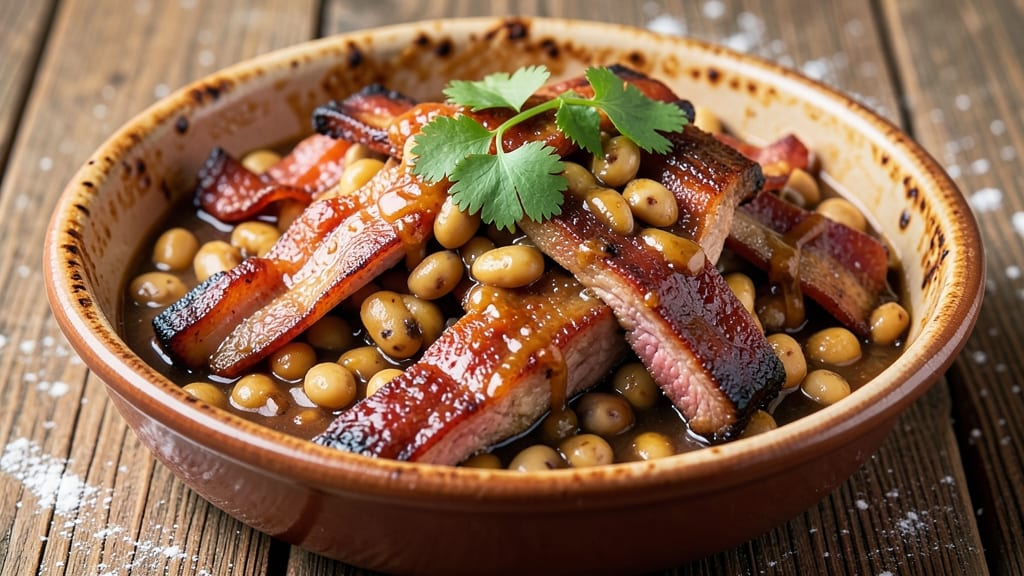
This callos with pork and beans recipe brings bold, smoky flavors to your table with a dish rooted in tradition. 🔥 After years of perfecting the technique—from cleaning the tripe to balancing the rich, spiced broth—I’ve created a version that delivers restaurant-quality depth at home.
The key lies in slow simmering, where pork ribs and bacon infuse the broth with their savory essence while callos transform from chewy to tender.
The process begins with preparing the callos, which requires thorough cleaning and soaking to remove impurities. Once tenderized, they’re combined with pork, beans, and a blend of garlic, tomatoes, cumin, and oregano—a classic Mexican spice profile that builds layers of flavor.
The result is a hearty stew with a perfect balance of textures: crisp edges on the pork, velvety callos, and firm beans.
What sets this recipe apart is its versatility—serve it as a main dish with warm tortillas or rice, or let it simmer all day for even deeper flavor.
The smoky aroma alone will draw everyone to the table, and the first bite delivers that satisfying combination of tender meat, rich broth, and earthy spices. This is comfort food at its finest, a dish that feels like a hug in a bowl.
For those new to callos, don’t let the preparation intimidate you—the technique is straightforward once you know the steps. The reward? A stew so flavorful it becomes the centerpiece of any meal. Let’s get started on creating something truly special.
Ingredients for callos with pork and beans
Six servings of smoky, spiced comfort—where tender tripe meets rich pork in a broth built to impress.
| Ingredient | Amount | Notes |
|---|---|---|
| Dried Callos (Honeycomb Tripe) 🥩 | 12 oz | Cleaned and soaked overnight |
| Pork Ribs 🍖 | 1 ½ lb | Cut into 2-inch pieces |
| Bacon 🥓 | 8 oz | Thick-cut, chopped into lardons |
| Garlic Cloves 🧄 | 6 cloves | Peeled and smashed |
| Canned Pinto Beans 🌽 | 2 cans | 15 oz each, drained |
| Tomato Paste 🍅 | ½ cup | Smooth, not chunky |
| Ground Cumin 🌿 | 1 ½ tbsp | Toasted for depth |
| Dried Oregano 🍃 | 1 tbsp | Mexican oregano preferred |
| Bay Leaves 🌿 | 2 whole | Fresh if possible |
| Chicken Broth 💧 | 4 cups | Low-sodium preferred |
| Apple Cider Vinegar 🍎 | 2 tbsp | For brightness |
| Olive Oil 🫒 | 2 tbsp | For searing |
| Salt 🧂 | 1 ½ tsp | Adjust to taste |
| Black Peppercorns 🌶️ | 1 tsp | Freshly cracked |
| Guajillo Chiles 🌶️ | 2 whole | Stems/seeds removed |
The callos are the star, but they need proper prep. Look for dried honeycomb tripe at Latin markets or specialty butchers—H-E-B or Whole Foods often carry it. Soaking overnight in cold water removes impurities; change the water twice. The pork ribs should have good marbling for flavor, and Costco or local butchers usually have the best cuts. Bacon adds smokiness—thick-cut stays crispier when cooked slowly. Guajillo chiles? Penzeys or Mexican grocery stores sell them dried; toast them briefly to deepen their flavor before soaking.
No dried callos? Substitute beef tripe (soak longer) or even extra pork ribs for heartiness. Short on guajillo chiles? Ancho chiles work too, but reduce to 1 chile for milder heat. Pinto beans can be swapped for black beans or kidney beans—just adjust liquid as needed. The tomato paste is non-negotiable for depth, but if you’re avoiding it, 2 cups crushed tomatoes will work in a pinch. Fresh oregano? Use half the amount of dried. And for the broth, low-sodium is key—you’ll be adding salt later.
This stew tastes even better the next day, so make a double batch if you can. Store in the fridge for 4-5 days or freeze for 3 months. The callos will firm up when chilled—just reheat gently with a splash of broth. For serving, keep the bacon crispy by adding it back to the pot off the heat. The guajillo chiles? Save the soaking liquid—it’s packed with flavor for future batches. Tortillas and lime wedges are your best friends here.
Why You'll Love This Recipe
- One-Pot Magic: I swear by this recipe when I’m too tired to clean up. The callos, pork ribs, and beans all simmer together—no extra bowls, no fuss. Just one pot, one long simmer, and you’re done.
- Rich, Deep Umami Bomb: That crispy bacon and garlic clove combo? It’s what makes this dish ridiculously good. The callos soak up all the smoky, savory flavors while the pork ribs stay tender—every bite is pure satisfaction.
- Crowd-Pleaser Any Day: Between us, this is the dish that gets my whole family to show up early. It’s hearty enough for game day, easy enough for a weeknight, and even my picky teenager asks for seconds.
- Budget-Friendly Feast: Honestly, I make this when I want to feed everyone without breaking the bank. Callos and pork ribs stretch across multiple meals, and canned beans cut costs without sacrificing flavor. Leftovers? They’re my secret weapon.
Step-by-step instructions for smoky-spiced callos stew
Transform humble tripe into a rich, hearty stew with deep smoky flavors and satisfying texture.
🔥 Step 1: Sear the Pork and Bacon for Deep Flavor
Heat a large Dutch oven over medium-high heat until hot. Add 2 tablespoons olive oil and swirl to coat. Working in batches to avoid crowding, add the 1.5 lb pork ribs cut into 2-inch pieces and sear for 4-5 minutes per side until deeply browned. Remove and set aside.
In the same pot, add the 8 oz bacon chopped into lardons and cook until crispy, about 6-8 minutes. Use a slotted spoon to remove the bacon, leaving the rendered fat in the pot. This bacon fat becomes the flavor foundation for your stew. I press down gently on the pork pieces during searing to prevent curling and ensure even browning.
🍳 Step 2: Toast Spices and Prepare the Guajillo Base
Reduce heat to medium and add the 6 cloves garlic cloves (smashed), 2 whole guajillo chiles (stems/seeds removed and torn into pieces), 1.5 tablespoons ground cumin, and 1 tablespoon dried oregano. Toast for 1-2 minutes until fragrant and the spices begin to dance in the fat. Be careful not to burn the chiles—they should soften but not darken.
Add the 0.5 cup tomato paste and stir to create a rich, thick paste. Cook for 2 minutes until it darkens slightly and releases its deep umami flavors. This step develops the stew's complex foundation. If the mixture sticks, add a splash of water to deglaze and scrape up all those flavorful browned bits from the bottom of the pot.
🥘 Step 3: Build the Stew with Callos and Broth
Return the seared pork ribs and bacon to the pot. Add the 12 oz dried callos (already soaked overnight and drained), 4 cups chicken broth, 2 tablespoons apple cider vinegar, 1.5 teaspoons salt, and 1 teaspoon black peppercorns. Stir well to combine, then add the 2 whole bay leaves. Bring to a gentle boil, then reduce heat to low and cover partially.
Simmer for 1.5 hours, stirring occasionally to prevent sticking. The callos will slowly break down into tender, gelatinous strands that give this stew its signature texture. Here's the thing—don't rush this step. The low simmer is crucial for tenderizing the tripe without making it mushy. After 1 hour, add the 2 cans drained pinto beans and continue simmering for another 30 minutes.
⏰ Step 4: Finish and Adjust Seasoning
Remove the bay leaves and taste the stew. Adjust seasoning with additional salt if needed—the beans and bacon should contribute plenty of flavor, but each kitchen varies. The stew should be rich and slightly tangy from the vinegar, with a deep smoky aroma from the guajillo chiles. If it's too thick, add a splash of water or broth to reach your desired consistency.
Let the stew sit off heat for 10 minutes before serving. This resting period allows all the flavors to meld together and the callos to fully absorb the cooking liquid. Serve warm, with crusty bread to soak up every last bit of that smoky, spiced broth. The texture should be a perfect balance—tender callos that almost melt in your mouth, hearty pork chunks, and creamy beans in a rich, flavorful sauce.
Pro Tips For Making Callos With Pork And Beans
- Soak Callos Twice: First soak in cold water for 2 hours to break down the tough fibers, then drain and rinse. After that, boil them for 15 minutes in fresh water with a splash of vinegar—this cuts through the sliminess and makes them tender faster. I learned this the hard way after serving rubbery callos that needed a hammer.
- Brown Ribs First: Don’t skip browning the pork ribs—sear them in batches over medium-high heat until deeply caramelized. The crust adds flavor that just won’t happen if you toss them straight into the pot. Yes, it takes 10 extra minutes, but your dish will taste like it simmered all day.
- Drain Beans Cold: Rinse the canned pinto beans under cold water after draining, then pat them dry with a towel. This removes excess starch, which keeps them from turning mushy when they cook. Sounds weird, but it works—your beans will stay firm and soak up the flavors instead of turning into a paste.
- Simmer Slow and Low: Once everything’s in the pot, keep the heat at a gentle simmer—not a boil—after the first 20 minutes. Boiling callos turns them tough, and pork ribs need time to fall off the bone. Cover and let it bubble softly for at least 2 hours. Patience here is the thing that matters most.
Troubleshooting this dish
Undercooked Callos
If your callos remain chewy or rubbery after simmering, they likely didn’t soak long enough. I’ve found that 12-14 hours of soaking in cold water (with water changes) is non-negotiable for proper tenderization.
For extra insurance, add 1 tablespoon apple cider vinegar to the soaking water—it helps break down fibers faster. If you’re short on time, try simmering them 30 minutes longer with an extra ½ cup broth to keep them moist. 💡
Broth Too Thin
A watery stew usually means too much liquid was added at once. The key is to start with 4 cups broth and adjust only if needed. If yours is too thin, reduce it uncovered over medium-low heat for 10-15 minutes, stirring occasionally.
For a richer base, thicken with a slurry of 1 tablespoon cornstarch mixed with 2 tablespoons cold water, whisked in at the end. I’ve also had success adding ½ cup mashed beans back into the pot—they’ll thicken beautifully. ✨
Pork Too Tough
Oversearing or undercooking pork ribs can leave them tough. For perfect texture, sear ribs until deeply browned (4-5 minutes per side), then simmer them in the stew for at least 1 hour—this breaks down collagen.
If they’re still tough, try this trick: remove the ribs, shred them slightly with two forks, then return them to the pot for another 20 minutes of simmering. The slow cook will transform them into melt-in-your-mouth pieces. 🍖
Bacon Too Soft
Crispy bacon is non-negotiable for texture contrast. To fix soggy bacon, remove it from the pot and crisp it separately in a dry skillet over medium-high heat for 2-3 minutes.
For next time, add the bacon back to the pot only in the final 10 minutes of cooking—this ensures it stays crispy. Pro tip: Use thick-cut bacon (like Oscar Mayer Thick & Juicy), as it holds up better during long simmers. 🥓
Spices Too Mild
If your stew lacks depth, the spices likely weren’t toasted enough. For maximum flavor, toast cumin and oregano in the bacon fat until highly aromatic (about 1-2 minutes until you smell their oils releasing).
Add a pinch of smoked paprika or ½ teaspoon cayenne to the finished stew for extra heat and complexity. I also keep a small jar of Penzeys chili powder on hand—it adds a smoky kick that elevates the dish instantly. 🌶️
Callos Too Slimy
Slimy callos usually mean they were overcooked or the soaking water wasn’t changed. To fix this, drain the stew and rinse the callos under cold water, then return them to the pot with 1 cup fresh chicken broth.
Simmer uncovered for 15 minutes to evaporate excess moisture. For prevention, always soak callos in cold water (never warm) and change the water at least twice during the soaking process. Trust me, this step makes all the difference. 💪
Nutrition facts
Frequently asked questions
What exactly are callos and where can I find them?
Callos are a type of tripe made from the stomach lining of cows, known for their honeycomb texture when dried. You’ll typically find them in the refrigerated or frozen section of Latin markets, specialty butchers, or even large grocery stores like H-E-B or Whole Foods. Look for "honeycomb tripe" or "callos" in the meat department.
Can I substitute pork ribs with another cut of pork?
For a quicker version, use bone-in pork shoulder cut into chunks, or pork butt for extra tenderness. If you prefer boneless options, pork loin works but may need an extra 15-20 minutes of simmering to stay juicy. The key is to choose a cut with good fat content for flavor.
How do I know when the callos are properly cooked?
The callos are ready when they become tender and almost translucent, breaking apart easily with a fork. They should be silky rather than chewy—this usually takes 1.5 hours of simmering after adding them to the pot. If they’re still firm, extend the cooking time by another 30 minutes with extra broth.
Can I make this recipe in a slow cooker?
Yes! Follow the same steps for searing the pork and bacon, then transfer everything to a 6-quart slow cooker. Cook on low for 6-7 hours or high for 3-4 hours, adding the beans during the last 30 minutes. The slow cooker’s gentle heat will give the callos extra time to tenderize beautifully.
What are the best sides to serve with this stew?
This rich, smoky stew pairs perfectly with warm corn tortillas for scooping, white rice to soak up the broth, or crusty bread for dipping. For a complete meal, add a simple Mexican-style street corn salad or a crisp avocado and lime salad to balance the hearty flavors.