
Main Courses
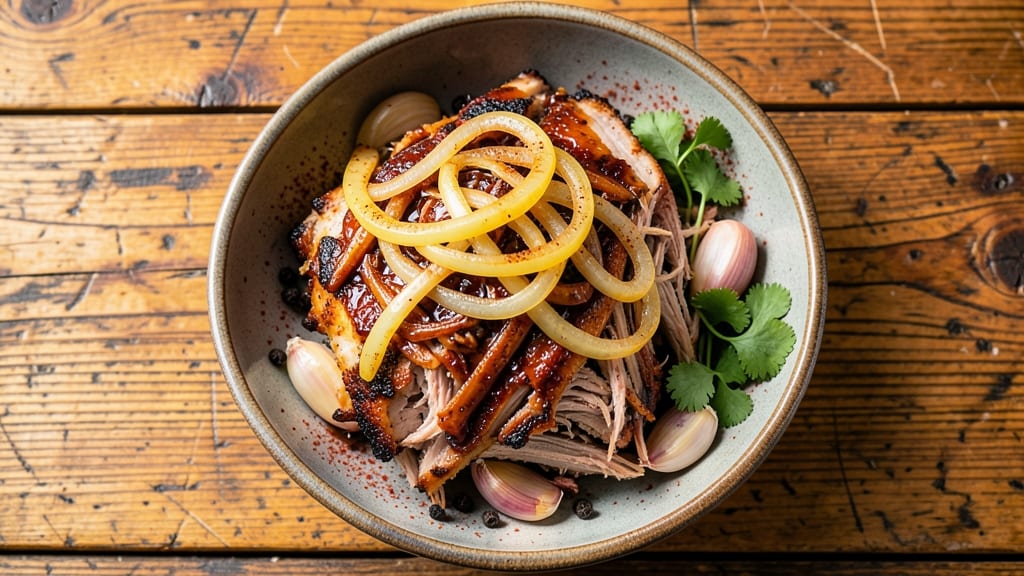
This Camp Chef smoked pulled pork recipe delivers restaurant-quality tenderness straight from your backyard smoker. After years of perfecting my technique—from brining to bark—this method consistently produces meat so tender it falls apart at the touch, with a smoky crust that crackles with every bite.
The secret lies in precise temperature control and patience, two things your Camp Chef handles flawlessly.
We start with a simple but effective dry brine that locks in moisture while letting the rub create that coveted bark. Using your Camp Chef's built-in pellet management system, we maintain a steady 225°F throughout the 10-12 hour cook, with cherry or hickory pellets for that classic smoky depth.
The slow cook transforms tough pork shoulder into melt-in-your-mouth perfection that's impossible to resist.
What makes this recipe truly special is how it leverages your Camp Chef's capabilities—like creating heat zones for even smoke distribution—without requiring pitmaster-level expertise. The result? Juicy, flavorful pulled pork that's ready to shred effortlessly, with enough sauce clinging to each strand to make serving a breeze.
Serve on toasted buns with tangy coleslaw or classic baked beans for a complete meal that'll have your guests asking for seconds. This isn't just pulled pork—it's a showstopping centerpiece that proves great BBQ doesn't require fancy equipment, just the right technique and a little patience. Let's get smoking!
Ingredients for camp chef smoked pulled pork
Six pounds of pork shoulder, a smoky rub, and your Camp Chef's precision—this is all you need for restaurant-quality pulled pork.
| Ingredient | Amount | Notes |
|---|---|---|
| Boneless Pork Shoulder (Butt) 🥓 | 6 lb | Bone-in preferred for flavor |
| Yellow Onion 🧅 | 1 whole | Yellow or red, quartered |
| Garlic Cloves 🧄 | 8 cloves | Fresh, peeled, smashed |
| Brown Sugar 🍯 | ½ cup | Packed, light brown preferred |
| Smoked Paprika 🌶️ | 2 tbsp | High-quality, not sweet |
| Ground Black Pepper 🌶️ | 1 tbsp | Freshly ground, coarse |
| Kosher Salt 🧂 | 1 ½ tbsp | Diamond Crystal preferred |
| Ground Cumin 🌿 | 1 tbsp | Toasted for deeper flavor |
| Chili Powder 🌶️ | 1 tbsp | Medium heat, not cayenne |
| Apple Cider Vinegar 🍎 | ¼ cup | For dry brine solution |
| Cherry Wood Pellets 🌳 | 2 lbs | Camp Chef compatible |
| Hickory Wood Pellets 🌳 | 1 lb | Optional for depth |
| Unsalted Butter 🧈 | ½ cup | Cold, cubed for finishing |
| Fresh Thyme Leaves 🌿 | ¼ cup | Or 1 tbsp dried thyme |
| Apple Juice 🍎 | 1 cup | For moisture during cook |
The pork shoulder is the star, and bone-in cuts from Costco or local butchers deliver the best flavor. Look for a cut with good marbling—this fat renders down during cooking, creating that irresistible bark. If you're buying pre-cut, check the weight per pound to avoid surprises. Trader Joe's often has great deals on pork shoulder, but the butcher section at Whole Foods or your local grocery store's meat counter will have higher-quality cuts. For the rub, Penzeys spices are my go-to for that authentic smoky depth, but any quality smoked paprika will work—just avoid the sweet kind. The key is balancing sweet, smoky, and spicy notes, so taste your rub before applying.
No cherry wood pellets? Hickory or pecan work perfectly—just adjust the ratio to 3:1 hickory to fruitwood for that classic BBQ flavor. Running out of apple cider vinegar? White vinegar or lemon juice in a pinch, though apple adds subtle sweetness. The butter at the end is non-negotiable—it melts into the pork, making each strand irresistible. European-style unsalted butter has more fat content, which is ideal for this recipe. Fresh thyme is best, but dried works at one-third the amount. For the apple juice, any unsweetened variety works—even white grape juice if that's what you've got. The brown sugar should be light, not dark, to avoid overpowering the smoky flavors.
This recipe is all about patience—10-12 hours in the smoker at 225°F transforms tough pork into melt-in-your-mouth perfection. The rub keeps for 3 months in an airtight container, so make extra. Leftover pulled pork reheats beautifully—just add a splash of apple juice or broth to keep it moist. Store in the fridge for 5 days or freeze for 3 months. I always portion it into containers with a little of the cooking juices to keep it tender. The bark? That's the best part—save a few slices to serve on the side for crunch.
Why You'll Love This Recipe
- Sweet-Smoky Magic: That caramelized brown sugar clinging to the pulled pork? It’s the kind of flavor that makes you close your eyes mid-bite. The paprika gives it a deep, campfire warmth, while the onions and garlic add a sweet, savory punch that’s hard to resist.
- Tailgate to Tuesday: Serve it on buns for a crowd at a football game, pile it into tacos for a lazy Sunday, or wrap it in tortillas for a quick lunch. Honestly, I’ve eaten it cold straight from the fridge—yes, even on a Tuesday night—and it’s still the best thing in the room.
- Leftovers That Don’t Suck: This recipe makes way more than you’ll eat in one sitting, and the good news? The flavor actually gets better as it sits. Freeze half for later, or reheat slices in a skillet with a splash of BBQ sauce—it’s my go-to for lazy weeknights when I’m too tired to cook.
Step-by-step instructions for Camp Chef smoked pulled pork
Here's how to transform a simple pork shoulder into melt-in-your-mouth pulled pork with perfect bark.
Prepare the Dry Rub and Dry Brine the Pork
In a medium bowl, combine the 0.5 cup packed brown sugar, 2 tablespoons smoked paprika, 1 tablespoon ground black pepper, 1.5 tablespoons kosher salt, 1 tablespoon ground cumin, and 1 tablespoon chili powder. Mix thoroughly until the spices are evenly distributed and the sugar crystals are completely coated. This blend creates the perfect balance of sweetness and smoky heat that will develop into that coveted bark.
Pat the 6 lb boneless pork shoulder completely dry with paper towels—this is critical for both adhesion of the rub and crispy bark formation. Apply the dry rub generously to all sides, pressing firmly so it adheres well. Place the rubbed pork in a large resealable plastic bag and add the 0.25 cup apple cider vinegar and 1 cup apple juice. Seal the bag and massage the liquid into the meat, coating it evenly. Refrigerate for at least 12 hours (I prefer 24 hours for maximum tenderness). The acid in the vinegar helps tenderize the meat while the juice keeps it moist during the long cook.
Set Up the Camp Chef Smoker
Fill the Camp Chef pellet tube with 2 lbs cherry wood pellets and 1 lb hickory wood pellets—the cherry provides sweetness while the hickory adds depth. Preheat the smoker to 225°F and allow it to stabilize for 30 minutes before adding the pork. This low-and-slow temperature is key to achieving tender, pull-apart texture without drying out the meat. Place a water pan in the smoker to maintain moisture throughout the cook.
Once the smoker reaches temperature and you see clean, blue smoke (not thick white steam), place the pork shoulder fat-side up on the grill grates. The fat will render slowly and baste the meat, contributing to that rich bark. Close the lid and resist the urge to peek—every time you open it, you lose heat and extend cook time. I promise, patience at this stage makes all the difference.
Smoke Until Probe-Tender
Smoke the pork shoulder undisturbed for 12-14 hours, maintaining a temperature between 225-250°F. This long cook time allows the collagen in the connective tissue to break down into gelatin, which transforms tough meat into tender, pull-apart perfection. Around the 8-hour mark, you'll notice the internal temperature stop rising—this is called "the stall" and is completely normal. Don't panic; it's just the meat's natural response to moisture evaporation.
When the internal temperature reaches 195-203°F (use a meat probe inserted into the thickest part of the shoulder), the pork should be fork-tender with no resistance. This typically takes 14-16 hours total, but always trust the probe test over the clock. The bark should be dark mahogany with crispy edges that give way slightly when pressed. Remove the pork from the smoker and transfer it to a cutting board, tented loosely with aluminum foil.
Rest and Shred for Maximum Tenderness
Let the pork rest for at least 1 hour before shredding—this resting period allows the juices to redistribute throughout the meat, ensuring each bite is moist and flavorful. I like to place the pork in a cooler with the foil tent to keep it warm while it rests. During this time, preheat your serving dish in the oven at 200°F to keep everything warm.
Using two forks or meat claws, shred the pork against the grain into ¼-inch thick strands. The meat should pull apart easily with minimal effort—if it's still tough, return it to the smoker for another 30 minutes at 250°F. Discard any large fat deposits or connective tissue. Transfer the shredded pork to the preheated serving dish and stir in the 0.5 cup cold cubed butter and 0.25 cup fresh thyme leaves. The butter adds richness while the thyme infuses a bright, herbal note that cuts through the smokiness.
Serve with Confidence
Garnish the pulled pork with additional fresh thyme leaves and serve immediately with quartered yellow onion and smashed garlic cloves on the side. The onions caramelize beautifully when exposed to the residual heat of the pork, adding another layer of flavor. Each bite should deliver a perfect balance of smoky bark, tender meat, and sweet-spicy rub—this is the hallmark of a successful pulled pork cook.
Real talk: the first time I made this, I rushed the rest and the pork was dry. Don't make that mistake. Let it rest, and you'll be rewarded with juicy, fall-apart perfection every time. This method delivers restaurant-quality pulled pork right in your backyard, and it's become a crowd-pleaser at every gathering I host.
Pro Tips For Making Camp Chef Smoked Pulled Pork
- USE A MEAT THERMOMETER: The Camp Chef’s built-in probe is handy, but I’ve ruined batches trusting it alone—pork shoulder needs to hit 195–203°F internally before it pulls right. Stick a separate thermometer in the thickest part; the Camp Chef’s sensor can lag, especially when you’re dealing with a big roast.
- TRIM EXCESS FAT BEFORE SMOKING: Thick fat layers slow heat penetration and can turn greasy on the smoker. Trim the pork shoulder down to about ¼-inch fat cap—enough to keep it moist, but not so much it creates a soggy mess. Use a sharp knife and work fast; the meat’s surface will start drying out if you linger.
- DON’T SKIP THE SPRITZ: After the first hour, spritz the pork with apple cider vinegar or a 50/50 water-vinegar mix every 45–60 minutes. The Camp Chef’s smoker box does its job, but the vinegar cuts through the sugar in your rub (especially that brown sugar) and keeps the bark from getting too sticky. I learned this the hard way—once, my pork stuck to the tray like glue.
- REST IT UNDER FOIL: Pull the pork at 195°F, but don’t shred it immediately. Tent it loosely with foil and let it rest 15–20 minutes—this lets the juices redistribute. I used to skip this and ended up with dry, stringy pork. Sounds counterintuitive, but trust me: the meat stays tender, and you’ll have fewer complaints from guests.
Perfect pairings for camp chef smoked pulled pork
Classic BBQ Buns
Toasted brioche or potato rolls are my go-to for serving pulled pork—their buttery richness complements the smoky flavors perfectly. I like to toast them lightly on the Camp Chef grill grates for 2-3 minutes before serving.
For extra indulgence, brush with melted butter and sprinkle with coarse sea salt while warm. These buns from Panera Bread or local bakeries hold up beautifully to the juicy pork. 🥖
Tangy Coleslaw
A crisp, vinegar-based coleslaw cuts through the richness of the pork while adding refreshing crunch. My favorite ratio is 4 cups shredded cabbage, 1 cup shredded carrots, ½ cup mayonnaise, 2 tbsp apple cider vinegar, 1 tbsp Dijon mustard, and 1 tbsp sugar.
Toss with ½ tsp celery seeds for that classic BBQ touch. Serve chilled for maximum contrast. 🥬
Smoky Baked Beans
These aren't your grandmother's sweet beans—they're packed with smoked paprika and liquid smoke>> to mirror the pork's flavor profile.
Simmer 2 cans navy beans with ½ cup BBQ sauce, 1 cup tomato sauce, 1 tbsp smoked paprika, 1 tsp liquid smoke, and ½ cup apple cider>>>>>>>>>>>>>>>>>>>>>>>>>>>>>>>>>>>>>>>>>>>>>>>>>>>>>>>>>>>>>>>>>>>>>>>>>>>>>>>>>>>>>>>>>>>>>>>>>>>>
Nutrition facts
Frequently asked questions
What's the best cut of pork for this Camp Chef recipe?
A 6 lb bone-in pork shoulder (butt) delivers the most flavor and fat for that perfect bark. Look for well-marbled cuts from your local butcher—the extra fat renders down during cooking, creating juicy meat with crispy edges. If you must use boneless, trim any large fat deposits first to ensure even cooking.
Can I use my Camp Chef grill instead of the smoker?
Set up your Camp Chef grill with the smoker box accessory and use hickory pellets for that authentic BBQ flavor. Maintain 225°F by adjusting the vents and monitor the temperature closely—grills can fluctuate more than dedicated smokers. The cook time remains the same, just watch for that 195-203°F internal temp.
Why does my pulled pork turn out dry?
Most often, it's from not resting long enough or overcooking past 203°F. Always let the pork rest 1 hour after smoking—this redistributes juices. If it's still tough, return it to 250°F for 30 more minutes instead of pushing higher temps. The apple juice in the brine also helps maintain moisture during the long cook.
How do I store leftovers without drying them out?
Portion the pulled pork into airtight containers with 1-2 tbsp of cooking juices from the smoker. Refrigerate for 5 days or freeze for 3 months. To reheat, add a splash of apple juice or broth and cover tightly—microwave on 50% power until warmed through. Never reheat dry!
What if I don't have a meat thermometer?
Test doneness by inserting a fork into the thickest part—it should slide in easily with no resistance. The bark should also be dark mahogany with crispy edges. If unsure, err on the side of undercooking (190°F) and finish in a 250°F oven for 20 minutes)—this is safer than overcooking.