
Main Courses
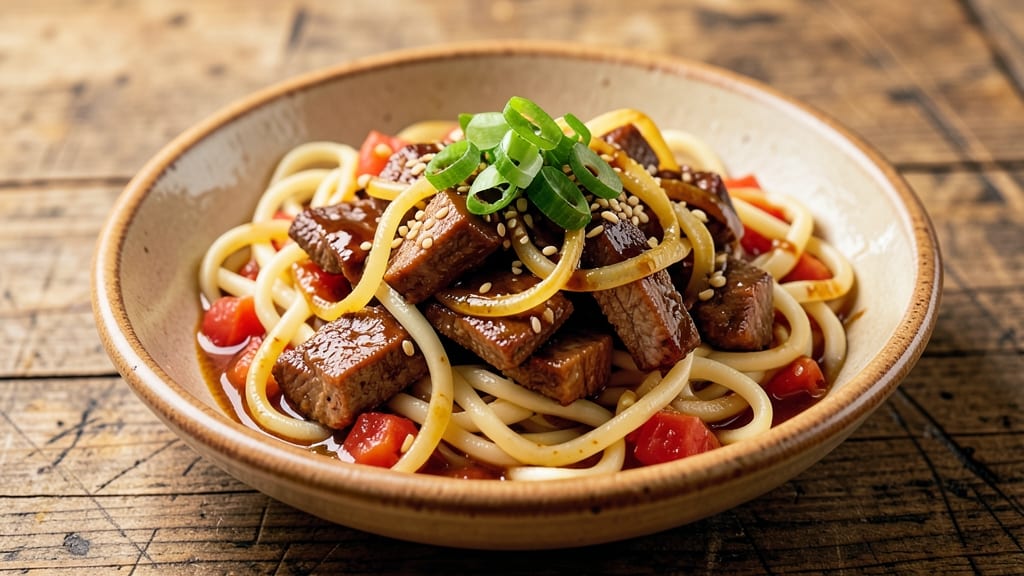
This one-pot canned pork and noodles recipe delivers the soul-warming flavors of Filipino comfort food without the fuss. Growing up in small-town Georgia, I learned how versatile pork could be—whether slow-cooked or quick-simmered—and this dish proves just how satisfying simple ingredients can be when combined with the right technique.
The key lies in balancing the rich, savory pork with tender noodles and a broth that's both aromatic and deeply flavorful.
What makes this recipe truly special is its adaptability—whether you're craving a quick weeknight meal or preparing for a family gathering, the 30-minute preparation time ensures dinner is ready without sacrificing depth of flavor.
The canned pork, often overlooked, becomes the star when simmered with garlic, onions, and a splash of soy sauce, creating a broth that clings to every strand of noodle. The simplicity of the method doesn't compromise on taste; instead, it highlights the natural richness of the ingredients.
By the time you're done, you'll have a steaming pot of golden noodles swimming in a savory broth, topped with tender pork pieces that have absorbed all the aromatic flavors.
The dish is hearty enough to stand alone but pairs beautifully with a simple side salad or steamed vegetables for a well-rounded meal. This is the kind of comfort food that brings people together—warm, satisfying, and impossible to resist.
The beauty of this recipe lies in its flexibility. You can adjust the heat with chili flakes, add a splash of calamansi for brightness, or even swap in fresh herbs for extra freshness.
It’s the kind of meal that tastes even better the next day, making it perfect for meal prep or leftovers. Let’s get cooking!
Ingredients for canned pork and noodles
Simple pantry staples transform into a rich, comforting Filipino one-pot meal.
| Ingredient | Amount | Notes |
|---|---|---|
| Canned Pork 🥓 | 1 lb | Filipino-style, drained |
| Egg Noodles 🍜 | 8 oz | Medium or wide egg noodles |
| Yellow Onion 🧅 | 1 whole | Medium size, diced |
| Garlic Cloves 🧄 | 4 cloves | Minced for aroma |
| Canned Diced Tomatoes 🍅 | 14 ½ oz | With juices, no salt added |
| Soy Sauce 🥢 | 2 tbsp | Light or regular |
| Fish Sauce 🐟 | 1 tbsp | Red Boat preferred |
| Vegetable Oil 🫒 | 2 tbsp | For sautéing |
| Salt 🧂 | ½ tsp | Adjust to taste |
| Black Pepper 🌶️ | ¼ tsp | Freshly ground |
| Green Onions 🧅 | 2 whole | Chopped, for garnish |
| Calamansi Juice 🍋 | 1 tbsp | Or lime juice substitute |
| Chili Flakes 🔥 | ½ tsp | Optional for heat |
The canned pork is the star—Filipino-style with visible fat and flavor. Look for brands like Datu Puti or Lilipili at Asian markets, or swap in regular canned ham if needed. Fresh garlic and onions are non-negotiable for that deep, aromatic base. I always grab Red Boat fish sauce when possible—it's worth the splurge for that umami punch. The egg noodles should be medium-width (about 0.125-inch thick) to soak up all the broth without turning mushy.
No Filipino fish sauce? Soy sauce plus a dash of Worcestershire gets you close. Substitute canned tomatoes with tomato paste plus water if you're avoiding added sodium. Calamansi juice unavailable? Lime or lemon juice works, though it won't be identical. For extra richness, add a splash of coconut milk—just don't tell anyone I said that. The chili flakes can be omitted entirely if you prefer mild flavor, but trust me, they add just the right kick without overpowering.
This dish tastes even better the next day as flavors meld. Store leftovers in an airtight container for up to 4 days in the fridge. For meal prep, portion into containers with a thin layer of oil on top to prevent drying. Freezes beautifully for 3 months—just thaw overnight in the fridge before reheating. Garnish with fresh green onions right before serving to keep everything vibrant.
Why You'll Love This Recipe
- Pantry Magic: I swear by this recipe when my fridge is bare but my wallet isn’t. Open a can of pork, grab a box of noodles, and boom—you’ve got dinner. No last-minute grocery runs, no fancy ingredients, just pure convenience.
- Tomato-Garlic Kiss: That little can of diced tomatoes and a couple of garlic cloves? They transform this dish. The acidity cuts through the richness of the pork, while the garlic adds this warm, savory depth that makes every bite feel like a hug.
- Lunchbox Hero: Between us, this is my go-to for meal prep. Cold or reheated, it’s always a hit—pack it for work, toss it in a thermos, or serve it at a potluck. The noodles hold up, and the flavors only get better the next day.
- Budget Win: Honestly, I make this when I’m pinching pennies, and it never feels like I’m sacrificing. A can of pork, a bag of noodles, and a few pantry staples feed four for under $10. That’s a steal for something this satisfying.
Step-by-step instructions for one-pot Filipino canned pork noodles
This simple method delivers restaurant-quality Filipino comfort food in a single pot.
Prepare the Base with Aromatics
Heat the 2 tablespoons vegetable oil in a large pot over medium-high heat. Add the 1 whole yellow onion that's been diced and cook for 3-4 minutes until the edges turn translucent and slightly golden. This develops the onion's natural sweetness while preventing a raw onion taste in the final dish.
Add the 4 cloves garlic cloves that have been minced and stir for 30 seconds until fragrant. Watch carefully—garlic burns quickly. The moment you detect that rich, toasty aroma, it's time to move to the next ingredient. This quick cooking preserves the garlic's flavor without bitterness.
Sauté the Canned Pork
Add the 1 lb canned pork (drained) to the pot and stir to coat in the onion-garlic mixture. Cook for 2-3 minutes until the pork pieces are evenly heated through and begin to develop a light golden crust. The pork should release easily from the pot when stirred—this indicates it's ready for the next step.
Here's where the flavor builds: the pork absorbs the aromatic base while those onion and garlic bits cling to the meat. Don't skip this step—it's what transforms simple canned pork into something special. If you notice any particularly oily pork pieces, blot them gently with a paper towel before adding to prevent the sauce from becoming too greasy later.
Build the Sauce Foundation
Pour in the 14.5 oz canned diced tomatoes (with juices) and stir to combine. Add the 2 tablespoons soy sauce, 1 tablespoon fish sauce, 0.5 teaspoon salt, and 0.25 teaspoon black pepper. Bring the mixture to a gentle boil, then reduce heat to medium-low and let it simmer uncovered for 5 minutes. This allows the flavors to meld while some of the liquid reduces, creating a more concentrated sauce.
Taste the sauce at this stage—it should be tangy from the tomatoes, salty from the soy and fish sauce, and properly seasoned. If you're using 0.5 teaspoon chili flakes, add them now and stir. The sauce will continue to develop flavor as we cook, but this initial seasoning ensures balanced taste from the beginning. If you prefer less heat, omit the chili flakes entirely.
Cook the Noodles to Perfection
Add the 8 oz egg noodles to the pot and stir gently to coat them in the sauce. The noodles should be completely submerged—if not, add ½ cup water to the pot. Return to a gentle simmer and cook for 8-10 minutes, stirring occasionally, until the noodles are tender and the sauce has thickened slightly to coat them.
Here's the key to perfect texture: the noodles should be al dente when they first absorb the sauce, then finish cooking in the residual heat. They'll continue to soften slightly even after removing from heat. Taste one noodle—it should be tender but still offer a slight resistance when bitten. If you prefer softer noodles, add 2-3 tablespoons water during the last minute of cooking.
Finish and Garnish
Remove the pot from heat and stir in the 1 tablespoon calamansi juice. This bright citrus note cuts through the richness of the pork and noodles, balancing the dish perfectly. The juice will mingle with the sauce, creating a glossy finish that signals the dish is complete.
Divide the noodles among serving bowls and garnish each portion with chopped green onions. The fresh green color contrasts beautifully with the rich brown tones of the pork and noodles, while the mild onion flavor adds another layer of complexity. Serve immediately while the noodles are hot and the sauce is at its peak flavor—this dish tastes best straight from the pot.
Pro Tips For Making Canned Pork And Noodles
- Drain and Rinse the Pork: That canned pork comes packed in syrup or brine, and if you skip rinsing, your dish will taste like a candy store exploded. Drain it, then give it a quick cold-water rinse—especially if the label says "sweetened." Pat it dry after, or it’ll steam like a sad soup instead of caramelizing like it should.
- Sauté Onions Low and Slow: I learned this the hard way—cranking the heat to get those onions soft fast just burns them into bitter sludge. Keep it at medium-low, stir often, and let them cook for 8–10 minutes until translucent but not brown. You want flavor, not smoke alarms.
- Crush Garlic Cloves (Don’t Mince): Whole garlic cloves won’t infuse the dish like you need them to. Smash them with the flat side of your knife first, then mince—this releases more oil and flavor. If you’re lazy, peel and lightly crush them with a garlic press, but don’t skip the crushing step entirely.
- Toss Noodles in the Sauce: Dumping dry noodles into simmering sauce is a one-way ticket to mushy disaster. Cook them al dente, then drain and immediately toss them in the pan with the pork and tomatoes. The residual heat will finish them off while absorbing all that delicious sauce—no soggy bottoms here.
Essential equipment for canned pork and noodles
Large Pot Essentials
Start with a 5-quart Dutch oven or large stainless steel pot with a tight-fitting lid—these distribute heat evenly and help build rich flavors. I swear by my All-Clad 5.5-quart pot for this recipe, but any heavy-bottomed pot with at least 3-quart capacity works.
The pot should fit comfortably on your stovetop without crowding, allowing room for stirring and sauce reduction. 🔥
Knife and Cutting Skills
A sharp 8-inch chef's knife is non-negotiable for dicing onions and mincing garlic quickly. I recommend the Mac Knife Professional—it stays sharp longer and handles like a dream. For garlic, a garlic press saves time, but I still prefer mincing by hand for better texture control.
Practice makes perfect here, especially when you're working with 3-4 minutes of active cooking time for aromatics.
Measuring Tools
Precision matters with seasonings, so invest in a set of stainless steel measuring spoons (I use OXO Good Grips) and a digital kitchen scale for accuracy with soy sauce and fish sauce.
The 1 tablespoon of fish sauce can make or break the dish—too little and it's bland, too much and it's overpowering. A fine-mesh strainer also comes in handy if you want to remove any large pork fat pieces for a cleaner presentation.
Wooden Spoon Must-Have
Use a heat-resistant wooden spoon (I prefer Ozeri Wooden Spoons) to stir the noodles without scratching your pot. Wood distributes heat better than metal and prevents sticking. The spoon should be at least 12 inches long to reach all corners of your pot.
I keep mine near the stove at all times—it's my go-to tool for one-pot dishes like this.
Citrus Juicer
A handheld citrus juicer (like the OXO Good Grips) makes extracting 1 tablespoon calamansi juice effortless. If you can't find calamansi, a reamer-style juicer works for lime or lemon.
Fresh citrus juice brightens the dish, so don't substitute with bottled juice—it lacks the necessary acidity and freshness. This small tool elevates the final dish from good to exceptional. 💫
Optional Upgrades
For extra flavor control, a small saucepan lets you reduce sauces separately if needed. A ladle with a strainer helps portion noodles evenly. And if you're making this often, a steamer basket lets you cook noodles separately for better texture control.
My vintage Lodge cast iron pot handles everything perfectly, but modern nonstick pots work too—just avoid cheap, warped ones that trap flavors unevenly.
Nutrition facts
Frequently asked questions
Can I use regular canned ham instead of Filipino-style canned pork?
Yes, but expect slightly different flavor and texture. Filipino-style canned pork has more visible fat and a richer taste from the curing process. For a closer match, use spiced ham or country-style ham and add an extra ½ teaspoon smoked paprika to mimic the depth. The dish will still work, but the broth won't be as aromatic.
How do I make this dish spicier without overpowering it?
Start with ½ teaspoon chili flakes and taste before adding more. For heat without bitterness, stir in 1 teaspoon sambal oelek during the last 2 minutes of cooking. Or add ½ teaspoon cayenne pepper to the sauce foundation. Remember: spices build flavor—add them gradually!
Can I prepare this ahead of time for meal prep?
Cook the noodles 1 minute less than directed, then store in an airtight container with a thin layer of oil on top. Reheat with 2 tablespoons water per serving until hot. The flavors actually improve overnight as the sauce melds. For best texture, don't reheat more than once.
What's the best way to serve this dish for a crowd?
Double the recipe and use a large stockpot (at least 8-quart) to keep everything hot. Serve family-style with individual bowls and a side of steamed bok choy or quick-pickled cucumbers. For presentation, garnish with extra green onions and a sprinkle of toasted sesame seeds. The communal style makes it perfect for gatherings!
Why does my sauce sometimes turn out too thin?
This usually happens when noodles absorb too much liquid. Next time, cook the noodles separately for 1 minute less than package instructions, then add them to the pot just to warm through (2-3 minutes). For extra thickness, stir in 1 teaspoon cornstarch mixed with 1 tablespoon water during the last minute of cooking.