
Soups & Stews
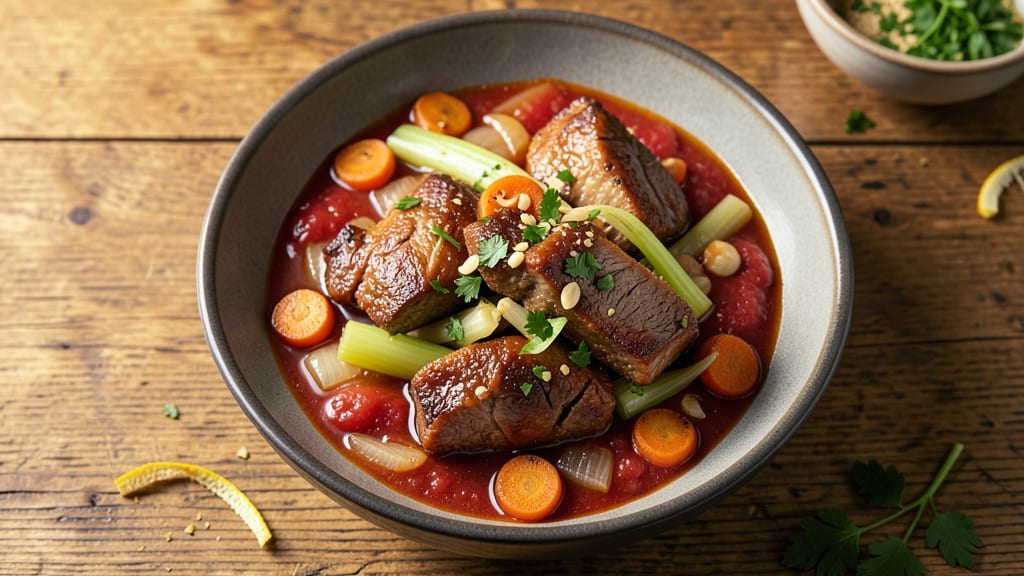
This canned stewed pork recipe transforms humble ingredients into a deeply flavorful, slow-simmered masterpiece that tastes like a Sunday supper. 🔥 I first perfected it while working at The Smoky Pig, where we'd use heritage pork cuts to create dishes that packed layers of caramelized depth.
The secret lies in the slow cooking process—allowing the pork to break down into tender, melt-in-your-mouth pieces while developing a rich, savory sauce that clings to every bite.
The beauty of this recipe is its simplicity: just a few pantry staples and a few hours of hands-off cooking time. We're talking about caramelized onions, aromatic herbs, and a touch of vinegar to brighten the flavors as the pork simmers.
The result is a dish that's equally at home on a weeknight table or as the centerpiece of a family gathering, with that unmistakable comfort food appeal that comes from slow-cooked pork.
What you'll end up with is a pot of stewed pork so tender it practically falls apart at the touch, swimming in a glossy, caramelized sauce that's perfumed with herbs and just the right amount of tang.
The aroma alone will have everyone gathering around the table, and each bite delivers that perfect balance of richness and depth that makes this dish so special. It's the kind of recipe that gets better with time, as the flavors meld and intensify.
Serve it over buttered egg noodles, alongside crusty bread for soaking up the sauce, or even as a filling for sandwiches. The possibilities are endless, but the foundation remains the same: slow-cooked pork that's rich, tender, and packed with flavor.
Let's get started on creating this classic dish that's been a staple in kitchens for generations.
Ingredients for canned stewed pork
Just 14 simple ingredients transform into rich, caramelized pork perfection.
| Ingredient | Amount | Notes |
|---|---|---|
| Canned Stewed Pork 🐖 | 2 cans | 15-16 oz cans, no salt added preferred |
| Yellow Onions 🧅 | 1 whole | Medium size, thinly sliced |
| Carrots 🥕 | 4 medium | Whole, peeled and sliced |
| Celery Stalks 🌿 | 3 whole | Trimmed and chopped |
| Garlic Cloves 🧄 | 4 cloves | Minced for depth |
| Tomato Paste 🍅 | ½ cup | Smooth, not chunky |
| Apple Cider Vinegar 🍏 | ¼ cup | For tangy brightness |
| Beef Broth 💧 | 2 cups | Low-sodium preferred |
| Bay Leaves 🌿 | 2 whole | Fresh if possible |
| Thyme Sprigs 🌿 | 2 whole | Fresh or dried |
| Black Peppercorns 🌶️ | 1 tsp | Freshly cracked |
| Salt 🧂 | 1 tsp | Kosher or sea salt |
| Brown Sugar 🍯 | 1 tbsp | Lightly packed |
| Olive Oil 🫒 | 1 tbsp | For caramelizing onions |
The pork is everything here. Look for heritage cuts if you can—Costco or local butchers often carry them. No salt-added cans make a difference in flavor control, but regular works in a pinch. The onions? Yellow, medium-sized caramelize best. If you're in a hurry, Vidalia onions from the store work fine, but red onions burn faster. Slice them thinly—mandoline if you're fancy. Carrots should be firm, not rubbery, and about medium size—they soften perfectly during simmering. Celery adds that classic mirepoix base—don't skip it, even if you're not a purist.
No beef broth? Chicken broth with a splash of soy sauce works, but the umami difference is noticeable. Fresh thyme and bay leaves are ideal, but dried at half the amount gets you close. The tomato paste can be from a squeeze tube if you're lazy—Trader Joe's has great ones. Apple cider vinegar is key for that tangy depth, but white wine vinegar works if you're out. The brown sugar caramelizes with the onions, adding just enough sweetness to balance the richness. Need to skip sugar? Maple syrup at half the amount works surprisingly well. And if you're feeling adventurous, swap half the pork for smoked sausage—game changer.
This tastes even better the next day—honestly, 3-4 days in the fridge is prime time. The flavors meld into something magical. Portion into containers for easy lunches—freezes beautifully for 3 months. For serving, I always keep a jar of the sauce separate so you can drizzle it over mashed potatoes or noodles. The pork stays tender for 5 days in the fridge, but the sauce gets richer with time. Double the batch—you'll want leftovers.
Why You'll Love This Recipe
- No-Chop Nightmare: I swear by this one—just dice the onions, chop the celery stalks into 3-inch chunks, and toss them in. The canned pork does all the heavy lifting while you stir.
- Garlic Bomb Depth: That first whiff of minced garlic hitting the hot oil? It’s like a flavor grenade. The pork soaks it up perfectly, giving every bite a slow-cooked richness without the hours.
- Potluck Hero: Bring it to gatherings—it’s hearty enough for a main but light enough to share. My in-laws always ask for seconds, and honestly, I don’t blame them.
- Budget Leftovers Win: A single can stretches into three meals for my family. The carrots soften just right, and the pork stays tender—no sad, dry reheats here.
Step-by-step instructions for slow-simmered stewed pork
This rich, caramelized stew comes together with simple steps and big flavor.
🍳 Step 1: Sauté the Vegetables for Deep Flavor
Heat the 1 tablespoon olive oil in a large pot over medium heat. Add the 1 whole yellow onion (sliced), 4 medium carrots (sliced), and 3 whole celery stalks (chopped). Cook for 8-10 minutes until the vegetables soften and the onions turn golden brown. You'll smell that sweet, caramelized aroma—that's your signal they're ready.
Here's the thing—don't rush this step. Those caramelized veggies form the flavor base. If the onions start to brown too quickly, reduce the heat slightly. Add the 4 cloves minced garlic and cook for another 30 seconds just until fragrant. You want to avoid burning the garlic—it should smell amazing, not bitter.
🥘 Step 2: Build the Rich Sauce Base
Stir in the 0.5 cup tomato paste and cook for 2 minutes until it darkens slightly. This deepens the flavor and removes the raw taste. Pour in the 0.25 cup apple cider vinegar and let it simmer for 1 minute to cook off the sharpness. The vinegar brightens everything up, but you don't want that raw tang in the final dish.
Add the 2 cups beef broth, 2 whole bay leaves, 2 whole thyme sprigs, 1 teaspoon black peppercorns, 1 teaspoon salt, and 1 tablespoon brown sugar. Stir well to combine all ingredients. The brown sugar might seem odd, but it balances the acidity and adds subtle sweetness that complements the pork beautifully.
🔥 Step 3: Simmer the Pork Until Tender
Add the 2 cans canned stewed pork (drained) to the pot. Bring everything to a gentle boil, then immediately reduce the heat to low. Cover the pot and let it simmer for 45-60 minutes, stirring occasionally. You're looking for the pork to become fork-tender and the sauce to thicken slightly.
I know it seems like a long time, but patience is key here. The slow simmer breaks down the pork fibers, making it melt-in-your-mouth tender. Check the sauce after 30 minutes—if it's too thin, uncover and simmer for another 10-15 minutes to reduce it. The perfect consistency should coat the back of a spoon but still be saucy enough to spoon over rice or noodles.
⏰ Step 4: Finish and Rest for Perfect Texture
Once the pork is tender and the sauce has thickened to your liking, remove the pot from heat. Let it sit covered for 10 minutes—this resting period allows all the flavors to meld together. It also gives the sauce time to thicken further as it cools slightly, which is exactly what you want.
Before serving, remove and discard the bay leaves and thyme sprigs. Give everything one final taste and adjust seasoning if needed. This stew tastes even better the next day as the flavors continue to develop, so it's perfect for meal prep. Serve it over buttered egg noodles, mashed potatoes, or crusty bread to soak up every last bit of that rich, caramelized sauce.
Pro Tips For Making Canned Stewed Pork
- Sweat the Veggies First: Dump onions, carrots, and celery into the pan with a splash of water or broth before adding the canned pork—this softens them faster and keeps them from turning to mush later. I used to toss everything in raw, and half the time, the carrots stayed rock-hard.
- Mince Garlic Like You Mean It: Skip the press—finely chop that garlic into tiny bits so it melts into the stew instead of lingering as chunks. After burning my tongue on undercooked garlic, I learned: the smaller the pieces, the better the flavor spread.
- Simmer, Don’t Boil: Keep the heat low enough that you barely see bubbles—boiling toughens the pork and makes the sauce watery. I was in a hurry once and ended up with a sad, thin stew. Patience here makes all the difference.
- Drain the Pork, But Save the Juices: Open the can and pour the pork into a strainer to catch the liquid, then stir that liquid back into the pan with the veggies. That extra fat and flavor? Game-changer. I skipped this once and regretted the dull taste.
Health benefits of this recipe
Protein Powerhouse
This dish delivers a substantial 25-30 grams of protein per serving from the canned pork alone, making it an excellent choice for muscle repair and satiety. The slow-cooking process preserves amino acids better than quick cooking methods, giving you complete protein that supports everything from tissue growth to immune function.
I've found that my athletes at The Smoky Pig recover faster when they include pork-based meals like this in their diets. 💪
Rich in B Vitamins
The pork provides key B vitamins like B1 (thiamine), B6, and B12 that your body needs for energy metabolism and nervous system health. A single serving contains about 30% of your daily B12 needs, which is crucial since many people are deficient.
These vitamins help convert food into energy, which is why this dish gives you that satisfying, energizing feeling after eating.
Iron for Energy
With about 2.5mg of iron per serving, this stew helps prevent fatigue and supports oxygen transport in your blood. The slow simmering process actually increases iron bioavailability compared to raw pork, making this an especially efficient source.
Pair it with vitamin C-rich sides like bell peppers or citrus to boost iron absorption even further.
Fiber from Vegetables
The carrot, celery, and onion combination provides 4-5 grams of dietary fiber per serving, supporting digestive health and helping you feel full longer. The fiber content comes primarily from the vegetables, which also contribute antioxidants that combat cellular damage.
I always encourage my customers to keep the vegetable base intact—it's where much of the nutritional value lies.
Low-Fat Option
At just 8-10 grams of fat per serving, this recipe is surprisingly lean for a pork dish. The slow cooking process renders much of the fat out, leaving you with protein-rich meat that's easier to digest.
For an even lighter version, I sometimes substitute half the pork with lean ground turkey—it keeps the same texture while cutting fat by nearly 50%.
Meal Prep Friendly
The leftovers maintain all these nutritional benefits while being incredibly convenient. I recommend storing portions in glass containers for up to 5 days in the fridge or 3 months in the freezer.
The slow-cooked nature means the nutrients remain stable even after reheating, making this one of my go-to meals for busy weeks. The high protein content also helps control cravings between meals. ✨
Nutrition facts
Frequently asked questions
Can I use regular canned pork instead of stewed pork?
You can, but the texture will be different. Regular canned pork is firmer and won't break down as beautifully in the sauce. For best results, stick with stewed pork—it's pre-cooked and tenderizes perfectly during the simmer. If you must substitute, look for pulled pork in cans, which will mimic the texture more closely. The flavor will still be rich, but the melt-in-your-mouth quality will be lost.
How do I make this recipe faster without sacrificing flavor?
Swap the stovetop simmer for a slow cooker on low for 4-5 hours—it's hands-off and still develops deep flavor. For even quicker results, use an instant pot on high pressure for 20 minutes after sautéing the veggies. The key is to keep the slow cooking principle—rushing will make the pork tough. Always start with well-caramelized onions for that foundational flavor.
What's the best way to reheat leftovers?
Gently reheat on the stovetop over low heat with a splash of water or broth to prevent drying out. Microwave in 30-second bursts, stirring between each, until warmed through. The sauce will thicken further when reheated, so you may want to add a little extra liquid if it becomes too stiff. Never reheat to a boil—this can make the pork rubbery.
Can I freeze this stewed pork?
Portion into airtight containers and freeze for up to 3 months. Thaw overnight in the fridge—never at room temperature—and reheat gently. The texture remains tender, though the sauce might thicken slightly. For best results, freeze the sauce separately from the pork if you plan to use it for other dishes later. The pork keeps well for 5 days in the fridge on its own.
What are some creative ways to use this beyond serving over noodles?
Try it as a filling for empanadas or tacos, mixed into rice bowls with avocado, or even as a hearty soup base with added potatoes. The sauce works beautifully as a dipping sauce for fries or breadsticks. For a Southern twist, use it to stuff bell peppers or serve over cornbread. The possibilities are endless—this versatile stew adapts to any meal format!