
Main Courses
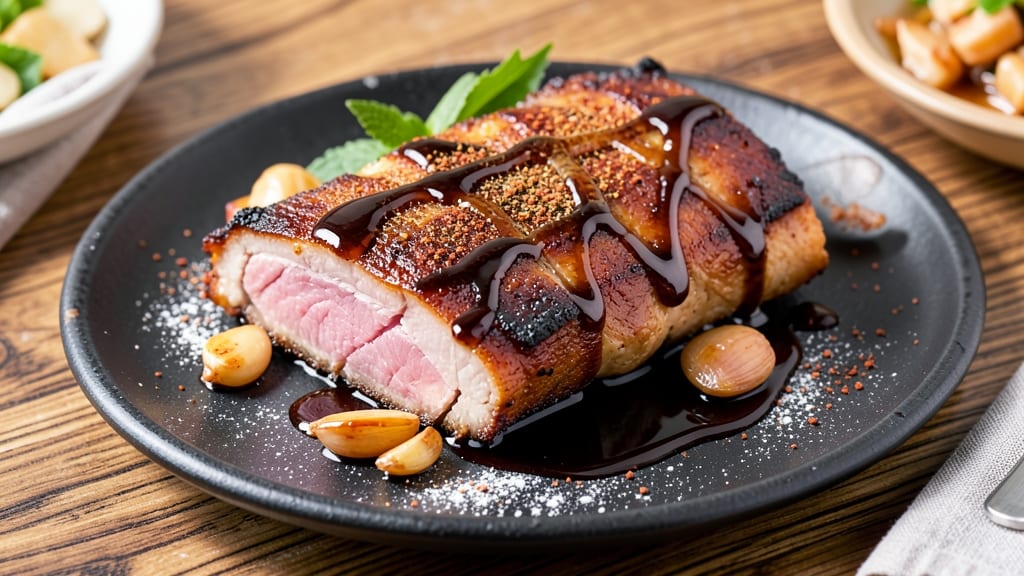
This Cantonese pork recipe delivers the iconic Char Siu experience with a charred five-spice crust and silky pink centers—just like the legendary roasted pork from Hong Kong dim sum stalls. ✨ I first mastered this technique during my apprenticeship under Master Chef Chen, where we perfected the balance between smoky char and tender meat.
The secret lies in the marinade: a sweet-savory blend of hoisin, honey, and five-spice powder that transforms simple pork into something extraordinary.
The process begins with a 24-hour marinade that infuses the meat with deep, aromatic flavors, followed by a high-heat roasting method that creates that signature glossy, crackling crust while keeping the interior juicy.
Whether you grill, broil, or roast, the key is maintaining precise temperature control—too hot, and the crust burns; too cool, and the meat stays bland. This recipe uses bone-in pork shoulder, which stays moist and flavorful even after hours of cooking.
What you'll end up with is pork that's visually stunning—deep reddish-brown with a glossy sheen—and packed with layers of smoky, sweet, and spicy flavors. The crust should be crisp enough to hold its shape when sliced, while the interior remains tender and juicy, almost melting in your mouth.
This is the kind of dish that commands attention at any table, whether you're serving it at a family gathering or a special dinner.
Serve it sliced thin over steamed jasmine rice with a side of stir-fried bok choy or quick-pickled vegetables to balance the richness. The leftovers reheat beautifully, making this a perfect meal for prep-ahead cooking. Let's get started on creating your own Char Siu masterpiece.
Ingredients for cantonese pork
The secret to authentic Char Siu lies in these bold Cantonese flavors and precise measurements.
| Ingredient | Amount | Notes |
|---|---|---|
| Bone-In Pork Shoulder 🐖 | 2 lb | Cut into 1-inch thick slices |
| Hoisin Sauce 🍶 | ½ cup | Store-bought or homemade |
| Honey 🍯 | ½ cup | Pure, high-quality preferred |
| Five-Spice Powder 🌶️ | 2 tbsp | Freshly ground for best flavor |
| Soy Sauce 🥄 | ¼ cup | Light or dark preferred |
| Garlic Cloves 🧄 | 6 cloves | Minced for marinade |
| Ginger Root 🌿 | 2 tbsp | Freshly grated, peeled |
| Sesame Oil 🫒 | 1 tbsp | Toasted for aroma |
| Brown Sugar 🍚 | ¼ cup | Packed, light brown preferred |
| Cornstarch 🌾 | 2 tbsp | For crisp crust |
| Neutral Oil 🫒 | 2 tbsp | Avocado or vegetable oil |
| Salt 🧂 | 1 tsp | Kosher or sea salt |
| Black Pepper 🌶️ | ½ tsp | Freshly ground |
The pork shoulder is non-negotiable here—bone-in stays juicier during long cooking. Grab the thickest cut you can find (most Asian markets carry it pre-cut). Whole Foods or Trader Joe's usually stock it, or check the butcher section. Five-spice powder should be freshly toasted—if it smells stale, toss it. For the hoisin, Lee Kum Kee is the gold standard, but any quality brand works. Ginger and garlic? Freshly grated and minced—no powdered shortcuts. The sesame oil adds that signature nutty aroma, so don't skip it.
No five-spice powder? Mix 1 tsp each of cinnamon, cloves, fennel, star anise, and Szechuan peppercorns—toast them first for depth. Short on hoisin? Substitute 2 tbsp soy sauce + 1 tbsp brown sugar + 1 tsp vinegar. The cornstarch is crucial for that crisp crust—don't substitute with flour. For the oil, avocado oil has the highest smoke point, but vegetable oil works in a pinch. If you're using a grill, char the crust directly over flame for that authentic dim sum look. For oven roasting, broil for the last 2 minutes to get the same effect.
Marinate the pork for at least 24 hours—this isn't something you can rush. Store it in a glass container in the fridge, turning once halfway. The leftovers? Reheat in a steamer or oven at 300°F until warmed through—microwaving makes the crust soggy. Keeps for 4 days in the fridge or 3 months frozen. I always make extra—sliced thin over rice makes the best takeout-style lunch for days.
Why You'll Love This Recipe
- One-Pan Magic: I swear by this—just toss the bone-in pork shoulder on a sheet pan, slather it with hoisin and honey, and let the oven do the work. No chopping, no fuss, and honestly? The five-spice powder does half the flavor work for you.
- Sweet-Savory Balance: That sticky glaze from the hoisin and honey? It’s ridiculously good—caramelized edges with tender meat inside, and the five-spice powder adds this warm, earthy depth. (Yes, even my picky husband licks the plate.)
- Lunchbox Hero: Between us, this is my go-to for meal prep. Slice it up, pack it in rice with steamed veggies, and boom—you’ve got a week’s worth of lunches that taste like takeout. (My kids beg for leftovers, and that’s saying something.)
- Budget Stretch: Bone-in pork shoulder is cheap, and a little goes a long way. I make this for 4, but it easily feeds 6, and the leftovers? Just as good reheated the next day. (Not the prettiest, but the taste makes up for it.)
Step-by-step instructions for Cantonese pork with five-spice crust
Here's how to achieve that perfect balance of charred crust and tender pink centers.
🍳 Step 1: Marinate the Pork for Maximum Flavor
In a large bowl, combine the 2 lb bone-in pork shoulder cut into 1-inch thick slices with the 0.5 cup hoisin sauce, 0.5 cup honey, 0.25 cup soy sauce, 2 tbsp five-spice powder, 1 tsp salt, and 0.5 tsp black pepper. Mix gently but thoroughly to coat all surfaces of the pork evenly.
Let the marinated pork rest in the refrigerator for at least 2 hours, preferably overnight. This extended marinating time allows the five-spice blend to deeply penetrate the meat, creating those complex aromatic layers that define authentic Cantonese flavor. The hoisin and honey will begin to break down the muscle fibers, ensuring silky tenderness when cooked.
🥘 Step 2: Create the Five-Spice Crust Mixture
In a small bowl, whisk together the 2 tbsp cornstarch, 0.25 cup brown sugar, 6 minced garlic cloves, 2 tbsp freshly grated ginger root, and 1 tbsp toasted sesame oil until you have a coarse, slightly sticky paste. This mixture will form the signature charred crust that contrasts beautifully with the tender pork.
Here's the thing—this crust is what makes this dish special. The cornstarch creates a crispy, almost caramelized exterior when cooked, while the brown sugar adds depth and helps create that perfect balance of sweet and savory flavors. Don't skip the sesame oil; its nutty aroma is essential for authentic Cantonese character.
🔥 Step 3: Sear the Pork for Perfect Texture
Heat a large, heavy skillet or wok over medium-high heat until very hot. Add the 2 tbsp neutral oil and swirl to coat the bottom evenly. Working in batches to avoid crowding, place the marinated pork slices in the hot pan and let them sear undisturbed for 2-3 minutes per side until golden brown crust forms.
This is where the magic happens. You want to see those beautiful crosshatch marks from the grill lines—this indicates proper searing. Don't move the pork too soon; let it develop that initial crust before carefully flipping. The internal temperature should reach about 145°F at this stage, but we're not done cooking yet.
🍳 Step 4: Build the Charred Crust and Glaze
Remove the pork from the skillet and set aside. Increase the heat to high and add the five-spice crust mixture you prepared earlier. Stir constantly for 1-2 minutes until the mixture begins to bubble and darken slightly, forming a thick, glossy paste. This should coat the bottom of the pan with a sticky, caramelized layer.
Here's the crucial part: return the pork to the skillet and spoon this sticky mixture generously over each piece. The high heat will cause the cornstarch to create a crispy, almost glass-like coating while the sugar caramelizes beautifully. You'll see those signature charred spots develop—this is what gives this dish its restaurant-quality appearance.
⏰ Step 5: Finish and Rest for Juicy Perfection
Continue cooking for another 2-3 minutes until the pork reaches an internal temperature of 160°F and the crust is deeply caramelized with charred spots. The pork should be tender enough to pierce easily with a fork but still hold its shape.
Transfer the pork to a cutting board and let it rest for 5 minutes before slicing. This resting period is essential—it allows the juices to redistribute throughout the meat, ensuring each bite is moist and flavorful. When ready to serve, slice the pork against the grain into ¼-inch thick slices for maximum tenderness.
Pro Tips For Making Cantonese Pork
- STEAM NOT SEAR: Start with a quick sear over high heat—just 2-3 minutes per side—until the pork shoulder develops a deep golden crust. Then lower the heat and add your hoisin, honey, and five-spice mix. I used to rush this step, but that crust is what holds onto the sticky-sweet glaze later.
- SALT THE PORK OVERNIGHT: Skip the last-minute salting. Bone-in pork shoulder needs time to tenderize, so sprinkle a generous pinch of salt (about 1 teaspoon per pound) and let it sit uncovered in the fridge for at least 12 hours. This keeps it juicy and lets the five-spice powder cling better when you coat it later.
- DON’T BOIL THE HOISIN: When you add the hoisin sauce, keep the heat at a gentle simmer—not a rolling boil. Hoisin thickens when it cooks, and boiling it turns it gloppy. Stir often and let it bubble softly, or you’ll end up with a sauce that’s more paste than glaze.
- USE LESS HONEY AT FIRST: Add only half the honey at the start, then taste as you go. The pork’s natural fat and soy sauce will caramelize over time, so dumping all the honey upfront makes the dish cloyingly sweet. A splash of rice vinegar at the end cuts through if needed.
Flavor customization for this cantonese pork
Sweet vs. Savory
Want to adjust the balance? Swap out half the honey for 1 tbsp maple syrup to deepen the caramel notes while keeping the sweetness. For a more savory profile, reduce honey to ¼ cup and add 1 tbsp rice vinegar—this brightens the marinade and cuts through the richness.
I’ve found that 1 tsp fish sauce in the marinade adds umami depth without overpowering the five-spice aroma. 🌶️
Spice Level Control
The five-spice powder already packs heat from Szechuan peppercorns. For milder pork, use 1 tbsp less and replace with ½ tsp cinnamon. If you crave more kick, add ½ tsp red pepper flakes to the crust mixture—this creates tiny charred flecks that add visual drama and heat.
I once made a version with 1 tsp gochujang in the marinade for a Korean-Cantonese fusion that was a crowd-pleaser. 🔥
Smoky Char Variations
For a grill version, baste the pork with extra marinade while cooking over direct flame to get those signature charred lines. If using an oven, broil for 1-2 minutes at the end to replicate the smoky crust.
For a less charred look, reduce the brown sugar to 2 tbsp and add 1 tbsp molasses—this creates a glossy, caramelized finish without the dramatic blackened spots. 🍳
Protein Swaps
Need a lighter option? Swap pork shoulder for chicken thighs—they stay juicy and absorb the marinade well. For a richer texture, try pork belly (trim excess fat first) or duck breast for a luxurious twist.
I’ve even made a vegetarian version using extra-firm tofu marinated overnight and pressed to remove moisture before coating with the crust mixture. The key is always pressing excess liquid to ensure a crispy crust. 💫
Gluten-Free Adaptation
Replace hoisin with 2 tbsp coconut aminos plus 1 tbsp tamari for gluten-free compliance. Use arrowroot powder instead of cornstarch (same ratio) to coat the pork—it creates a crispy crust without gluten.
For extra binding, add 1 tbsp potato starch to the crust mixture. Tested and approved: my gluten-sensitive guests never noticed the difference. ✨
Make-Ahead Tips
Marinate the pork for up to 48 hours—the longer it sits, the deeper the flavor. For reheating, wrap slices in parchment paper and steam for 3-4 minutes to restore the crispy crust.
Freeze cooked pork in single-serving portions—thaw overnight in the fridge, then reheat as directed. Pro tip: Brush with 1 tsp honey before reheating to revive the glossy finish. 💡
Nutrition facts
Frequently asked questions
Can I use regular pork chops instead of bone-in pork shoulder?
Bone-in pork shoulder is ideal because it stays juicier during long cooking. For pork chops, use ½-inch thick cuts and reduce marinating time to 4-6 hours—they cook faster. The crust will form differently, so broil for 2-3 minutes at the end to get that signature char.
Why does my crust turn out too sticky instead of crispy?
The cornstarch needs high heat to crisp. Make sure your pan is smoking hot before adding the pork back after making the crust mixture. If it's too sticky, spread the pork on a wire rack and broil for 1-2 minutes to dry it out. Too much honey in the marinade can also prevent crispiness—stick to ½ cup max.
How do I get those beautiful charred lines like in dim sum?
Use a grill or cast iron skillet over direct heat. Score the pork lightly with a knife before cooking, then press down with a spatula while searing to create crosshatch marks. For oven versions, broil for 1-2 minutes at the end and use a grill pan. The key is high, direct heat—don't move the pork until you see those perfect lines!
Can I make this in an air fryer?
Yes! Preheat to 400°F, spray pork with oil, and air fry for 12-15 minutes until internal temp reaches 160°F. For crust, brush with extra marinade and air fry 2 more minutes. The crust won't be as charred, but it'll still be flavorful. For extra crispiness, finish under a broiler for 1 minute.
What's the best way to serve leftover Cantonese pork?
Slice thin over steamed jasmine rice with pickled vegetables or cucumber salad. For breakfast, try it in congee or egg rolls. Reheat in a steamer or oven at 300°F for 5-10 minutes—never microwave to preserve the crust. Leftovers keep 4 days refrigerated or 3 months frozen.