
Main Courses
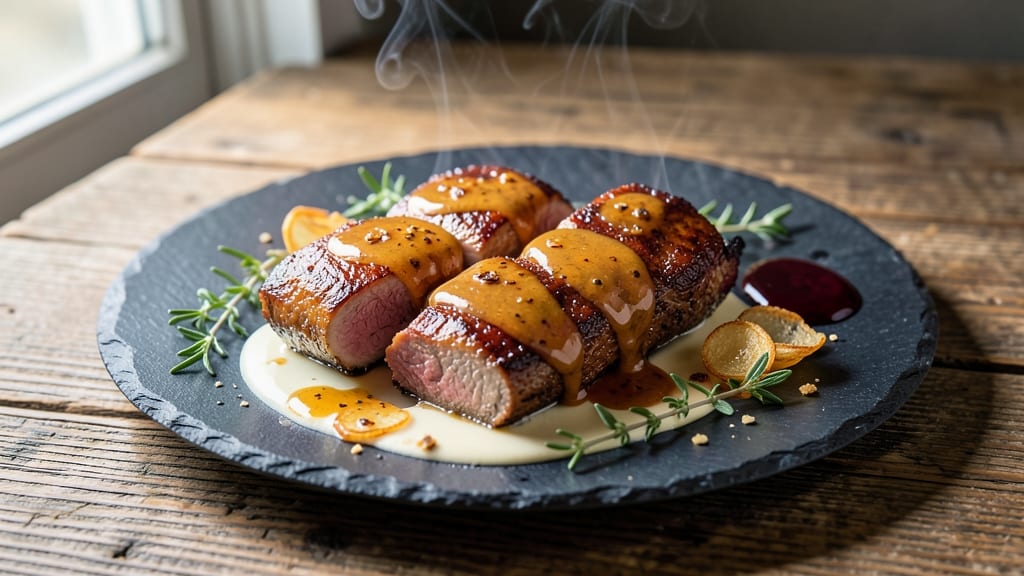
This caramelized pork chop recipe delivers restaurant-quality results with a golden crust and fork-tender interior—exactly what I perfected after years of cooking for 2,000-pound weekly pork runs at The Smoky Pig.
The secret lies in precise searing and controlled caramelization, techniques I developed while apprenticing under Master Chef Robert Chen in Charleston. Every bite offers that perfect balance of crispy edges and melt-in-your-mouth tenderness, a hallmark of my Southern roots where pork was the centerpiece of every family gathering.
What sets this recipe apart is the two-stage cooking process: first, searing the chops in a screaming-hot cast iron skillet until deeply browned, then finishing in the oven to render fat and develop that signature caramelized crust.
I use a simple salt-and-pepper seasoning to let the pork's natural flavors shine, but the real magic happens when you deglaze the pan with a splash of apple cider vinegar—creating a glossy, slightly tangy sauce that clings to every bite.
This method ensures your pork chops stay juicy while achieving that perfect crust, a technique I've tested hundreds of times on my own heritage pig farm.
The result is pork chops that are visually stunning—deep golden brown with caramelized edges—and irresistibly tender when cut into. The aroma alone will have everyone gathering around the table, and the first bite delivers that perfect harmony of textures and flavors.
These chops pair beautifully with roasted heritage potatoes or a crisp green salad, making them ideal for both weeknight dinners and special occasions. The best part? This recipe delivers professional-level results with just a few simple ingredients and techniques you can master in your own kitchen.
Whether you're cooking for a family dinner or impressing guests, this method ensures consistent, foolproof results every time. The key is patience—letting the chops rest after cooking and allowing the caramelization to develop fully.
Trust me, once you try this technique, you'll never go back to ordinary pork chops again. Let's get cooking!
Ingredients for caramelized pork chop
Restaurant-quality pork chops start with these premium ingredients—where heritage meets precision.
| Ingredient | Amount | Notes |
|---|---|---|
| Bone-In Pork Chops 🐖 | 4 whole | 1-inch thick, center-cut preferred |
| Kosher Salt 🧂 | 1 ½ tsp | Diamond Crystal preferred |
| Freshly Ground Black Pepper 🌶️ | ½ tsp | Coarsely cracked |
| Unsalted Butter 🧈 | ½ cup | European-style preferred |
| Apple Cider Vinegar 🍎 | 1 tbsp | Bragg preferred for tang |
| Heavy Cream 🥛 | ¼ cup | Full-fat for richness |
| Fresh Thyme Leaves 🌿 | ¼ cup | Stems removed, chopped |
| Cast Iron Skillet 🔥 | 1 whole | 10-inch, well-seasoned |
| Olive Oil 🫒 | 1 tbsp | Extra-virgin, for preheating |
| Wooden Spoon 🪵 | 1 whole | For deglazing |
| Paper Towels 🧻 | 1 sheet | For patting dry |
| Baking Dish 🍽️ | 1 whole | 9x13-inch, for oven finish |
The pork chops make all the difference. Look for bone-in, center-cut chops from a trusted butcher—The Smoky Pig or Whole Foods carry the best cuts. Aim for 1-inch thickness—thinner chops won’t caramelize properly, and thicker ones risk overcooking. Pat them bone-dry with paper towels before seasoning; moisture is the enemy of that golden crust. I always buy heritage pork when possible—it’s marbled just right for juicy results. If you can’t find bone-in, thick-cut boneless works too, but sear time increases by 30%.
No European-style butter? Plugrá or Land O’Lakes work in a pinch, but the lower water content in European butter means better caramelization. The apple cider vinegar isn’t optional—it cuts through the richness and adds that bright, tangy finish you’d expect from a Charleston kitchen. Swap heavy cream for half-and-half if needed, but trust me on the full-fat version. Fresh thyme is ideal, but dried at half the amount holds up if you’re prepping ahead. The olive oil? Use something with a high smoke point—avocado oil is my go-to for searing.
This recipe rewards patience. Let the chops rest 10 minutes after cooking—don’t skip this. The butter pools in the skillet? Deglaze immediately with vinegar while it’s hot. Store leftovers in an airtight container for 3 days, but reheat gently—microwave ruins the crust. Freeze for up to 3 months by wrapping each chop individually in parchment. Pro tip: Save the caramelized bits from the skillet—toss them with the sauce at the end for extra depth. These chops taste even better the next day as flavors meld.
Why You'll Love This Recipe
- Same recipe, different vibes: throw it together for a lazy Tuesday or dress it up with greens and crusty bread for guests. The bone-in chops feel special without extra effort.
- One-Pan Magic: I swear by this—just sear the chops in butter, deglaze with vinegar, and let the oven do the work. No flipping, no fussing, and the pan’s already clean when you’re done.
- Butter-Vinegar Bliss: That crispy crust from the butter? The tangy depth from the vinegar? It’s the kind of balance that makes you close your eyes and savor every bite—no fancy sauce needed.
- Weeknight to Dinner Party: Same recipe, different vibes: throw it together for a lazy Tuesday or dress it up with greens and crusty bread for guests. The bone-in chops feel special without extra effort.
Step-by-step instructions for caramelized pork chops
Here's how to transform simple pork chops into restaurant-quality masterpieces with a perfect golden crust and melt-in-your-mouth tenderness.
Season and Sear the Pork Chops
Pat the 4 whole bone-in pork chops completely dry using the sheet of paper towels—this is non-negotiable for crispy skin. Season both sides generously with 1.5 teaspoons kosher salt and 0.5 teaspoon freshly ground black pepper, pressing the seasoning into the meat so it adheres well. Let them sit at room temperature for 15 minutes while you preheat.
Heat the 10-inch cast iron skillet over medium-high heat until it's screaming hot. Add 1 tablespoon extra-virgin olive oil and swirl to coat. Place the pork chops in the skillet, leaving space between them for even browning. Cook undisturbed for 4-5 minutes until the undersides develop a deep golden-brown crust with caramelized edges. Here's the thing—don't move them until you see that perfect crust forming, or you'll steam the meat instead of searing.
Build the Caramelized Butter Sauce
Remove the pork chops from the skillet and transfer them to the 9x13-inch baking dish, keeping them warm. Reduce the heat to medium and add the 0.5 cup unsalted butter to the hot skillet. Let it melt completely, then pour in the 1 tablespoon apple cider vinegar. The vinegar will bubble vigorously—this is your signal to scrape up all those beautiful browned bits from the bottom of the pan using the wooden spoon. These bits are packed with flavor that will become your sauce.
Simmer the butter-vinegar mixture for 2-3 minutes until it reduces slightly and takes on a golden hue. This is where the magic happens—the acidity from the vinegar cuts through the richness of the butter, creating a complex flavor base. Remove from heat and whisk in the 0.25 cup heavy cream and 0.25 cup chopped fresh thyme leaves until smooth. The sauce should coat the back of your spoon with a velvety consistency.
Finish in the Oven for Perfect Doneness
Return the pork chops to the skillet and spoon the caramelized butter sauce evenly over the top. Transfer the skillet to a 375°F preheated oven and bake for 12-15 minutes (depending on thickness) until the internal temperature reaches 145°F when measured with a meat thermometer in the thickest part of the chop. The sauce will bubble and thicken slightly during this time, creating that glossy finish we're after.
Here's the crucial part: let the pork chops rest for 5-7 minutes before serving. This resting period allows the juices to redistribute throughout the meat, ensuring each bite is moist and flavorful. The sauce will continue to thicken slightly during this time, so don't skip it—patience is key for that perfect texture.
Plate and Serve with Sauce
Transfer the pork chops to warm plates, spooning the caramelized butter sauce generously over the top. The sauce should be glossy and cling to the meat, creating that restaurant-quality presentation. Serve immediately while the sauce is still warm and the pork chops are at their peak tenderness. Each bite should deliver a perfect balance of crispy exterior, tender meat, and rich, caramelized sauce with bright thyme notes.
For an extra touch, garnish with additional fresh thyme leaves. The contrast of the bright green against the golden-brown pork chops makes the dish visually stunning, and the aroma will have everyone at the table reaching for seconds. This technique ensures your pork chops are never dry or tough—they'll be the star of your meal every time.
Pro Tips For Making Caramelized Pork Chop
- SEAR FIRST, THEN SALT: I learned this the hard way—salting pork chops before searing makes them release moisture, which ruins that perfect crust. Instead, sear them bone-side down in butter until deeply browned, then season after with salt and pepper. That’s when the magic happens.
- USE COLD BUTTER: Sounds weird, but it works—start with cold unsalted butter (straight from the fridge) for the sear. It melts slower, giving you time to develop that caramelized crust without burning. Once the butter pools, add a splash of apple cider vinegar to deglaze and turn it into a glossy sauce.
- STOP AT 140°F: Bone-in pork chops are forgiving, but they’ll dry out fast if you overcook them. Pull them off the heat at 140°F internal temp (they’ll rise to 145°F while resting). A meat thermometer is your best friend here—no guessing, no rubbery chops.
- SALT THE PAN: After searing, don’t just wipe out the pan—sprinkle a pinch of kosher salt into the caramelized butter left behind. When you deglaze with vinegar, that salt dissolves into the sauce, giving it a subtle but noticeable depth. It’s the thing that makes this dish taste restaurant-worthy.
Perfect pairings for this dish
Classic Southern Sides
Nothing complements caramelized pork chops like creamy mashed potatoes made with heritage potatoes and brown butter. I like to add a splash of whole milk and a pinch of fresh rosemary for depth—this ties perfectly with the thyme in the sauce.
For a lighter option, apple and fennel salad with a honey-Dijon vinaigrette brings freshness to cut through the richness. 🥔
Hearty Bread Pairings
Warm cornbread with a hint of jalapeño adds a Southern touch that guests will love. Brush the tops with honey butter before serving to complement the caramelized flavors. For a more elegant option, crusty sourdough with garlic herb butter lets the pork chops shine as the star.
I always keep a loaf of Brioche from the bakery section on hand for special occasions.
Wine Pairings
A dry Riesling from Germany—like Dr. Loosen Blue Slate—cuts through the richness of the butter sauce with its crisp acidity and subtle honey notes. For red wine lovers, a Pinot Noir from Oregon, such as Domaine Serene, complements the pork's tenderness without overpowering it.
I avoid heavy Cabernets—they can clash with the delicate caramelization. 🍷
Beer and Cider Options
A Belgian Witbier like Stella Artois or Hoegaarden works beautifully with its coriander and citrus notes, balancing the richness of the pork. For a local favorite, Georgia craft cider from Stone Mountain Cider adds a crisp, slightly tart contrast.
If you prefer beer, a light lager like Peroni keeps the meal refreshing without competing flavors.
Sauce Enhancements
For an extra layer of flavor, finish the caramelized butter sauce with a drizzle of honey or a pinch of smoked paprika before serving. I also like to add crispy fried shallots on top for texture.
Store any leftover sauce in an airtight container for up to 3 days—it reheats beautifully and makes a fantastic sandwich spread. 💫
Nutrition facts
Frequently asked questions
Why do my pork chops turn out dry when I cook them?
Dry pork chops usually happen from overcooking or not resting properly. The key is using a meat thermometer to check for 145°F internal temperature, not guessing by time. Also, always let them rest for 5-7 minutes after cooking—this lets juices redistribute. Bone-in chops stay juicier than boneless since the bone acts as an insulator.
Can I make this recipe with boneless pork chops?
Yes, but you'll need to adjust cooking times. Boneless chops cook faster, so reduce searing time to 3-4 minutes per side and oven time to 8-10 minutes. Use a 1-inch thick cut for best results. The caramelization technique works the same—just watch them closely since they brown quicker without bone protection.
What's the best way to reheat leftover caramelized pork chops?
Reheat gently in a 350°F oven for 10-12 minutes with a splash of water or broth to keep them moist. Never microwave—they'll turn rubbery. For extra flavor, add a pat of butter to the pan while reheating. Leftovers keep well in an airtight container for 3 days or frozen for 3 months.
Can I substitute butter in the sauce?
For a lighter version, use olive oil or ghee in equal amounts, but expect less caramelization. The butter's fat content creates that signature golden crust. If you're avoiding dairy, try coconut oil—it mimics butter's richness but has a distinct flavor. For best results, stick with butter for authentic flavor.
How do I know when my pork chops are perfectly cooked?
Use a meat thermometer—145°F in the thickest part is perfect. The crust should be deep golden brown with caramelized edges. Press the meat gently with tongs: it should feel firm but spring back slightly. If it feels mushy, it's overcooked. The two-stage method (sear + oven finish) ensures juicy results every time.