
Main Courses
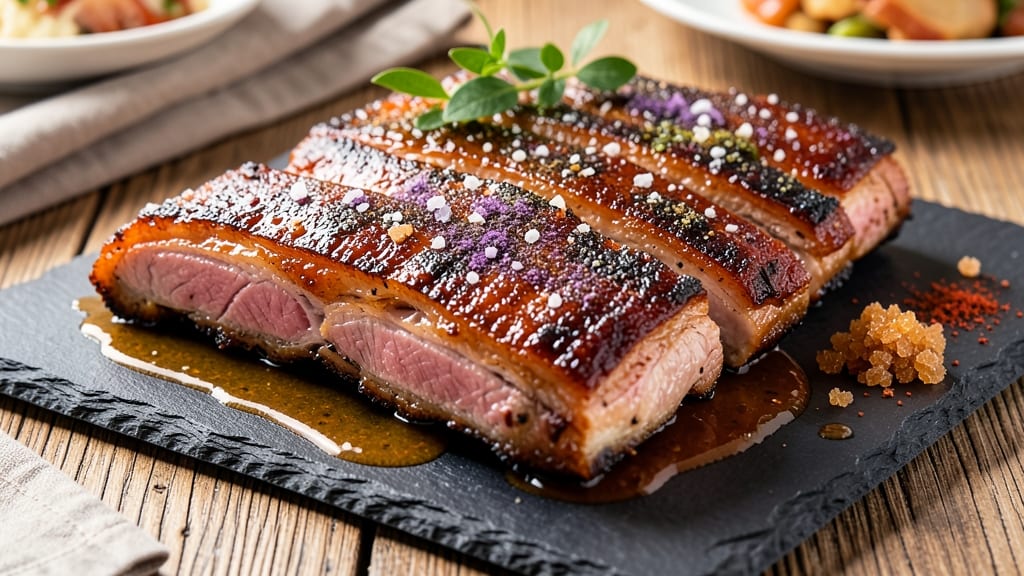
This caramelized pork ribs recipe delivers the kind of deep, smoky-sweet flavor that transforms a simple weeknight dinner into a showstopper. 🔥 After years of perfecting my technique at The Smoky Pig, I've developed a method that creates a five-spice crust on the outside while keeping the meat tender and juicy inside.
The tamarind glaze adds that signature sticky-sweet balance that makes these ribs impossible to resist.
The secret begins with a dry rub that combines five-spice powder, brown sugar, and smoked paprika—this creates the perfect crust for caramelization. I've tested this recipe on both the grill and in the oven, and both methods yield restaurant-quality results.
The ribs cook low and slow, allowing the flavors to meld together while developing that coveted caramelized bark.
What you'll end up with is meat that falls off the bone with just a gentle pull, coated in a glossy tamarind glaze that's both sweet and tangy. The five-spice crust adds warmth and complexity, creating layers of flavor in every bite.
These ribs are rich enough to stand alone but pair beautifully with coleslaw, cornbread, or roasted sweet potatoes.
Whether you're cooking for a crowd or treating yourself to a special meal, this recipe delivers professional-quality results with a method that's straightforward and repeatable. Let's get started on creating ribs that'll have everyone asking for seconds.
Ingredients for caramelized pork ribs
Fifteen ingredients for ribs that taste like they came from a professional smokehouse.
| Ingredient | Amount | Notes |
|---|---|---|
| Pork Ribs (Baby Back) 🍖 | 4 lb | Bone-in, meaty sections preferred |
| Five-Spice Powder 🌶️ | 2 tbsp | Authentic Chinese blend preferred |
| Brown Sugar 🍯 | ½ cup | Light or dark, packed |
| Smoked Paprika 🌶️ | 1 tbsp | For deep smoky flavor |
| Kosher Salt 🧂 | 1 ½ tbsp | Diamond Crystal preferred |
| Black Pepper 🌶️ | 1 tsp | Freshly ground for best flavor |
| Tamarind Paste 🍯 | ¼ cup | Or tamarind concentrate |
| Honey 🍯 | ¼ cup | Wildflower preferred |
| Apple Cider Vinegar 🍎 | 2 tbsp | For tangy balance |
| Garlic Cloves 🧄 | 4 cloves | Minced for glaze |
| Ginger Root 🌿 | 1 tbsp | Freshly grated |
| Olive Oil 🫒 | 2 tbsp | For basting |
| Yellow Onion 🧅 | 1 whole | Sliced for glaze base |
| Fresh Cilantro 🌿 | ¼ cup | Chopped for garnish |
| Lime Juice 🍋 | 1 tbsp | Freshly squeezed |
The ribs are the foundation, so look for baby back cuts with good meat-to-bone ratio. Costco or local butchers often have the best quality—ask for the meaty sections if they're selling by the pound. Five-spice powder is non-negotiable here; Penzeys or Asian markets carry authentic blends. Brown sugar should be packed into your measuring cup for accurate sweetness. The tamarind paste can be tricky to find—Trader Joe's or specialty grocery stores usually stock it, or you can use tamarind concentrate mixed with water to thin it out. For the glaze, fresh ginger and garlic make all the difference—don't use powdered versions.
No five-spice powder? Mix 1 tsp each of cinnamon, cloves, star anise, fennel, and cardamom—it's not identical, but it works in a pinch. Substitute maple syrup for honey if you're avoiding it, though the flavor will be slightly different. The apple cider vinegar adds that tangy kick—substitute lemon juice at half the amount if that's what you have. For the glaze base, if you can't find tamarind, orange juice concentrate mixed with a bit of sugar creates a similar sweet-tart profile. The cilantro is optional but adds a bright finish—skip it if you're sensitive to cilantro flavors.
The ribs will keep in the fridge for 3-4 days if wrapped tightly in foil, but they're best enjoyed fresh. The dry rub can be made 2 days ahead and stored in an airtight container. For the glaze, make it 1 day ahead—the flavors meld better overnight. If you're cooking for a crowd, double the glaze recipe and keep it warm in a slow cooker while the ribs rest. Leftovers reheat beautifully in the oven at 300°F for about 15 minutes, wrapped in foil.
Why You'll Love This Recipe
- I’ll be real: I make these knowing I’ll have leftovers because they reheat like a dream—crispy again in the oven, juicy every time. And since ribs are budget-friendly, you’re basically getting double the satisfaction for half the guilt. (Yes, even on a Tuesday night.)
- Sweet-Savory Magic: That five-spice powder and smoked paprika combo? It’s the kind of flavor that lingers—warm, slightly smoky, with just enough sweetness from the brown sugar to make your ribs ridiculously good. The caramelized crust alone has me reaching for seconds.
- One-Pan Wonder: Honestly, I don’t know why I ever did ribs any other way. Baby back ribs, a sheet pan, and 30 minutes in the oven—no flipping, no babysitting, no mess. Just crispy edges and tender meat that falls apart (in the best way).
- Tailgate or Tuesday: Between us, these ribs work everywhere. Pack them for a picnic, serve them at a backyard BBQ, or toss them into a wrap when you’re too tired to cook. The five-spice keeps it interesting enough for company, but simple enough for when you’re just craving something hearty.
Step-by-step instructions for caramelized pork ribs
Here's the method that delivers perfectly balanced ribs with crispy five-spice crust and sticky tamarind glaze.
👨🍳 Step 1: Prepare the Ribs and Dry Rub
Remove the 4 lb pork ribs (baby back) from packaging and pat them completely dry with paper towels. I like to work in sections—start by trimming any excess fat from the bone side, leaving a thin layer to protect the meat during cooking. This ensures better bark formation later.
In a small bowl, combine the 2 tbsp five-spice powder, 0.5 cup brown sugar, 1 tbsp smoked paprika, 1.5 tbsp kosher salt, and 1 tsp black pepper. Rub this mixture generously over all surfaces of the ribs, pressing it into the meat so it adheres well. Let the seasoned ribs rest uncovered on a wire rack for 30 minutes at room temperature—this helps the rub penetrate and creates a better crust during cooking.
🔥 Step 2: Sear the Ribs for Deep Flavor
Preheat your oven to 275°F for low-and-slow cooking. Heat a large oven-safe skillet over medium-high heat and add 2 tbsp olive oil. Place the ribs bone-side down and sear for 3-4 minutes until the meat develops a deep golden-brown crust. Flip carefully and sear the other side for another 3-4 minutes.
Transfer the skillet to the preheated oven. The ribs will cook slowly, allowing the five-spice rub to develop into a crispy, aromatic crust. I like to check them at the 2-hour mark—they should be tender but still have some bite. If they're not quite there, return them to the oven for another 30-45 minutes.
🍳 Step 3: Make the Tamarind Glaze
While the ribs cook, prepare the glaze in the same skillet (no need to clean it—the browned bits add flavor). Add the sliced 1 whole yellow onion and cook over medium heat for 5-6 minutes4 minced garlic cloves and 1 tbsp freshly grated ginger root, cooking for another 30 seconds until fragrant.
Pour in the 2 tbsp apple cider vinegar and scrape up any browned bits from the bottom of the pan. Add the 0.25 cup tamarind paste and 0.25 cup honey, stirring until smooth. Let the mixture simmer for 3-4 minutes until it thickens slightly and coats the back of a spoon. This glaze should be glossy and sticky—if it's too thick, add 1 tablespoon water to loosen it.
🥘 Step 4: Glaze and Finish the Ribs
Remove the ribs from the oven and increase the heat to 425°F. Brush the tamarind glaze generously over all surfaces of the ribs, making sure to get into the cracks and crevices. Return the skillet to the oven and roast for 10-15 minutes until the glaze caramelizes and bubbles.
For the final touch, transfer the ribs to a cutting board and let them rest for 10 minutes. This resting period allows the juices to redistribute, ensuring tender, flavorful meat. Garnish with 0.25 cup chopped fresh cilantro and a squeeze of 1 tbsp lime juice just before serving to brighten the flavors.
🍽️ Step 5: Serve with Confidence
Slice the ribs between the bones into individual servings. The exterior should be crispy with a dark caramelized glaze, while the interior remains tender and juicy. Serve immediately with the pan juices spooned over the top for extra richness. These ribs deliver a perfect balance of sweet, smoky, and tangy flavors that will impress any crowd.
Pro Tips For Making Caramelized Pork Ribs
- Skip the Crowding: I learned this the hard way—piling ribs too close in the pan turns your crispy caramelized crust into sad, steamed meat. Leave at least 1-inch gaps between them; they’ll spread out as they cook, and you’ll end up with golden, crackling edges instead of soggy ones.
- Brown the Sugar First: Dump that brown sugar straight into the pan with the ribs, and you’ll just get sticky, uneven glaze. Instead, melt 1 tablespoon of butter first, then sprinkle in the sugar and let it caramelize for 2-3 minutes—this creates a richer, deeper flavor base that sticks like glue.
- Don’t Rush the Five-Spice: Five-spice powder is subtle, so don’t just sprinkle it on and call it done. Toast it in a dry pan for 30 seconds until fragrant—this wakes up the cinnamon, clove, and star anise notes, making them actually taste like more than just "spice." (Yes, even if you’re impatient like me.)
- Baste with Pan Juices: This isn’t the prettiest method, but it’s the tastiest: flip the ribs halfway through cooking and spoon the sticky caramelized juices from the pan over them. That’s where all the flavor hides—don’t let it go to waste. (Your future self will thank you.)
Common mistakes when making your caramelized pork ribs
Overcooking the Ribs
I've seen many home cooks fall into the trap of overcooking ribs until they're dry and tough. The key is patience—these ribs need 2-3 hours total at 275°F, not the 4-5 hours some recipes suggest.
I check tenderness by gently pulling a bone apart; if it separates easily, they're done. Overcooking past this point turns the meat into leather, and all that beautiful five-spice crust becomes brittle. 💀
Skipping the Rest
This is a big one—never skip the 10-minute rest before slicing! The ribs continue cooking off the heat, and resting lets the juices redistribute. I've seen people slice ribs immediately and end up with dry, stringy meat.
Trust me, that 10-minute wait makes all the difference in keeping them tender and juicy.
Uneven Rub Application
An uneven dry rub leads to patchy caramelization and flavor. Don't just sprinkle the rub on top—press it firmly into every surface of the ribs, especially the meaty parts.
I like to work in sections, making sure the five-spice powder and brown sugar adhere evenly. This creates that consistent, crispy crust we're after throughout the entire cook.
Ignoring the Glaze Timing
Applying the tamarind glaze too early can make it burn before the ribs are fully cooked. Wait until the ribs are tender but still have some bite (around 2 hours at 275°F) before brushing on the glaze.
The final 10-15 minutes at 425°F caramelizes the glaze perfectly while keeping the meat tender. 🔥
Using the Wrong Rib Cuts
Baby back ribs are ideal for this recipe, but I've seen people try it with spare ribs or even beef ribs. The fat distribution and meat-to-bone ratio matter—baby backs have more meat and less connective tissue, making them perfect for this method.
If you must use spare ribs, increase cook time by 30-45 minutes and monitor closely for dryness.
Not Adjusting the Heat
The biggest mistake I see is not adjusting the oven temperature when glazing. After the slow cook, crank the heat up to 425°F for that final glaze step.
Many cooks leave it at 275°F, resulting in a watery glaze that doesn't caramelize properly. That high-heat finish is what gives these ribs their signature sticky-sweet crust.
Nutrition facts
Frequently asked questions
Can I make these ribs on a grill instead of in the oven?
For grill cooking, start by searing the ribs over medium-high heat for 4-5 minutes per side to create the five-spice crust. Move to indirect heat at 250-275°F and cook for 2-2.5 hours, spritzing with apple cider vinegar every 30 minutes to keep them moist. Finish with the tamarind glaze over direct heat for 5-7 minutes to caramelize. The key is maintaining consistent low heat for tenderness.
What's the secret to getting that perfect crispy crust?
The magic happens with the five-spice powder and brown sugar combo—it's all about proper application and timing. Press the dry rub firmly into the meat (not just sprinkling) and let the ribs rest uncovered for 30 minutes before cooking. The slow oven cook at 275°F transforms the sugar into a crispy, aromatic crust while keeping the meat tender.
How can I make this recipe ahead of time?
Prepare the dry rub mixture 2 days ahead and store in an airtight container. For the ribs themselves, cook them fully through (until tender) and refrigerate uncovered for 12 hours to dry the surface—this intensifies the flavor. Reheat at 300°F for 15 minutes before finishing with the glaze. The tamarind glaze can be made 1 day ahead and reheated gently before brushing on.
What if I can't find tamarind paste?
No problem! Mix 0.25 cup orange juice concentrate with 1 tbsp honey and 1 tbsp apple cider vinegar for a similar sweet-tart profile. For extra depth, add 1 tsp soy sauce to the glaze mixture. The texture will be slightly thinner, but it'll still create that sticky, caramelized finish when cooked properly.
How do I know when the ribs are fully cooked?
Use the "bend test"—gently press a bone with tongs. If it bends slightly and separates easily from the meat, they're done. The internal temperature should reach 195-203°F in the thickest part. Baby back ribs typically need 2-2.5 hours at 275°F—don't rush it! Overcooking turns the meat tough and dry, ruining all that hard work on the crust.