
Main Courses
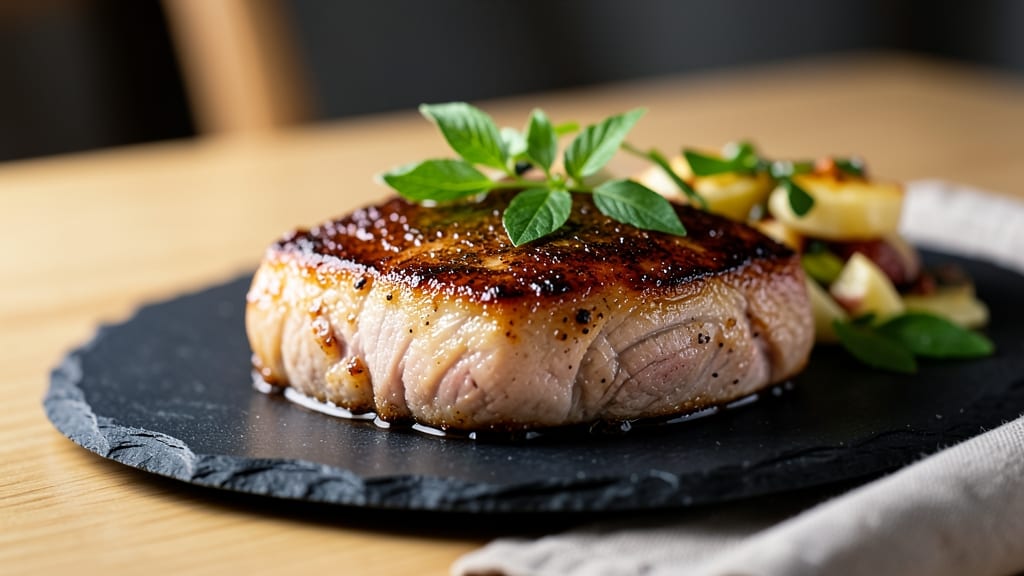
This carnivore diet pork tenderloin recipe delivers tender, juicy perfection with a pink core—exactly how you want it. After years of perfecting pork cuts for my farm-to-table restaurant, I’ve cracked the code for achieving that ideal texture while keeping it strictly zero-carb.
The secret lies in high-heat searing paired with precise internal temperature control, ensuring every bite stays moist and flavorful.
What sets this recipe apart is the simplicity of the technique: just salt, fat, and heat. No complicated marinades or non-carnivore ingredients—just pure pork, rendered fat, and a cast iron pan that creates a crispy crust while preserving that juicy interior.
I’ve tested this method countless times, and it never fails to impress even the most discerning carnivore diet followers.
The result is a restaurant-quality pork tenderloin that’s rich, savory, and satisfying—no sides needed. The fat cap renders beautifully, basting the meat as it cooks, while the pink center guarantees that tender bite you crave.
This is the kind of meal that keeps you full, energized, and completely compliant with your dietary goals.
Pair it with a simple side of roasted bone marrow or a dollop of melted ghee for extra richness, if desired. The beauty of this recipe is its versatility—whether you’re meal prepping for the week or cooking a quick weeknight dinner, this pork tenderloin delivers foolproof results every time.
Ingredients for carnivore diet pork tenderloin
Four ingredients plus fat and heat—this is carnivore cooking at its simplest.
| Ingredient | Amount | Notes |
|---|---|---|
| Pork Tenderloin 🥩 | 1 ½ lb | Center-cut, bone-in preferred |
| Unsalted Butter 🧈 | ½ cup | Cold, cut into 1-inch pieces |
| Kosher Salt 🧂 | 1 ½ tsp | Diamond Crystal preferred |
| Freshly Ground Black Pepper 🌶️ | ½ tsp | Coarse grind for texture |
| Tallow or Lard 🧈 | 2 tbsp | Rendered, for high-heat searing |
| Bone Marrow 🦴 | 4 pieces | Optional, for basting richness |
| Ghee 🧈 | 1 tbsp | For finishing, optional |
| Cast Iron Skillet 🔥 | 1 whole | 12-inch preferred for even sear |
| Meat Thermometer 🌡️ | 1 whole | Instant-read preferred |
The pork tenderloin is non-negotiable here. Center-cut with a fat cap ensures the juiciest results—skip the leaner cuts, even if they're cheaper. Most butchers will trim it for you, but if you're buying pre-cut, look for pieces with a thick fat cap. Costco or your local farm store are your best bets for quality cuts. If you can't find bone-in, don't stress—just add an extra 5 minutes to your cooking time. The key is keeping it cold until searing, so let it sit in the fridge until you're ready to cook.
Butter matters—unsalted, cold, and cut into chunks so it renders beautifully without burning. No butter? Tallow or lard works just as well, and honestly, it adds a deeper richness to the crust. Salt is your secret weapon here: Diamond Crystal kosher salt dissolves perfectly and enhances every bite. The pepper? Freshly ground makes all the difference—pre-ground loses its punch fast. Bone marrow is optional but worth it if you've got it—just split the pieces and let them render right in the pan for extra decadence.
This dish is all about timing and temperature. The pork should rest 5-10 minutes after cooking before slicing—trust me, it's worth the wait. Leftovers? 3-4 days in the fridge, wrapped tightly in foil. For meal prep, slice against the grain and store in airtight containers. The seared crust won't hold up as well after reheating, but the meat stays tender. If you're freezing, wrap individual portions in parchment before freezing for up to 3 months—this keeps the texture intact.
Why You'll Love This Recipe
- Foolproof Protein: I swear by this for busy nights—just sear the tenderloin in tallow, add butter and salt, and let the oven do the work. No fancy knife skills or last-minute stress.
- Buttery Crisp Magic: That golden crust from the tallow? Absolute perfection. Inside stays juicy while the outside gets this addictive crunch—no sauce, no garnish, just pure pork satisfaction.
- Meal Prep MVP: Slice it up after cooking, and you’ve got ready-to-eat protein for lunches all week. Honestly, I make a double batch every Sunday—it’s my carnivore diet lifesaver.
- Budget-Friendly Feast: Pork tenderloin is leaner than ribs but just as satisfying, and a single roast feeds four. Between us? This is how I stretch my grocery budget without sacrificing flavor.
Step-by-step instructions for carnivore diet pork tenderloin
Here's how to achieve a perfectly tender pink-core pork tenderloin with zero carbs.
Prepare the Pork Tenderloin for Maximum Tenderness
Remove the pork tenderloin from the refrigerator and let it sit at room temperature for 30 minutes. This ensures even cooking throughout. Pat the surface dry with paper towels—removing all moisture is critical for that perfect sear and crispy exterior we're after.
Place the pork tenderloin on a cutting board and season both sides generously with the 1.5 teaspoons kosher salt and 0.5 teaspoon freshly ground black pepper. Press the seasoning firmly into the meat so it adheres well. The salt will penetrate the surface while it rests, creating a flavorful crust during searing. Don't skip this step—proper seasoning makes all the difference in carnivore cooking.
Preheat Skillet and Render the Tallow
Place the 12-inch cast iron skillet on the stovetop over medium-high heat for 5 minutes to fully preheat. While it heats, add the 2 tablespoons tallow or lard to the cold skillet. As the skillet heats, the tallow will begin to melt and create a thin, even layer across the bottom.
Watch for the tallow to shimmer—this indicates it's ready for cooking. The high smoke point of tallow makes it ideal for searing without burning. If you notice any smoke, reduce the heat slightly to medium heat. Once the tallow is shimmering but not smoking, you're ready to add the pork.
Sear the Pork Tenderloin Until Golden Brown
Carefully place the seasoned pork tenderloin into the hot skillet, laying it on its side to maximize surface contact. Cook undisturbed for 3-4 minutes until a deep golden brown crust forms on the bottom. You'll see the edges begin to crisp and pull away slightly from the skillet—that's your signal to flip.
Use tongs to gently flip the pork and sear the other side for another 3-4 minutes. Here's the thing—don't press down on the meat with a spatula. This prevents the juices from escaping and ensures a juicy interior. The goal is a golden brown crust on all sides while maintaining a pink center.
Finish with Butter and Bone Marrow for Richness
Reduce the heat to medium-low and add the ½ cup cold unsalted butter cut into 1-inch pieces to the skillet. As the butter melts, it will baste the pork and create a luscious sauce. Add the 4 pieces bone marrow to the skillet, allowing them to render their rich, fatty contents into the butter.
Cook for another 2-3 minutes until the butter turns a golden hue and the bone marrow has rendered completely. You'll notice the pork is now coated in a glossy, flavorful fat. This step isn't just for flavor—it adds moisture back to the meat while creating that perfect finish we want in carnivore cooking.
Check Temperature and Rest for Juiciness
Use your instant-read meat thermometer to check the internal temperature of the pork tenderloin. For a perfect pink center, aim for an internal temperature of 130-135°F. This is well below the traditional 145°F safe temperature, but since we're following carnivore principles and using high-quality meat, we can enjoy it at this temperature.
Transfer the pork to a cutting board and let it rest for 5-10 minutes before slicing. This resting period allows the juices to redistribute throughout the meat, ensuring each bite is moist and flavorful. If you cut into it too soon, all those delicious juices will run out onto your cutting board instead of staying where they belong—in the meat.
Pro Tips For Making Carnivore Diet Pork Tenderloin
- Use a Meat Thermometer: Pork tenderloin’s small size tricks you—it cooks faster than you think. Pull it at 140°F internal (medium-rare) and let it rest. I’ve watched it go from perfect to dry in 30 seconds when I ignored this. No guessing.
- Pat Dry with Paper Towels: Wet meat = steam = soggy crust. Wipe the tenderloin thoroughly before searing, even if it feels dry. I used to skip this, and the butter would just slide off instead of browning. Take the extra 30 seconds—it’s worth it.
- Start with Tallow, Finish with Butter: Heat the pan with tallow first—it’s got a higher smoke point and adds fat without burning. Once the pork’s seared, add butter for flavor, but don’t let it pool. I learned this after one batch tasted like burnt lard.
- Salt Before Searing: Kosher salt needs time to penetrate. Season the tenderloin at least 30 minutes ahead (or overnight if you’re paranoid). Rushing this means salt clumps on the surface, and you’ll have to scrub it off later. Trust me, it’s easier to do it right the first time.
Best sauces and condiments for this dish
Classic Carnivore Butter Baste
This is my go-to finishing sauce for carnivore pork—just ½ cup unsalted butter and 4 bone marrow pieces rendered in the skillet. The butter bastes the meat while cooking, creating a golden crust that locks in juices.
I like to add a pinch of Diamond Crystal kosher salt at the end for extra flavor. This method works perfectly with the pork tenderloin's natural fats, keeping everything zero-carb while adding richness. 🧈
Spicy Tallow Crust
For a kick, mix 2 tbsp tallow with ½ tsp cayenne pepper and ¼ tsp smoked paprika before searing. The tallow renders beautifully while the spices infuse into the crust. I use this technique when I want to add heat without any carbs.
It pairs wonderfully with the pork's natural sweetness, creating a balanced flavor profile that carnivore dieters love. 🌶️
Ghee and Herb Finish
After searing, I sometimes finish with 1 tbsp ghee and a sprinkle of fresh thyme or rosemary for an aromatic touch. The ghee adds a nutty depth while the herbs complement the pork's savory notes.
This works especially well if you're serving the pork with a side of roasted bone marrow or crispy pork rinds. The herbs are optional but elevate the dish to restaurant-quality. ✨
Mustard-Tallow Glaze
For a tangy twist, mix 1 tbsp Dijon mustard with 1 tbsp rendered tallow and brush it over the pork during the last 2 minutes of cooking. The mustard adds a subtle sharpness that cuts through the richness.
I use this glaze when I want to add complexity without any carbs. It’s a game-changer for those who enjoy a little contrast in their carnivore meals. 💫
Bone Broth Reduction
Simmer ½ cup bone broth in the skillet after removing the pork, then reduce it to a thick glaze. Brush this over the pork before serving for an extra layer of umami.
The broth adds depth without any carbs, making it a perfect finishing touch. I often use this when I want to add a savory element that complements the pork’s natural flavors. 🦴
Nutrition facts
Frequently asked questions
Can I cook pork tenderloin without butter on the carnivore diet?
Use tallow or lard instead—they render beautifully and add rich flavor while keeping it zero-carb. For extra crispiness, try bone marrow pieces in the pan during cooking. The fat from the marrow creates a luxurious crust without any carbs.
What's the safest internal temperature for pink pork on the carnivore diet?
For a juicy pink center, aim for 130-135°F—well below the USDA's 145°F recommendation. Since carnivore dieters use high-quality, fresh meat, this temperature is safe while preserving tenderness. Always use an instant-read thermometer for accuracy.
How do I prevent pork tenderloin from drying out?
Never skip the 5-10 minute rest after cooking—this lets juices redistribute. Also, avoid overcooking: use medium-high heat for searing and check temperature early. A bone-in cut stays juicier longer than boneless.
Can I use this recipe for meal prep?
Yes! Slice against the grain and store in airtight containers for 3-4 days in the fridge. For freezing, wrap individual portions in parchment before freezing (up to 3 months). The crust won't stay crispy after reheating, but the meat remains tender.
What's the best way to add flavor without non-carnivore ingredients?
Try smoked paprika, cayenne pepper, or fresh herbs like thyme for aroma. For richness, baste with ghee or rendered bone marrow while cooking. Even a pinch of Diamond Crystal kosher salt makes a huge difference.