
Main Courses
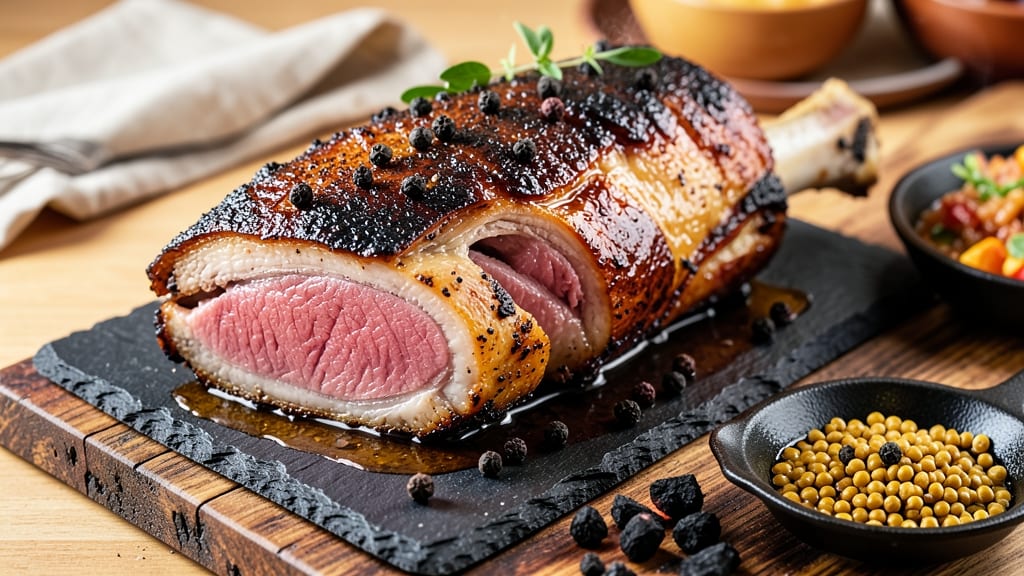
This carnivore pork shoulder recipe transforms tough meat into melt-in-your-mouth perfection through slow-smoking—no grains, no fillers, just pure pork. As someone who's spent years perfecting whole-hog cooking at The Smoky Pig, I know the secret lies in patience and precise temperature control.
The result? A shoulder so tender it practically falls apart at the touch, with a deep, smoky flavor that's pure carnivore heaven.
What sets this recipe apart is the focus on simplicity and technique over complicated seasonings. We're talking minimal prep—just salt, pepper, and time—while the magic happens in the smoker or oven.
The key is maintaining a steady 225°F temperature for hours, allowing collagen to break down into rich, gelatinous goodness that keeps every bite juicy. No added sugars or unnecessary ingredients here; this is pork in its purest, most flavorful form.
The beauty of this method is its versatility. You can serve it sliced for sandwiches, shredded over greens, or as a standalone roast with crispy edges. The texture transforms from slightly firm to fork-tender as it cools, making it perfect for meal prep or feeding a crowd.
What you'll end up with is restaurant-quality pork that rivals any BBQ joint—just without the added carbs or distractions.
Whether you're following a strict carnivore diet or simply love pork that's been cooked with care, this recipe delivers. The process might take time, but the results are worth every minute. Let's get started on creating pork shoulder so tender, it'll change how you think about slow-cooked meat forever.
Ingredients for carnivore pork shoulder
Six ingredients transform tough pork into carnivore perfection—just salt, pepper, and time.
| Ingredient | Amount | Notes |
|---|---|---|
| Bone-In Pork Shoulder 🐖 | 6 lb | Boston butt cut preferred |
| Kosher Salt 🧂 | 1 ½ tbsp | Diamond Crystal preferred |
| Freshly Ground Black Pepper 🌶️ | 1 ½ tsp | Coarse grind preferred |
| Yellow Mustard Seeds 🌶️ | 1 tsp | Optional for subtle flavor |
| Wood Chips (Hickory or Oak) 🌳 | 2 cups | Soaked for 1 hour minimum |
| Charcoal Chunks 🔥 | 2 lb | For smoker or grill |
| Apple Cider Vinegar 🍎 | 2 tbsp | For spritzing during cook |
| Beef or Chicken Fat (Optional) 🧈 | ½ cup | For extra crispy bark |
The pork shoulder is everything here—bone-in Boston butt gives you the best flavor and texture. Grab the thickest cut you can find (usually 6-8 lbs at stores like Costco or Whole Foods), and don’t skimp. The bone adds depth, while the fat cap keeps it juicy. For the salt, Diamond Crystal kosher dissolves better than table salt—trust me on this. If you’re using a smoker, hickory or oak chips are the classic choice, but fruitwoods like cherry add a nice twist. Just make sure to soak those chips for at least an hour before using.
No smoker? Charcoal chunks on a grill work just as well—just bank the coals to one side. Running out of mustard seeds? Skip it entirely—this isn’t a dealbreaker. For that crispy bark, rub the shoulder with beef fat or lard (yes, it’s carnivore-approved) before the final hour of cooking. The apple cider vinegar spritz? That’s optional but adds a bright, tangy note. If you’re short on time, oven method at 225°F works too—just add a water pan to keep moisture in.
This isn’t a meal you’ll eat fresh—it gets better as it rests. Let it cool for 2 hours before shredding, and it’ll practically fall apart. Store leftovers in the fridge for 5-6 days, or freeze for up to 3 months. I always make double batches because it’s perfect for sandwiches, tacos (yes, carnivore tacos), or just straight-up fork-tender bites. The fat renders out during cooking, so you won’t need extra oil—just a paper towel to catch the juices.
Why You'll Love This Recipe
- Smoky Magic: That first bite? Pure satisfaction. The hickory wood chips turn the pork into something so tender it falls apart, but with a crust so crispy it could wake the dead. (Yes, even my picky husband stops mid-sentence to take another bite.)
- Budget Beefcake: A whole pork shoulder for a fraction of the price of steak? Sign me up. The bone-in cut keeps it affordable, and the mustard seeds add just enough flavor to make it feel like a splurge without breaking the bank. (My wallet thanks me every time.)
Step-by-step instructions for slow-smoked carnivore pork shoulder
Here's how to transform a tough cut into melt-in-your-mouth perfection with minimal fuss.
Prep the Pork with the Perfect Rub
Remove the pork shoulder from the fridge and let it sit at room temperature for 30 minutes while you prep everything else. This ensures even cooking from the start. Pat the meat completely dry with paper towels—moisture is the enemy of crispy bark and even smoke penetration. I like to work in sections, wiping down the surface thoroughly to remove any residual water.
In a small bowl, combine the 1.5 tablespoons kosher salt, 1.5 teaspoons freshly ground black pepper, and 1 teaspoon yellow mustard seeds. The mustard seeds add a subtle, complex note that complements the smoky flavor without overpowering. Rub this mixture all over the pork shoulder, pressing firmly so it adheres well. Don't skip this step—proper seasoning ensures flavor penetration and prevents dryness. Let the seasoned pork rest uncovered for another 30 minutes while you prepare your smoker.
Set Up Your Smoker for Low-and-Slow Cooking
While the pork rests, prepare your smoker using the 2 cups soaked hickory or oak wood chips and 2 pounds charcoal chunks. I prefer a two-zone fire setup—one side for indirect heat and one side for direct heat if needed. Light the charcoal first and let it burn until it's covered with white ash, then add the wood chips. Once you see clean, blue smoke (not thick white steam), your smoker is ready.
Set the temperature to 225°F—this low-and-slow approach breaks down the connective tissue for maximum tenderness. Place the pork shoulder fat-side up on the smoker grate. The fat will render slowly, basting the meat and creating that coveted crispy bark. If using the 0.5 cup beef or chicken fat, brush it lightly over the surface now for extra crispiness. Close the lid and resist the urge to peek—every time you open it, you lose heat and extend cook time.
Smoke Until Probe-Tender (The Long Game)
Smoke the pork shoulder undisturbed for 10-12 hours, maintaining a consistent 225°F temperature. This is where patience pays off—low heat ensures the meat cooks evenly without drying out. Every 2 hours, spritz the pork with 2 tablespoons apple cider vinegar using a spray bottle. The acidity helps tenderize the meat and prevents a tough exterior.
You'll know it's ready when the internal temperature reaches 195-203°F and a meat probe slides in like butter with no resistance. This typically takes 12-14 hours total, but don't rush it—the longer it cooks, the more tender it becomes. If the temperature stalls (common around 165°F), wrap the pork tightly in butcher paper and return it to the smoker. This "Texas crutch" helps push through the stall while preserving the bark.
Rest and Slice for Maximum Juiciness
Once probe-tender, remove the pork from the smoker and let it rest for at least 1 hour (I prefer 2 hours) wrapped in butcher paper. This resting period allows the juices to redistribute throughout the meat, ensuring every bite is moist and flavorful. Real talk: Skipping this step means dry, stringy pork—don't be tempted to cut into it early.
Unwrap the pork and locate the grain direction—you'll see lines running through the meat. Using a sharp carving knife, slice against the grain into ¼-inch thick pieces. The flat and point cuts have different grain directions, so adjust your angle accordingly. Serve immediately while still warm, with any accumulated juices spooned over the top. Each slice should pull apart with gentle pressure, not require chewing, and have a dark, smoky bark on the outside.
Pro Tips For Making Carnivore Pork Shoulder
- SMASH THE MUSTARD SEEDS: I learned this the hard way—whole yellow mustard seeds stay stubbornly intact, turning your pork shoulder into a textural oddity. Lightly crush them in a mortar or zip-top bag with a rolling pin first; they’ll bloom into flavor instead of just sitting there like tiny, uncooperative pebbles.
- DON’T SKIP THE DRY BRINE: Pat that pork shoulder thoroughly with paper towels before salting—wet skin means salt slides off instead of sticking. Let it sit unsalted for 30 minutes first, then hit it with kosher salt and black pepper in a thick, even layer. Trust me, your future self will pull apart that crust like a pro.
- START HOT, THEN CHILL: Crank your smoker or grill to 400°F for the first 30 minutes—high heat sears the exterior fast, locking in juices. After that, drop to 225°F and let the wood chips do their magic; rushing the low-and-slow phase is how you end up with dry, sad pork. (Yes, even if you’re impatient like me.)
- REST IT UNDER FOIL: Pull the pork at 195°F internal temp, then tent it loosely with foil for 10 minutes before slicing. I used to cut into it immediately, and the juices would pool like a sad, greasy lake. That short rest keeps everything where it belongs—in the meat, not on your cutting board.
Creative variations of this dish
Carnivore-Style Pulled Pork
Forget the buns—this is pulled pork at its purest. Once your shoulder reaches 203°F, shred it with two forks and serve it as-is, piled high on a plate with a side of crispy pork rinds for dipping.
The smoky depth shines without any sauces or carbs. I love serving this with a simple side of sautéed mushrooms in beef fat to soak up the juices. 🥓
Spicy Chipotle Rub
Swap the mustard seeds for 1 tbsp chipotle powder and ½ tsp cayenne pepper in your dry rub for a smoky, fiery kick. This version works perfectly for carnivore tacos—just serve the shredded pork in lettuce wraps with sliced jalapeños and avocado.
I find Penzeys chipotle powder gives the best heat-to-smoke balance. 🌶️
Oven-Braised Version
No smoker? No problem. Place your seasoned pork shoulder in a Dutch oven with 1 cup beef broth and 2 tbsp apple cider vinegar. Cover and braise at 275°F for 8-10 hours until fork-tender.
The vinegar adds brightness without carbs, and the broth keeps it juicy. This method is foolproof for weeknight carnivore meals.
Heritage Pig Twist
If you're using my Gloucestershire Old Spots pork (or any heritage breed), reduce the salt to 1 tbsp—their leaner muscle retains flavor better. Add 1 tsp dried rosemary to the rub for an earthy note that complements the pork's natural richness.
These pigs have less marbling, so the fat renders more slowly—plan for an extra 1-2 hours of cook time. 🐷
Meal Prep Hack
Double the batch and store in quart-sized glass containers in the fridge for up to 5 days. Reheat in a skillet with 1 tbsp beef tallow until crispy.
I pack this in my lunchbox for carnivore-friendly work lunches—just grab and go. The texture stays perfect when reheated gently, and the flavors deepen overnight. 💪
Nutrition facts
Frequently asked questions
Can I use pork shoulder from the store without trimming the fat?
The fat cap is your friend—it keeps the meat juicy while rendering down during cooking. Just leave it intact and place the shoulder fat-side up on the smoker. The rendered fat will baste the meat naturally, creating that perfect crispy bark. Only trim any large flaps of skin or excess fat that might burn before it renders.
What's the best way to check doneness without a meat thermometer?
Use the "finger test": press your finger into the meat—if it feels soft like butter, it's ready. Alternatively, cut into a small section: the meat should pull apart easily, and the juices should run clear (not pink). For extra confidence, look for a dark, smoky bark that's crispy to the touch. Pro tip: The shoulder should reach 195-203°F internally for perfect tenderness.
How do I fix pork shoulder that's too dry?
If your pork turns out dry, it likely didn't cook long enough or was exposed to too much heat. To salvage it, shred the meat and simmer it in 1 cup beef broth with 1 tbsp apple cider vinegar for 10 minutes to restore moisture. Serve with extra crispy pork rinds on the side to add texture. Prevention is key—never exceed 250°F and always cook to 203°F internal temp.
Can I make this in an Instant Pot instead of smoking?
Yes! Use the "High Pressure" setting for 90 minutes with 1 cup beef broth and 2 tbsp apple cider vinegar. After cooking, let it rest 15 minutes before shredding. The pressure cooker mimics the slow cook, though you'll lose the smoky flavor. For extra depth, finish with a quick sear in a cast iron skillet with wood chips underneath for 5 minutes.
How long can I store leftover pork shoulder?
Store cooked pork shoulder in an airtight container in the fridge for 5-6 days or freeze for up to 3 months. For best quality, portion into individual servings before freezing. Thaw overnight in the fridge, then reheat in a skillet with 1 tbsp beef tallow until crispy. The texture remains tender when reheated properly—just avoid microwaving, which makes it rubbery.