
Sauces & Condiments
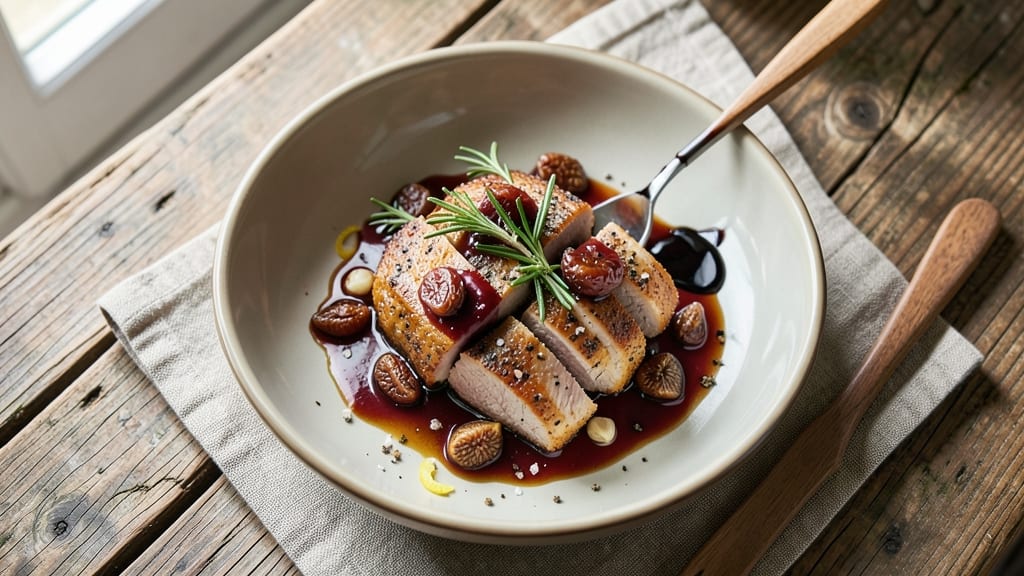
Carrabba's pork tenderloin with fig sauce delivers restaurant-quality sweet-tart perfection at home. The secret lies in a perfectly balanced marinade and a rich fig sauce that caramelizes into a glossy glaze—just like the Italian-American classic.
I've refined this technique over years of cooking for crowds, ensuring tender meat and a sauce that's both bold and harmonious.
The process begins with marinating the pork in a blend of garlic, rosemary, and olive oil for at least 4 hours, allowing the flavors to deeply penetrate.
A quick sear in a hot pan locks in juices before finishing in the oven at 400°F for 20 minutes—resulting in meat that's tender and perfectly pink inside.
The fig sauce, made from dried figs, balsamic vinegar, and a touch of honey, reduces to a velvety consistency that coats every bite.
What makes this dish truly special is the harmony of flavors: the sweetness of the fig sauce cutting through the savory richness of the pork, with herbs adding brightness.
The result is a restaurant-worthy main course that feels like a celebration on your table. Serve with roasted vegetables or creamy polenta to complete the meal.
This recipe delivers professional results without requiring advanced techniques—just patience and attention to detail. The fig sauce can be made ahead, so you can focus on cooking the pork when the time comes. Trust me, once you try this at home, you'll never order out again.
Ingredients for carrabba's pork tenderloin with fig sauce
Restaurant-quality pork tenderloin with a velvety fig sauce—just nine ingredients, maximum flavor.
| Ingredient | Amount | Notes |
|---|---|---|
| Pork Tenderloin 🐖 | 1 ½ lb | Center-cut, trimmed of fat |
| Garlic Cloves 🧄 | 4 cloves | Freshly minced for marinade |
| Fresh Rosemary 🌿 | ¼ cup | Finely chopped, stems removed |
| Extra-Virgin Olive Oil 🫒 | ½ cup | For marinade and searing |
| Dried Figs 🍇 | 1 cup | Chopped, stemmed, high-quality |
| Balsamic Vinegar 🍷 | ½ cup | Aged, for fig sauce depth |
| Honey 🍯 | 2 tbsp | Wildflower preferred |
| Red Wine Vinegar 🍷 | 1 tbsp | For sauce brightness |
| Salt 🧂 | 1 ½ tsp | Diamond Crystal preferred |
| Black Pepper 🌶️ | 1 tsp | Freshly cracked |
| Unsalted Butter 🧈 | 2 tbsp | For pan searing |
| Fresh Thyme Leaves 🌿 | ⅛ cup | Optional garnish |
The pork tenderloin is your star, so pick the center-cut—it's more tender and holds up beautifully. I grab mine from Whole Foods or the butcher counter at Kroger—they usually have it pre-trimmed, which saves time. If you're buying a whole tenderloin, trim away any visible fat or silver skin before slicing. For the figs, Trader Joe's has the best dried figs—plump and sweet, not those shriveled ones. Fresh rosemary? Grab a bunch and use half, saving the rest for other dishes. The secret to great rosemary is giving it a quick whack with a rolling pin to release the oils before chopping.
No fresh rosemary? Dried works at one-third the amount, but it won't have the same aroma. Short on balsamic vinegar? Substitute with 2 tbsp red wine vinegar plus 1 tbsp brown sugar—it won't be identical, but close. The honey can be swapped for maple syrup if you're avoiding it, though the flavor will shift slightly. For the pork, if you're cooking for a crowd, double the marinade and keep the pork in it for up to 12 hours. The fig sauce can be made a day ahead—it actually tastes better after the flavors meld overnight. Just reheat gently before serving.
Marinate the pork in the fridge for at least 4 hours—overnight is ideal. The fig sauce keeps for 5 days in the fridge, covered tightly. If you make extra, freeze it in ice cube trays for easy single-use portions. The cooked pork reheats beautifully—just warm it in a skillet with a splash of broth or water. For a crowd, double the recipe—the sauce and pork scale perfectly. Store leftovers in airtight containers, and trust me, they'll disappear fast.
Why You'll Love This Recipe
- One-Pan Magic: I swear by this—just sear the pork, toss in garlic and rosemary, and let the oven do the work. No chopping boards full of mess, no extra pots. The fig sauce? Simmered right in the same pan while you’re at it. Honestly, I’ve made this on nights when I’d rather watch TV than cook.
- Sweet-Savory Balance: That fig sauce is where it’s at—a caramelized, jammy sweetness cutting through the herby, garlicky pork. The rosemary adds a piney brightness, and the olive oil keeps it rich without being greasy. It’s the kind of dish where every bite feels like a little flavor victory.
- Weeknight to Dinner Party: Serve it with crusty bread and a simple salad for a no-fuss weeknight meal, or dress it up with roasted potatoes and asparagus for company. Between us, I’ve pulled this out for both—no one ever questions why it’s on the table. (Yes, even on a Tuesday night.)
- Leftovers That Don’t Suck: Pork tenderloin reheats like a dream, and this sauce? Even better the next day—more concentrated, richer. I’ll pack half for lunch, and the rest? It disappears faster than I can say “second helping.” Plus, dried figs are cheaper than you’d think, so it’s a steal for the flavor you get.
Step-by-step instructions for Carrabba's pork tenderloin with fig sauce
Here's how to recreate that signature Carrabba's dish at home—juicy pork with a sweet-tart fig sauce that'll impress everyone.
Marinate the Pork Tenderloin Overnight
Place the 1.5 lb pork tenderloin in a resealable plastic bag and set aside. In a small bowl, combine the 4 cloves freshly minced garlic, 0.25 cup finely chopped fresh rosemary, 0.5 cup extra-virgin olive oil, 1.5 tsp salt, and 1 tsp freshly cracked black pepper. Mix well until the rosemary is evenly distributed and the oil takes on a vibrant green hue.
Pour this marinade over the pork in the bag, seal tightly, and massage the pork gently to coat it completely. Refrigerate for at least 8 hours or overnight—this long marinating time is what makes the pork so tender and infused with flavor. The rosemary and garlic will work their magic, breaking down the meat fibers while adding depth of flavor.
Sear the Pork to Golden Perfection
Remove the pork from the refrigerator 30 minutes before cooking to bring it to room temperature. Pat it dry with paper towels—this step is crucial for achieving that beautiful crust. Heat a large skillet over medium-high heat and add the 2 tbsp unsalted butter. Once the butter foams, add the pork and sear for 4-5 minutes per side until it develops a deep golden-brown crust.
You'll know it's ready when the internal temperature reaches 145°F on a meat thermometer. The pork should look beautifully caramelized on the outside while remaining pink in the center. Transfer the pork to a cutting board and let it rest for 10 minutes before slicing—this resting time ensures the juices redistribute, preventing them from running out when you cut into it.
Simmer the Sweet-Tart Fig Sauce
While the pork rests, return the skillet to medium heat and add the 1 cup chopped dried figs, 0.5 cup balsamic vinegar, 2 tbsp honey, and 1 tbsp red wine vinegar. Stir to combine, then bring the mixture to a gentle simmer. Let it cook for 8-10 minutes, stirring occasionally, until the figs soften and the sauce thickens slightly.
Use the back of a wooden spoon to press the figs against the bottom of the pan, releasing their natural juices and helping to thicken the sauce. The sauce should coat the back of a spoon and have a glossy sheen. If it's too thick, add 1-2 tablespoons of water to reach your desired consistency. Taste and adjust the seasoning with additional salt or pepper if needed.
Slice and Serve with Fig Sauce
Slice the rested pork into ½-inch thick medallions and arrange them on a serving platter. Spoon the warm fig sauce over the top, allowing it to cascade beautifully over the slices. Garnish with the 0.125 cup fresh thyme leaves for a pop of color and fresh herbal note—this is optional but adds a lovely finishing touch.
Serve immediately with roasted vegetables, mashed potatoes, or crusty bread to soak up that luscious fig sauce. The contrast of the tender, herb-infused pork with the sweet-tart fig glaze is what makes this dish so special. Each bite delivers a perfect balance of savory, sweet, and tangy flavors that'll have everyone asking for seconds.
Pro Tips For Making Carrabba'S Pork Tenderloin With Fig Sauce
- SEAR THE PORK HARD: Get that pan screaming hot before adding the pork—no wimpy sear means no flavor. I used to rush this, and the meat always tasted bland. Two minutes per side until deep golden brown, then pull it out and let the garlic and rosemary take over.
- CHOP FIGS SMALL: Those dried figs need to break down into the sauce, not sit as chewy chunks. Pulse them in a food processor for 3-4 seconds—just until they’re pea-sized. Too big? They’ll mock your effort.
- DON’T OVERCOOK THE GARLIC: The moment the garlic turns golden, pull the pan off the heat. Burned garlic ruins everything. If you’re nervous, add the garlic just before the pork goes in and stir like you’re saving someone’s life.
- REST THE MEAT: Skip this, and you’ll have dry pork. Wrap it in foil and let it sit for 5-10 minutes—yes, even if you’re starving. The juices redistribute, and the fig sauce will cling to it like it’s supposed to.
Flavor customization for this carrabba's pork tenderloin with fig sauce
Sweet-Tart Balance
Adjust the fig sauce's sweetness by tweaking the honey-to-vinegar ratio. For a more tart profile, reduce honey to 1 tbsp and add 1 extra tbsp red wine vinegar. If you prefer deeper sweetness, increase honey to 3 tbsp and cut vinegar to ½ tbsp.
I’ve found Trader Joe’s honey adds a floral note that pairs beautifully with the balsamic. 🍯
Herb Variations
Swap rosemary for 1 tbsp fresh thyme or 1 tsp dried oregano in the marinade for Mediterranean flair. For a smoky twist, add ½ tsp smoked paprika to the marinade and 1 tsp to the fig sauce.
My farm-raised pigs love thyme—it reminds me of my time apprenticing in Charleston where thyme was the go-to herb for pork dishes.
Spice Level Boost
Add ½ tsp crushed red pepper flakes to the fig sauce for heat, or finish with 1 tsp hot honey before serving. For a subtle kick, infuse the olive oil with 2 garlic cloves and 1 tsp cayenne for 10 minutes before using.
I keep Penzeys hot honey on hand—it’s a game-changer for balancing sweet and spicy.
Umami Depth
Enhance the sauce by adding 1 tbsp soy sauce or 1 tsp miso paste to the fig mixture. For a richer flavor, stir in 1 tbsp balsamic reduction (simmer ¼ cup balsamic vinegar until thickened).
This trick elevates the sauce’s complexity—perfect for when I’m serving guests who appreciate depth in flavors.
Dairy Pairings
Serve with creamy polenta or mashed potatoes to complement the fig sauce’s tang. For a tangy contrast, add 1 tbsp crumbled goat cheese to the sauce or serve alongside warm crusty bread for dipping. The cheese adds a creamy counterpoint that balances the sauce’s sweetness beautifully. 🧀
Seasonal Twists
In summer, add ½ cup chopped fresh figs to the sauce for brightness. For fall, swap honey for maple syrup and add 1 tsp cinnamon to the marinade.
Winter calls for 1 tbsp port wine in the sauce—it deepens the flavor profile. Each season transforms the dish while keeping its core character intact.
Nutrition facts
Frequently asked questions
Can I substitute fresh figs for dried in the sauce?
Fresh figs work beautifully but require adjustment! Use ½ cup chopped fresh figs instead of 1 cup dried, and reduce the cooking time to 5-6 minutes to prevent mushiness. Add 1 tbsp water if the sauce thickens too quickly. Fresh figs add a brighter, slightly tart note that pairs wonderfully with the balsamic.
How do I prevent the pork from drying out?
Pork tenderloin dries out fast if overcooked—stick to 145°F internal temp and never skip the 10-minute rest. Pat it dry before searing to create a crust, then roast at 400°F for only 10-12 minutes after searing. For extra moisture, baste with 1 tbsp butter during roasting.
Can I make this ahead of time?
The fig sauce can be made 1-2 days ahead and reheated gently. The pork is best cooked fresh, but you can par-cook it to 135°F, chill, then finish searing when ready to serve. Reheat sliced pork in a skillet with 1 tbsp sauce to keep it juicy.
What's the best way to reheat leftovers?
Slice leftovers and reheat in a skillet over medium-low heat with 1 tbsp fig sauce and 1 tbsp water to prevent drying. For oven reheating, wrap slices in foil with sauce and bake at 300°F for 10 minutes. Never microwave—it turns pork rubbery.
How can I make the fig sauce thicker?
Simmer the sauce uncovered for 2-3 extra minutes to evaporate moisture. For instant thickening, mix 1 tsp cornstarch with 1 tbsp water, stir into the sauce, and cook for 1 minute. Alternatively, mash some figs against the pan bottom to release natural pectin.