
Main Courses
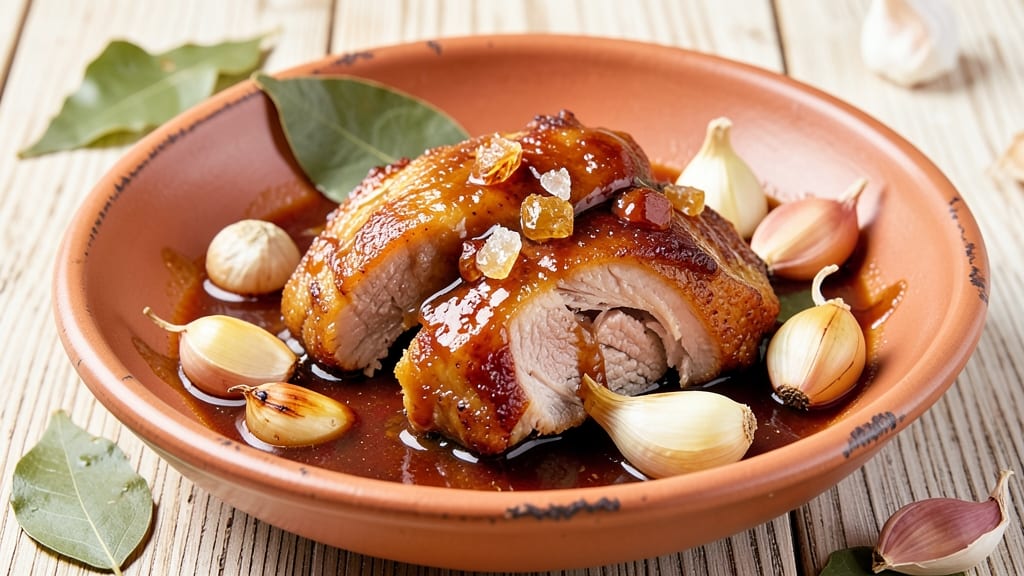
This Cebu pork adobo recipe delivers the crispy edges and juicy pink magic that makes it a Filipino classic. 🔥 The secret lies in balancing vinegar's tang with just enough sweetness to create a sauce that's both bold and complex—unlike the more acidic versions from other regions.
I've refined this recipe over years of testing, ensuring the pork stays tender while developing that signature caramelized crust.
The beauty of Cebu-style adobo is its restraint: less vinegar than traditional recipes, allowing the pork's natural flavor to shine. We'll use a combination of soy sauce and coconut milk at the end to add depth without overpowering the dish.
The result? Pork that's perfectly crispy at the edges, fork-tender inside, and swimming in a glossy sauce that's neither too sweet nor too sharp.
What you'll achieve is a dish that's restaurant-quality but simple enough for weeknight cooking. The aroma alone will have everyone gathering at your table, while the first bite delivers that perfect balance of tangy, sweet, and savory flavors.
This is pork adobo as it should be—authentic, flavorful, and impossible to resist.
Serve it over steamed rice to soak up every last drop of that delicious sauce. The technique is straightforward, but the results speak for themselves. Let's get cooking!
Ingredients for cebu pork adobo
Pantry staples plus pork shoulder—simple ingredients for restaurant-quality adobo magic.
| Ingredient | Amount | Notes |
|---|---|---|
| Pork Shoulder 🥩 | 2 lb | Cut into 2-inch chunks |
| White Vinegar 💧 | 1 cup | Distilled preferred |
| Soy Sauce 🍶 | ½ cup | Light or regular |
| Brown Sugar 🍚 | ¼ cup | Packed firmly |
| Garlic Cloves 🧄 | 6 cloves | Minced finely |
| Bay Leaves 🌿 | 2 whole | Dried, crushed lightly |
| Black Peppercorns 🌶️ | 1 tsp | Crushed, not ground |
| Coconut Milk 🥥 | ½ cup | Full-fat for creaminess |
| Olive Oil 🫒 | 2 tbsp | For searing pork |
| Salt 🧂 | 1 ½ tsp | Kosher or sea salt |
| Green Onions 🧅 | 3 whole | Sliced thin for garnish |
The pork shoulder is your secret weapon here. Look for well-marbled cuts at Costco or your local butcher—they'll cut it for you if you ask. If you're using pre-cut pork, pat it dry with paper towels before searing to get those crispy edges. The vinegar should be distilled (not apple cider)—it's less fruity and gives that classic Cebu tang. Filipino markets often carry the best quality vinegar, but any distilled brand works. For the brown sugar, pack it firmly into the measuring cup—it makes a difference in the sauce's depth.
No soy sauce? Coconut aminos work in a pinch, though the flavor won't be identical. Running short on garlic? Garlic powder at half the amount gets you close, but fresh is ideal. The coconut milk adds richness—full-fat is best, but light works if that's what you've got. For the bay leaves, crush them lightly between your palms before adding to release their flavor. The green onions are just for garnish, but if you're feeling fancy, blend a few into the sauce for extra freshness. The key is balancing that vinegar tang with just enough sweetness—taste as you go.
This sauce gets better the next day, so make extra if you're serving a crowd. Store in an airtight container in the fridge for 5-6 days—the flavors meld beautifully. For freezing, portion into ice cube trays with a little olive oil on top to prevent freezer burn. Keeps for 3 months. The pork reheats well—just warm it gently on the stovetop with a splash of water to keep it moist. Serve with steamed rice to soak up every last drop of that glorious sauce.
Why You'll Love This Recipe
- Five-Ingredient Magic: I swear by this—just pork shoulder, vinegar, soy sauce, sugar, and garlic. That’s it. No fancy prep, no hidden pantry staples. Honestly, it’s the kind of recipe where you can measure everything with your eyes if you’re in a rush.
- Sweet-Savory Balance: The brown sugar caramelizes into the meat while the vinegar keeps it tangy, but the garlic? Oh, it’s the star—crispy edges on those cloves when you toast them first, then soft and sweet in every bite. It’s addictive in the best way.
- Leftovers That Beg for More: Between us, this dish tastes better the next day. The pork gets fork-tender, the sauce thickens into a glossy glaze, and suddenly you’re reheating it for lunch because no one can resist. My freezer’s packed with portions—because why cook once when it’s this good?
- Weeknight Win: I’m not kidding when I say this feeds a crowd but costs less than takeout. The pork shoulder is cheap, the ingredients are basic, and it simmers while you do anything else. Not the prettiest dish on the table, but the taste makes up for it every time.
Step-by-step instructions for Cebu pork adobo
Here's how to make this signature Cebu-style dish with perfectly crispy edges and tender, juicy pork.
🔥 Step 1: Sear the Pork Shoulder for Maximum Flavor
Heat a large Dutch oven over medium-high heat and add the 2 tablespoons olive oil. Once shimmering, add the 2 lb pork shoulder cut into 2-inch chunks, working in batches if needed to avoid crowding. Sear each piece for 2-3 minutes per side until deeply golden brown.
This initial sear creates the signature crispy edges while building a rich fond at the bottom of the pot. Don't rush this step - you're developing that deep, caramelized flavor that makes Cebu adobo special. Once all pieces are browned, transfer them to a plate and set aside.
🍳 Step 2: Build the Adobo Base with Aromatics
In the same Dutch oven, reduce heat to medium and add the 6 cloves minced garlic cloves, 2 crushed bay leaves, and 1 teaspoon crushed black peppercorns. Cook for 1 minute until fragrant - you should smell that garlic releasing its sweet oils.
Next, pour in the 1 cup white vinegar and 0.5 cup soy sauce. Bring to a simmer and let it bubble away for 3-4 minutes until the liquid reduces by about one-third. This reduction intensifies the flavors and creates that signature tangy-sweet balance. Here's where the magic happens - the vinegar starts breaking down the pork proteins, ensuring tender results.
🥘 Step 3: Simmer the Pork Until Fork-Tender
Return the seared pork to the Dutch oven along with any accumulated juices. Add the 0.25 cup packed brown sugar and 1.5 teaspoons salt. Bring everything to a boil, then reduce heat to low and cover partially. Simmer for 1 hour to 1 hour 15 minutes until the pork is fork-tender with just a hint of resistance.
Here's the key: you want the pork to be tender but still hold its shape slightly - it should pull apart easily but not fall apart completely. The sauce should coat the back of a spoon and have thickened noticeably. If it's reducing too quickly, add 2-3 tablespoons water to maintain moisture. This slow cooking ensures that crispy exterior while keeping the meat incredibly juicy.
🥘 Step 4: Finish with Creamy Coconut Milk
Once the pork is tender, stir in the 0.5 cup full-fat coconut milk. Simmer uncovered for another 5-7 minutes until the sauce thickens slightly and becomes glossy. The coconut milk adds a beautiful creaminess that balances the tangy adobo flavors perfectly.
Taste and adjust seasoning - you might need a bit more salt to balance the sweetness from the coconut milk and brown sugar. The sauce should coat the pork beautifully, with a velvety texture that clings to each bite. This is where Cebu adobo gets its signature richness while maintaining that perfect crispy edge on the pork pieces.
🍽️ Step 5: Serve with Perfect Garnish
Remove from heat and let the pork rest for 5 minutes to allow the juices to redistribute. Just before serving, slice the 3 whole green onions thinly and sprinkle them over the top. The fresh green onions add a bright contrast to the rich, savory sauce.
Serve immediately with steamed rice to soak up every last drop of that delicious sauce. The pork should have beautifully crispy edges that give way to incredibly tender, juicy meat. Each bite delivers that perfect balance of tangy, sweet, and umami flavors that makes Cebu adobo so special. The crispy edges are what set this apart from regular adobo - that satisfying contrast of textures is what makes this dish truly magical.
Pro Tips For Making Cebu Pork Adobo
- CRANK THE HEAT FIRST: Start your pork shoulder in a smoking-hot pan for 3-4 minutes per side—this seals in the juices and builds that deep, caramelized crust Cebu-style adobo needs. I learned this the hard way after serving dry, flavorless pork because I skipped the sear. (Yes, even if you're impatient like me.)
- USE A 1:1 VINEGAR-TO-SOY RATIO: For every cup of white vinegar, add an equal cup of soy sauce—no more, no less. Too much vinegar makes it sour; too much soy turns it salty. My first batch was a disaster because I eyeballed it. Weigh or measure it out like you’re making a cocktail.
- BURY THE GARLIC IN THE MEAT: Instead of tossing minced garlic on top at the end, poke 6-8 whole cloves into the pork shoulder before searing. They’ll infuse flavor deep into the meat while cooking, giving you that authentic Cebu aroma. (Bonus: No burning garlic bits at the bottom.)
- LET IT REST UNDER FOIL: After cooking, tent the pork with foil and let it sit for 10 minutes—this keeps the meat moist while the juices redistribute. I used to skip this and ended up with a fork-dry cut. Trust me, your future self will notice the difference.
Pro cooking tips for great cebu pork adobo
Sear Like a Pro
That initial sear is where the magic happens for Cebu adobo. I like to use a heavy Dutch oven—my favorite is a Le Creuset 5.5-quart—because it distributes heat evenly and builds that rich fond.
Work in batches if needed—2-3 minutes per side at medium-high heat gives you deep golden-brown crusts. Pro tip: Pat the pork extra dry with paper towels before searing. The moisture evaporates faster, creating those irresistible crispy edges. 🔥
Vinegar Reduction
The key to Cebu-style adobo is the reduced vinegar base. After searing, I reduce the vinegar and soy sauce by about one-third—that's roughly 3-4 minutes of active simmering. This isn't just about thickening; it's about concentrating the acidity while developing a deeper, more complex flavor.
I taste the sauce at this stage—it should be sharp but balanced, not overwhelming. If it's too strong, add a pinch of sugar to mellow it out.
Low-and-Slow Simmer
Never rush the simmering phase. Cebu adobo needs 1 hour to 1 hour 15 minutes at low heat to break down the collagen in the pork shoulder. I cover the pot partially—just enough to let some steam escape.
This prevents the sauce from getting too watery while still allowing the pork to tenderize. My go-to tool here is a meat thermometer—pull the pork when it hits 203°F internal temperature. That's when it's fork-tender but still holds its shape.
Coconut Milk Finish
The coconut milk is what elevates this from regular adobo to Cebu-style greatness. I stir in the full-fat coconut milk (like Goya brand) in the final 5-7 minutes of cooking. This isn't just for creaminess—it rounds out the acidity and adds a subtle sweetness.
Taste before serving: you might need a pinch more salt to balance the flavors. The sauce should coat the back of a spoon and have a velvety, glossy finish.
Resting Matters
This is where most home cooks mess up. After cooking, let the pork rest for 5 minutes before serving. This allows the juices to redistribute, ensuring each bite is moist and flavorful. I like to tent the pot loosely with foil during resting to keep it warm.
The crispy edges will stay intact, and the meat will be perfectly tender. Trust me, skipping this step means dry, tough pork—no one wants that. ✨
Equipment Shortcuts
No Dutch oven? A heavy-bottomed stainless steel pot works just as well. For searing, a cast-iron skillet (like my Lodge 10.25-inch) is ideal if you're cooking smaller batches.
If you're short on time, pressure cooking cuts the simmer time to 30 minutes—just add ½ cup water and cook on high pressure. The texture won't be identical, but it's a decent shortcut for busy weeknights.
Nutrition facts
Frequently asked questions
What makes Cebu pork adobo different from regular Filipino adobo?
Cebu-style adobo uses less vinegar than traditional versions, creating a milder, more balanced flavor. The key difference is the addition of coconut milk at the end, which adds creaminess and rounds out the tangy-sauce. This version also focuses on developing crispy edges while keeping the pork incredibly tender.
Can I substitute white vinegar with apple cider vinegar?
While you can use apple cider vinegar, it has a fruity flavor that may alter the sauce's balance. For authentic Cebu-style adobo, stick with distilled white vinegar. If you must substitute, use ½ cup apple cider vinegar + ¼ cup distilled vinegar to maintain the right tang.
How do I prevent the pork from becoming tough?
Slow cooking is essential! Simmer the pork at low heat for 1-1.5 hours until fork-tender. Use a meat thermometer to check for 203°F internal temperature. Avoid high heat, which can dry out the meat. The crispy edges come from proper searing before simmering.
Can I make this recipe in a slow cooker?
Yes! Sear the pork first, then transfer everything to a slow cooker. Cook on low for 6-7 hours or high for 3-4 hours. Add the coconut milk in the last 30 minutes to prevent curdling. The texture will be slightly different but still delicious.
What's the best way to reheat leftovers?
Reheat gently on the stovetop with a splash of water to keep the sauce moist. Avoid microwaving, as it can make the pork dry. For best results, warm in a covered skillet over low heat for 5-7 minutes, stirring occasionally.