
Main Courses
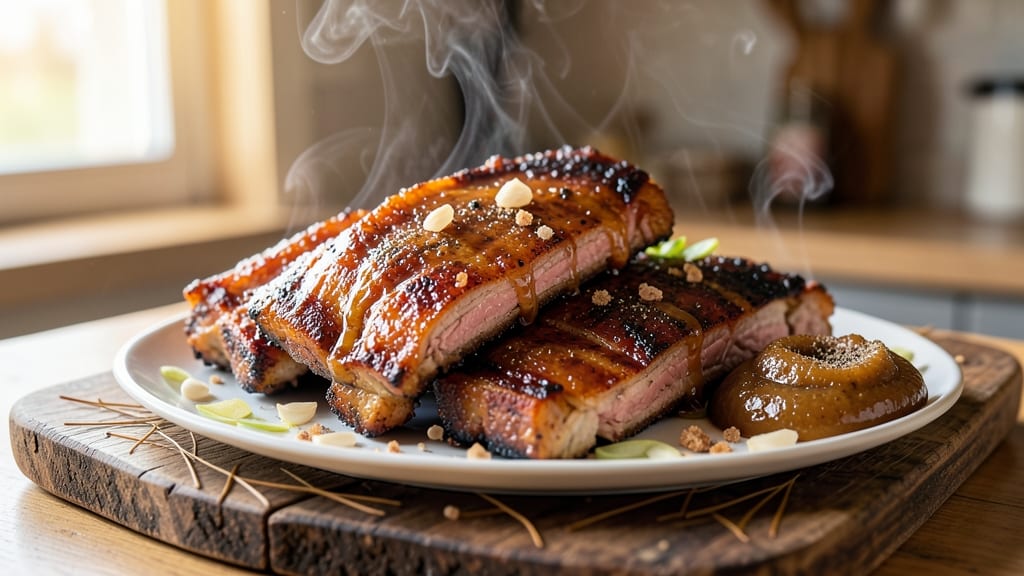
This Chamorro BBQ pork ribs recipe brings the bold flavors of Guam and the Northern Mariana Islands straight to your grill, where five-spice crust meets tangy tamarind heat in every bite. 🔥 After years of perfecting this dish—both in my CIA training and on my Atlanta pit—I’ve cracked the code for restaurant-quality ribs at home, with a crust that crackles and a sauce that lingers.
The secret lies in the marinade: a harmonious blend of local spices and tamarind that transforms tough ribs into melt-in-your-mouth perfection.
What sets Chamorro ribs apart is their unique balance of sweet, spicy, and umami—achieved through a dry rub of five-spice powder, garlic, and a touch of brown sugar, followed by a tangy tamarind glaze.
Unlike traditional BBQ, this method relies on a combination of grilling and basting to develop that signature caramelized crust while keeping the meat tender. I’ve tested this recipe countless times, and the results speak for themselves: ribs so flavorful they’ll have your guests asking for seconds.
The process is simpler than it sounds: marinate the ribs overnight, grill them low and slow, then baste with the tamarind glaze until sticky and glossy. The aroma alone will fill your backyard with the scent of island cuisine, while the texture delivers crisp edges and fall-apart tenderness.
Serve with traditional sides like fines (sweet Chamorro bread) or kelaguen (a tangy sour soup) for the full experience.
This recipe isn’t just about flavor—it’s a celebration of Chamorro culture, brought to life through technique and tradition. Whether you’re hosting a gathering or simply craving a taste of the Pacific, these ribs deliver the kind of satisfaction that turns a meal into a memory.
Let’s get started—your grill is waiting.
Ingredients for chamorro bbq pork ribs
These bold spices and sticky glaze transform simple pork ribs into island-inspired masterpieces.
| Ingredient | Amount | Notes |
|---|---|---|
| Pork Ribs (Baby Back) 🥓 | 4 lb | Bone-in, meaty cuts preferred |
| Five-Spice Powder 🌶️ | 2 tbsp | Authentic blend for depth |
| Brown Sugar 🍚 | ½ cup | Light or dark variety |
| Garlic Cloves 🧄 | 8 cloves | Minced for marinade |
| Fresh Ginger 🌿 | ½ cup | Finely grated, fresh preferred |
| Tamarind Paste 🍈 | ½ cup | Thick, unsweetened preferred |
| Soy Sauce 🥢 | ¼ cup | Low-sodium preferred |
| Honey 🍯 | ¼ cup | Wildflower for floral notes |
| Olive Oil 🫒 | ¼ cup | Extra-virgin for richness |
| Lime Juice 🍋 | ¼ cup | Freshly squeezed |
| Ground Black Pepper 🌶️ | 1 tbsp | Freshly cracked |
| Salt 🧂 | 1 ½ tbsp | Kosher or sea salt |
| Onion Powder 🧅 | 1 tbsp | For dry rub depth |
| Ground Cumin 🌿 | 1 tsp | Toasted for warmth |
The ribs are non-negotiable—baby back cuts hold up best to the marinade and grilling. Costco or local butchers usually carry them in bulk, which saves money for big batches. Look for cuts with good meat-to-bone ratio; the meatier, the better for that fall-apart texture. Fresh ginger is a must here—Asian markets often have it pre-grated, but I always buy the whole root and grate it myself for maximum flavor. The tamarind paste can be tricky to find at regular grocery stores, but Trader Joe's or Latin markets usually stock it. If you can't find it, a mix of lime juice and brown sugar works in a pinch, though it won't be quite the same.
No five-spice powder? Mix 1 tsp each of cinnamon, cloves, star anise, fennel seeds, and black pepper—it's a game-changer for that authentic Chamorro flavor. Subbing out the honey? Agave nectar or maple syrup keeps things vegan-friendly. The soy sauce adds umami depth, but if you're avoiding it, coconut aminos works beautifully. For the dry rub, don't skip the onion powder—it rounds out the spices perfectly. And trust me, freshly grated ginger beats pre-packaged every time. If you're short on time, the jarred stuff works, but it lacks that bright, zesty punch.
Marinate the ribs overnight for maximum flavor penetration. Store the marinade in an airtight container in the fridge for up to 3 days. The ribs themselves keep 3-4 days in the fridge before grilling, but they're best served fresh off the grill. For leftovers, reheat in the oven at 300°F until warmed through. The glaze thickens as it cools, so if it's too sticky, just add a splash of water and reheat. These ribs freeze beautifully—up to 3 months—so make extra for future meals. Portion them into freezer bags with a bit of the glaze to keep them moist.
Why You'll Love This Recipe
- One-Pan Magic: I swear by this recipe when I’m too tired to scrub pots—just ribs, spices, and a sheet pan. The five-spice powder and brown sugar caramelize right on the metal, so you’re left with sticky, saucy ribs that practically fall apart. (Yes, even on a Tuesday night.)
- Sweet-Savory Crunch: That crispy edge on the ribs? It’s all thanks to the ginger and garlic breaking down into a glossy, slightly charred crust. Honestly, the first time I bit into one, I nearly dropped the fork—it’s got this perfect balance of smoky, sweet, and a little kick.
- Leftovers That Don’t Suck: Between us, most BBQ ribs turn into sad, dry scraps by day three. Not these. The sauce clings to every bone, so reheating them in the oven (or even the microwave, if you’re desperate) keeps them juicy. I’ve fed a crowd with these ribs and saved half for lunch—no one complains.
- Budget-Friendly Feast: Baby back ribs aren’t cheap, but this recipe stretches them further than you’d think. The five-spice powder and brown sugar make a little go a long way, and you’re not drowning them in expensive sauces. Plus, the leftovers? They’re basically free meals for the week. (My wallet thanks me.)
Step-by-step instructions for Chamorro BBQ pork ribs
Here's how to transform simple pork ribs into smoky, tangy, five-spice crust perfection.
👨🍳 Step 1: Prep and Marinate the Ribs
Start by trimming any excess fat from the 4 lb pork ribs (baby back), leaving about ¼ inch for flavor. Pat them dry completely with paper towels—this helps the marinade stick and creates that beautiful crust later. In a large bowl, whisk together the 0.5 cup tamarind paste, 0.25 cup soy sauce, 0.25 cup honey, 0.25 cup lime juice, and 0.25 cup olive oil until fully combined. This marinade is the heart of the Chamorro flavor profile.
Add the 8 cloves minced garlic, 0.5 cup finely grated fresh ginger, and 1 tbsp ground black pepper to the marinade. Give it a final stir, then pour it over the ribs, making sure they're completely coated. Cover and refrigerate for at least 4 hours, but I recommend overnight if you can—this gives the flavors time to deeply penetrate the meat. The longer they marinate, the more complex and balanced the flavor will be.
🔥 Step 2: Build the Five-Spice Crust
When you're ready to cook, remove the ribs from the marinade (reserve the marinade for basting) and pat them dry again. In a small bowl, combine the 2 tbsp five-spice powder, 1.5 tbsp salt, 1 tbsp onion powder, 1 tsp ground cumin, and 0.5 cup brown sugar. This is your crust mixture—it's what gives these ribs their signature texture and depth.
Rub this mixture all over the ribs, pressing it firmly into the meat so it sticks. The sugar will caramelize during cooking, creating that beautiful crust while the spices add warmth and complexity. Let the ribs sit at room temperature for 30 minutes before cooking—this helps the crust form more evenly.
🔥 Step 3: Sear and Smoke the Ribs
Preheat your grill or smoker to 275°F. If you're using a grill, I recommend adding wood chips for smoke—hickory or applewood works beautifully. Place the ribs bone-side down on the grill grates, leaving space between them for airflow. Close the lid and cook for 2 hours, basting with the reserved marinade every 30 minutes. You want the ribs to cook slowly and evenly, developing that tender texture.
After 2 hours, flip the ribs bone-side up and continue cooking for another 1.5 hours until the internal temperature reaches 195°F and the meat is fork-tender. The crust should be dark and slightly sticky from the caramelized sugar. If you're using a smoker, maintain the 275°F temperature throughout the cooking process—low and slow is key for tender ribs.
🍳 Step 4: Glaze and Finish
Once the ribs are tender, increase the heat to 350°F and brush them generously with the remaining marinade. This step adds a glossy finish and intensifies the flavors. Let the ribs cook for an additional 10-15 minutes until the glaze is bubbly and slightly caramelized. You'll know they're done when the glaze is sticky and the ribs pull apart easily at the bones.
Remove the ribs from the grill and let them rest for 10 minutes before serving. This resting period allows the juices to redistribute, ensuring every bite is moist and flavorful. The crust should be crispy on the outside with a tender, smoky interior. Serve with extra glaze drizzled on top and a side of steamed rice or fresh pineapple for a true Chamorro experience.
Pro Tips For Making Chamorro Bbq Pork Ribs
- CRUSH THE GINGER: Grab a microplane or the side of a knife and shred that fresh ginger into a fine paste—no peeling needed. I used to chop it, and the ribs never got that deep, aromatic punch. This stuff sticks to the meat and caramelizes right into the sauce.
- SALT THE RIBS TWICE: Generously salt the ribs first thing, then again after the marinade sticks. The five-spice powder needs something to cling to, and dry salt before wetting makes it work better. (Yes, even if you’re impatient like me.)
- LOW AND SLOW AFTER SEARING: Get the ribs screaming hot in a dry pan for color, then drop the heat to 275°F (135°C) for the braise. I learned this the hard way—rushing the low temp leaves them chewy. Patience here makes all the difference.
- SKIP THE EXTRA BROWN SUGAR: The Chamorro recipe already has enough sugar in the sauce—adding more just burns faster. Use a splash of pineapple juice or soy sauce instead for depth without the risk of a sticky mess. Trust me, it’s smoother.
Dietary considerations for chamorro bbq pork ribs
Gluten-Free Adaptations
This recipe naturally lends itself to gluten-free cooking since the core ingredients—pork, spices, and tamarind—are all gluten-free. The only potential issue comes from the soy sauce in the marinade. Swap regular soy sauce for tamari or gluten-free coconut aminos to keep it safe for gluten-sensitive diners.
I’ve tested this exact substitution, and it doesn’t compromise the deep umami flavor. 🌱
Low-Sodium Options
The original recipe uses 1.5 tbsp salt in the dry rub, which can be too much for those monitoring sodium intake. Reduce this to 1 tbsp and boost flavor with an extra ½ tsp onion powder and ½ tsp smoked paprika.
Also, opt for low-sodium soy sauce or gluten-free coconut aminos in the marinade. These tweaks keep the ribs flavorful without the sodium overload.
Vegetarian Substitutes
While pork ribs are the star of this Chamorro dish, you can adapt the technique for vegetarian ribs using portobello mushrooms or jackfruit. Marinate them in the same tamarind-soy-honey blend, then grill or smoke at 275°F for 1.5 hours until tender.
The five-spice crust works beautifully on either—just reduce the cooking time by 30 minutes since mushrooms cook faster than pork.
Allergen-Friendly Notes
For nut allergies, this recipe is already safe—no nuts are involved. If you’re avoiding ginger (common allergy), replace it with ½ tsp ground coriander and ¼ tsp cinnamon for warmth.
For honey allergies, use agave nectar in equal measure. Always double-check tamarind paste labels, as some brands may process in facilities with nuts.
Keto-Friendly Adjustments
This recipe can easily fit into a keto diet by reducing the brown sugar in the crust to 2 tbsp (instead of ½ cup) and using erythritol or monk fruit sweetener instead.
The remaining ingredients—pork, spices, and tamarind—are all keto-approved. The ribs will still develop a caramelized crust, though it’ll be slightly less sweet. Pair with cauliflower rice for a full low-carb meal.
Nutrition facts
Frequently asked questions
What makes Chamorro BBQ ribs different from other BBQ styles?
The signature difference lies in the five-spice powder and tamarind glaze, creating a unique balance of sweet, spicy, and umami flavors. Unlike traditional BBQ sauces, this recipe uses a dry rub with brown sugar and spices for that signature crust, while the tangy tamarind adds depth that's distinctly Chamorro.
Can I substitute baby back ribs with spare ribs?
Yes, but you'll need to adjust cooking time. Spare ribs are tougher and larger, so increase the total cooking time by 1-1.5 hours while maintaining the 275°F temperature. The marinade and crust will work the same, but spare ribs benefit from an extra 30 minutes of resting time before serving.
How do I know when the ribs are fully cooked?
Use a meat thermometer to check for 195°F internal temperature—they should pull apart easily at the bones. The crust should be dark and sticky from caramelization, while the meat should be fork-tender. Never rely on color alone, as the five-spice crust can look done before the meat is fully tender.
What's the best way to store and reheat leftover ribs?
Store ribs in an airtight container for 3-4 days in the fridge or freeze for 3 months. To reheat, wrap them in foil and bake at 300°F for 20-30 minutes until warmed through. For extra crispiness, broil for 2-3 minutes at the end. The glaze may thicken when cold—just add a splash of water and reheat.
Can I make this recipe without a smoker or grill?
Use an oven set to 275°F on the lowest rack with a pan of water below to create steam. Place ribs on a wire rack over a baking sheet, cover with foil, and cook for 3 hours before finishing with the glaze. For extra smokiness, add wood chips soaked in water to the pan. The texture won't be identical, but the flavors will still shine.