
Main Courses
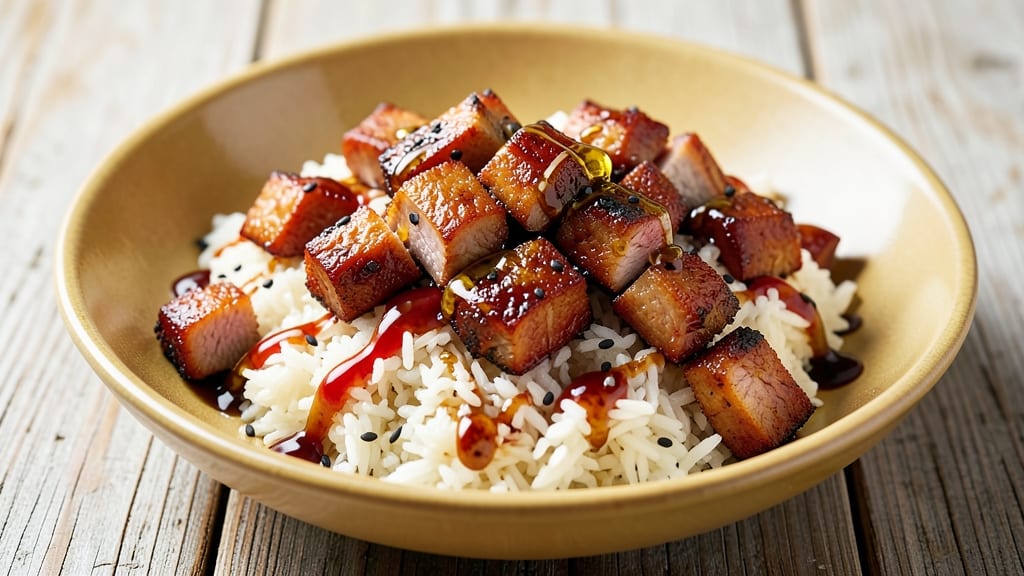
This char siu pork fried rice recipe brings authentic Cantonese takeout flavor straight to your kitchen with minimal effort. The star is crispy, sweet-savory char siu pork—whether homemade or store-bought—paired with perfectly stir-fried jasmine rice and a balance of umami from hoisin, soy, and five-spice powder.
What sets this dish apart is the textural contrast: tender, slightly charred pork bits against fluffy rice, all wok-seared for that restaurant-quality smokiness. The secret lies in high-heat stir-frying and proper seasoning ratios, ensuring every bite delivers that familiar takeout magic without the grease or sodium overload.
Ingredients for char siu pork fried rice
Authentic Cantonese flavors start with these carefully chosen ingredients for restaurant-quality char siu fried rice.
| Ingredient | Amount | Notes |
|---|---|---|
| Char Siu Pork 🥩 | 1 ½ cups | Diced, store-bought or homemade |
| Jasmine Rice 🍚 | 3 cups | Uncooked, day-old preferred |
| Hoisin Sauce 🍶 | 2 tbsp | Thick, store-bought or homemade |
| Light Soy Sauce 🥢 | 2 tbsp | Kikkoman preferred |
| Oyster Sauce 🦪 | 1 tbsp | High-quality, no additives |
| Sesame Oil 🌰 | 1 tbsp | Toasted, for aroma |
| Five-Spice Powder 🌶️ | 1 tsp | Authentic Chinese blend |
| Garlic Cloves 🧄 | 4 cloves | Minced, fresh preferred |
| Scallions 🧅 | ½ cup | Thinly sliced, green parts only |
| Vegetable Oil 🫒 | 3 tbsp | High smoke point |
| Fresh Ginger 🌿 | 1 tbsp | Finely grated, peeled |
| Salt 🧂 | ½ tsp | Adjust to taste |
| Black Pepper 🌶️ | ¼ tsp | Freshly ground |
| Sesame Seeds 🌰 | 1 tbsp | Toasted for garnish |
The char siu pork is non-negotiable here—store-bought from an Asian market delivers that perfect sweet-savory balance, but homemade works too if you've got the time. Look for well-marbled, slightly charred pieces when buying pre-made. Jasmine rice should be day-old for ideal texture, but freshly cooked works in a pinch. For the sauces, Kikkoman soy sauce and Lee Kum Kee hoisin are the gold standard—avoid the watery, additive-heavy brands. Fresh ginger and garlic? Always buy organic when possible to avoid the bitter peel.
No hoisin sauce? Mix 1 tbsp soy sauce with 1 tsp brown sugar and 1/2 tsp vinegar for a quick substitute. Swap oyster sauce for vegetarian oyster sauce or extra soy sauce if needed. The five-spice powder is essential—Penzeys brand has the best blend, but any authentic Chinese five-spice will do. Scallions can be subbed with regular green onions, but the milder flavor means you'll want to use slightly more. For the sesame oil, use sparingly—just a few drops at the end for aroma, not cooking. The vegetable oil should have a high smoke point like avocado or grapeseed oil for proper wok-hei.
Leftover rice is your friend here—keep it in an airtight container for up to 3 days. Store the cooked fried rice in a sealed container for 3-4 days in the fridge or 3 months frozen. For best texture, reheat in a skillet with a splash of water over medium heat. The sesame seeds toast beautifully in a dry pan for 30 seconds—do this right before serving to keep them crisp. Double the recipe and freeze half for lazy weeknights—just thaw and reheat.
Why You'll Love This Recipe
- Pantry Magic: I swear by this one—no fresh herbs, no fancy prep. Just leftover jasmine rice, that sticky-sweet char siu, and a splash of hoisin to tie it all together. The moment I toss in the oyster sauce? Chef’s kiss. It’s the kind of dish that makes me feel like I cooked something special without breaking a sweat.
- Sweet-Savory Fix: Honestly, the flavor combo here is ridiculous in the best way. The char siu’s smoky-sweet bite cuts through the umami punch of oyster sauce, while hoisin adds that caramelized depth. It’s the kind of fried rice that makes you go back for seconds—no regrets.
- Lunchbox Hero: Between us, this is my go-to for packed lunches or last-minute dinner guests. Cold or reheated, it holds up like a champ, and the sticky rice soaks up all the saucy goodness. My kids actually finish what’s in their bento boxes—proof it’s a winner.
- Budget Win: I make this at least twice a week because it’s cheap but never feels cheap. A few slices of char siu, a handful of rice, and a couple of sauces stretch into three meals. Plus, the leftovers? Even better the next day—crispy edges, tender pork, and that perfect saucy crunch.
Step-by-step instructions for char siu pork fried rice
Here's how to recreate authentic Cantonese takeout flavor with perfectly balanced textures and bold aromatics.
Prepare the Char Siu Pork and Rice
Begin by cutting the 1.5 cups char siu pork into ½-inch cubes—this ensures even cooking and maximum flavor distribution. Set aside. For the 3 cups jasmine rice, use day-old rice if possible; it's drier and absorbs the sauce better. If using freshly cooked rice, spread it on a tray and refrigerate for 30 minutes to dry it out slightly.
While the rice chills, toast the 1 tbsp sesame seeds in a dry skillet over medium heat for 1-2 minutes until fragrant and golden. Remove from heat and set aside for garnishing. This step adds depth to the dish without overpowering the main flavors.
Sauté Aromatics and Cook the Char Siu Pork
Heat 2 tbsp vegetable oil in a wok or large skillet over high heat until shimmering. Add the 4 cloves minced garlic cloves and 1 tbsp finely grated fresh ginger, stirring constantly for 30 seconds until fragrant but not browned. Add the ½-inch char siu pork cubes and cook for 2-3 minutes until lightly caramelized on the edges.
Remove the pork from the pan and set aside temporarily. The residual heat will keep it warm while you build the sauce. If the pork releases too much liquid, pour it into a small bowl—you'll use it later to deglaze the pan and maximize flavor.
Build the Flavor Base with Sauces
In the same wok, add the remaining 1 tbsp vegetable oil and swirl to coat. Add the 3 cups day-old jasmine rice, breaking up any clumps with a spatula. Stir-fry for 1-2 minutes until the rice begins to sizzle and take on a light golden hue.
Pour in the 2 tbsp hoisin sauce, 2 tbsp light soy sauce, 1 tbsp oyster sauce, and 1 tsp five-spice powder. Stir vigorously for 1-2 minutes until the rice is evenly coated and the sauce begins to caramelize slightly. Here's the thing—don't rush this step. The five-spice powder needs time to bloom and infuse the rice with its warm, aromatic notes.
Finish with Scallions and Sesame Oil
Return the char siu pork to the wok, along with any reserved cooking juices. Add the ½ cup thinly sliced scallions and toss everything together for 1-2 minutes until the scallions wilt and the rice reaches your desired texture. The rice should be tender but still slightly firm, with pockets of crispy edges from the high heat.
Drizzle in the 1 tbsp toasted sesame oil and toss once more. The oil will coat each grain, adding a nutty aroma and rich mouthfeel. Season with ½ tsp salt and ¼ tsp black pepper, adjusting to taste. The fried rice should be savory, slightly sweet, and packed with umami from the char siu pork and sauces.
Serve Immediately with Garnishes
Transfer the fried rice to serving plates and garnish with the toasted sesame seeds. The contrast between the nutty seeds and the sweet-savory rice creates a perfect balance. Serve immediately while the rice is hot and the aromatics are at their peak. This dish is best enjoyed fresh, as the textures and flavors meld together beautifully when served right away.
For an extra touch, I like to serve with a side of quick-pickled cucumbers or a simple steamed egg to cut through the richness. The key to this recipe is high heat and constant stirring—don't walk away from the wok, or you'll miss the window for perfect texture.
Pro Tips For Making Char Siu Pork Fried Rice
- CHOP PORK SMALL: I learned this the hard way—thin, even slices melt into the rice instead of sitting like chewy chunks. Aim for ½-inch strips or smaller, and cut against the grain if your pork is fibrous. (Yes, it takes a few extra minutes, but your rice won’t fight for space at the wok.)
- SAUCE IN STAGES: Dump all three sauces (hoisin, light soy, oyster) at once and you’ll end up with a gloppy mess. Start with 1 tsp light soy and ½ tsp oyster, toss the rice, then add hoisin last—just enough to coat. Taste as you go; you can always add more, but you can’t un-sauce it.
- USE DAY-OLD RICE: Fresh rice turns to mush in fried rice. Cool your jasmine rice completely after cooking, spread it on a tray, and refrigerate for at least 4 hours (or overnight). Cold, dry grains absorb flavor better and hold their shape—no one wants a rice soup disguised as a stir-fry.
- CRISP THE PORK FIRST: Skip the wok and fry the char siu pork in a dry pan over medium-high heat for 2–3 minutes until the edges darken. The extra crispiness adds texture contrast, and it prevents the pork from steaming when you toss everything together. (Pro move: Save the rendered fat for future stir-fries.)
Best sauces and condiments for this char siu pork fried rice
Hoisin Sauce Magic
The star of this dish is hoisin sauce, which brings that signature sweet-savory depth. I use Lee Kum Kee brand—it's thick, glossy, and packed with fermented bean flavors. For an extra boost, mix 1 tsp honey into your 2 tbsp hoisin before adding to the rice.
This enhances the caramelization when stir-frying, giving you that perfect balance of sweet and umami. 🍶
Oyster Sauce Secrets
Don't skimp on oyster sauce—this is where the umami bombshell happens. I reach for Kikkoman Gold or Lee Kum Kee Premium for their rich, clean flavors. For a vegetarian version, use vegetarian oyster sauce or sub 1 tbsp extra soy sauce + ½ tsp mushroom powder.
The key is to add it after the rice starts sizzling—this prevents the sauce from breaking down too quickly and losing its depth.
Five-Spice Powder
The five-spice powder is non-negotiable for that authentic Cantonese warmth. I swear by Penzeys brand—it's a perfect blend of star anise, cloves, cinnamon, fennel, and Sichuan peppercorn. Toast ½ tsp in the wok for 10 seconds before adding the rice to deepen its aroma.
This step transforms your fried rice from good to restaurant-quality. 🌶️
Sesame Oil Finishing
Use toasted sesame oil sparingly—just 1 tbsp drizzled at the very end. This is purely for aroma, not cooking. I like to warm the oil in my palm first to prevent it from turning bitter when added to the hot rice.
A quick tip: If you're short on time, substitute with ½ tsp sesame paste mixed into the sauces, though the texture won't be identical.
Soy Sauce Balance
Light soy sauce is your flavor anchor here, but don't overdo it. Stick to 2 tbsp—too much will overpower the dish. For extra depth, replace 1 tbsp with dark soy sauce, which adds a molasses-like richness. Always use Kikkoman or Thai Kitchen brands—they have the right balance of salt and umami without being too heavy.
Garnish Game-Changers
Toasted sesame seeds and scallions aren't just garnishes—they're flavor multipliers. For extra crunch, add ½ cup fried shallots (store-bought works) or crispy fried garlic. A sprinkle of chili crisp (like Lao Gan Ma) adds heat without overpowering the dish.
I like to serve mine with a side of quick-pickled jalapeños to cut through the richness. 💫
Nutrition facts
Frequently asked questions
Can I use regular white rice instead of jasmine rice?
Jasmine rice is ideal because its floral aroma and slightly sticky texture work perfectly with the char siu pork. However, you can use long-grain white rice in a pinch—just make sure it's day-old and slightly drier than freshly cooked. Avoid short-grain rice like sushi rice, as it becomes too mushy when stir-fried.
How do I make this vegetarian?
Replace the char siu pork with 1.5 cups marinated tofu or seitan (cut into cubes and pan-fried until crispy). Use vegetarian oyster sauce and swap the five-spice powder for 1 tsp smoked paprika + ½ tsp cinnamon for warmth. The texture contrast is key—look for extra-firm tofu that holds its shape.
Why does my fried rice turn out mushy?
Mushy fried rice usually means one of three things: using freshly cooked rice (too moist), not using enough heat, or over-stirring. Always use day-old rice and stir-fry over high heat for 2-3 minutes max—the rice should sizzle and develop crispy edges. Work in batches if needed to maintain high heat.
Can I prep this ahead of time?
Cook the rice and marinate the char siu pork 1 day ahead. Store components separately in the fridge. When ready to serve, simply reheat the pork in a dry pan, stir-fry the rice with fresh aromatics, and combine. For best texture, add a splash of water when reheating to restore moisture.
What's the secret to crispy char siu pork?
The key is high heat and proper slicing. Cut the pork into ½-inch cubes and sear them until edges caramelize (2-3 minutes). For extra crispiness, pat dry with paper towels before cooking. Store-bought char siu works too—look for pieces with visible char marks.