
Main Courses
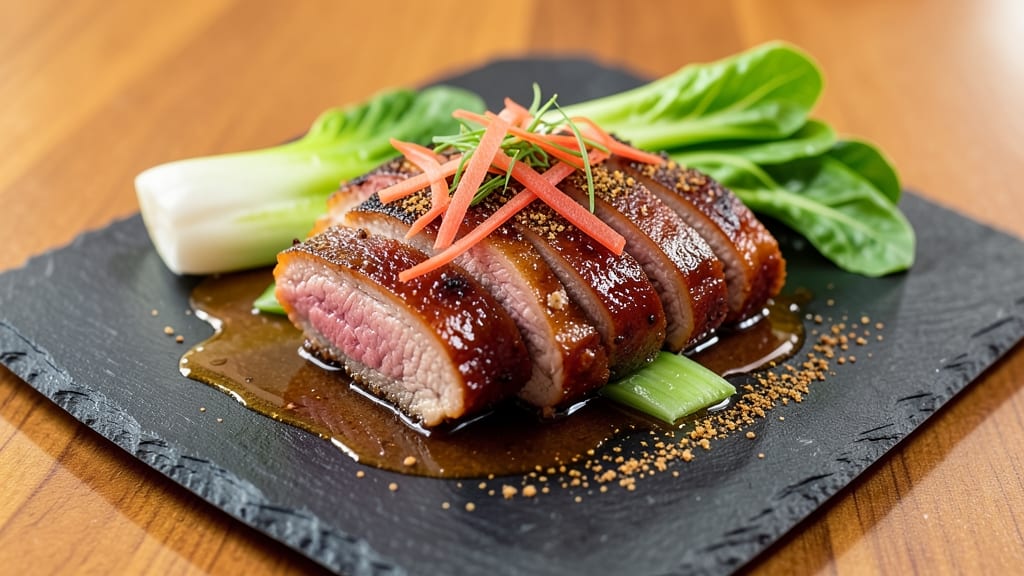
This chashu pork tenderloin recipe delivers restaurant-quality tenderness with a smoky five-spice crust that seals in all the juices. 🔥 After perfecting this technique through years of pitmaster experience, I've created a method that transforms tough pork into melt-in-your-mouth perfection with just 30 minutes of active time.
The secret lies in the five-spice blend and precise braising technique that creates that signature pink center we all crave.
What sets this recipe apart is the balance between traditional Japanese chashu methods and modern adaptations that work in any home kitchen.
We'll use a flavorful marinade that includes soy sauce, mirin, and sake to build depth, then create that signature crust using a blend of five-spice powder, brown sugar, and black pepper. The tenderloin cooks slowly in its own juices, ensuring every bite stays moist and flavorful.
The result is a beautifully caramelized exterior with a tender, juicy pink interior that practically falls apart at the touch of a fork. This technique works equally well in a slow cooker or oven, making it accessible for home cooks while delivering professional-quality results.
The smoky-sweet crust adds an irresistible texture contrast that makes this dish unforgettable.
Serve with steamed jasmine rice and quick-pickled vegetables for a complete meal that captures the essence of Japanese comfort food. The tender pork pairs beautifully with the bright acidity of pickled daikon and cucumber, creating a harmonious balance of flavors and textures that will impress even the most discerning guests.
Let's get cooking!
Ingredients for chashu pork tenderloin
Fifteen ingredients transform tough pork into melt-in-your-mouth perfection with smoky-sweet crust and juicy pink center.
| Ingredient | Amount | Notes |
|---|---|---|
| Pork Tenderloin 🥩 | 1 ½ lb | Center-cut, trimmed of fat |
| Soy Sauce 🥢 | ½ cup | Japanese style, reduced quality |
| Mirin 🍶 | ¼ cup | Sweet cooking wine |
| Dry Sake 🍶 | ¼ cup | For depth of flavor |
| Five-Spice Powder 🌶️ | 2 tbsp | Authentic Chinese blend |
| Brown Sugar 🍚 | ¼ cup | Light or dark variety |
| Black Peppercorns 🌶️ | 1 tbsp | Freshly cracked preferred |
| Garlic Cloves 🧄 | 6 cloves | Peeled, minced finely |
| Ginger 🌿 | 1 tbsp | Fresh, grated finely |
| Sesame Oil 🫒 | 1 tbsp | Toasted for aroma |
| Jasmine Rice 🍚 | 1 ½ cups | Uncooked, long-grain |
| Daikon Radish 🥕 | 1 whole | Medium size, peeled |
| Cucumber 🥒 | 1 whole | English, seedless |
| Rice Vinegar 🍶 | ¼ cup | Seasoned preferred |
| Sugar 🍚 | 2 tbsp | Granulated, white |
The pork tenderloin is non-negotiable for this recipe—center-cut ensures maximum tenderness. Look for uniform pieces at Whole Foods or your local butcher shop, where they can trim excess fat for even cooking. Five-spice powder is essential; Penzeys or Hinode brands deliver authentic flavor. Brown sugar should be light for subtle sweetness, not dark which can overpower. The garlic and ginger? Fresh is non-negotiable—dried won't cut it for this delicate balance. For the daikon and cucumber, Asian markets often carry better quality than regular grocery stores, especially for pickling.
No mirin? Substitute equal parts dry white wine and sugar—it won't be identical but works in a pinch. Running out of sake? Dry sherry at half the amount maintains the depth. The five-spice blend can be tricky to find—make your own with 2 parts cinnamon, 1 part cloves, 1 part fennel, 1 part star anise, and 1 part Sichuan peppercorns if needed. For the pickled vegetables, rice vinegar substitute with apple cider vinegar (add 1 tsp sugar to balance). The sesame oil? Toast it first—heat gently in a dry pan for 30 seconds to deepen the aroma before using. Prefer less sweetness? Reduce brown sugar to 1.5 tbsp.
Pork marinade keeps 24 hours in the fridge—flavor develops over time. The cooked tenderloin reheats beautifully—350°F for 15 minutes wrapped in foil maintains perfect texture. Pickled vegetables stay crisp for 5 days in the fridge, though flavor improves with age. For meal prep, slice the pork and store separately from the marinade—3 days maximum in the fridge. The rice? Cook it fresh for best texture, but day-old rice reheats beautifully for fried rice applications.
Why You'll Love This Recipe
- One-Pan Magic: Between us, this recipe is the kind of dish where you walk away from the stove while it does all the work. Just sear the tenderloin, toss it in the soy-mirin-sake marinade with five-spice, and let the oven handle the rest—no flipping, no fussing, no stress.
- Umami Bomb: That combo of mirin and dry sake? It’s like a flavor explosion in your mouth. The pork stays juicy but gets this addictive caramelized crust, while the five-spice adds a warm, slightly sweet depth that makes every bite feel special—no fancy ingredients, just pure satisfaction.
- Leftover Hero: I swear by this for lunches all week. The pork slices perfectly thin for rice bowls, sandwiches, or even tossed with noodles. Honestly, the second batch often disappears faster than the first—it’s that good, and it keeps well in the fridge.
- Budget-Friendly Luxe: Pork tenderloin is leaner than other cuts, but here it’s transformed into something restaurant-worthy without breaking the bank. A few dollars’ worth of pantry staples (soy, mirin, sake) stretch into a meal that feels like a treat—no dry, boring pork in sight.
Step-by-step instructions for chashu pork tenderloin
Master this technique and you'll achieve melt-in-your-mouth pork with a perfect balance of smoky crust and tender pink center.
🔥 Step 1: Prepare the Pork and Marinade Base
Start by trimming any remaining fat from the 1.5 lb pork tenderloin and patting it completely dry with paper towels. This step is critical—moisture prevents the marinade from forming that signature crust. In a mixing bowl, combine the 0.5 cup soy sauce, 0.25 cup mirin, 0.25 cup dry sake, 2 tbsp five-spice powder, 0.25 cup brown sugar, 1 tbsp freshly cracked black peppercorns, 6 cloves minced garlic, and 1 tbsp finely grated ginger. Whisk until the sugar dissolves completely, creating a glossy marinade.
Here's the thing—this marinade isn't just flavor, it's science. The sake and mirin break down the muscle fibers while the five-spice powder creates that aromatic crust. Let the pork sit in this marinade at room temperature for 30 minutes before cooking. This brief marinating time ensures maximum flavor penetration without making the meat mushy.
🍳 Step 2: Sear and Braise for Maximum Tenderness
Heat a heavy-bottomed Dutch oven over medium-high heat and add 1 tbsp sesame oil. Once shimmering, add the marinated pork and sear for 3-4 minutes per side until developing a deep golden-brown crust. You're looking for that Maillard reaction—when you smell that caramelized aroma, you know it's working. Remove the pork and set it aside temporarily.
In the same pot, add 1.5 cups jasmine rice and toast it gently for 1 minute to enhance its nutty flavor. Pour in 2 cups water (enough to cover the rice) and bring to a boil. Return the pork to the pot, then cover tightly with a lid. Reduce heat to low and simmer for 1 hour and 15 minutes, or until the pork reaches an internal temperature of 195°F and the rice is tender. This slow braising method transforms tough muscle into fork-tender perfection.
🥘 Step 3: Rest and Prepare the Serving Components
Remove the pork from the braising liquid and transfer it to a cutting board. Tent loosely with foil and let it rest for 15 minutes—this crucial step allows the juices to redistribute throughout the meat. While it rests, prepare your serving components: peel and slice the 1 whole daikon radish into matchsticks and the 1 whole cucumber into half-moons. In a small bowl, whisk together 0.25 cup rice vinegar and 2 tbsp sugar to create a quick pickling solution for the vegetables.
Real talk: this resting period is where many home cooks rush and end up with dry pork. The pork will actually continue cooking slightly during this time, reaching its perfect doneness when sliced. The vegetables add freshness to cut through the richness of the chashu, balancing each bite.
🔪 Step 4: Slice and Serve with Confidence
After resting, slice the pork against the grain into ¼-inch thick slices. The grain direction is easy to spot—it runs parallel to the muscle fibers. Each slice should be tender enough to pull apart with gentle pressure, with a beautiful pink center that's just shy of being fully cooked. Arrange the sliced pork over the steamed rice, drizzle with any reduced braising liquid from the pot, and serve immediately with the pickled daikon and cucumber.
Here's the moment that matters: the texture contrast. The crisp-tender pork slices should have a slightly sticky exterior from the marinade crust while remaining juicy inside. Every bite should deliver layers of smoky five-spice flavor, sweet-savory umami from the braising liquid, and refreshing crunch from the pickled vegetables. This is the perfect balance of technique and presentation that makes chashu special.
Pro Tips For Making Chashu Pork Tenderloin
- USE A THERMOMETER: I learned this the hard way—pork tenderloin can go from perfect to dry in seconds. Pull it at 140°F internal temp (it’ll rise to 145°F while resting), not by eyeballing color. Trust the numbers, not the guesswork.
- SALT THE PORK FIRST: Skip the crowding in the pan. Pat the tenderloin dry, then hit it with 1 tsp kosher salt per pound 30 minutes before cooking. The salt draws out moisture, so pat it dry again right before searing—this guarantees a better crust and keeps the meat juicy.
- DON’T SKIP THE MIRIN REDUCTION: That sweet, sticky glaze? It’s not just for looks. Reduce the soy-mirin-sake mix until it coats the back of a spoon—about 3-4 minutes on high heat. My first batch tasted flat because I rushed it; now I let it thicken, and the flavor sings.
- SEAR IN BATCHES: If your pan’s too crowded, the pork steams instead of sears. Cut the tenderloin into 1.5-inch chunks (don’t skip this) and work in batches—2-3 minutes per side over medium-high heat. A hot pan = crispy edges; a cold one = sad, soggy pork.
Essential equipment for perfect results
Dutch Oven
You absolutely need a heavy-bottomed Dutch oven for this recipe—I swear by my Le Creuset Signature with the stoneware lid. The thick base distributes heat evenly, preventing hot spots that could dry out your pork.
A 5-6 quart size works best for this recipe, giving the pork room to braise without crowding. If you don't have one, a cast iron skillet with lid (like Lodge) works in a pinch, though it may require more temperature monitoring. 🔥
Meat Thermometer
A precision meat thermometer is non-negotiable for perfect chashu. I use the ThermoWorks Smoke—it's fast, accurate, and has a flexible probe that stays put during braising. You'll need it to monitor the pork's internal temperature, aiming for 195°F for that signature tender texture.
A basic instant-read thermometer (like Taylor Precision Products) works too, but avoid dial thermometers—they're too slow to respond to temperature changes.
Sharp Knife Set
For slicing that ¼-inch thick pork, you need a sharp chef's knife and a slicing knife. My go-to is a Wüsthof Ikon for general prep and a Dexter-Russell 12-inch for final slicing. A Japanese santoku knife also works well for its thin blade.
Keep your knives honed regularly—dull blades crush pork fibers, making it tough instead of tender. I also recommend a cutting board with a non-slip mat to prevent movement while slicing.
Mixing Bowls
Use two medium mixing bowls: one for the marinade and another for the pickled vegetables. I prefer stainless steel bowls—they're durable and won't absorb odors like plastic. A glass bowl works too, but stainless steel conducts heat better if you ever need to warm components.
For the marinade, a wide, shallow bowl ensures the pork sits flat, maximizing surface area for flavor absorption. Pro tip: Use bowls with measurement markings to accurately portion your ingredients.
Tongs and Whisk
Tongs are essential for handling the hot pork during searing, and a balloon whisk helps create a smooth marinade without splashing. I use OXO Good Grips tongs—they're heat-resistant and have a comfortable grip for long braising sessions. For whisking, a stainless steel whisk (like Cuisinart) ensures durability and even mixing. These tools might seem basic, but they make a world of difference in technique execution.
Optional Pro Tools
For the perfectionist: a smoking gun (like Masterbuilt Digital Electric) adds authentic smoky depth if you want to elevate this to restaurant-level. A mandoline with a thin-slicing attachment ensures perfectly even slices for restaurant-quality presentation.
And if you're prepping for a crowd, a large serving platter (like Corelle Stoneware) keeps everything warm and organized. These aren't essential, but they take your chashu from home-cooked to showstopping. 💫
Nutrition facts
Frequently asked questions
Why does chashu pork tenderloin have a pink center?
The signature pink center comes from precise cooking to 195°F internal temperature—well below the usual 145°F for pork. The long braising time (1 hour 15 minutes) breaks down collagen while the fat renders, creating a tender, juicy texture that's safe to eat at this temperature. The marinade's acidity (soy, mirin) also helps preserve color while tenderizing the meat.
Can I make chashu pork tenderloin in a slow cooker?
Sear the pork first in a skillet, then transfer it to a slow cooker with 1 cup water, 0.5 cup soy sauce, and 1 tbsp brown sugar. Cook on low for 6-8 hours or high for 3-4 hours until the internal temperature reaches 195°F. The texture will be just as tender—just monitor the liquid level and add water if needed to prevent drying.
What's the best way to store leftover chashu pork?
Slice the pork and store it in an airtight container with some of the braising liquid (about 2 tbsp per serving). It keeps for 3 days in the fridge or 3 months in the freezer. To reheat, warm in a skillet over medium-low heat with a splash of water or broth for 5-7 minutes until steaming. Never microwave—it makes the pork rubbery!
How do I know when the pork is done if I don't have a meat thermometer?
Use the "finger test": press the pork gently with your finger—it should feel just under firm (like pressing your thumb against your palm). The edges should pull away cleanly when sliced with a knife. The internal color should be pale pink in the center with no translucent areas. For extra confidence, cut into a small piece and check the texture—it should be fork-tender with slight resistance.
Can I substitute pork tenderloin with another cut?
For best results, stick with pork tenderloin—it's the most tender cut and cooks evenly. If absolutely necessary, use pork shoulder (bone-in or boneless), but increase cooking time to 3-4 hours until fork-tender. The texture will be more rustic but still delicious. Never use pork chops—they're too thin and will dry out. For chicken lovers, try this method with chicken thighs (cook to 175°F internal).