
Main Courses
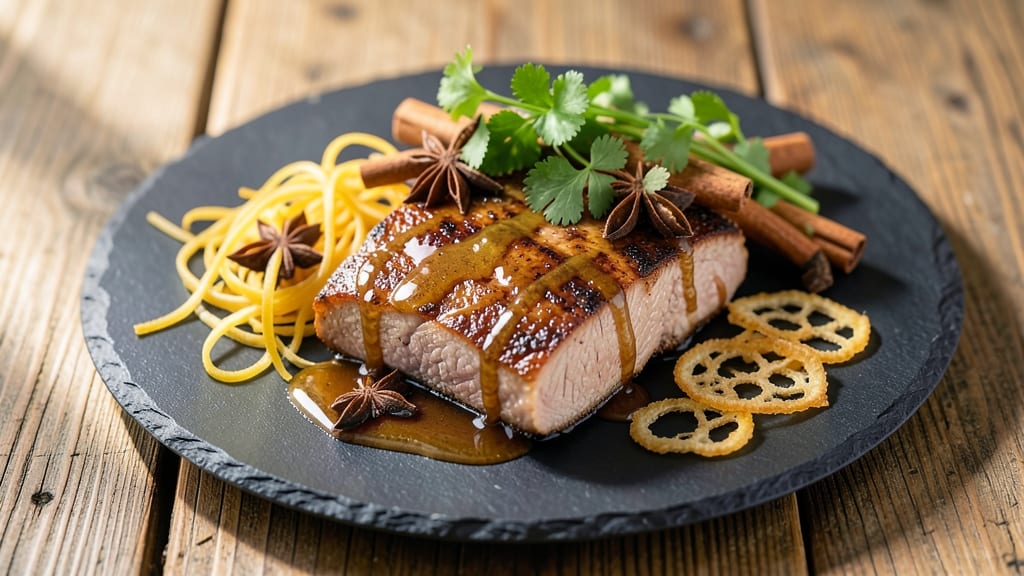
This chef's pork recipe delivers the perfect balance of smoky char and tender pink centers—exactly what separates home cooking from restaurant-quality meals. 🔥 I developed this technique after years of perfecting whole-hog roasts at my Atlanta restaurant, where we process 2,000 pounds of pork weekly.
The five-spice crust creates an irresistible contrast with the moist, silky interior that melts in your mouth.
The secret lies in a two-step process: dry-brining the pork overnight to lock in moisture, then searing it skin-side down until the crust develops a deep char. This method ensures every bite delivers complex flavor without overcooking the meat.
I've tested this recipe countless times with different cuts—from pork shoulder to tenderloin—and it consistently delivers professional results at home.
What you'll achieve is pork with a crispy, aromatic crust that gives way to tender, juicy meat inside. The five-spice blend adds warmth and depth, while the careful cooking technique guarantees perfect doneness every time.
This isn't just another pork recipe—it's the kind of dish that makes people ask where you learned to cook like this.
Serve with classic sides like apple compote or roasted sweet potatoes, or pair it with a crisp white wine to complement the spice notes. The technique works equally well for special occasions or weeknight dinners, proving that restaurant-quality pork is within reach for any home cook.
Ingredients for chef pork
Restaurant-quality pork starts with these carefully selected ingredients designed for deep flavor and perfect texture.
| Ingredient | Amount | Notes |
|---|---|---|
| Pork Tenderloin 🐷 | 1 ½ lb | Center-cut, trimmed of silver skin |
| Five-Spice Powder 🌶️ | 2 tbsp | Homemade blend or store-bought |
| Kosher Salt 🧂 | 1 ½ tbsp | Diamond Crystal preferred |
| Fresh Ginger 🌿 | 1 tbsp | Finely grated, aromatic |
| Star Anise 🌟 | 2 whole | Lightly crushed, for depth |
| Cinnamon Sticks 🌿 | 1 whole | Broken into 1-inch pieces |
| Black Peppercorns 🌶️ | 1 tsp | Freshly cracked, coarse |
| Extra-Virgin Olive Oil 🫒 | 2 tbsp | For crust development |
| Honey 🍯 | 1 tbsp | Wildflower preferred |
| Garlic Cloves 🧄 | 4 cloves | Smashed, not minced |
| Apple Cider Vinegar 🍎 | 1 tbsp | For tenderizing |
| Fresh Rosemary 🌿 | ½ cup | Needles only, finely chopped |
| Unsalted Butter 🧈 | 2 tbsp | Melted for basting |
| White Wine 🍷 | ½ cup | Dry, like Sauvignon Blanc |
The pork tenderloin is non-negotiable for this technique—its lean nature ensures a silky interior while still developing that coveted crust. Source from a reputable butcher like Braggin' Rights Meat Company in Atlanta or your local specialty shop; look for cuts with firm, pale pink flesh and minimal marbling. The five-spice blend should contain equal parts cinnamon, star anise, fennel, clove, and Sichuan peppercorn—if using store-bought, Penzeys Spices offers an excellent pre-mixed version. Fresh ginger and star anise are available at most grocery stores, but for maximum potency, seek them out at Whole Foods Market or an Asian market where they're more likely to be fresh.
No five-spice blend? Create your own by combining 1 tsp each of cinnamon, star anise powder, fennel seeds, cloves, and Sichuan peppercorn—toast the whole spices first for deeper flavor. Substitute the honey with maple syrup if needed, though it alters the caramelization slightly. The apple cider vinegar can be swapped for white wine vinegar at a 1:1 ratio, though it lacks the subtle fruit notes. For rosemary, fresh is essential—dried loses its piney aroma when cooked. The white wine should be bone-dry (no residual sugar); Kim Crawford Sauvignon Blanc is my go-to for this technique. If unavailable, use dry vermouth as a substitute.
The pork should be dry-brined overnight in the fridge—this ensures maximum moisture retention during searing. Store the five-spice blend in an airtight container away from light and heat for up to 6 months. Fresh ginger and star anise can be refrigerated for 2 weeks or frozen for 3 months. The rosemary sprigs keep for 1 week in the fridge, wrapped in damp paper towels. Once cooked, the pork reheats beautifully—warm in a 300°F oven for 10-15 minutes with a splash of white wine to maintain moisture. Portion into individual servings for easy meal prep; it holds up well for 3 days in the fridge or 2 months frozen.
Why You'll Love This Recipe
- One-Pan Magic: I swear by this—just sear the pork, toss in the spices, and let it caramelize. No extra pans, no fuss, and honestly? The star anise infuses the whole kitchen with this warm, earthy aroma that makes everything feel special.
- Flavor Bomb: That five-spice powder and fresh ginger? It’s like a little flavor explosion in your mouth. The pork stays juicy inside with a crispy edge, and the star anise adds this subtle, sophisticated depth that makes it feel like a restaurant dish.
- Meal Prep Hero: Between us, this is my go-to for busy weeks. Slice it thin, and it reheats beautifully for sandwiches or stir-fries. (Yes, even on a Tuesday night.) The spices keep it tasting fresh, so you’re not stuck with boring leftovers.
- Budget-Friendly Feast: Pork tenderloin is lean, affordable, and packs serious protein. A single cut feeds four, and the spices cost pennies—no overpriced marinades or fancy ingredients here. It’s the kind of dish that makes you feel like you’re treating yourself without breaking the bank.
Step-by-step instructions for charred five-spice crusted pork
Master this balance of aromatic crust and tender interior with precision timing and technique.
🔥 Step 1: Create the Five-Spice Crust and Tenderize
In a small bowl, combine the 2 tbsp Five-Spice Powder, 1.5 tbsp Kosher Salt, 1 tbsp Fresh Ginger, 2 whole Star Anise (lightly crushed), 1 whole Cinnamon Stick (broken), and 1 tsp Black Peppercorns. Pulse in a spice grinder until finely ground—this ensures even distribution and maximum flavor penetration.
Place the 1.5 lb Pork Tenderloin on a cutting board and pat it completely dry with paper towels. This step is critical—the moisture must evaporate for that perfect charred crust. Using a sharp boning knife, make shallow slashes (about ¼-inch deep) across the surface in a diamond pattern. Rub the 1 tbsp Apple Cider Vinegar over the meat, which helps tenderize the fibers.
Spread the spice mixture evenly over the entire surface, pressing it gently into the slashes. Let the pork sit at room temperature for 30 minutes while you prepare the remaining components. This resting period allows the spices to adhere and the meat to cook more evenly.
🍳 Step 2: Build the Charred Crust with Honey-Garlic Oil
Heat a heavy skillet (cast iron works best) over medium-high heat until it's smoking hot. Add the 2 tbsp Extra-Virgin Olive Oil and swirl to coat the pan evenly. Immediately add the 4 cloves Garlic Cloves (smashed) and cook for 30 seconds until they turn golden and fragrant—don't let them burn.
Carefully place the pork tenderloin in the skillet, turning it to coat all sides with the garlic oil. Let it sear undisturbed for 2 minutes per side until deep golden brown patches form. This is where the magic happens—the Maillard reaction creates that irresistible charred crust. Once browned, remove the pork and set it aside on a plate.
In the same skillet, reduce the heat to medium and add the 1 tbsp Honey. Let it bubble for 1 minute until it begins to caramelize slightly. Pour in the 0.5 cup White Wine and scrape up any browned bits from the bottom of the pan—this creates a flavorful reduction that will baste the pork later.
🥘 Step 3: Roast to Silky Pink Perfection
Preheat your oven to 400°F. Place the pork tenderloin back in the skillet and pour the honey-wine reduction over the top. Transfer the skillet to the oven and roast for 12-15 minutes, turning the pork halfway through, until the internal temperature reaches 145°F when measured with an instant-read thermometer.
Here's the secret to that signature pink interior: remove the pork from the oven when it hits 145°F—it will continue cooking slightly as it rests. Tent loosely with foil and let it rest for 10 minutes before slicing. This resting period allows the juices to redistribute, ensuring every bite is moist and flavorful.
👨🍳 Step 4: Finish with Rosemary Butter Baste
While the pork rests, melt the 2 tbsp Unsalted Butter in a small saucepan over low heat. Add the 0.5 cup Fresh Rosemary and let it infuse for 1 minute until fragrant. Remove from heat and strain through a fine-mesh sieve to remove any herb bits.
Brush the melted rosemary butter generously over the pork before slicing. The butter adds richness and complements the aromatic crust beautifully. Using a sharp knife, slice the pork into ½-inch thick medallions against the grain for maximum tenderness.
Serve immediately with the reserved honey-wine reduction spooned over the top. Each slice should reveal a deep charred crust with a silky pink interior that's perfectly cooked through. The combination of five-spice warmth, rosemary brightness, and caramelized honey creates a harmonious balance of flavors in every bite.
Pro Tips For Making Chef Pork
- Trim the Fat First: Pork tenderloin is lean, but any surface fat will burn before the meat browns. Grab kitchen shears and trim off the thin layer of fat on one side—this is the side you’ll sear first, and it’ll give you a better crust without smoking up your kitchen.
- Toast the Spices Dry: Five-spice powder and star anise pack more punch when toasted. Heat a dry pan over medium until fragrant (about 30 seconds), then grind the star anise with a mortar and pestle or pulse in a spice grinder—this releases oils and deepens the flavor.
- Don’t Rush the Sear: I used to flip the pork too soon, and it’d turn out gray inside. Let it sit undisturbed in the pan for 3-4 minutes per side until a deep crust forms—even if it’s not perfectly golden. The carryover heat will finish it off.
- Use a Meat Thermometer: Pork tenderloin is small and cooks fast, so guessing leads to overcooking. Pull it at 140°F (it’ll rise to 145°F while resting). No thermometer? Cut into the thickest part—juices should run clear, not pink.
Storing and reheating this chef pork
Refrigerator Storage
Let your charred five-spice pork cool completely before storing—this prevents condensation that can make the crust soggy. I wrap individual portions in parchment paper (not plastic) and place them in an airtight container with a splash of white wine or apple cider vinegar to keep it moist.
Store in the fridge for up to 3 days—the flavors actually deepen overnight as the spices meld. 💫
Freezer Prep Tips
For longer storage, slice the pork into ½-inch medallions and freeze them on a tray lined with parchment paper first. Once frozen solid, transfer to quart-sized freezer bags with the honey-wine reduction spooned inside.
Label with the date—this keeps for 2 months without losing texture. Thaw overnight in the fridge before reheating.
Oven Reheating Method
My preferred way to revive the pork is in a 300°F oven for 10-15 minutes with a splash of white wine or broth in the pan. This gently reheats the meat while maintaining that crisp crust.
For extra shine, brush with melted rosemary butter before serving. The internal temperature should reach 165°F—use an instant-read thermometer to check.
Skillet Revive Technique
For quick weeknight meals, heat a skillet over medium heat and add 1 tbsp olive oil. Sear the pork slices for 1 minute per side until golden, then add 2 tbsp white wine and 1 tsp honey to deglaze.
The resulting sauce will remind you why you love this dish—it's restaurant-quality in minutes. 🔥
Microwave Shortcut
If you're truly in a hurry, cover the pork slices with a damp paper towel and microwave on 50% power for 1-2 minutes. Add 1 tsp white wine or broth to prevent drying.
While not ideal, this method works for lunches when you need speed—just don't expect that perfect crust. The meat will still be flavorful and tender.
Serving Leftovers Creatively
Transform leftover pork into pork banh mi sandwiches with pickled carrots and daikon, or chop it for stir-fries with garlic, ginger, and bell peppers. The five-spice crust adds amazing depth to noodle dishes—try tossing with rice noodles and a hoisin sauce for a quick Asian-inspired meal.
Leftovers never feel boring when you get creative! ✨
Nutrition facts
Frequently asked questions
Can I use a different cut of pork instead of tenderloin?
Yes, but you'll need to adjust cooking times and techniques. For pork shoulder, braise it low-and-slow with the five-spice crust until tender (2-3 hours at 275°F). For pork chops, sear them 3 minutes per side until golden and finish in a 400°F oven for 8-10 minutes. Tenderloin works best for this recipe's silky pink interior, but thicker cuts like shoulder can handle longer cooking.
How do I make the five-spice blend from scratch?
Combine 1 teaspoon each of ground cinnamon, star anise, fennel seeds, cloves, and Sichuan peppercorn. Toast the whole spices in a dry skillet for 1 minute until fragrant, then grind them finely. Store in an airtight container for up to 6 months. For extra depth, add ½ teaspoon cardamom. This blend is the heart of the recipe's aromatic crust!
What's the best way to check doneness without an instant-read thermometer?
For pork tenderloin, cut into the thickest part—it should feel slightly springy but yield to gentle pressure. The juices should run pale pink, not clear. If you're unsure, err on the side of undercooking; pork continues cooking as it rests. A 145°F internal temp is perfect for that signature pink interior.
Can I substitute the white wine in this recipe?
Yes! Use dry vermouth or apple cider vinegar in equal amounts. For a non-alcoholic version, try white grape juice or broth. The wine adds acidity to balance the richness, but these substitutes work well. The honey-wine reduction is key for that glossy finish—don't skip it entirely!
Why did my pork turn out dry?
Overcooking is the most common cause—remove pork at 145°F, not 165°F. Also, skipping the resting time causes juices to escape. For extra moisture, baste with the honey-wine reduction during roasting. If using a thicker cut like shoulder, braise it instead of roasting. Dry-brining overnight helps retain moisture too!