
Main Courses
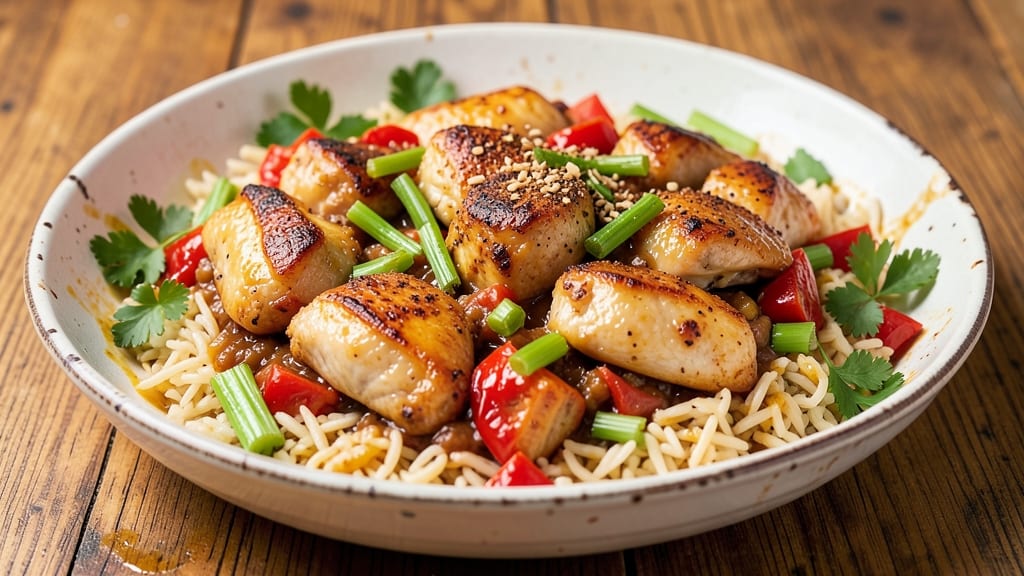
This chicken and pork jambalaya recipe delivers the soul-warming flavors of Louisiana in a single, aromatic pot. 🔥 The secret lies in layering spices—smoky paprika, earthy thyme, and bold cayenne—while balancing tender chicken, juicy pork, and perfectly cooked rice.
I've perfected this version to stay true to Cajun roots while making it approachable for home cooks.
The beauty of jambalaya is its versatility—this recipe builds rich, smoky depth through slow cooking, allowing all the flavors to meld together. With just one pot to manage, you'll spend more time enjoying the process than scrubbing dishes.
The chicken stays juicy, the pork remains tender, and the rice absorbs all that savory goodness without turning mushy.
What you'll end up with is a hearty, one-pot feast that's perfect for feeding a crowd or meal prepping for the week. The dish carries that signature Cajun warmth with just enough heat to satisfy, while the combination of textures—tender meat, fluffy rice, and crisp vegetables—makes every bite satisfying.
Serve with crusty bread to soak up the flavorful sauce.
This jambalaya works equally well for weeknight dinners or special gatherings, and the leftovers taste even better the next day. The recipe includes tips for adjusting spice levels and swapping ingredients based on what you have on hand. Let's get cooking!
Ingredients for chicken and pork jambalaya
Six servings of Cajun comfort in one pot—where smoky spices meet tender meats and fluffy rice.
| Ingredient | Amount | Notes |
|---|---|---|
| Long-Grain White Rice 🍚 | 2 cups | Uncooked, medium grain preferred |
| Boneless Chicken Thighs 🍗 | 1 ½ lb | Skin-on for juiciness, cut into bite-sized pieces |
| Pork Shoulder 🥓 | 1 ½ lb | Cut into 1-inch cubes, fat trimmed |
| Yellow Onion 🧅 | 1 whole | Diced, medium size |
| Green Bell Pepper 🌶️ | 1 whole | Diced, seeds removed |
| Celery Stalks 🥬 | 3 whole | Diced, classic holy trinity |
| Garlic Cloves 🧄 | 4 cloves | Minced, fresh preferred |
| Smoked Paprika 🌶️ | 2 tbsp | High-quality for authentic smokiness |
| Dried Thyme 🌿 | 1 tsp | Or 1 tbsp fresh thyme leaves |
| Dried Oregano 🍃 | 1 tsp | Mexican oregano preferred |
| Cayenne Pepper 🔥 | ½ tsp | Adjust for heat preference |
| Ground Black Pepper 🌶️ | ½ tsp | Freshly ground preferred |
| Kosher Salt 🧂 | 1 ½ tsp | Diamond Crystal preferred |
| Chicken Broth 💧 | 2 cups | Low-sodium preferred |
| Dry White Wine 🍷 | ½ cup | Bold, dry variety like Sauvignon Blanc |
| Tomato Paste 🍅 | 2 tbsp | High-quality, no salt added |
| Bay Leaves 🍃 | 2 whole | Fresh preferred, removed before serving |
| Olive Oil 🫒 | 2 tbsp | Extra-virgin for richness |
| Green Onions 🌱 | 4 whole | Sliced, for garnish |
The pork shoulder is the secret weapon here—it stays tender through long cooking while developing deep flavor. Ask your butcher for bone-in pieces if available, but boneless works too. For the chicken, thighs outperform breasts—they stay juicy even after simmering. Trader Joe's and Whole Foods often carry pre-cut pork shoulder, saving you chopping time. Look for good marbling in the meat—it translates to richer flavor. The bell pepper should be crisp, not rubbery, and the celery should snap when broken. Penzeys spices are my go-to for authentic Cajun blends, but the grocery store's dried thyme and oregano work perfectly fine if you're keeping it simple.
No smoked paprika? Regular paprika plus a pinch of liquid smoke gets you close. Running out of white wine? Chicken broth with a splash of lemon juice mimics the acidity. Fresh thyme is ideal but dried works at one-third the amount. For the holy trinity (onion, bell pepper, celery), frozen chopped vegetables work in a pinch—just thaw and drain them first. The cayenne is non-negotiable for that Cajun kick, but if you need to tone it down, reduce to 1/4 tsp and add more black pepper. The tomato paste can be substituted with 1 cup crushed tomatoes if you prefer, though it won't be as concentrated. For extra depth, a dash of Worcestershire sauce (ensure it's vegetarian if needed) adds umami magic.
This jambalaya tastes even better the next day as flavors meld. Store in an airtight container in the fridge for 4-5 days or freeze portions for 3 months. I like to portion it into meal prep containers—one for lunch, one for dinner, and one for leftovers. The rice stays perfectly separate if you let it cool completely before refrigerating. For reheating, add 1-2 tbsp broth to the pot to prevent drying. The green onions add freshness at the end, but if you're prepping ahead, store them separately and add just before serving.
Why You'll Love This Recipe
- One-Pot Magic: I swear by this—just dump everything into a big pot, stir a few times, and let it simmer. No fancy layers, no stress. The rice soaks up all the smoky pork and tender chicken while I’m chopping veggies for the next meal.
- Deep, Smoky Payoff: That slow-cooked pork shoulder? It falls apart like a dream, and the chicken thighs stay juicy. The bell pepper adds a crisp bite, but it’s the Cajun seasoning that turns this into something ridiculously satisfying—like a hug in a bowl.
- Leftovers That Don’t Suck: Honestly, I make double batches because the flavor gets better the next day. Reheat it with a splash of water, and it’s just as good—perfect for lunchboxes or a lazy Sunday. My kids actually ask for it, which is saying something.
- Budget-Friendly Feast: Pork shoulder and chicken thighs stretch this dish for a crowd without breaking the bank. A single onion and bell pepper bulk it up, and the rice? Cheap and filling. It’s the kind of meal that makes grocery day feel like a win.
Step-by-step instructions for chicken and pork jambalaya
Here's the proven method for building layers of smoky, spiced flavor in one pot.
🍳 Step 1: Sauté the Holy Trinity and Spices
Heat the 2 tablespoons olive oil in a large, heavy-bottomed pot over medium heat. Add the diced yellow onion, green bell pepper, and celery stalks (the holy trinity). Cook for 8-10 minutes until the vegetables soften and the onion becomes translucent.
Lower the heat to medium-low and add the minced garlic cloves, stirring for 30 seconds until fragrant. Immediately add the 2 tablespoons smoked paprika, 1 teaspoon dried thyme, 1 teaspoon dried oregano, 0.5 teaspoon cayenne pepper, 0.5 teaspoon ground black pepper, and 1.5 teaspoons kosher salt. Stir constantly for 1 minute to toast the spices and release their aromatic oils.
This step develops the jambalaya's signature smoky depth. If the spices start to darken too quickly, reduce the heat immediately to prevent burning.
🍳 Step 2: Brown the Meats in Batches
Increase heat to medium-high and add half of the 1.5 pounds pork shoulder cubes to the pot. Brown on all sides for 3-4 minutes, then remove and set aside. Repeat with the remaining pork, then work with the 1.5 pounds boneless chicken thighs, browning them for 4-5 minutes per batch until golden.
Don't overcrowd the pot—browning requires space for proper searing. If needed, work in two batches, adding a little more olive oil if the pan seems dry. The goal is to develop a rich, caramelized crust on each meat piece that will infuse into the final dish.
🥘 Step 3: Build the One-Pot Foundation
Return all the browned meats to the pot. Stir in the 2 tablespoons tomato paste and cook for 1 minute to deepen the flavor. Pour in the 0.5 cup dry white wine and scrape up any browned bits from the bottom of the pot. Let the wine simmer for 2 minutes until mostly evaporated.
Add the 2 cups chicken broth and the 2 whole bay leaves, bringing everything to a gentle boil. Immediately stir in the 2 cups long-grain white rice, spreading it evenly across the bottom of the pot. This ensures each grain gets proper contact with the flavorful liquid.
Reduce heat to low and cover the pot with a tight-fitting lid. The rice should simmer gently—you should see just a few bubbles breaking the surface occasionally. This controlled simmer prevents the rice from becoming mushy while allowing the meats to cook through.
⏰ Step 4: Simmer to Perfect Texture
Cook uncovered for 15 minutes to allow the rice to absorb some of the liquid and develop a slight crust on top. Then cover and simmer for an additional 20-25 minutes, checking the rice after 20 minutes. The rice should be tender with a slight bite, and the liquid should be mostly absorbed.
If the jambalaya seems too dry before the rice is fully cooked, add 2 tablespoons water at a time, stirring gently to distribute. The key is maintaining that perfect balance between tender rice and flavorful liquid. If the rice finishes cooking before the liquid is absorbed, cover and let it sit off the heat for 5 minutes to steam.
🍽️ Step 5: Finish and Garnish
Once the rice is perfectly tender and the liquid has been mostly absorbed (there should be just a light sauce coating the rice), remove the bay leaves. Taste and adjust seasoning with additional kosher salt or cayenne pepper if needed. The jambalaya should be rich and spicy with a deep, smoky undertone.
Garnish with the sliced green onions and serve immediately in a large bowl or directly from the pot. The jambalaya will continue to develop flavor as it sits, so don't rush this final step. Each bite should deliver tender meat, perfectly cooked rice, and layers of aromatic spices.
Pro Tips For Making Chicken And Pork Jambalaya
- CRISP THE PORK FIRST: I learned this the hard way—skipping the initial sear on the pork shoulder means you’ll end up with a dish that tastes more like stew than jambalaya. Slice the pork into ½-inch chunks, pat them dry, and cook them in batches over high heat with 1 tablespoon of oil until they’re golden brown on all sides. This isn’t just about flavor; it’s about texture, and that crust makes all the difference when the rice soaks it up later.
- DON’T SKIP THE CHICKEN REST: Boneless chicken thighs cook fast, but they’ll turn out dry and stringy if you don’t give them a break. Once they hit 165°F, pull them out of the pot and let them rest under foil for 5-10 minutes. I know, I know—you’re eager to eat, but cutting into them too soon means juices will pool on the plate instead of staying in the meat. Trust the process.
- SWEAT THE ONIONS LOW: This isn’t the prettiest method, but it’s the tastiest. Dice the yellow onion and green bell pepper into ¼-inch pieces, then cook them in the same pot (with the pork fat) over medium-low heat for 8-10 minutes. You want them soft enough to disappear into the rice but not browned—burnt veggies add bitterness, and nobody wants that in jambalaya. Stir occasionally, and resist the urge to crank the heat.
- USE DAY-OLD RICE: I skip this when I’m lazy, but the dish is noticeably better when I don’t. Jambalaya is a one-pot wonder, but the rice absorbs liquid way better if it’s not fresh. If you’re making this ahead, cook the rice separately, spread it on a tray to cool, then stir it into the finished stew. The grains will separate and soak up the broth like a dream—no mushy texture, just perfect texture. (Your future self will thank you.)
Regional styles of this recipe
Cajun Roots
This jambalaya traces back to Louisiana’s bayous, where French, Spanish, African, and Native American traditions blended into a one-pot masterpiece. The original version used whatever meats were available—chicken, pork, and sometimes sausage—cooked with the holy trinity (onion, bell pepper, celery) and smoky spices.
In New Orleans, it became a staple at Sunday family gatherings, often served in a cast-iron Dutch oven over an open flame. The dish’s name comes from the Spanish jam (ham) and balaya (a type of rice), reflecting its Creole heritage. 🌶️
Creole vs. Cajun
The key difference lies in the tomatoes. Creole jambalaya includes a tomato base (like sauce or diced tomatoes), giving it a richer, slightly tangy profile. Cajun jambalaya, closer to this recipe, skips tomatoes entirely, focusing on the smoky-sweet balance of the holy trinity and spices.
Both versions use rice, but Creole often includes saffron or shrimp, while Cajun leans into heartier meats like pork shoulder. For authenticity, stick to the tomato-free approach—it’s what makes this dish truly Cajun. 🥘
Texas-Style Twist
Head west to Texas, and jambalaya gets a bold, beefy upgrade. Texans often swap pork for chuck roast and add ground beef, creating a meatier, heartier dish. The spices stay similar, but you’ll find more black pepper and less cayenne—think of it as a BBQ-infused jambalaya.
For a Texas-inspired version, replace the pork with 1 lb ground beef and 1 lb chuck roast, then slow-cook it for 2 extra hours to tenderize the beef. Serve with cornbread instead of crusty bread for a true Lone Star touch. 🔥
Louisiana’s Modern Fusion
Today’s jambalaya isn’t stuck in the past—chefs are putting their own spins on it. In Baton Rouge, you’ll find versions with andouille sausage and okra for a Southern twist. Meanwhile, New Orleans restaurants often add seafood (shrimp, crawfish) for a Creole jambalaya that’s lighter but equally flavorful.
For a fusion take, try adding 1 cup diced tomatoes and ½ lb shrimp in the last 10 minutes of cooking. The shrimp will stay tender while absorbing the jambalaya’s smoky depth. 🍤
Bayou Country Adaptations
In rural Louisiana, jambalaya is a make-it-work dish. If you’re short on chicken, substitute with duck confit (a Cajun classic) or smoked sausage. Need to stretch the meal? Add 1 cup chopped okra or diced sweet potatoes—both soak up the sauce beautifully.
For a vegetarian version, swap the meats for mushrooms, lentils, and extra bell peppers, then boost the spices with 1 extra teaspoon smoked paprika. The key is keeping that smoky, spicy, savory core intact, no matter the ingredients. 🌿
Nutrition facts
Frequently asked questions
Can I make this jambalaya in an Instant Pot?
Yes! Use the Sauté function to brown the meats and holy trinity, then add all ingredients except rice. Pressure cook on High for 8 minutes, quick-release, stir in rice, and cook on Keep Warm for 10 minutes. The Instant Pot version stays moist but requires careful monitoring to avoid overcooking.
How do I adjust the spice level for kids or sensitive eaters?
Reduce the cayenne pepper to ¼ teaspoon and add an extra ½ teaspoon black pepper for depth. For milder heat, use mild paprika instead of smoked. Always taste as you go—you can't remove excess cayenne later, but you can balance it with a splash of white wine or broth.
What's the best way to reheat jambalaya?
Add 2-3 tablespoons broth or water per serving to prevent drying. Reheat in a skillet over medium-low heat for 5-7 minutes, stirring occasionally. For microwave reheating, cover with a damp paper towel and heat in 1-minute intervals, stirring between each. The rice absorbs moisture quickly!
Can I use ground meat instead of chunks?
Replace the pork shoulder with 1 lb ground pork and the chicken thighs with 1 lb ground chicken. Brown the ground meat thoroughly first to develop flavor, then proceed with the recipe. Ground meat cooks faster, so reduce simmering time by 5-7 minutes to avoid overcooking.
Why did my jambalaya turn out dry?
This usually happens from overcooking or insufficient liquid. Always use 2 cups broth plus wine—never substitute with water. If drying out, add 2 tablespoons broth at a time during cooking. For next time, check rice doneness at 20 minutes and let it sit off heat for 5 minutes to steam.