
Main Courses
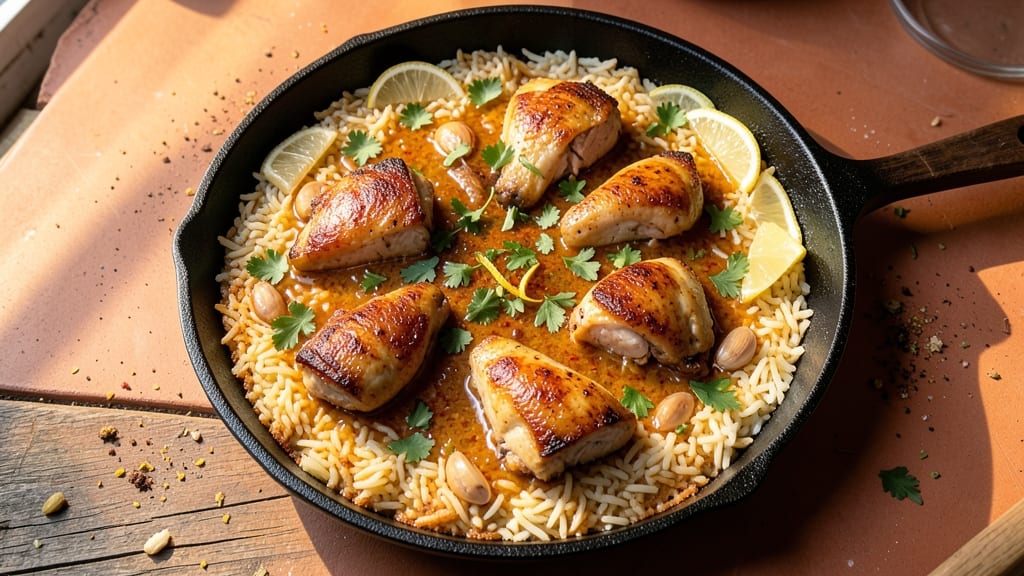
This saffron-infused chicken and pork paella recipe delivers the bold, aromatic flavors of Spain in a single, impressive pan. The secret lies in properly toasting the rice and building layers of flavor through careful searing and simmering—techniques that transform simple ingredients into a restaurant-worthy dish.
What sets this version apart is the balance of tender chicken, savory pork, and perfectly cooked rice infused with saffron's signature golden hue and delicate aroma.
The foundation of authentic paella begins with a rich broth infused with saffron threads, garlic, and smoked paprika—a combination that creates depth without overpowering the natural flavors of the meat.
Chicken thighs and pork shoulder are seared until golden, then simmered just enough to develop flavor without drying out, while the rice absorbs the aromatic broth in the final stages. This method ensures each bite delivers the perfect harmony of textures and tastes.
By the time you're ready to serve, your paella will showcase beautifully caramelized rice with crispy bottom edges, tender chicken and pork pieces, and a broth reduced to just the right consistency. The saffron-infused rice will have that distinctive golden color and subtle floral notes that make paella instantly recognizable.
This dish is impressive enough for company but simple enough for a weeknight dinner—just be prepared for requests for seconds.
For those looking to elevate their paella further, consider adding fresh seafood or a splash of white wine to the broth.
The traditional Spanish technique of cooking over an open flame can be replicated on the stovetop with high heat, though a paella pan will give you that coveted crispy socarrat at the bottom. Let's create this one-pan feast that captures the heart of Spanish cuisine.
Ingredients for chicken and pork paella
Sixteen ingredients transform into Spain's most celebrated one-pan feast.
| Ingredient | Amount | Notes |
|---|---|---|
| Saffron Threads 🌼 | ¼ tsp | High-quality, organically grown |
| Long-Grain White Rice 🍚 | 2 cups | Bomba or Calasparra preferred |
| Chicken Thighs 🍗 | 1 ½ lb | Bone-in, skin-on for flavor |
| Pork Shoulder 🥓 | 1 ½ lb | Cut into 1-inch cubes |
| Chicken Broth 💧 | 4 cups | Low-sodium preferred |
| Garlic Cloves 🧄 | 8 cloves | Minced for depth of flavor |
| Smoked Paprika 🌶️ | 2 tsp | For authentic smoky notes |
| Bay Leaves 🍃 | 2 whole | Fresh for best aroma |
| Extra-Virgin Olive Oil 🫒 | ½ cup | High-quality for frying |
| Lemon Juice 🍋 | 2 tbsp | Freshly squeezed |
| Salt 🧂 | 1 ½ tsp | Kosher or sea salt |
| Black Pepper 🌶️ | ½ tsp | Freshly ground |
| Fresh Parsley 🌿 | ¼ cup | Chopped for garnish |
| Red Bell Pepper 🌶️ | 1 whole | Diced for color and crunch |
| Tomato Paste 🍅 | 2 tbsp | For rich tomato base |
Saffron is the star here—Spanish saffron from La Mancha is the gold standard, but any high-quality threads will work. Whole saffron (not powder) delivers the best flavor and aroma. The rice choice matters too: Bomba or Calasparra grains hold up best to the long cooking time and absorb liquid perfectly. Chicken thighs and pork shoulder should have good marbling for juiciness. If you can't find bone-in chicken thighs, use bone-in, skin-on chicken breasts instead. The pork shoulder should be cut into even 1-inch cubes for consistent cooking. For the broth, low-sodium is key—you'll be adding plenty of salt later. Fresh bay leaves add depth, but dried work in a pinch at half the amount.
No saffron? Turmeric at one-third the amount gives color (though no aroma), or skip it entirely and boost the paprika to 1 tablespoon. Short on chicken thighs? Chicken drumsticks work beautifully—they stay juicy and add extra flavor. No pork? Chicken livers (if you're feeling adventurous) or extra chicken thighs keep the dish hearty. The tomato paste can be substituted with 1 cup crushed tomatoes if you prefer a chunkier texture. For the bell pepper, any color works—just make sure it's fresh. Pre-minced garlic from a jar lacks punch, so fresh is non-negotiable here. The olive oil should be extra-virgin—anything less will burn easily and lack flavor.
Paella reheats beautifully—just add a splash of water or broth and cover until heated through. The rice keeps best in the pan, covered, for up to 2 days in the fridge. For longer storage, freeze portions (without the rice sticking to the bottom) for up to 3 months. The saffron-infused rice develops even more flavor overnight, so leftovers often taste better the next day. If making ahead, hold the garnishes (parsley, lemon) until serving to keep them vibrant. The pork and chicken can be pre-cooked and kept warm while you toast the rice—just reheat gently before adding back to the pan.
Why You'll Love This Recipe
- One-Pan Magic: I swear by this recipe because it’s literally one pan—no chopping boards, no extra dishes. Sear the pork and chicken right in the paella pan, then let the broth and rice do the work while you sip wine (or coffee, no judgment).
- Saffron Gold Rush: That tiny pinch of saffron threads? It’s the secret weapon. The rice turns this insane golden yellow, and the flavor? Like sunshine in a bowl. Honestly, it’s the only time I splurge on saffron—worth every penny for that aromatic punch.
- Crowd-Pleaser Flex: This dish works for date nights, family dinners, or even a lazy Sunday with friends. The combo of juicy pork, tender chicken, and that crispy rice bottom? Everyone loses their minds. (Yes, even my picky uncle.)
- Budget Feast Leftovers: Pork shoulder and chicken thighs stretch this recipe into three meals without breaking the bank. The broth keeps everything moist, so reheating is a breeze—just add a splash of water and a minute in the microwave. Zero waste, maximum flavor.
Step-by-step instructions for saffron-infused paella
Master authentic paella technique with this precise, one-pan method.
Bloom the Saffron and Sauté the Proteins
In a small bowl, steep the 0.25 tsp saffron threads in 2 tbsp warm water for 10 minutes to release their vibrant color and aroma. This infusion creates the signature golden hue and delicate floral notes that define paella.
Heat 0.5 cup extra-virgin olive oil in a 16-inch paella pan over medium-high heat. Add the 1.5 lb pork shoulder cubes and cook for 5-6 minutes until they begin to brown. Remove and set aside. In the same pan, add the 1.5 lb chicken thighs, skin-side down, and cook for 4-5 minutes until golden brown. Flip and cook another 3-4 minutes until the chicken reaches 165°F internally. Remove both proteins and set aside with the pork.
Build the Soffrito Base
In the same pan, reduce heat to medium and add 2 tbsp tomato paste. Stir for 1 minute until it darkens slightly. Add the 8 cloves minced garlic, 2 tsp smoked paprika, 1.5 tsp salt, and 0.5 tsp black pepper, stirring constantly for 30 seconds until fragrant.
Add the 1 whole diced red bell pepper and cook for 3-4 minutes until softened. Stir in the 2 whole bay leaves and cook for another 1 minute. This aromatic base forms the flavor foundation of your paella, so don't rush this step.
Toast the Rice and Infuse with Saffron
Add the 2 cups long-grain white rice to the pan and stir to coat it evenly with the sofrito. Toast the rice for 2 minutes until it becomes translucent at the edges. This step is crucial—it prevents mushy rice and develops nutty flavors.
Pour in the 2 tbsp lemon juice and 4 cups chicken broth, then add the saffron infusion. Stir gently once to distribute the saffron threads. Bring to a gentle simmer, then reduce heat to low. The rice should be cooking in the liquid, not boiling vigorously—this ensures even cooking without breaking the grains.
Layer and Braise the Paella
Arrange the chicken thighs and pork shoulder cubes evenly over the rice. Cover the pan with a tight-fitting lid and cook for 15 minutes on the stovetop. This braising step allows the proteins to cook through while the rice absorbs the flavorful broth.
After 15 minutes, remove the lid and increase heat to medium. Cook uncovered for another 10-12 minutes until the rice has absorbed most of the liquid and the bottom forms a crispy socarrat (the prized crispy rice crust). You'll know it's ready when the bottom of the pan has golden-brown spots and the rice is tender but still slightly firm to the bite.
Rest and Garnish
Remove from heat and let the paella rest for 5 minutes covered with a clean kitchen towel. This resting period allows the juices to redistribute throughout the rice, ensuring each bite is moist and flavorful.
Garnish with the 0.25 cup chopped fresh parsley and serve family-style directly from the paella pan. The combination of tender chicken, flavorful pork, and perfectly cooked rice with its crispy bottom creates a restaurant-quality dish that captures the essence of Spanish paella.
Pro Tips For Making Chicken And Pork Paella
- CRISP THE PORK FIRST: I learned this the hard way—if you skip browning the pork shoulder, it’ll turn out greasy and bland. Cut it into 1-inch chunks, pat dry, and sear in a hot pan with oil until deeply golden (about 8-10 minutes). The crust locks in flavor and keeps the rice from getting soggy later.
- SOAK THE SAFFRON: This isn’t the prettiest method, but it’s the tastiest: crush the saffron threads with a pinch of salt in a mortar or just between your fingers, then steep in ¼ cup warm broth for 10 minutes. Skipping this means you’ll just get a faint yellow tint instead of that floral, honeyed depth.
- DON’T STIR THE RICE: Yes, even if you’re impatient like me. Once the rice hits the pan, spread it evenly and let it sit undisturbed for 2 full minutes—this guarantees a crispy socarrat crust at the bottom. Only then add the broth in a cross pattern, and resist the urge to poke around.
- USE COLD BROTH: I was skeptical until I tried it: after the initial sear, add the rice, then immediately pour in cold broth (or broth that’s just off the stove). The temperature shock keeps the grains separate and prevents mushiness. (Your future self will thank you.)
Dietary considerations for these flavors
Gluten-Free Adaptations
This paella is naturally gluten-free as long as you use certified gluten-free smoked paprika and chicken broth. I always check labels on spices and broths since cross-contamination can occur. For extra safety, I recommend Anthony's Good Measure brand for both paprika and broth—they're dedicated gluten-free facilities.
The saffron and rice are inherently gluten-free, so no substitutions are needed there. 🌾
Dairy-Free Considerations
This recipe doesn't contain any dairy ingredients, making it perfect for lactose-intolerant diners. The flavor comes entirely from the extra-virgin olive oil, smoked paprika, and saffron, so no dairy substitutes are required.
Just ensure your chicken broth doesn't contain hidden dairy additives (some premium brands do). For the crispy bottom (socarrat), the high heat caramelizes the rice naturally without needing butter. 🥄
Vegetarian Options
To make this paella vegetarian, replace the chicken thighs and pork shoulder with firm tofu or mushrooms. I like using portobello mushrooms sliced thickly—they absorb the flavors beautifully. For protein, add white beans (about 1.5 cups) to the rice during the final 10 minutes of cooking.
Increase the broth to 4.5 cups to compensate for the extra moisture from the beans. The saffron and smoked paprika will still create that authentic paella flavor profile. 🌱
Allergen-Friendly Swaps
For shellfish allergies, this recipe is already safe—just confirm your chicken broth doesn't contain fish-based additives. If someone has a tomato allergy, replace the tomato paste with roasted red peppers (about ½ cup) for color and sweetness.
For nut allergies, ensure your smoked paprika is nut-free (some brands process in shared facilities). I always double-check labels on spices since cross-contamination is common in bulk bins. 🚫
Protein Adjustments
Want to reduce meat? Swap half the pork shoulder for chickpeas (about 1 cup)—they add hearty texture and fiber. For a seafood twist (if not allergic), replace the pork with shrimp (about 1 lb) and add it in the final 5 minutes of cooking.
For a paleo version, use bone-in, skin-on chicken thighs and pork shoulder (already compliant) while omitting the tomato paste. The saffron and olive oil provide all the necessary fats for paleo standards. 🍤
Keto-Friendly Modifications
This paella isn't traditionally keto, but you can adapt it by replacing the 2 cups rice with cauliflower rice (about 4 cups) and reducing the broth to 3 cups. The chicken thighs and pork shoulder provide plenty of protein and fat.
Skip the tomato paste and add extra olive oil (about 2 tbsp) for richness. The saffron and smoked paprika will still infuse the cauliflower with that signature paella flavor. Just be aware the texture will be lighter and less creamy than traditional rice. 🥦
Nutrition facts
Frequently asked questions
Can I use regular white rice instead of Bomba or Calasparra?
While Bomba or Calasparra rice are ideal for paella (they hold up better to long cooking), you can use long-grain white rice in a pinch. Just reduce the cooking time by 2-3 minutes and check for doneness earlier since it absorbs liquid faster. The texture won't be quite as firm, but it'll still taste delicious. For best results, rinse the rice first to remove excess starch.
How do I achieve that crispy bottom (socarrat) without a paella pan?
Use a heavy-bottomed skillet or oven-safe pan instead. Once the rice is nearly done (about 20 minutes in), transfer the pan to a 400°F oven for the final 5 minutes to crisp the bottom. Alternatively, increase heat to medium-high on the stovetop for the last 3 minutes and let the edges caramelize. The key is patience—don't rush this step!
Can I make this paella ahead of time?
Yes! This dish actually tastes better the next day. Cook the paella as directed, then let it cool completely. Store in an airtight container in the fridge for up to 2 days. To reheat, add 2-3 tbsp broth or water, cover, and warm on low heat. The flavors deepen overnight, and the rice becomes even more flavorful. Just hold the parsley garnish until serving.
Why does my paella turn out mushy?
Mushy rice usually means one of three things: too much liquid, stirring too often, or not toasting the rice properly. First, ensure you're using 4 cups broth for 2 cups rice—don't add extra. Second, stir only once after adding the liquid. Finally, always toast the rice for 2 minutes before adding broth to build flavor and structure. If it's still mushy, you may have used the wrong rice type.
What wine pairs best with chicken and pork paella?
A dry Spanish red wine like Tempranillo or Garnacha is perfect—it complements the smoky paprika and saffron beautifully. For white wine lovers, try a crisp Albariño from Galicia. If you prefer something lighter, a rosé from Provence works well too. Just avoid sweet wines—they'll clash with the savory flavors. Serve at 60-65°F for best enjoyment.